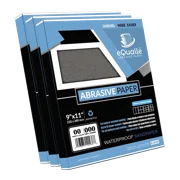
Detail Sander Sheets
Replace Triangle Sheets Cleanly And Quickly
How to Swap Detail Sander Sheets Fast and Clean The moment always arrives at the worst time—on a stubborn corner where paint gathers like drifts of snow, and your sander starts to hiss instead of bite. You glance down: the grit is glazed, the tip is frayed, and your pace stalls. Swapping detail sander sheets should be quick and clean, but if you’re peeling at the edges, misaligning dust holes, or leaving residue on the pad, it becomes the dreaded task that derails flow. Whether you’re reviving an old window sash, smoothing a toy chest lid, or easing a cabinet door into a perfect close, that triangular sheet is the tiny workhorse that makes sharp edges and tight spaces feel easy—if you manage it well.