
Mastering Drywall Sanding for a Flawless Finish
There’s something incredibly satisfying about transforming a raw, uneven drywall surface into a smooth, pristine canvas ready for a fresh coat of paint. Picture this: you’ve just finished a long day at work, but instead of collapsing on the couch, you step into your garage, grab your sanding tools, and lose yourself in the rhythmic motion of perfecting your drywall. The hum of the sander drowns out the day’s stress, and as each layer of dust falls, so too does the weight of your worries.
For many DIY enthusiasts and professionals alike, drywall sanding is more than just a step in the renovation process; it’s a form of meditation. But achieving that perfect finish requires more than just patience—it demands the right tools, techniques, and know-how. Today, I’ll guide you through the essentials of drywall sanding, focusing on choosing the best grit for your project to ensure your walls are not only smooth but also ready to dazzle with paint.
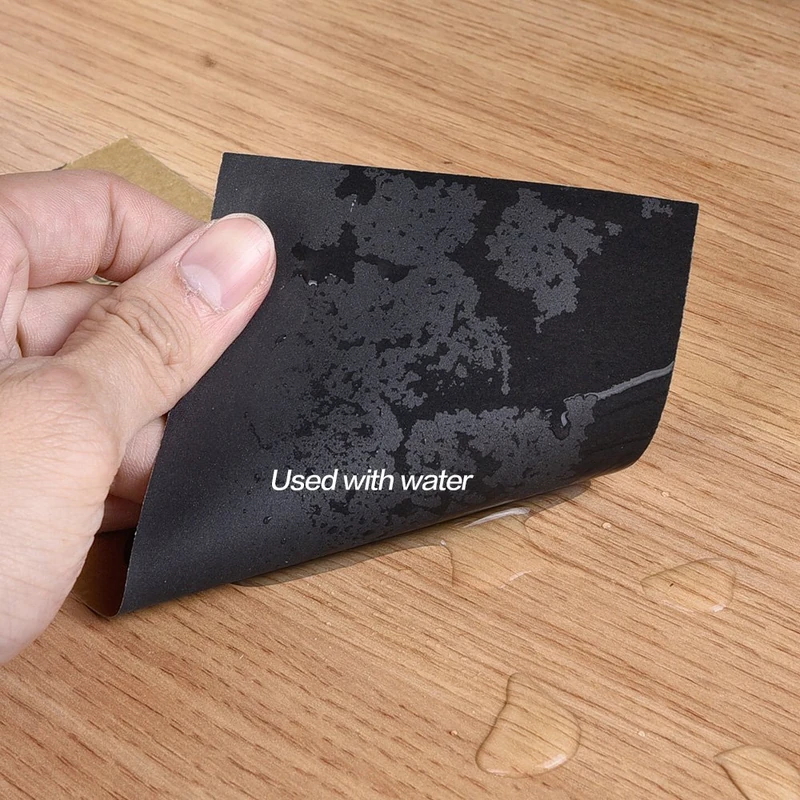
Quick Summary: Discover the secrets to effective drywall sanding, focusing on selecting the right grit sandpaper to achieve a flawless, paint-ready finish.
Understanding the Drywall Sanding Process
Before diving into the specifics of grit selection, it’s essential to understand the drywall sanding process as a whole. Sanding drywall involves smoothing out the joint compound applied to the seams and screws to create an even surface. A successful sanding job minimizes the appearance of imperfections and prepares the wall for painting.
Tools of the Trade
- Hand Sanders and Sanding Sponges: Ideal for small areas and touch-ups. They offer more control but require more effort.
- Pole Sanders: Perfect for reaching high walls and ceilings without a ladder. They can cover large areas quickly.
- Electric Sanders: These provide speed and efficiency, especially for large projects, but require careful handling to avoid over-sanding.
The Importance of Grit
Grit refers to the coarseness of the sandpaper, and its selection is crucial for achieving the desired finish. Using the wrong grit can lead to scratches or insufficiently smooth surfaces. Generally, the sanding process involves starting with a coarser grit and moving to a finer one for the best results.
Choosing the Best Grit for Drywall Sanding Before Paint
Selecting the right grit sandpaper is a critical step in achieving a flawless drywall finish. The grit you choose will depend on the stage of sanding and the desired smoothness of your walls.
Initial Sanding: 100-120 Grit
For the first pass, especially if you’re working with new drywall installations, a 100-120 grit sandpaper is recommended. This grit is coarse enough to smooth out joint compounds without damaging the drywall beneath. It’s perfect for evening out larger imperfections and preparing the surface for finer sanding.
Intermediate Sanding: 150-180 Grit
Once you’ve tackled the bigger bumps, it’s time to refine the surface. Moving to a 150-180 grit sandpaper allows you to smooth out any remaining rough spots and begin the transition to a paint-ready finish. This grit level is also suitable for lightly sanding primed walls before applying the final coat of paint.
Final Sanding: 220 Grit
For the ultimate smoothness, especially if you’re aiming for a high-gloss paint finish, a final pass with 220 grit sandpaper is advisable. This fine grit ensures that the surface is impeccably smooth, ready to showcase your paint job in the best possible light.
Common Mistakes in Drywall Sanding and How to Avoid Them
Even seasoned DIYers can fall into common pitfalls when sanding drywall. Here are some mistakes to watch out for and tips on how to avoid them.
Over-Sanding
One of the most common errors is over-sanding, which can lead to exposing the paper face of the drywall or creating dips. Always sand with light, even pressure, and regularly check your progress.
Neglecting Dust Control
Drywall sanding generates a significant amount of dust, which can affect air quality and the final finish. Use a dust extractor or a vacuum attachment on your sander to minimize airborne particles. Wearing a dust mask is also highly recommended.
Ignoring Primer
Skipping the primer before painting over freshly sanded drywall is a mistake. Primer not only helps paint adhere better but also seals the surface, preventing uneven absorption. Make sure to apply a coat of primer after your final sanding.
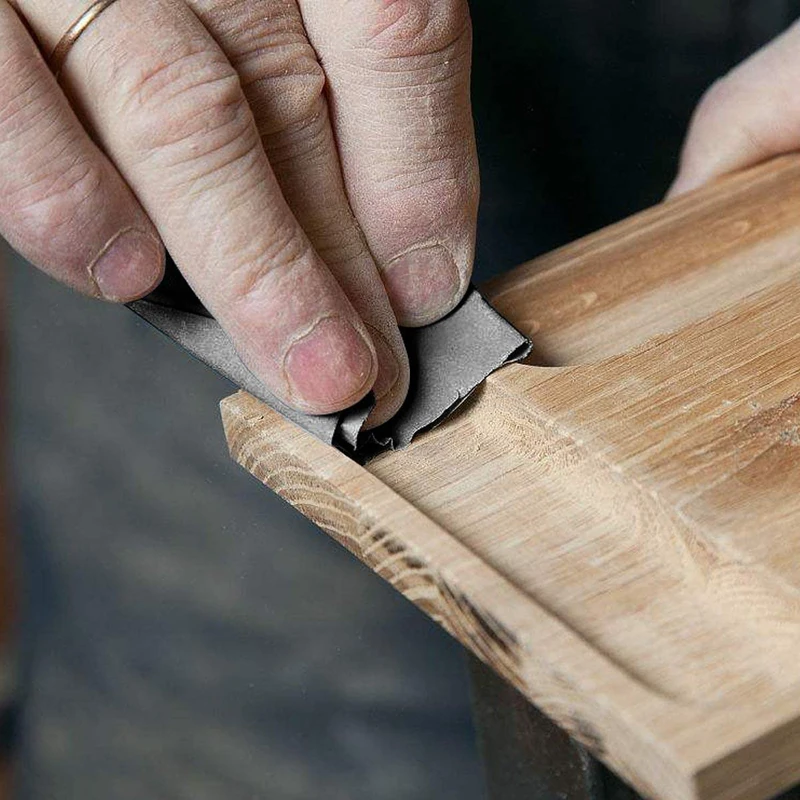
Advanced Techniques for a Professional Finish
For those looking to take their drywall sanding skills to the next level, incorporating advanced techniques can yield professional results.
Wet Sanding
Wet sanding involves using a damp sponge instead of sandpaper. This method reduces dust and is great for touch-ups. It requires practice to master but can produce a very smooth finish.
Using a Light Source
Shining a bright light at an angle across the wall can highlight imperfections that are not visible in normal lighting. This technique helps ensure that your sanding is thorough and that no blemishes go unnoticed.
According to a Home Depot article, using the right grit and employing proper techniques are crucial to achieving a smooth, paint-ready surface.
Tips for Efficient and Effective Drywall Sanding
Here are some actionable tips to ensure your drywall sanding project is both efficient and effective:
- Sand in Natural Light: Whenever possible, sand during the day with natural light to better see imperfections.
- Use a Sanding Block: A sanding block helps maintain even pressure and prevents gouging.
- Test Your Finish: Run your hand over the surface to check for smoothness. Your hand is often more sensitive than your eyes in detecting imperfections.
- Keep Sandpaper Clean: Regularly clean or replace sandpaper to maintain its effectiveness and avoid scratches.
Frequently Asked Questions (FAQ)
Q: What grit should I use for drywall mud?
A: Start with 100-120 grit for the initial pass, then refine with 150-180 grit, and finish with 220 grit for a smooth finish.
Q: Can I use an electric sander for drywall?
A: Yes, electric sanders are efficient for large areas, but use them carefully to avoid over-sanding.
Q: How do I minimize dust when sanding drywall?
A: Use a vacuum attachment on your sander, employ a dust extractor, and wear a dust mask to reduce airborne particles.
Q: Is it necessary to sand between coats of drywall mud?
A: Yes, sanding between coats helps achieve a smooth finish by removing any unevenness from previous layers.
Q: Should I prime after sanding drywall?
A: Absolutely, priming is essential to ensure paint adhesion and to seal the sanded surface for even paint application.
Mastering drywall sanding is not just about technique but also about patience and precision. With the right tools and knowledge, you can transform any wall into a perfect canvas for your creative vision. Happy sanding!