
Best Grit Sequence for Auto Body Sanding
Picture this: you’re standing in your garage, sunlight streaming through the windows, casting warm glows on the polished surfaces around you. Your project car, a vintage classic you’ve been restoring, gleams in the light, showing off all the hard work you’ve poured into it. But there’s one last hurdle before you can paint that final coat: the auto body sanding process.
Sanding is more than just a step in the restoration process; it’s an art that requires precision and patience. For both hobbyists and seasoned professionals, understanding the best grit sequence for auto body sanding before applying primer can make the difference between a flawless finish and a flawed one. It’s about achieving that perfectly smooth surface where paint adheres beautifully, ensuring a long-lasting, high-quality finish that turns heads on every drive.
This journey into the world of auto body sanding isn’t just about the technical aspects—it’s about the satisfaction of transforming something worn and weathered into a masterpiece. As we delve into the best practices, tips, and grit sequences, you’ll find yourself equipped to tackle any auto body sanding project with confidence and skill.

Quick Summary: Discover the ideal grit sequence for auto body sanding before primer to ensure a flawless, professional finish on your vehicle.
Understanding Sandpaper Grits
Before diving into the specifics of grit sequences, it’s essential to understand what sandpaper grit is and how it affects the sanding process. Sandpaper grit refers to the abrasive particles on the paper’s surface, which remove material from the auto body. The grit number indicates the size of these particles—the lower the number, the coarser the grit.
Types of Sandpaper for Auto Body Work
- Coarse Grit (24-40): Used for heavy material removal, like stripping paint or sanding down filler.
- Medium Grit (80-150): Ideal for smoothing scratches left by coarser grits and shaping body filler.
- Fine Grit (180-240): Used for final smoothing before primer application.
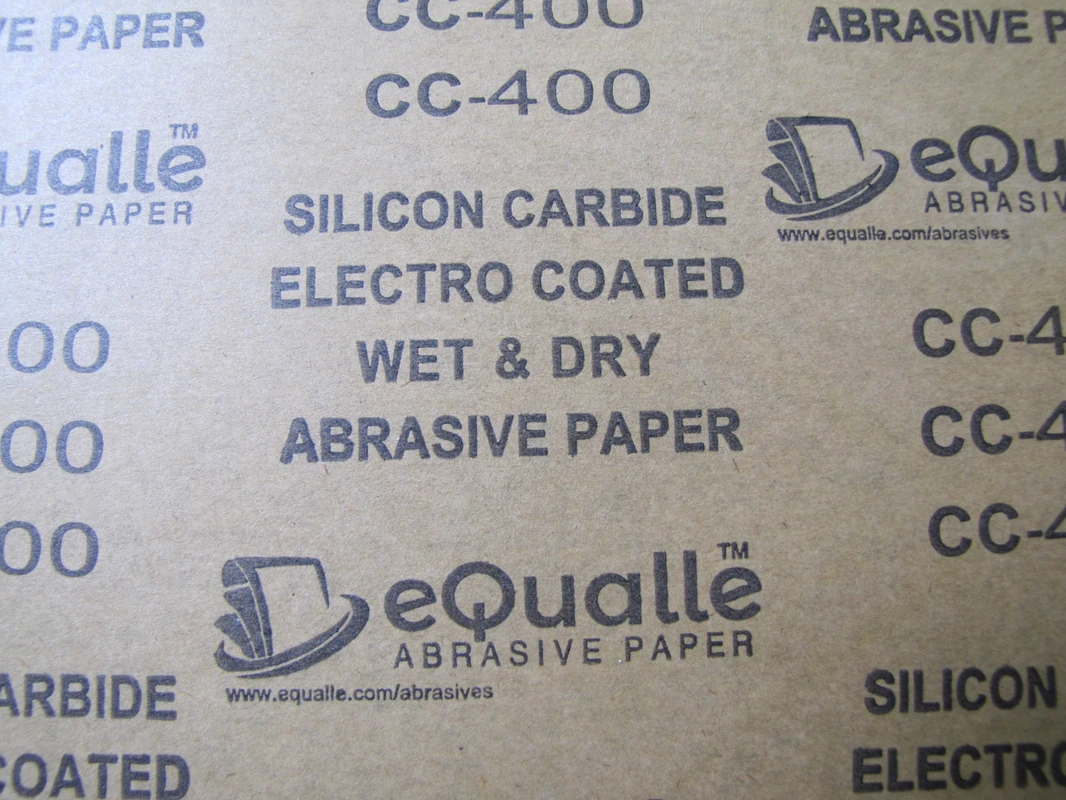
- Very Fine Grit (320-400): Perfect for wet sanding and preparing the surface for primer or paint.
Understanding these grit types ensures you choose the right sandpaper for each stage of the sanding process, crucial for achieving a smooth finish.
The Ideal Grit Sequence for Auto Body Sanding
Achieving a seamless auto body finish involves following a strategic grit sequence, each stage building on the last to refine the surface to perfection.
Step 1: Start with Coarse Grit
Begin with a coarse grit, such as 80-grit, to remove existing paint and level any surface imperfections. This grit is aggressive, making it effective for quickly cutting through layers but leaves behind scratches that need smoothing.
Step 2: Transition to Medium Grit
Once the surface is leveled, switch to a medium grit like 150-grit. This step smooths the scratches from the coarse grit and continues to shape the body filler, creating a more uniform surface.
Step 3: Smooth with Fine Grit
Next, use a fine grit, such as 240-grit, to further smooth the surface. This step prepares the auto body for primer by eliminating any remaining scratches, ensuring the primer adheres evenly.
Step 4: Finish with Very Fine Grit
Finally, finish with a very fine grit, typically 320-400 grit, for wet sanding. Wet sanding helps achieve a mirror-like finish by removing tiny surface imperfections and preventing dust buildup.
Auto Body Sanding: Practical Tips for Perfection
Tip 1: Use the Right Tools
Invest in quality sanding blocks or a dual-action sander for even pressure distribution. This prevents gouging and ensures consistent results across the surface.
Tip 2: Keep It Clean
Regularly clean the surface and your sandpaper. Dust and debris can cause scratches, undermining your efforts to achieve a smooth finish.
Tip 3: Don’t Rush the Process
Patience is key. Rushing through the grit sequence can result in missed imperfections and uneven surfaces that affect the final paint job.
Tip 4: Wet Sand for a Flawless Finish
Wet sanding with very fine grit reduces the risk of scratching and clogging, helping to achieve a smooth, high-quality finish.
Tip 5: Inspect Your Work
Regularly inspect the surface under good lighting to identify any areas that need more attention before moving to the next grit.
Why the Right Grit Sequence Matters
The importance of following the correct grit sequence cannot be overstated. Each step in the process builds on the last, gradually refining the surface to create a flawless base for primer and paint. Skipping steps or using the wrong grit can lead to a rough finish, poor paint adhesion, and even costly rework.
According to a sandpaper selection article, choosing the appropriate grit for each stage ensures optimal results and reduces the time and effort needed to achieve a professional finish.
Common Mistakes and How to Avoid Them
Mistake 1: Skipping Grits
Skipping grit steps can lead to deep scratches and uneven surfaces. Always follow the complete grit sequence to ensure a smooth finish.
Mistake 2: Using the Wrong Grit
Using a grit that’s too coarse or too fine for the task can damage the surface or leave it improperly prepared. Match the grit to the task at hand.
Mistake 3: Applying Uneven Pressure
Uneven pressure while sanding can create low spots or gouges. Use sanding blocks or a dual-action sander to maintain even pressure.
Mistake 4: Neglecting Wet Sanding
Wet sanding is crucial for a smooth, professional finish. Skipping this step can lead to visible scratches and imperfections in the paint.
Perfecting Your Auto Body Sanding Technique
Mastering the art of auto body sanding takes practice, patience, and attention to detail. By following the recommended grit sequence and incorporating practical tips, you can achieve a flawless finish that enhances the beauty and longevity of your vehicle’s paint job.
With the right tools and techniques, your auto body projects will reflect the skill and craftsmanship you’ve honed, turning every restoration into a stunning success.
Frequently Asked Questions (FAQ)
Q: What is the best grit sequence for auto body sanding before primer?
A: Begin with 80-grit, transition to 150-grit, then 240-grit, and finish with 320-400 grit for wet sanding.
Q: Why is wet sanding important in auto body work?
A: Wet sanding reduces scratches, prevents clogging, and achieves a smooth, high-quality finish.
Q: Can I skip grit steps to save time?
A: Skipping grit steps can lead to uneven surfaces and poor paint adhesion. Always follow the complete sequence for best results.
Q: How do I know if I’ve sanded enough before applying primer?
A: The surface should be smooth, free of scratches, and uniform in texture. Inspect under good lighting to ensure readiness for primer.
Q: What tools are essential for auto body sanding?
A: Quality sanding blocks or a dual-action sander are essential for even pressure and consistent results.