
Mastering Headlight Restoration: From Sanding to Coating
Imagine this: You’re driving down a winding road on a crisp autumn evening. The leaves are a kaleidoscope of colors, and the air is filled with the scent of wood smoke. It’s the perfect setting for a peaceful drive, but there’s one problem. Your headlights are dim and foggy, casting an underwhelming glow that barely pierces through the twilight. As the sun sets, you find yourself squinting to see the road ahead, the joy of your drive dimmed by the murky light.
Sound familiar? You’re not alone. Many car enthusiasts and everyday drivers face the same issue. Cloudy headlights not only diminish the aesthetic appeal of your vehicle but also pose a significant safety risk. The good news is, you don’t need to replace your headlights to regain their clarity. Headlight restoration is a craft that can breathe new life into your vehicle, making your night drives safe and enjoyable once again. And the best part? You can do it yourself with a little guidance and the right tools.
Quick Summary: Transform your cloudy headlights into crystal-clear beams with our comprehensive headlight restoration guide, covering every step from sanding to coating.
Understanding the Causes of Headlight Deterioration
Before diving into the restoration process, it’s crucial to understand why headlights become cloudy in the first place. Most modern headlights are made from polycarbonate plastic, which is durable yet porous. Over time, exposure to harsh sunlight, oxidation, and environmental contaminants can cause the plastic to degrade, leading to that unsightly cloudy appearance.
Why Polycarbonate?
Polycarbonate is chosen for its strength and impact resistance, crucial for protecting your headlights from road debris. However, it’s this same material that is prone to oxidation. The UV rays from the sun break down the outer layers, causing them to turn cloudy and yellow. This process not only affects the appearance but also reduces the amount of light emitted, compromising nighttime visibility.
Other Contributing Factors
- Environmental Contaminants: Dirt, grime, and road salt can accumulate on the surface, accelerating degradation.
- Humidity and Temperature Fluctuations: These can cause the plastic to expand and contract, leading to micro-cracks and surface dullness.
- Chemical Cleaners: Some harsh cleaning products can strip away protective coatings, hastening the oxidation process.
Essential Tools and Materials for Headlight Restoration
To achieve professional results in headlight restoration, having the right tools and materials is non-negotiable. Here’s what you’ll need:
Tools and Supplies
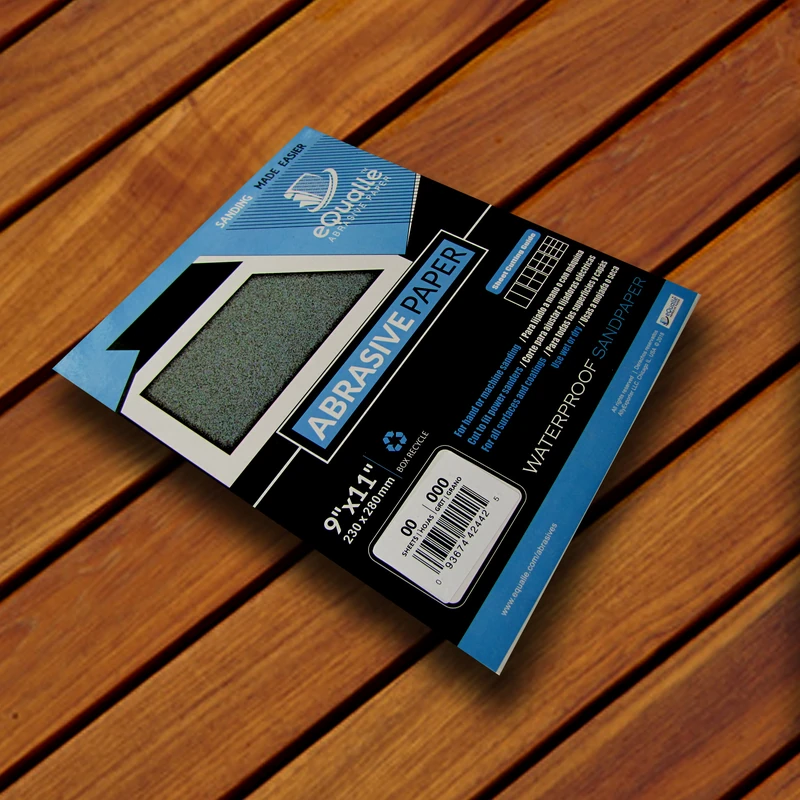
- Sanding Discs: A variety of grits, typically ranging from 400 to 3000, to progressively smooth the surface.
- Water Spray Bottle: Essential for wet sanding to prevent overheating and ensure a smooth finish.
- Microfiber Cloths: Soft and lint-free cloths for cleaning and drying.
- Masking Tape: To protect your car’s paintwork around the headlights.
- Polishing Compound: To refine the surface after sanding.
- UV Sealant or Protective Coating: To prevent future clouding and protect against UV damage.
Safety Gear
- Protective Gloves: To protect your hands from chemicals and abrasives.
- Safety Glasses: To shield your eyes from debris and splashes.
- Dust Mask: To avoid inhaling fine particles during sanding.
Step-by-Step Guide to Restoring Your Headlights
Now that you’re equipped with knowledge and tools, let’s get down to the nitty-gritty of headlight restoration.
Step 1: Preparation
- Clean the Headlights: Start by thoroughly washing your headlights with soap and water to remove any surface dirt. Dry with a microfiber cloth.
- Mask Off the Area: Use masking tape to cover the surrounding areas of your vehicle’s paintwork. This will protect it from accidental scratches during sanding.
Step 2: Wet Sanding
Wet sanding is the cornerstone of the restoration process, allowing you to remove the damaged layer of your headlights.
- Begin with Coarse Grit: Start with a 400-grit sanding disc. Spray water generously on the headlight and the sanding disc to lubricate. Sand in a horizontal motion.
- Progress to Finer Grits: Move to finer grits (600, 1000, 2000) as the cloudiness begins to disappear, ensuring each pass overlaps slightly with the previous one. Always keep the surface wet.
- Final Sanding: Finish with a 3000-grit disc for a smooth finish. The headlight should appear uniformly frosted at this stage.
Step 3: Polishing
Polishing restores the clarity by smoothing out the micro-scratches left by sanding.
- Apply Polishing Compound: Use a clean microfiber cloth or a polishing pad to apply the compound. Work in small circular motions.
- Buff the Surface: Use a little pressure and continue until the lens begins to clear up. Wipe with a clean cloth to check your progress.
Step 4: Applying a Protective Coating
The final step in headlight restoration is to apply a protective coating to seal in your hard work and prevent future oxidation.
- Choose a Quality UV Sealant: There are many products on the market. Opt for one that specifically lists UV protection.
- Apply Evenly: Follow the product instructions for application. Typically, it involves wiping the coating onto the headlight and allowing it to cure.
Maintaining Your Restored Headlights
After putting in the effort to restore your headlights, maintaining their clarity is essential to prolong their life.
Regular Cleaning
Clean your headlights regularly with mild soap and water. Avoid harsh chemicals that can strip away protective coatings.
Periodic Reapplication of Sealant
Depending on your environment, reapply the UV sealant every few months to ensure continued protection against UV rays and environmental factors.
Parking Considerations
Whenever possible, park in shaded areas or use a car cover to minimize UV exposure.
Headlight Restoration Tips for Better Results
Here are some additional tips to ensure your headlight restoration project is a success:
- Test on a Small Area First: If you’re new to headlight restoration, start with a less visible area to get a feel for the process.
- Keep It Wet: Always keep the headlights and sanding discs wet to prevent overheating and uneven sanding.
- Patience is Key: Don’t rush through the sanding stages. Properly sanding each grit level is crucial for a clear finish.
- Use Quality Materials: Investing in high-quality sanding discs and sealants can make a significant difference in the results.
- Inspect Your Work Frequently: Regularly wipe the headlight with a damp cloth to check your progress and ensure even sanding.
Frequently Asked Questions (FAQ)
Q: How long does the headlight restoration process take?
A: Typically, it takes about 1 to 2 hours, depending on the condition of the headlights and your experience level.
Q: Can I use toothpaste for headlight restoration?
A: Toothpaste can provide temporary results, but it lacks the durability and protective benefits of proper restoration products.
Q: How often should I restore my headlights?
A: With proper maintenance and UV protection, restoration should last 1-3 years. Reapply UV sealant regularly to extend results.
Q: Is professional headlight restoration better than DIY?
A: Both methods can yield great results. DIY offers cost savings, while professionals might provide convenience and experience.
Q: Can I skip the coating step after sanding and polishing?
A: Skipping the coating step may lead to faster re-oxidation. Applying a protective layer is crucial for lasting clarity.
Mastering headlight restoration not only enhances your vehicle’s appearance but also significantly improves safety. With this guide, you’re equipped to tackle the task confidently, ensuring your headlights shine brightly for many drives to come.