
Mastering Furniture Refinishing at Home
Imagine stepping into your living room and spotting that beloved wooden coffee table, an old family heirloom with memories etched into every scratch and scuff. You remember the many stories shared over it, the cups of coffee, and the laughter. But now, it’s showing the signs of time, its finish dull and worn. This is where the magic of furniture refinishing comes into play—a process that revives the beauty of your cherished pieces and breathes new life into them.
Refinishing furniture is not just a task; it’s a journey into craftsmanship, a chance to connect with the past while creating something fresh and new. It’s about rolling up your sleeves and getting your hands on the tools, feeling the wood grain under your fingers, and watching as a piece transforms right before your eyes. Whether you’re a seasoned DIY enthusiast or a curious novice, the art of furniture refinishing is accessible to all who are willing to invest time and care.
This guide is crafted to walk you through the entire process, from preparation to the final finish, ensuring that your furniture looks its absolute best. With step-by-step instructions and hands-on tips, you’ll gain the confidence to tackle any wooden piece in your home.
Quick Summary: Learn how to refinish furniture at home with expert guidance, covering preparation, sanding, staining, and finishing techniques.
Preparing Your Workspace for Refinishing
Before diving into the actual refinishing process, setting up your workspace is crucial. A well-organized and safe environment not only enhances efficiency but also ensures your safety.
Essential Tools and Materials
To begin, gather all necessary materials and tools. Here’s a list of essentials:
- Safety Gear: Dust mask, goggles, and gloves to protect against dust and chemicals.
- Tools: Screwdrivers, sandpaper (various grits), sanding block, and a power sander.
- Materials: Paint stripper, wood stain, paintbrushes, and a quality polyurethane finish.
Having everything within reach will streamline your process and prevent unnecessary interruptions.
Creating a Safe and Efficient Workspace
Choose a well-ventilated area, as fumes from chemicals like paint strippers and finishes can be hazardous. An open garage or a backyard space with a tarp is ideal. Ensure good lighting, as this will help you notice any imperfections in the wood.
Organizing Your Project
Disassemble any removable parts of the furniture, such as drawers and hardware. Label these parts to avoid confusion during reassembly. This step also makes sanding and finishing much easier.
Sanding: The Foundation of a Smooth Finish
Sanding is arguably the most critical step in furniture refinishing. It prepares the surface, ensuring the new finish adheres properly.
Choosing the Right Sandpaper
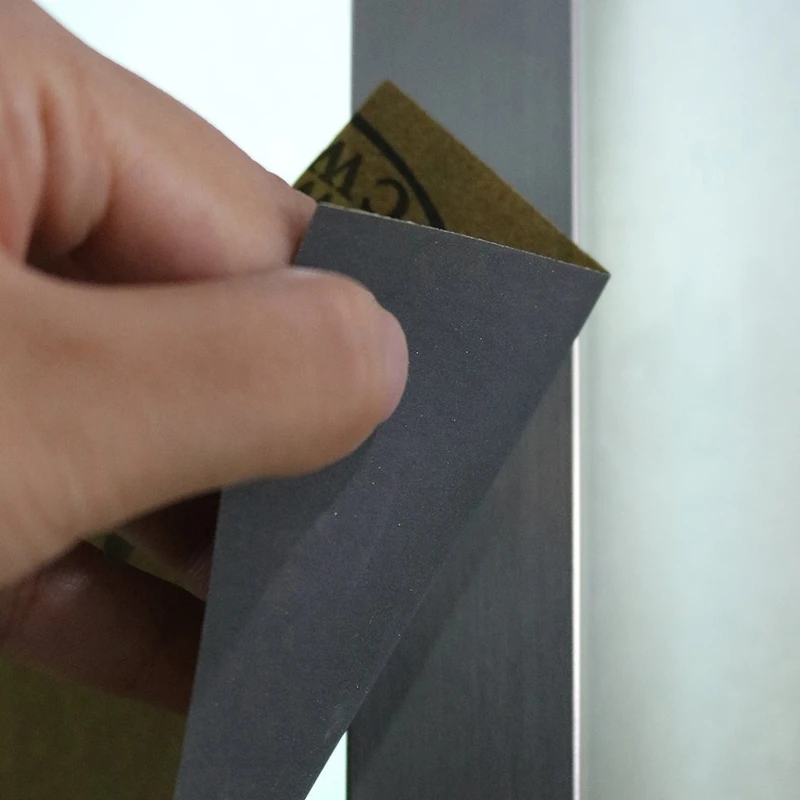
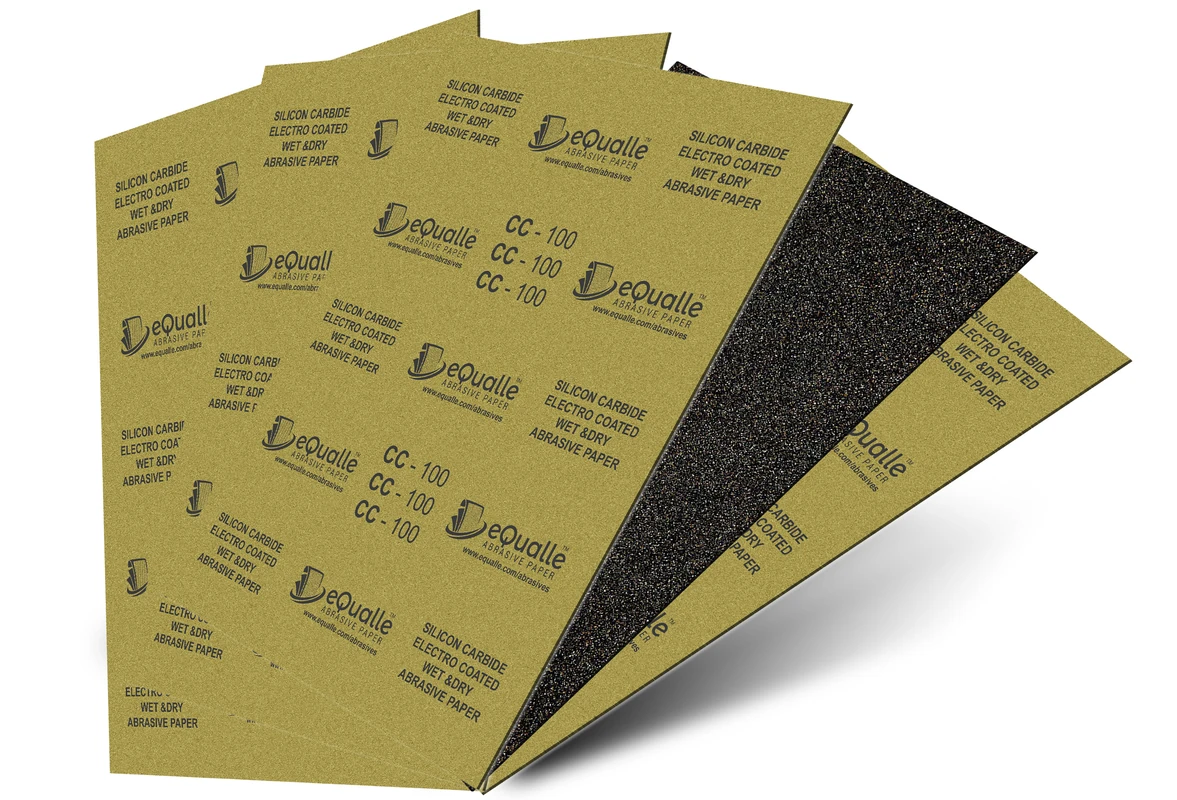
Start with a coarser grit sandpaper (around 80-grit) to remove the old finish and any surface imperfections. Progressively move to finer grits (up to 220-grit) for a smooth surface. Always sand in the direction of the wood grain to avoid scratches.
Mastering the Sanding Technique
Use a sanding block for flat surfaces and a power sander for larger areas. For intricate details and corners, hand sanding is best. Remember to wipe down the surface with a damp cloth between grits to remove dust and check your progress.
Tips for Effective Sanding
- Patience is Key: Rushing through sanding can lead to uneven surfaces.
- Feel as You Go: Your hands are excellent tools for detecting rough spots.
- Use Proper Pressure: Let the sandpaper do the work; pressing too hard can damage the wood.
Staining for Richness and Depth
Once the piece is sanded, staining adds color and depth, enhancing the natural beauty of the wood.
Selecting the Right Stain
Choose a stain color that complements the room and highlights the wood’s grain. Test the stain on a hidden area to see how it interacts with the wood.
Applying the Stain
Use a clean, lint-free cloth or a brush to apply the stain evenly. Work in manageable sections, and always follow the direction of the grain. Allow the stain to penetrate for a few minutes, then wipe off the excess with a clean cloth.
Tips for a Perfect Stain
- Test First: Always test the stain on a small, inconspicuous area.
- Even Application: Apply the stain evenly to avoid blotches.
- Layering: Multiple coats can deepen the color; ensure each coat is dry before applying the next.
Sealing and Finishing: The Final Touch
A finish is essential to protect your work and give the furniture a polished look.
Choosing the Right Finish
Polyurethane is a popular choice for its durability and water resistance. It comes in different sheens—choose one that suits the look you’re aiming for, whether it’s matte, satin, or glossy.
Applying the Finish
Apply the finish in thin, even coats using a high-quality brush. Sand lightly between coats with fine-grit sandpaper (320-grit) once dry, and wipe away any dust before applying the next coat.
Tips for a Professional Finish
- Thin Coats: Multiple thin coats are better than one thick coat.
- Avoid Bubbles: Stir, don’t shake the finish, to avoid bubbles.
- Cure Time: Allow ample time for the finish to cure fully before using the furniture.
Frequently Asked Questions (FAQ)
Q: How long does the furniture refinishing process take? A: The entire process can take several days, depending on drying times for stains and finishes, but plan for at least a weekend.
Q: Can all types of wood furniture be refinished? A: Most wooden furniture can be refinished, but veneer or laminate surfaces require special considerations and techniques.
Q: What should I do if I make a mistake during refinishing? A: Sanding can often correct minor mistakes. If the stain is uneven, reapply and wipe off excess quickly.
Q: Is it necessary to remove all old finish before refinishing? A: Yes, removing the old finish ensures the new stain and finish adhere properly, enhancing durability and appearance.
Q: Can I use a different finish than what was originally on the furniture? A: Yes, but ensure the new finish is compatible with the wood type and desired durability.
With this guide in hand, you’re well-equipped to tackle your furniture refinishing project. Embrace the process, and enjoy the satisfaction that comes with reviving a piece of furniture to its former glory.