
Mastering Trim Sanding for Perfect Paint Finish
Picture this: it’s a sunny Saturday afternoon, and you’re finally tackling that home improvement project you’ve been putting off. You’ve set your sights on the dated, chipped trim in your living room, envisioning a fresh coat of paint to breathe new life into the space. But as you stand there, sandpaper in hand, you might find yourself pondering, “What grit should I use to sand interior trim before painting?”
This seemingly small decision can make a significant impact on the final outcome. Using the right grit sandpaper is crucial for achieving a smooth, professional-looking finish. It’s about taking the time to prepare properly, ensuring that the paint adheres well and the result is nothing short of stunning. The journey from rough, worn trim to a pristine, painted masterpiece can be incredibly satisfying, and I’m here to guide you through each step.
In this comprehensive guide, I’ll share hands-on tips and practical advice that will empower you to make informed decisions and achieve the best results in your sanding and painting endeavors. So, let’s dive into the world of trim sanding and unveil the secrets to a flawless paint finish.
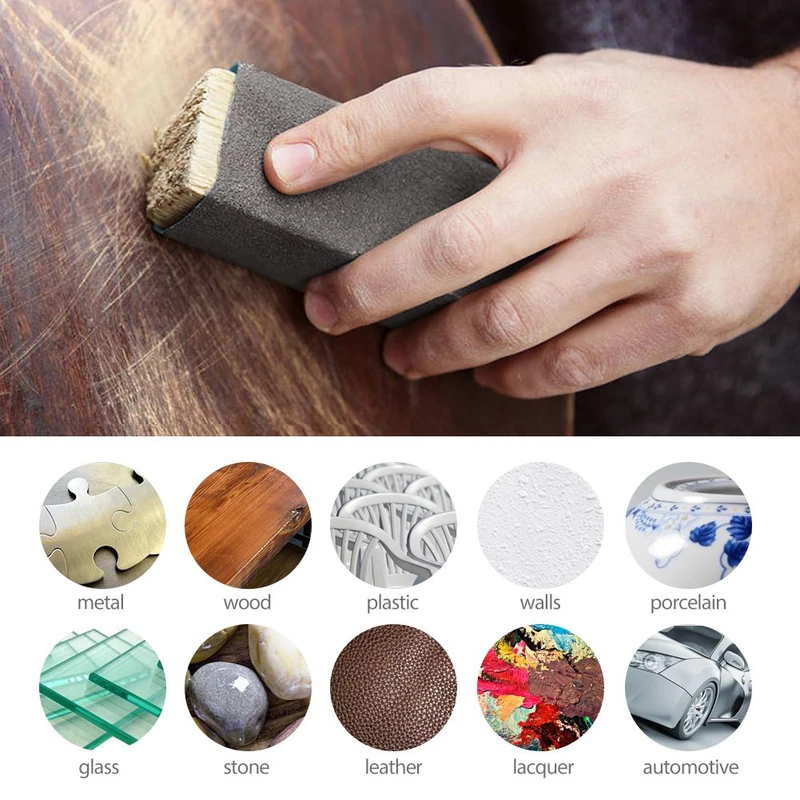
Quick Summary: Achieving a perfect paint finish on trim starts with selecting the right sandpaper grit, preparing the surface meticulously, and employing proper sanding techniques.
Understanding the Basics of Sanding
Sanding is a vital part of the preparatory process when painting interior trim. It helps to smooth out imperfections, remove old finish or paint, and create a surface that the new paint can adhere to effectively. But before you rush into sanding, it’s essential to understand the basics.
Types of Sandpaper Grit
Sandpaper is categorized by its grit size, which indicates the roughness or fineness of the abrasive material. Here’s a quick rundown:
- Coarse (40-60 grit): Best for heavy removal of material, such as old paint or rough surfaces.
- Medium (80-120 grit): Ideal for smoothing surfaces and removing minor imperfections.
- Fine (150-180 grit): Suitable for final preparation before painting, providing a smooth surface.
- Very Fine (220 grit and above): Used for final touches to achieve a super-smooth finish.
Selecting the Right Grit for Interior Trim
For interior trim, starting with a medium grit like 120 is generally recommended, especially if the surface is in good condition. This grit removes old finishes and smooths out minor imperfections. If the trim is particularly rough or has layers of old paint, begin with a coarser grit, such as 80, before moving to finer grits for a polished finish.
Practical Tip: Test Before You Commit
If you’re unsure which grit to start with, test on a small, inconspicuous area of the trim. This will help you gauge the effectiveness without risking noticeable damage.
Step-by-Step Guide to Trim Sanding
Now that you know the basics, let’s delve into the practical steps for sanding trim effectively.
Step 1: Gather Your Materials
Before you begin, make sure you have all the necessary materials:
- Sandpaper (80, 120, and 220 grit)
- Sanding block or electric sander
- Dust mask and safety goggles
- Tack cloth or damp rag
- Drop cloths to protect the floor
Step 2: Prepare the Area
Clear the area around the trim and lay down drop cloths to catch dust and debris. Ensure adequate ventilation by opening windows or using fans.
Step 3: Begin with Coarse Sanding (if needed)
If the trim has a rough surface or multiple paint layers, start with 80-grit sandpaper. Use a sanding block or electric sander for even pressure and control. Sand in the direction of the wood grain to avoid scratches.
Step 4: Smooth with Medium Grit
Once the surface is even, switch to 120-grit sandpaper. This grit will smooth out any remaining imperfections and prepare the surface for painting.
Step 5: Finish with Fine Sanding
Finally, use 220-grit sandpaper for a silky-smooth finish. This step ensures the trim is perfectly smooth and ready for priming and painting.
Step 6: Clean Up
After sanding, use a tack cloth or damp rag to remove all dust from the trim. This step is crucial for ensuring that the primer and paint adhere properly.
Key Techniques for Effective Trim Sanding
Sanding might seem straightforward, but mastering certain techniques can elevate the quality of your work.
Consistent Pressure
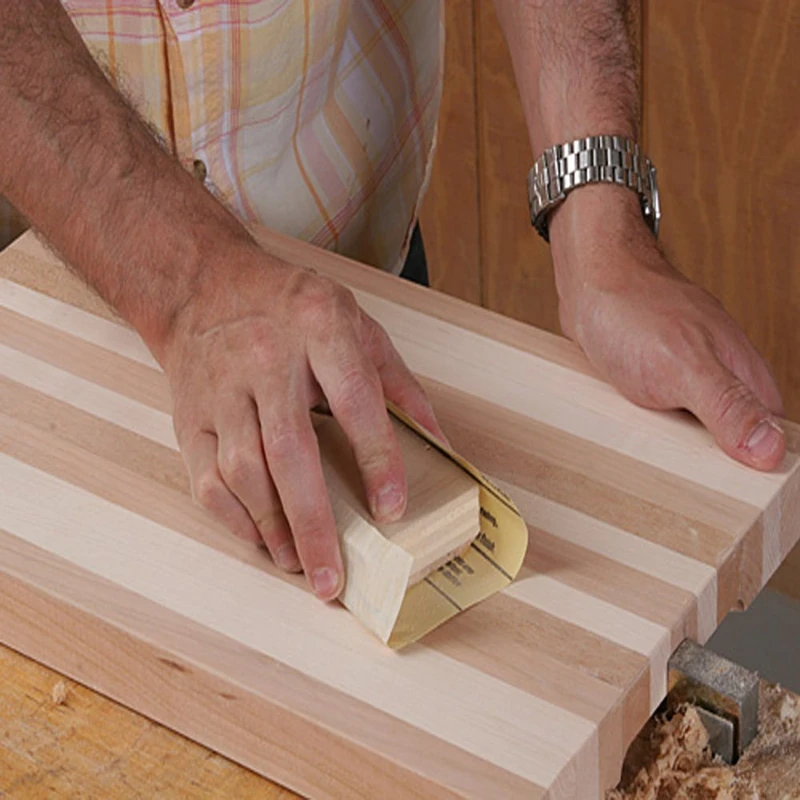
Apply consistent pressure when sanding. Uneven pressure can lead to an uneven surface, affecting the final paint job. A sanding block helps maintain even pressure, especially on flat surfaces.
Circular Motion for Tough Spots
For stubborn areas or curved sections, use a circular motion. This technique helps reach difficult spots without damaging the trim.
Breaks and Patience
Take regular breaks to assess your progress. Sanding can be tiring, and fatigue might lead to mistakes. Patience is key to achieving a professional finish.
Trim Sanding: Common Mistakes and How to Avoid Them
Even experienced DIY enthusiasts can fall victim to common sanding mistakes. Here’s how to avoid them:
1. Skipping Grits: Jumping from a coarse grit to a fine grit can leave scratches. Progress through grits gradually.
2. Over-Sanding: Sanding too much can damage the trim, especially with coarse grits. Stop once the surface is smooth.
3. Ignoring Dust Clean-Up: Dust can interfere with paint adhesion. Always clean thoroughly after sanding.
When to Call a Professional
While sanding and painting trim can be a rewarding DIY project, there are times when calling a professional is the best option. If your trim is intricately detailed or you lack the necessary tools and experience, a professional can ensure a flawless finish without the stress.
According to a Sherwin-Williams article, a professional can also offer insights into the latest products and techniques, ensuring your trim looks its best.
Frequently Asked Questions (FAQ)
Q: What grit should I start with for trim sanding?
A: Begin with 120-grit if the trim is in good condition. For rough or painted surfaces, start with 80-grit.
Q: Do I need to sand between coats of paint?
A: Lightly sand with 220-grit between coats to ensure smoothness and adhesion.
Q: Can I use an electric sander for trim?
A: Yes, an electric sander is efficient for flat surfaces, but be cautious on detailed areas.
Q: How can I prevent dust from affecting my paint job?
A: Use a tack cloth to remove dust and ensure the area is well-ventilated during sanding and painting.
Q: Is it necessary to sand new trim?
A: Yes, even new trim benefits from light sanding to remove any mill marks and improve paint adhesion.
By following these guidelines and tips, you’ll be well on your way to achieving a flawless paint finish on your interior trim. Happy sanding!