
Bubble-Free Perfection with PSA Sanding Discs
The first time I realized a tiny air bubble could ruin an entire finish, I was staring at a walnut tabletop under raking light. It was early Saturday, the shop still cool from the night, and my coffee hadn’t even hit lukewarm. I’d just switched from a 120-grit PSA disc to 180 to chase out swirl marks. The sander spun up, felt a little wobbly, and within 30 seconds I’d carved a faint, ghostly halo into the surface. Not a crater—just a subtle distortion that caught the light like a fingerprint. I pulled the disc back and saw it: a pea-sized bubble two inches off center. That tiny pocket of air had turned my random orbit into a tiny hammer.
If you work wood, metal, or paint, you’ve felt this pain. That feeling when a fresh disc refuses to lay dead flat, or when an edge lifts after a few minutes, or when you peel a disc and the pad’s foam face comes with it. It’s not bad luck; it’s technique, prep, and temperature. Applying psa sanding discs without bubbles isn’t magic—it’s a repeatable process. And once you get it right, the payoff is immediate: a sander that runs truer, discs that last longer, and finishes that simply look better.
I’ve installed thousands of discs in shops where we can’t afford to lose five minutes to fussing with adhesive. The little rituals matter: how clean the pad is, the way you “hinge” the liner, how warm the adhesive is, even how you align your holes. Those micro-choices decide whether you sand or you fight the machine all day. Today, I’ll show you exactly how I get zero-bubble adhesion in a home shop or a high-output cabinet shop, step by step, plus a few tricks that will save your pads, discs, and nerves.
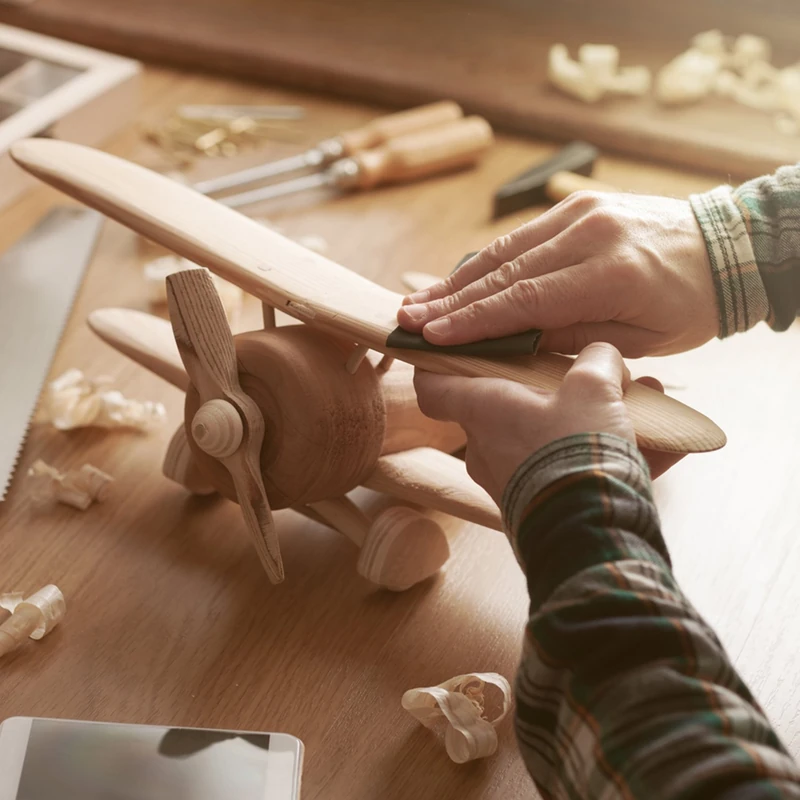
Quick Summary: Warm, clean, align, hinge the liner, press from center out with firm rolling pressure, then rest the disc—do that and bubbles don’t stand a chance.
The Bubble Problem, Shop Reality
Let’s name what’s happening when bubbles show up under a disc. PSA (pressure-sensitive adhesive) bonds under pressure, not solvent evaporation. But it needs intimate contact—no dust, oils, or cold glue. Foam backing pads aren’t perfectly rigid; they flex and carry small waves. When you slam a full-size disc onto a curved or imperfect surface all at once, you seal in air. That trapped bubble doesn’t just look bad; it changes the disc’s balance and loading. You end up with vibration, premature edge wear, heat buildup, and swirls.
Edge lift is the sister problem. If the disc is misaligned or stretched, the edge sees peel forces. A DA or ROS sander loves to peel edges when you tilt it, and once an edge lifts, dust rides under the disc like marbles. You feel the machine skating, and the work shows it.
In the real world, bubbles tend to appear near dust-extraction holes, at the outer third of the pad, and anywhere the pad face has dents or adhesive residue. Another common cause is cold adhesive. A disc that’s been stored in a garage at 50°F (10°C) feels stiff; it doesn’t wet the pad well and traps microbubbles. Also consider contamination: hand oils, silicone from polish or tack rags, even certain shop wipes leave residues that PSA hates.
The fix is simple: treat the pad like a finishing surface. Get it clean, flat, and slightly warm; align accurately; and install with controlled, progressive pressure from the center out. The technique takes an extra minute, but you’ll get that time back with every pass you sand because the machine runs smoother, the dust extraction improves, and you stop wasting discs.
Choosing pads and psa sanding discs
Not all pads and discs behave the same. Foam density, pad face material, and disc backing all affect how easily bubbles form and how well a disc stays stuck. Start by matching the right pad to the job:
- Hard vs. soft pads: Hard backing pads excel at flatting panels and reduce the “wave” that traps air. Soft pads follow contours but need more careful application to stay bubble-free.
- Vinyl vs. hook face: Pads intended for PSA have vinyl or plain faces. Hook-and-loop pads aren’t for PSA—if you stick a PSA disc on hooks, you’ll melt or tear them off in hours.
- Hole patterns: PSA discs can be solid or holed. If yours are holed, align them to your pad pattern to avoid dead zones in dust extraction that can lift edges.
Disc quality matters too. Higher-quality PSA discs have uniform adhesive film, a flat release liner, and consistent backer stiffness. Cheap discs often have wavy liners or thin glue that “orange-peels” on application. I’ve had budget discs literally curl themselves into bubbles on warm days.
Select the right abrasive backing weight. Heavier paper (C/D-weight) tends to lay flatter, while thin backings telegraph pad imperfections. On metalwork, film-backed PSA discs lie extremely flat and resist edge tear; they’re great for bubble-free adhesion.
If you switch grits often, consider using an interface plate dedicated to PSA. It’s an inexpensive sacrificial layer you can replace when glue build-up happens. For heavy shop use, keep two pads: one for PSA and one for hook-and-loop. Mixing formats on one pad shortens its life and complicates clean application.
Finally, disc size matters. A 6" disc on a true 6" pad is ideal. Using slightly undersized or oversized discs increases edge peel. Stick with matched diameters and reputable brands. You’ll feel and see the difference after a single session.
Prep Like a Pro: Clean, Flat, Warm
If a disc fails, nine times out of ten the pad wasn’t prepped. Treat pad prep as part of your grit change; it’s two minutes well spent.
- Remove the old disc carefully: Warm it slightly with a heat gun or hair dryer on low. Peel at a low angle, pulling back on itself to reduce peel stress on the pad. If adhesive residue remains, do not gouge it off.
- De-gunk the pad: Use a lint-free cloth with 90–99% isopropyl alcohol to remove adhesive and oils. Citrus-based adhesive removers also work, but follow with alcohol to remove any oily film. Avoid acetone on foam—it can soften or melt it.
- Inspect the face: Check for chunks, dents, or foam tears. Minor dents telegraph as bubbles. If the face is damaged, swap pads or add a thin hard interface to restore a flat surface.
- Dust-extraction holes: If your pad uses holes, blow them out with compressed air from the back side to prevent debris from sitting proud on the face.
- Warmth matters: Bring both pad and disc to 68–86°F (20–30°C). Cold PSA is stiff and traps microbubbles; overly hot adhesive turns slippery and creeps. Room temp is perfect. In winter, set discs near a safe heat source for a few minutes or keep them in the house overnight.
Mark center and hole alignment before you apply. Two quick ways:
- Use a 1/8" drill bit or dowel as a temporary pin through a center hole (if your pad has one).
- Draw a crosshair on the disc’s release liner from the factory center marks. Do the same on your pad with a pencil. Line them up during install.
According to a article, minimizing trapped air is less about speed and more about systematic pressure from the center outward—exactly what we’ll do next.
Apply Without Bubbles: Step-by-Step
Here’s the reliable method I teach apprentices—the “hinge and roll” technique. It’s fast and it works on 5", 6", and 8" discs, holed or solid.
Tools you’ll need
- Lint-free cloth and alcohol
- A small laminate roller or brayer (a clean J-roller is perfect)
- Optional: a strip of clean wax paper
Step-by-step
Dry fit and align: With the release liner still on, place the disc over the pad to see your alignment. If holed, align the patterns. If solid, use your center marks.
Create a hinge: Peel back 1–2 inches of the liner along the edge and fold the liner under the disc to expose a narrow band of adhesive. Alternatively, lay a 1–2 inch strip of wax paper between the disc and pad, then peel it out as you go.
Tack the hinge edge: With the pad flat on the bench, align carefully and stick the exposed adhesive edge down, making sure it’s straight. This is your hinge. Lift the free side slightly like a book cover.
Press from the center out: Starting at the center line near the hinge, use your fingers to press a small “squeegee” wave outward. Work in a slow arc, pushing air to the free edge.
Roll and reveal: As you work, slowly pull the liner (or wax paper) back 2–3 inches at a time, following with firm pressure from center to edge. Think of it like laying contact paper; you never allow a wide open gap where air can pool.
Edge lock: Once the full disc is down, use the roller with assertive pressure from center to edge in overlapping passes. Don’t roll in circles; you want straight strokes to force out any last microbubbles.
Rest time: Let the adhesive wet the pad for 5–10 minutes before sanding. This short dwell boosts bond strength and keeps the edge from creeping once the sander heats up.
Pro tips
- If you spot a small bubble: Use a fresh pin to vent it on the bubble’s edge, then roll hard from center through the pinhole. Don’t slash the disc; a tiny pinhole won’t affect performance.
- For stubborn pads: Place a flat plate (MDF offcut) over the disc and clamp lightly around the perimeter for a few minutes. Uniform pressure helps PSA flow into microtexture on the pad face.
- Keep your hands clean: Wear nitrile gloves; skin oils do transfer to the adhesive.
Troubleshooting, Fixes, and Reuse
Even with perfect technique, real shops throw curveballs. Here’s how I diagnose and fix common issues, and what I do when a disc needs to come off and live another day.
Edge lift within minutes
- Likely cause: Misalignment or dusty edge on the pad, or sanding with heavy tilt pressure.
- Fix: Stop immediately. Warm the lifting area gently and roll it down. If it still lifts, remove and reapply with fresh alignment. Check that your dust holes aren’t blowing directly under the edge if you’ve misaligned a holed disc.
Persistent center bubble
- Likely cause: You pressed the perimeter first or the pad face is cupped.
- Fix: Remove the disc and check pad flatness with a straightedge. If cupped, use a hard interface pad under the disc or replace the pad. Reapply using hinge method with extra center pressure.
Wavy adhesion, “orange peel” look
- Likely cause: Cold adhesive or uneven pressure during install.
- Fix: Warm both parts to room temp. Roll aggressively. If waves remain, the disc may be defective—swap it out.
Disc flies off under heat
- Likely cause: Overheating from excessive pressure, clogged abrasive, or a contaminated pad face reducing bond.
- Fix: Reduce applied pressure, clean discs often, and keep the pad face oil-free. Once a disc has blown off, its adhesive is usually done—don’t trust it on high speeds again.
Removing and saving a disc
- Warm the disc slightly and peel back on itself at a low angle. Immediately stick it onto a clean release liner (save them!) or a piece of silicone baking sheet.
- Label the liner with grit and hours used. Stored flat in a zip bag, a partially used disc can be reused for rough work.
- Caution: Reused discs don’t bond as strongly. I reserve them for low-speed or hand-backed work, not for high-heat, high-pressure passes.
When to retire a pad
- If the pad face has bald spots, torn foam, or won’t hold discs without bubbles, it’s time. A tired pad costs you more in ruined finishes and wasted discs than a replacement ever will.
- Keep a spare pad in the drawer. When jobs stack up, downtime is the real enemy.
Care, Storage, and Safety
Good habits keep your discs flat and your pad healthy. A little organization goes a long way.
Storage best practices
- Keep discs in their original boxes or binder sleeves, lying flat. Avoid leaning stacks that curl the edges.
- Store between 60–80°F (16–27°C), away from direct sun. Heat warps backers and softens adhesive.
- Keep the release liner with partially used discs. Never set a sticky disc face-down on paper dust—it’ll embed, and you’ll sand paper into your work next pass.
Pad care
- Wipe the pad face with alcohol after every third disc change or whenever you see residue. Let it dry fully before reapplying.
- Don’t lay the sander face-down on a dusty bench. Park it on a clean pad saver or hang it.
- Replace pad screws and centering rings as needed. Slop in the mount translates to vibration and peel stress at the edge.
Sanding technique that saves discs
- Let the abrasive cut. Heavy downward pressure doesn’t speed you up; it just creates heat and shear on the adhesive.
- Keep the machine flat. Tipping forward puts 80% of the load on the front edge, causing peel and bubbles.
- Clean loaded discs with a crepe block or switch grits before they burnish. Heat is the adhesive’s enemy.
Safety notes
- Avoid solvent fumes when cleaning pads. Alcohol is flammable; ventilate and let the pad dry.
- Nitrile gloves and eye protection are your friends when you’re using heat guns and sharp pins to vent tiny bubbles.
- Check dust extraction. Poor airflow raises heat and loads discs. A clean filter and aligned holes make everything work better.
Stop Melting Your — Video Guide
Ever wonder why discs suddenly let go or why hook-and-loop pads seem to “melt”? A smart breakdown uses microscopic views to show how heat and friction chew up sander pads and adhesives. It explains how heavy pressure and clogged abrasives spike temperatures, softening adhesives and rounding hooks, which in turn makes discs fly off mid-pass.
Video source: Stop Melting Your Hooks (why sanding discs fly off your sander)
240 Grit Sandpaper Sheets (100-pack) — 9x11 in Silicon Carbide Abrasive for Wet or Dry Use — Smooth-cut abrasive for soft blending, de-nibbing, and light surface preparation before polishing or coating. (Professional Grade).
Frequently Asked Questions (FAQ)
Q: Do I need special tools to apply PSA discs without bubbles?
A: No special tools, but a small laminate roller or brayer makes a big difference. Combine that with alcohol for pad cleaning, a pencil for alignment marks, and optionally a strip of wax paper to help you “hinge” the application and push out air.
Q: Can I use tack cloths before sticking the disc?
A: Avoid traditional tack rags—they can contain wax or silicone, which interferes with PSA. Use a lint-free cloth with isopropyl alcohol instead, then let the pad dry completely before application.
Q: What temperature is best for applying PSA discs?
A: Room temperature is ideal: 68–86°F (20–30°C). Below 60°F (16°C), the adhesive stiffens and traps air; above 90°F (32°C), it can get slippery and creep, leading to edge lift.
Q: How do I align holed discs accurately?
A: Dry fit first, then use a “hinge” by sticking a narrow band of the edge. Pivot to align holes, and press from center outward while peeling the liner in stages. Some pros use 1/8" dowel pins in two holes for perfect registration—just remove them before final roll-down.
Q: Is it OK to poke a bubble with a pin?
A: Yes, for small bubbles. Vent at the bubble’s edge with a clean pin, then roll firmly from center through the pinhole. This relieves trapped air without compromising the disc. If bubbles keep forming, re-clean the pad or replace it.