
Best Sanding Sponge Grits for Trim and Profiles
The first time you notice your trim is when it looks wrong. It might be the sunlight clipping across a paneled door at mid-morning, suddenly revealing raised brush lines, tiny dust nibs, and a few mystery divots at the chair rail. Or maybe it’s the crown molding you’ve always loved, now dulled by a hundred handprints and the quiet scrapes of a step ladder. That’s the moment: when care meets craft. You want your woodwork to feel clean and precise, to show off the curves and profiles rather than the flaws. And that’s when a simple, overlooked tool quietly becomes essential—the sanding sponge.
Unlike sheets or random orbit discs, a good sanding sponge wraps itself around detail. It gets into the cove of a baseboard, follows the bead on casing, and evens out layers without flattening edges. It’s not flashy; it’s tactile, intuitive, and satisfying, turning rough paint into a surface that invites your fingertips. If you’ve ever felt your roller slide just a bit better after a quick sand, or watched primer lay down smoother after knocking back raised grain, you already understand the payoff.
Choosing the best grit for trim and profiles is where the magic happens. Too coarse and you’ll cut corners literally—softening details you paid to install. Too fine and you’ll polish over problems, trapping them beneath paint. Grit isn’t just a number—it’s a sequence, a strategy, and a promise that the finish will look as good from two feet as it does from ten. In this guide, we’ll break down ideal grit ranges, sponge shapes, and smart techniques so you can handle everything from pre-priming prep to between-coat nib removal with confidence and control.
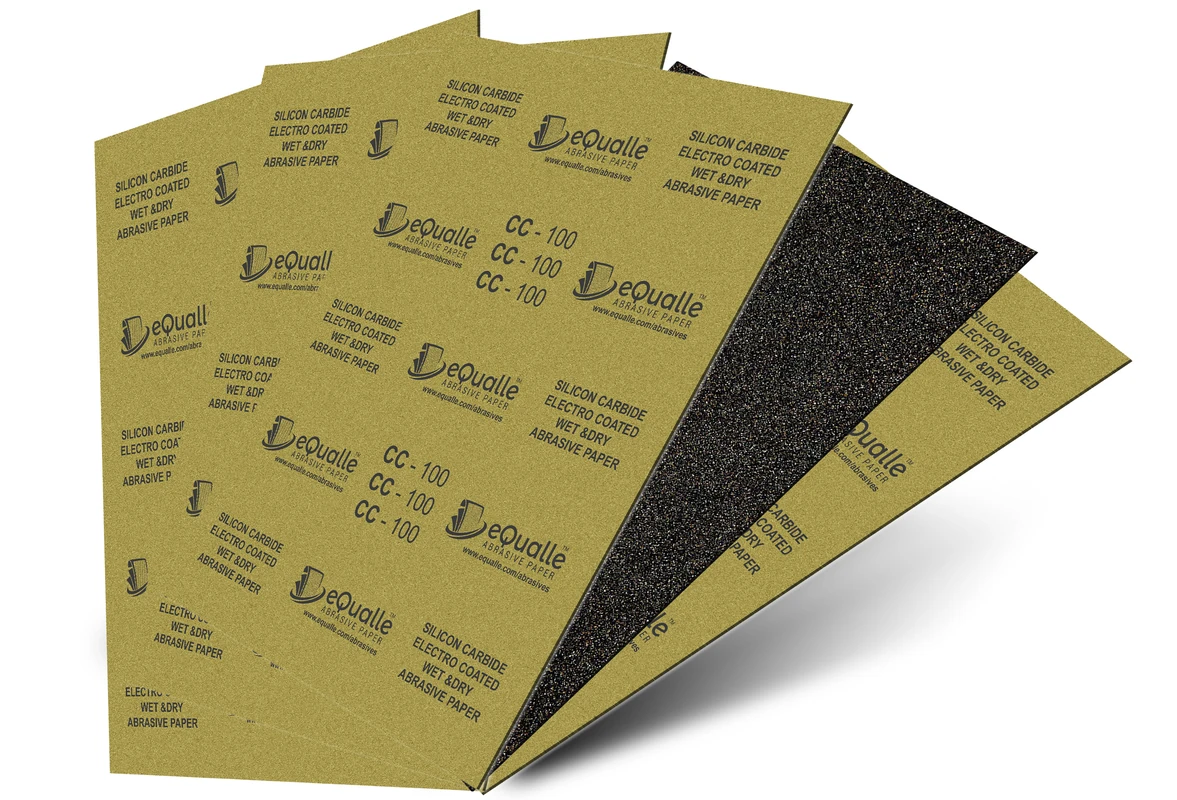
Quick Summary: Use coarse grits to correct, mid grits to prepare, and fine grits to perfect—paired with the right sanding sponge shape and flexible feel for curves and edges.
Why Trim and Profiles Need Special Grits
Trim lives in the world of touch and light. Door casings, baseboards, crown, wainscoting, and window stools have profiles designed to catch highlights and deepen shadows. That same complexity makes them tricky to sand. Flat abrasives can cut ridges into curves, leave flat spots on beads, or miss the creases where dust and old paint gather. The goal is to refine without altering the geometry—that’s why grit choice matters so much.
Think of grits in three roles. Coarse grits (60–100) are corrective. They knock down heavy brush marks, remove stubborn drips, and level seams in filler. Use them sparingly on trim, and only where you need shape correction or aggressive removal. Mid grits (120–180) are preparatory. They break gloss, blend patched areas, and open the surface for primer to bond. Fine grits (220–320+) are perfecting. They smooth raised grain after priming, remove tiny defects between coats, and help your topcoat flow evenly. For most interior trim, you’ll live in the 120–220 range, stepping up or down as defects demand.
Profiles add another wrinkle: pressure. On a cove or ogee, the pressure concentrates at the contact point. With a rigid block, that pressure can dig in. A flexible foam sanding sponge spreads the force more evenly while still conforming to curves. You can “roll” across the detail rather than scraping it, which keeps crisp transitions intact. Use the edge to target a line of caulk or a bead; use the face to feather a patch; flip to the corner to reach tight inside curves.
One more factor: coatings. Enamel and lacquer harden differently than latex; stained trim behaves differently than painted MDF. Harder coatings can justify a slightly coarser starting grit to cut through the glaze, but always test in a small area first. Your target is consistent feel and uniform dullness—clearly scuffed but not scored—so the next coat adheres and lays down flat.
Choosing a sanding sponge by grit range
Selecting a sanding sponge is partly about grit numbers, partly about how the sponge carries that grit. Foam density, abrasive type, and open vs. closed coat all shape the bite and the feel. Start with the outcome you want: fixing, prepping, or perfecting.
- Correcting (heavy drips, runs, proud filler): 80–100 grit sponge, medium-density foam. Use deliberate, short strokes, and stop as soon as the defect is flush with the surround. Immediately follow with 150–180 to remove coarse scratches.
- Prepping (scuff-sanding glossy trim for primer or topcoat): 120–150 grit, flexible foam. Aim for an even, matte scuff. Avoid camping out on edges; let the sponge conform and glide.
- Perfecting (between coats, raised grain, dust nibs): 220–320 grit, soft foam. Two light passes are usually enough. Over-sanding can reduce film build and dull sheen irregularly.
- Ultra-fine polishing (high-gloss enamel final rub): 400–600 grit or micro-finishing sponge. Use a very light touch, then wipe clean and apply the finishing coat.
Actionable tips:
- Map defects first: Use a pencil to circle flaws before sanding. Erase the pencil with your last pass; if circles remain, you’re not done.
- Sequence matters: Don’t skip more than one grit step when moving finer (e.g., 120 → 180 → 220). It prevents telegraphed scratches.
- Pressure check: If your fingerprints appear in the foam, you’re pressing too hard. Let the grit, not your arm, do the cutting.
- Feather with the face, detail with the edge: Keep edges crisp by using the broad face to blend and only the edge for targeted work.
A note on abrasives: Aluminum oxide is a solid general-purpose choice for painted wood and MDF; silicon carbide cuts faster and is great for harder coatings and between-coat refinement. For waterborne finishes, open-coat sponges shed dust better and resist clogging; for oil-based, clean the sponge frequently to prevent loading and streaking.
Shapes, Edges, and Flex Matter
Profiles are theatre for light, and every curve deserves the right tool. Not all sanding sponges are the same shape, and that matters more on trim than on flat work. Consider three features: shape, edge, and flexibility.
Shape: Standard rectangular sponges handle 80% of tasks, especially feathering, scuff-sanding flats, and easing transitions. For complex trim—like ogees, coves, bullnoses, and beaded profiles—contoured or dual-edge sponges shine. A dual-edge design with a concave and angled side can sit inside a cove or ride an arris with reliable contact. According to a article, dual-profile sponges are engineered to create and refine concave, edge, and bevel shapes using a single tool—helpful when your room mixes multiple trim styles.
Edge: A crisp edge helps you target a single line without touching neighboring paint. But sharp edges can also gouge if you dig. Use the edge as a guide, not a blade; lightly “roll” it along the detail. If your sponge has softened corners from use, save it for feathering and grab a fresher sponge for precision lines.
Flex: Foam density dictates how the sponge hugs curves. Softer foams conform readily but can round over details if you press too hard; denser foams keep planes flat but may skip over low spots. Many pros keep two on hand: a soft, fine-grit sponge for profiles and a medium-density sponge for flats and filler leveling. Test the flex by pinching the sponge: if it rebounds slowly and collapses easily, it’s a good candidate for delicate profiles; if it resists, reserve it for flat areas and aggressive correction.
Finally, think about accessibility. Narrow sponges and thinner pads slip behind hardware or into tight inside corners. For louvered doors and window grilles, consider slim, flexible pads you can wrap around a dowel. And for repetitive profiles, a handful of custom-shaped blocks (cork, rubber, or 3D-printed forms) wrapped with sponge cutoffs can save time while protecting geometry.
Pro Steps for Flawless Trim Finishes
Good trim work is a sequence. The right sanding sponge and grit at each stage turn “pretty good” into “wow, that’s clean.” Here’s a proven workflow you can adapt to paint, enamel, or clear finishes.
- Prep and protection
- Mask floors and walls with good tape; lay a drop cloth you can slide.
- Vacuum the trim thoroughly; dust dulls abrasives and scratches finishes.
- Mark problem areas with a pencil—runs, dents, lifted grain, caulk gaps.
- Correct and shape
- Level defects with 100–120 grit on a medium-density sanding sponge. Keep strokes short and controlled. If you hit bare wood or MDF, feather out 2–3 inches beyond to avoid a halo.
- Refill where needed. Let filler or caulk cure completely before re-sanding.
- Uniform scuff
- Switch to 150–180 grit for a consistent scuff over all surfaces. Aim for even dullness; shiny patches indicate poor adhesion for the next coat.
- On profiles, use the sponge’s face to ride curves and the edge to trace beads lightly.
- Prime and refine
- Apply primer appropriate to the substrate. After drying, you’ll feel raised grain or minor grit.
- Knock it back with 220 grit on a soft sanding sponge. One or two passes are enough; over-sanding can thin the primer, exposing patch transitions.
- First coat and de-nib
- Lay your first finish coat. When dry, inspect against raking light. Use 220–320 grit to remove dust nibs, drips, or light texture. Feather mistakes—do not spot-sand aggressively in one place.
- Final coat finesse
- For satin and semi-gloss, a light 320 pass before the final coat yields a buttery feel.
- For high-gloss, step to 400–600 grit or a micro-finishing sponge, then tack off thoroughly before your last pass.
Actionable tips:
- Stroke with the grain whenever possible; across-grain sanding scratches stand out under sheen.
- Keep a bright side light handy. Raking light exaggerates surface flaws so you can fix them before coating.
- Clean as you go: Tap sponges on your palm, blow out dust (ideally with a blower), and wipe the work with a microfiber cloth. A loaded sponge scratches.
If you’re painting sprayed trim, the same sequence applies; just lean finer on between-coat sanding to preserve film build. For brushed finishes, a quick 220 pass de-nibs and subtly levels brush marks for a more uniform second coat.
Care, Longevity, and Safety
A well-cared-for sanding sponge lasts longer, cuts cleaner, and saves money. Treat them like tools, not consumables to burn through in one room.
- Cleaning: For waterborne paint dust, rinse sponges (especially open-coat types) under warm water, compressing the foam to release embedded dust. Shake dry and air-dry upright. For solvent-borne finishes, avoid rinsing; instead, tap out and brush with a dry nylon brush. Compressed air on low pressure works wonders.
- Rotation: Keep two or three sponges per grit in rotation. When one starts to load, swap it out and let dust dissipate. Alternating avoids heat and glazing, which reduce cutting efficiency.
- Marking: Use a permanent marker to label grits on the side of the sponge. It prevents accidental cross-grit use and helps you maintain the sequence.
- Storage: Store flat or on edge in a ventilated tote. Don’t crush them under heavy tools; deformed foam can telegraph uneven pressure.
Safety matters, especially in older homes. If you suspect lead-based paint, do not dry sand. Use appropriate lead-safe methods, containment, and PPE, or hire a certified professional. For modern coatings, still wear a dust mask or respirator when scuffing large areas; even latex dust is irritating. Protect your eyes—trim sanding happens at odd angles, and dust can fall straight toward your face.
Finally, know when to switch. If a sanding sponge starts polishing rather than cutting, it’s time to replace or step to a fresh face of the sponge. If you’re working through multiple rooms, dedicate sets per room to keep dust types separate—primer dust and topcoat dust behave differently. You’ll get cleaner results and less chance of dragging defects from one surface to another.
Sanding Sponges SUCK! — Video Guide
Many of us have been disappointed by sanding sponges that tear, shed grit, or clog after a few passes. In this short review, the creator highlights a diamond-coated sanding sponge that stands up to aggressive use on trim and profiles without shredding edges. The focus is durability: less loading, less shedding, more consistent cutting.
Video source: Sanding Sponges SUCK! Not Ekadiamond Sponges.
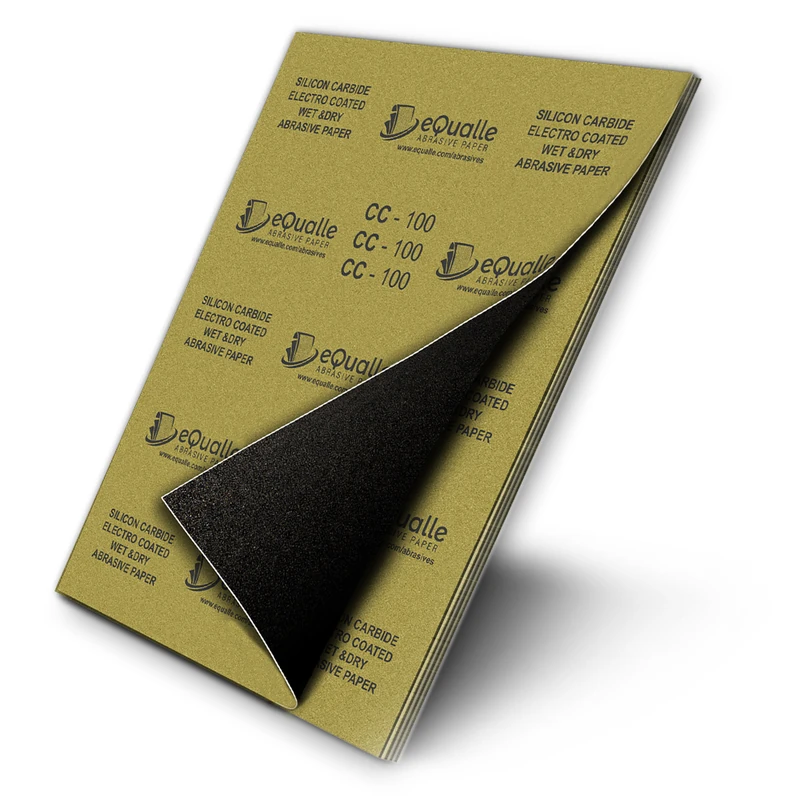
220 Grit Sandpaper Sheets (10-pack) — 9x11 in Silicon Carbide Abrasive for Wet or Dry Use — Fine finishing grit for final surface preparation before painting or coating. Offers uniform cutting on wood, metal, and plastic. Leaves a smooth, paint-ready finish suitable for wet or dry sanding. (Professional Grade).
Frequently Asked Questions (FAQ)
Q: What grit sanding sponge should I use before priming trim?
A: For most painted or previously finished trim, 120–150 grit works well to scuff and promote adhesion. If you’ve filled dents or leveled drips, start those spots at 100–120, then blend the area with 150 before priming.
Q: How do I sand profiles without rounding over the details?
A: Use a flexible sanding sponge and let the foam do the conforming. Keep pressure light, “roll” across the profile rather than digging in, and reserve sharper edges for targeted lines only. Finish with a finer grit (220) to restore crisp transitions.
Q: Can I reuse a sanding sponge after it clogs?
A: Often, yes. Tap it out, brush with a nylon bristle, or rinse if you’ve only sanded waterborne products. Once the abrasive feels polished and no longer cuts, retire it to non-critical tasks like de-nibbing primer on utility areas.
Q: What’s the best grit between coats of enamel on trim?
A: 220–320 grit is the sweet spot for de-nibbing and smoothing without thinning film build. For high-gloss finishes, you can step to 400–600 for the final rub before the last coat, using a very light touch.
Q: Are contoured sanding sponges worth it for crown and base?
A: If your trim has deep coves, ogees, or beads, yes. Contoured or dual-edge sponges maintain consistent contact on curves and help preserve geometry while you refine the surface, especially during between-coat sanding.