
Coarse to Ultra Fine: Sandpaper Grit Decoded
Saturday morning in the shop. Coffee on the bench, a drop cloth draped over a dented heirloom dresser you promised to rescue. You pull open the top drawer and the musty smell of old lacquer and stubborn pine dust hits the air. A sanding block lies beside a stack of sheets you picked up at the hardware store—some marked 60, others 120, 220, even 400. You know each number stands for a sandpaper grit, but right now they feel like a foreign language. The last time you “winged it,” you left swirl marks that telegraphed straight through your stain, and spent another weekend fixing what you rushed the first time.
Here’s the truth: success with refinishing and fabrication lives or dies on grit selection and sequence. Coarse, medium, fine, and ultra fine aren’t just labels; they’re stages of material control. Go too coarse where you need finesse and you’ll carve craters that take hours to erase. Jump too fine too soon and you’ll polish the peaks while the valleys—those low scratches—hide until the finish reveals them. Good sanding is not punishment; it’s control, repeatability, and confidence that the surface you feel now is the surface you’ll see after finish.
Whether you’re flattening a cupped tabletop, cleaning rust off a steel bracket, or prepping a door for paint, the right sandpaper grit turns labor into a method. We’ll define the grades clearly, map them to real tasks, and build a workflow you can trust. Expect hands-on tips, the kind you use with dust on your sleeves. By the end, you’ll know exactly when to reach for coarse, when to switch to medium, how to finish with fine, and where ultra fine earns its keep.
Quick Summary: Master the purpose of coarse, medium, fine, and ultra fine grits, match them to your material, and move through a deliberate grit sequence to eliminate scratches, swirls, and rework.
From Coarse to Ultra Fine: What Each Grade Means
The grit number on sandpaper tells you how many abrasive particles fit within a standardized area: lower numbers mean larger, more aggressive particles; higher numbers are smaller and finer. But in the shop, we don’t sand numbers—we sand surfaces. Here’s how each category behaves and where it belongs.
Coarse (typically 40–60): This is your damage-control grade. It removes material fast, flattens high spots, levels joints after glue-up, and strips thick finishes or heavy rust when paired with the right abrasive type. It also leaves deep scratches by design. Use coarse grits to correct shape and remove defects you can feel with your fingertips or see from an arm’s length. Then move on; coarse is not a finishing tool.
Medium (80–120): The workhorse. Medium grits clean up the rough tracks left by coarse, refine contours, and prep raw wood for stain or paint. They balance cutting speed with a scratch that’s still visible enough to track your progress. For many paint jobs, 120 is the highest you need before primer. It’s also a smart starting point on factory-smooth pieces that just need a scuff to accept finish.
Fine (150–240): Fine grits erase the last visible sanding marks, tighten the surface for stains and clear coats, and help you hit that “finish-ready” sweet spot. On furniture-grade hardwoods, 180–220 is a common stopping point before stain or oil. Go fine, but don’t over-polish—compressed wood fibers can resist stain and lead to blotching on species like pine or maple.
Ultra Fine (320–600+): Think between coats and final touch. Ultra fine isn’t for heavy stock removal; it’s for nib-sanding dust bumps in cured finishes, de-glossing delicate surfaces, feathering an edge, or polishing metal and plastics. It’s also what you reach for when a high-gloss clear coat reveals micro-defects. In micro-abrasives, you’ll see 800–3000 and beyond for specialized polishing.
Quick reference ranges
- Coarse: 40–60 for stripping, leveling, and heavy repairs
- Medium: 80–120 for shaping and pre-finish prep
- Fine: 150–240 for final prep before most stains and paints
- Ultra Fine: 320–600+ for between-coat smoothing and polishing
Practical note: You’ll find two common grading systems—CAMI (U.S.) and FEPA “P” scale (e.g., P120). The numbers are close but not identical. When in doubt, choose consistently from the same standard for a project, and test on scrap before committing.
Choosing sandpaper grit by material
Different materials respond to abrasion in their own ways. Matching sandpaper grit to the substrate prevents wasted time, clogged sheets, and finish failures.
Wood: Start with the surface you have, not the surface you wish you had. For rough-sawn or uneven stock, begin at 60–80 to flatten, then move to 100–120, and finish at 150–220 depending on species and finish plan. Softwoods (pine, fir) bruise easily; don’t exceed 180–220 before stain or you’ll burnish the fibers and restrict absorption. Hardwoods (oak, walnut) can tolerate 220 before stain. For paint, 120 pre-primer and 180–220 after primer set you up for a smooth topcoat.
Metal: Rust and scale call for coarse grits (40–80) coupled with aluminum oxide or ceramic abrasives. Once clean, progress through 120–180 to remove scratch depth. For bare steel you plan to paint, a 120–180 tooth gives primer something to bite. For aluminum or brass you intend to polish, move through 220–400, then jump to micro-abrasives (800–2000) with lubricant (water or a light oil) to avoid loading and streaks.
Paint and finishes: For repainting, scuff sand intact coatings with 180–220. Peeling or crazed finishes often require 60–80 to break through, but the moment you reach sound material, switch to 120 and rebuild your scratch pattern. Between clear coats, nib-sand at 320–400 using a soft interface pad to follow contours without cutting through edges.
Plastics and composites: Use light pressure and finer grits than you would on wood. Start 180–220, then 320–600. Heat is your enemy here—keep the surface cool and dust-free. A little water as lubricant can make a big difference in clarity when polishing acrylics.
Three actionable picks:
- If you can catch a defect with a fingernail, start no finer than 80. If your nail glides smoothly, start at 120–150.
- For unknown veneers, never begin below 120 without confirming thickness; a few strokes at 60 can burn through.
- On oily exotics (teak, ipe), wipe with acetone before sanding to reduce clogging and improve scratch clarity.
Step-by-step sanding workflow
A reliable sanding sequence protects your time as much as your surface. Think of it as moving from rough shaping to clarity, one deliberate step at a time.
Assess and set a target. Decide how flat, how sharp, and how clear the surface needs to be for the final finish. Over-sanding wastes time; under-sanding punishes you under the lights.
Start with the lowest grit that solves the biggest problem. For planer tracks, 80 usually suffices. For epoxy rivers or heavy finish build-up, drop to 60. If the surface is already fair, 120 is a clean start.
Progress in controlled jumps. A simple rule: do not skip more than roughly 50% in grit number. For example: 80 → 120 → 180 → 220. Each step removes the scratches from the previous one in fewer passes. According to a article, jumping too aggressively between grades leaves subsurface scratches that reappear when finish wets the fibers.
Clean between grits. Vacuum, wipe with a dry rag, and hit the abrasive with a crepe rubber cleaner to restore cutting edges. Dust left behind acts like rogue coarse grit and keeps scratches alive.
Use the right motion. For machines, sand with the grain on the final passes. With a random-orbit sander, finish with a slow, overlapping pattern and low pressure—let the pad float. Hand sanding blocks should follow long grain lines; save cross-grain strokes for leveling only.
Inspect under raking light. Tilt a bright work light across the surface and look for uniform scratch direction and size. If you see larger, random scratches, you haven’t fully erased the previous grit—go back one.
Stop at the right moment. For stain-ready hardwood: typically 180–220. For paint over primer: 220–320. For clear coats between layers: 320–400. For polishable substrates: 600 and up with lubricant.
Workflow tips:
- Pencil-grid the surface before each grit; stop only when every pencil mark is gone.
- Change discs before they seem dull; a loaded 120 behaves like a blunt 220 and burns wood.
- On edges and profiles, hand-sand the last grit to avoid rounding over with a machine.

Troubleshooting swirls, pilling, and clogging
Even with the right plan, sanding can go sideways. Common defects have predictable causes—and reliable fixes.
Swirl marks: Those tight, circular tracks come from pressing too hard with a random-orbit sander, moving too fast, or using a pad that’s too firm for the contour. They also emerge when you jump grits or leave dust on the surface. Fix by resetting your last two grits: clean thoroughly, lighten your pressure (aim for just enough to keep contact), and slow your passes to about one inch per second. Add a soft interface pad on curved work.
Pilling and loading: If your paper gums up quickly, heat and debris are the culprits. Soft finishes, resinous woods (like pine), and oily exotics load fast. Switch to stearated (non-loading) paper for paint and finish removal, reduce RPM, and clear the surface often. A crepe block or folded cardboard edge can clean discs on the fly. If you’re working metal or plastic, consider wet sanding at higher grits to keep abrasives cutting clean.
Uneven sheen after finish: This usually means inconsistent grit progression or burnished spots. On wood, over-sanding localized areas can close the grain and cause blotches. The remedy is a uniform resand at the last effective grit (often 180–220 for stain) and, for blotchy species, a pre-stain conditioner per manufacturer’s guidance. Ensure you sand end grain to a higher grit (e.g., 220–320) than face grain to balance absorption.
Edge burn-through: Machines love to eat edges. Mask fragile edges with painter’s tape during machine sanding, then finish edges by hand with the current grit. Keep the pad fully supported on the work; half-hanging discs cut aggressively.
Deep scratches that reappear after finish: These were there all along, just hiding. Strip the finish in the affected area, step back two grits (e.g., from 220 to 120), remove the scratch entirely, then rebuild your sequence. Track the repair with raking light before you refinish.
Quick saves:
- Slow down: speed hides scratches; patience erases them.
- Keep the pad flat: tipping introduces cross-grain cuts.
- Vacuum more than you think you need; dust is recycled grit.
Finish-ready surfaces: tests and tactics
How do you know you’ve sanded enough—and not too much? Instead of guessing, use a few quick tests that translate directly to finish success.
The tactile test: Close your eyes and run fingertips lightly over the surface. You’re feeling for transitions—joint lines, tear-out, dip edges. If you can feel it now, you’ll see it later. Mark it, back up one grit, and blend the area into the surrounding field.
Raking light and graphite: Shine a flashlight low across the surface and dust a whisper of powdered graphite or pencil marks across the grain. Sand with your current grit until the marks vanish evenly. Uneven removal = uneven surface.
Water pop for wood: Wipe a damp (not wet) rag across the surface to raise the grain. Rough fibers stand up like whiskers. Let it dry, then knock them down with your last grit (often 220). Water popping also previews how stain might emphasize scratches. If you see linear marks under the raised grain, you need one more pass at a lower grit to reset the scratch pattern.
Edge and end grain control: End grain drinks finish. Sand end grain two steps finer than face grain—if the board face stops at 180, take the ends to 220–320. This balances absorption and prevents dark halos.
Primer and paint readiness: For repainting, aim for a uniform scuff. A consistent matte sheen after 220 tells you the old finish is uniformly abraded and ready to bond. After primer, sand at 220–320 till the surface feels like paper—flat, smooth, with no “nibs” under your palm.
Metal and plastic clarity checks: On metal, a cross-hatched, uniform scratch at 180–220 is right for paint. For polishing, look for an even haze at 400–600; any deeper scratches stand out as lines—remove them before moving up. On plastics, if you see heat smears or white stress marks, back up, reduce pressure, and switch to wet sanding with fresh paper.
Finish-line tips:
- Stop one grit sooner on blotch-prone woods before using a conditioner; let the conditioner do its job.
- Always wipe with a clean, slightly damp microfiber before finishing; tack cloths can leave residue under waterborne finishes.
- Record your successful grit sequences on blue tape stuck to the underside—next time, you’ll start with confidence.
How Do I — Video Guide
If you’re tackling your first furniture flip and want to see grit choices in action, there’s a concise video walkthrough that demystifies the process. It breaks down when to start coarse, when to shift to medium and fine, and how ultra fine grits fit into between-coat work without cutting through your progress.
Video source: How Do I Sand Furniture? | Sandpaper Grit 101 - Know Which Grit to Use for Each Step of Your Flip!
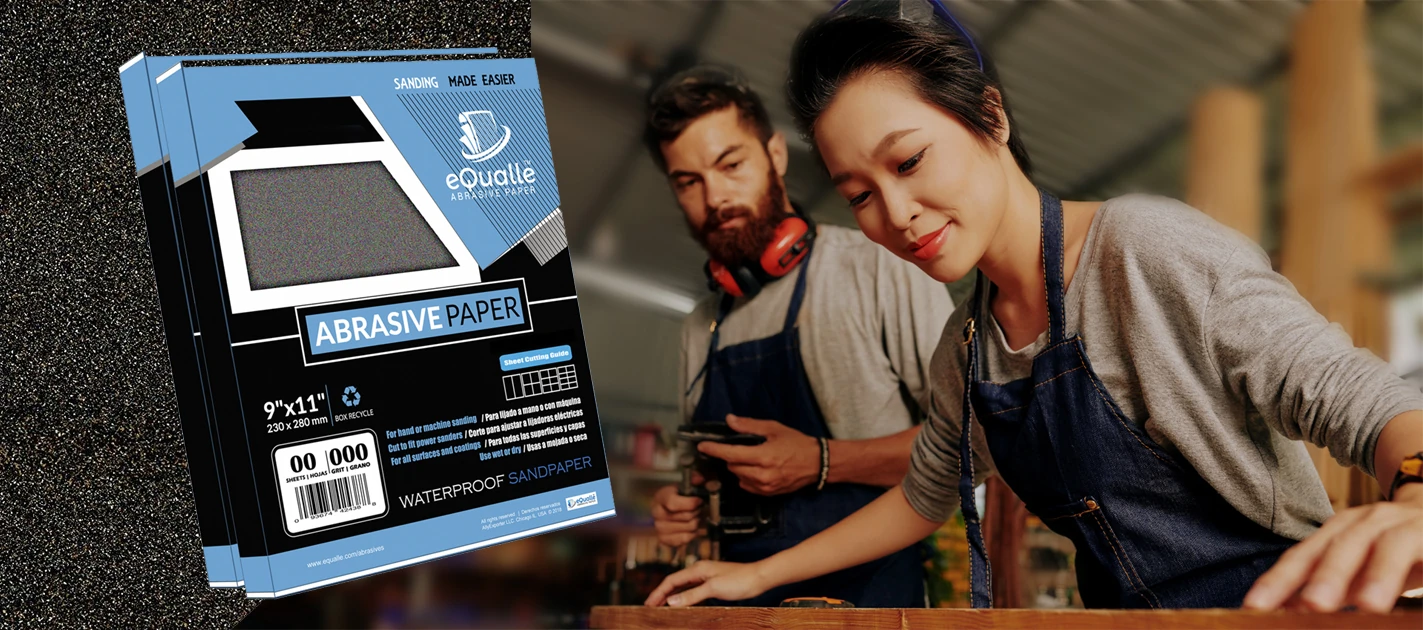
180 Grit Sandpaper Sheets (100-pack) — 9x11 in Silicon Carbide Abrasive for Wet or Dry Use — Reliable grit for producing a uniform texture on wood, metal, or filler layers—often used before varnishing or applying topcoats. (Professional Grade).
Frequently Asked Questions (FAQ)
Q: What grit is considered coarse, medium, fine, and ultra fine?
A: Coarse is typically 40–60 for heavy removal; medium is 80–120 for shaping and pre-finish prep; fine is 150–240 for final prep; ultra fine is 320–600+ for between-coat smoothing and polishing. Micro-abrasives can extend to 800–3000 for specialized polishing.
Q: How many grits should I use in one project?
A: Most projects need three to four steps. Example for raw hardwood before stain: 80 → 120 → 180 → 220. Start as coarse as needed to fix defects, then move in controlled jumps that fully remove the previous scratches.
Q: Is it okay to skip from 80 straight to 220?
A: Not recommended. Skipping big jumps leaves deeper scratches that show under finish. Move through intermediate steps (e.g., 80 → 120 → 180 → 220) so each grit efficiently erases the last.
Q: What’s the best grit before stain, paint, or clear coat?
A: Before stain: usually 180–220 (stop at 180 for blotch-prone softwoods). Before paint: 120 pre-primer, then 220–320 after primer. Between clear coats: 320–400 to remove nibs without cutting through.
Q: Why does my sandpaper clog so fast?
A: Heat, soft finishes, and resinous or oily materials cause loading. Use stearated paper for paint/finish removal, reduce pressure and speed, clean the disc with a crepe block, and switch to wet sanding for metals and plastics at higher grits.
Q: Do FEPA “P” grit numbers match U.S. numbers exactly?
A: They’re close but not identical. P120 is similar to 120, but particle sizing differs slightly. Stick to one system per project when possible, and always test on scrap to confirm the surface you want.