
Compounding vs Polishing: Guide to Polishing Sandpaper
There’s a moment every craftsperson recognizes: you step into the garage or studio, sunlight cuts across a painted panel or tabletop, and you see everything—swirls you never meant to leave, scratches that catch the light just so, a haze that dulls the color you spent hours applying. Your instinct might be to reach for the strongest product you own, but knowing the difference between compounding and polishing—and where polishing sandpaper fits—can save time, material, and the finish you’re trying to protect. Maybe it’s the clear coat on your daily driver, the lacquer on a guitar body, or the resin on a turned pen blank. Different surfaces, same goal: remove defects while preserving as much material as possible.
Think of this as a conversation between three tools: abrasives you move by hand or with a sander (sandpaper), liquids or pastes you power with a machine (compounds and polishes), and the pads or discs that carry them. Each has a role. Compounding is about leveling, reducing the height of defects relative to the surface. Polishing is about refining, replacing coarse marks with finer ones until light reflects evenly and gloss returns. Using them in the right order means less work and a better finish. Using them out of order usually means chasing your tail.
If you’ve ever wet-sanded a clear coat with 2000 grit, you know the suspense of the first pass: the surface turns uniformly dull and you wonder if you’ll ever see shine again. You will—if you step down abrasives centrally, control heat, and work small. The magic isn’t magic at all; it’s matching the size of scratches to the job at hand, then walking them down stage by stage. By the end, you’ve removed the minimum necessary to make the surface look its best, and you’ve learned that patience outperforms pressure every time.
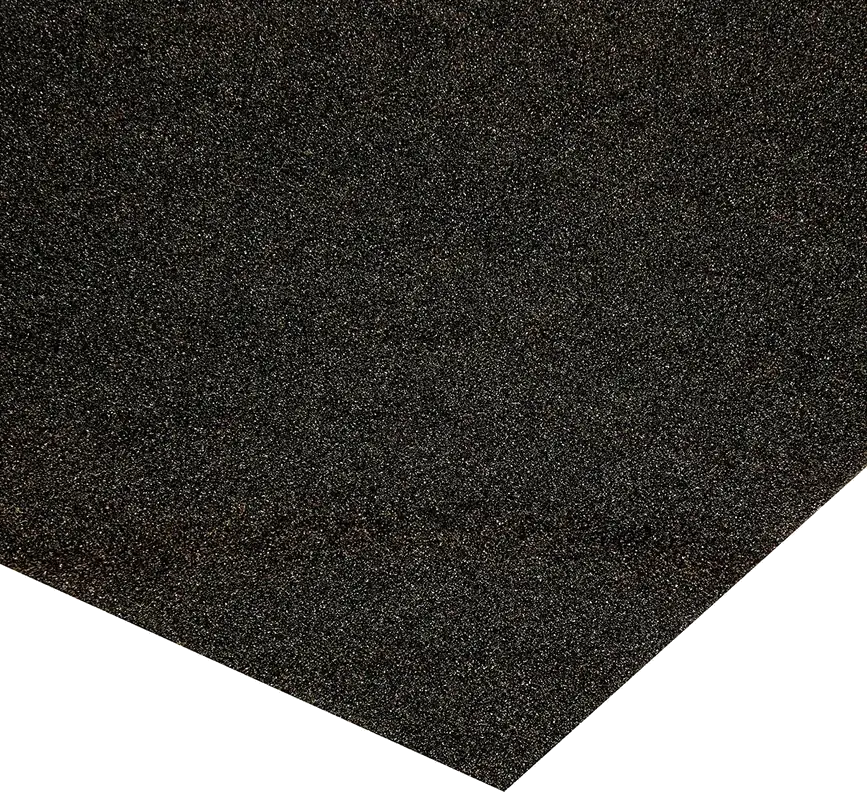
Quick Summary: Compounding levels serious defects; polishing refines to high gloss—use the least aggressive path, step your abrasives down, and let technique, not force, do the work.
Compounding and polishing, clearly defined
Compounding and polishing both remove material, but they do so at different scales and for different reasons. Compounding is your heavy hitter: it cuts fast to level deeper scratches, oxidation, and sanding marks. It uses larger abrasives—sometimes non-diminishing—and is often paired with more aggressive pads such as wool or microfiber. You’ll choose a compound when you can feel a scratch with your fingernail or when cloudy sanding haze won’t clear with a light polish.
Polishing is the finesse step. A polish uses finer abrasives to refine the micro-scratches left by compounding (or by very fine sandpaper) to increase clarity and gloss. It is paired with softer foam pads and lower pressure. If compounding knocks down peaks and valleys, polishing smooths them to a mirror-like plane where light reflects evenly. Crucially, polishing is not just “shining it up”; it still removes material, just at a much smaller scale.
Where people get into trouble is using a heavy compound when a mild polish would suffice, or trying to “polish out” defects that are still too deep. The best workflow starts with a test spot: begin with the least aggressive method that could work, assess results under strong, direct light, and only escalate if necessary. Compounding on thin edges, raised body lines, or soft substrates (like guitar nitrocellulose lacquer or certain plastics) demands extra caution; those areas heat fast and can be cut through quickly.
A final distinction: some products contain fillers that temporarily hide micro-marring. They’re useful for show-day speed, but not for true correction. If you want honest results, wipe panels with a gentle solvent (like an isopropyl alcohol mix) between steps to remove oils and check your real progress.
Grit, cut, and when to step down
Everything in surface finishing comes back to scratch size. Sandpaper grit represents hard, fixed abrasives. Liquid compounds and polishes suspend abrasive particles that can be engineered to break down (diminishing) or stay consistent (non-diminishing). Your job is to create a sequence so each step removes the marks from the step before—no more, no less.
Here’s how that translates to practical choices:
- If defects are severe (deep scratches, orange peel, runs), you may wet-sand first. Typical sequences for automotive clear coat might be P1500 → P2000 → P3000 foam-backed films. For woodworking finishes or acrylics, you might start higher, like P800 → P1200 → P2000, depending on the hardness of the finish.
- Compounding follows sanding. A medium compound on a microfiber pad can erase P2000–P3000 marks quickly. If you sanded coarser (P1000–P1500), you’ll often need a heavier compound or an extra compounding pass.
- Polishing closes the gap. A finishing polish on a soft foam pad should remove micro-marring left from compounding and restore full clarity, often equivalent to removing “scratches” in the single-digit micron range.
Use a test spot to dial this in. Under a bright LED or sun gun, work a small area and look for two things: has the compounding step fully removed sanding marks, and has the polishing step restored even clarity with no haze or holograms? If you still see uniform, linear scratches after compounding, either your cut is too light or your technique isn’t leaving the abrasives on the surface long enough. If you see holograms (arced micro-trails), reduce pad aggressiveness, lower tool speed, or lighten pressure during your final passes.
A word on material safety: automotive clear coats can be 30–50 microns thick; you don’t have much to spare. That’s why stepping down carefully matters—every scratch you create has to be removed later. Start as fine as you can, go coarser only if needed, and keep edges masked if you aren’t using a paint thickness gauge.
Choosing polishing sandpaper and pads
Selecting the right accessories makes the difference between efficient correction and frustrating do-overs. Polishing sandpaper comes in multiple backings and abrasive types, and your choice should match the material and the curve of the surface. Silicon carbide excels for wet sanding paints and resins because it cuts fast and fractures to keep exposing sharp edges; aluminum oxide is durable and well-suited to bare wood and metals. Film-backed discs keep grit flat and consistent, which helps you avoid random deep scratches. Foam-backed finishing discs (P2000–P3000+) conform to curves and spread pressure evenly—a lifesaver on edges and contoured panels.
Pads matter just as much. Wool mows down defects quickly on a rotary or dual-action, microfiber bridges speed and control on a DA polisher, and foam ranges from cutting (firm, open-cell) to finishing (soft, closed-cell). Match pad size to panel size: a 3-inch pad on a small sander gives far better control on A-pillars, guitar bouts, or furniture rails than an unwieldy 6-inch. Keep dedicated pads for each product to prevent cross-contamination.
According to a article, sandpaper tends to work in the tens of microns down to a few microns, while polishes operate even finer. That’s your mental model: sandpaper establishes flatness and uniformity; compounds erase the last visible sanding marks; polishes chase the barely-there haze you only see under strong light.
Actionable tips for selection and setup:
- Choose wet/dry, film-backed sandpaper for paint and resin work, and use foam-backed P3000 as your final sanding step to make compounding faster.
- Keep an interface pad between your sander and disc on curved surfaces; it evens pressure so you don’t edge-cut and create waves.
- Size your pads to the job: 3-inch pads for tight contours, 5-inch for most panels, and 6-inch only for broad, flat areas you can keep fully under control.
- Use color-coded pad systems and label your bottles; dedicate one pad per product to avoid stray abrasive grains causing new scratches.
- Replace discs and pads early. A clogged disc or a glazed pad runs hot, introduces haze, and forces you to do extra passes.
Technique: pressure, speed, and heat
Products and tools set you up; technique seals the deal. Whether you’re using a dual-action (DA) polisher or a rotary, the fundamentals are similar: control your pressure, manage heat, and let the abrasives do the cutting. Too many users “lean in” and choke the pad, which stalls the orbit on a DA or creates hotspots on a rotary. You want active pad rotation (on a DA), steady arm speed, and light, even pressure—usually about the weight of the machine plus a touch, backed off to almost zero on your finishing passes.
Work small areas—roughly 12x12 inches on flat panels or smaller on complex curves. Spread the product at low speed to avoid sling, then move to your working speed (often 3–5 on a DA, lower for finishing). Make crosshatch passes, 50% overlap, three to five cycles depending on product instructions. Keep the pad flat to the surface; tilting the machine concentrates pressure on an edge and can cut through or leave “tick marks.” When the residue changes from opaque to a thinner film, that’s often your cue that abrasives have done their job.
Heat is both a friend and a foe. A bit of warmth softens some finishes and helps abrasives bite; too much causes swelling, holograms, or burn-through. Check panel temperature with the back of your hand—if it’s too hot to keep your hand on, it’s too hot to keep working. Blow out or brush pads after each section to keep them cutting consistently, and add a tiny spritz of distilled water on microfiber pads when compounding stubborn clears to reduce dusting and keep the pad from caking.
Between steps, wipe down with a mild panel prep (e.g., 10–20% isopropyl alcohol in water) to strip oils and accurately see remaining defects. Under varied lighting—overhead, side lighting, and a handheld light—you’ll catch what ambient light hides. Finally, respect the edges: lower your speed, lighten pressure, and when in doubt, tape them. A clean edge is not worth a thin spot.
Finishing, protection, and maintenance
After polishing, you’ve created an exceptionally smooth, low-friction surface. It’s vulnerable until you protect it. First, verify results: do a final panel wipe and inspect in different light angles to ensure you’ve removed—not masked—haze and trails. If the finish looks perfect under harsh light, it will look exceptional outdoors.
Protection choices depend on use and desired longevity:
- Wax provides warmth and depth with easy application, lasting weeks to a few months.
- Sealants are synthetic, durable for several months, and pair well with daily drivers or frequently handled objects.
- Ceramic coatings and resin-based topcoats offer year-plus protection with excellent chemical resistance, but require meticulous prep and cure time.
Once protected, adjust your maintenance to preserve the finish you worked for. Wash with a pH-neutral soap, use separate buckets for wash and rinse, and adopt the “least-contact” mindset: pre-rinse, foam, and use premium mitts and towels. Dry with forced air where possible and finish with a plush microfiber towel using minimal pressure. Avoid circular motions—straight-line movements make any accidental marks easier to correct later.
If you maintain a high-use item (like a guitar or countertop), keep a gentle detail spray and a super-soft towel on hand for quick dusting. Micro-marring often comes from dirty towels, so dedicate and label them: compounding, polishing, final wipe, and protection. If you see light marring over time, a one-step finishing polish with a soft foam pad will usually restore gloss without revisiting heavy correction. Think in terms of preservation: address only the level of defect you see, and leave material in reserve for the future.
What grits of — Video Guide
A helpful visual primer comes from a creator who walks through which sandpaper grits to use when prepping and refining painted surfaces. He covers practical sequences for wet sanding, how grit choices change between priming, basecoat, and clear coat, and why stepping down thoughtfully saves time during compounding and polishing. You’ll also see how tool choice and pad selection affect efficiency.
Video source: What grits of sandpaper should you use when painting
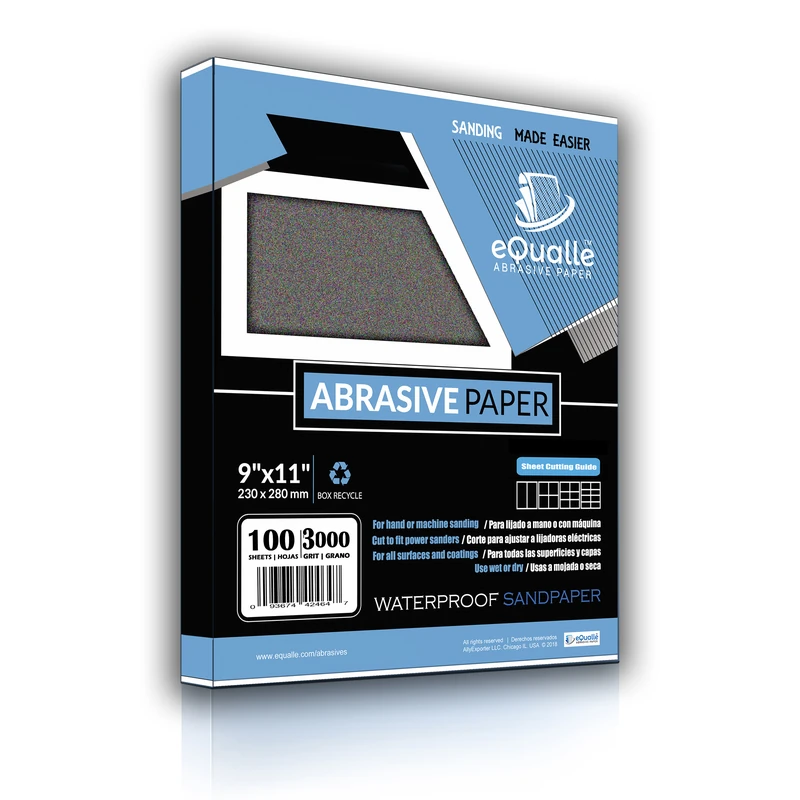
800 Grit Sandpaper Sheets (25-pack) — 9x11 in Silicon Carbide Abrasive for Wet or Dry Use — Ultra-fine grit for pre-polish refinement on paint, clear coats, or resin. Smooths imperfections without damaging the base layer. Provides optimal control when used wet or dry before 1000 or 1200 grits. (Professional Grade).
Frequently Asked Questions (FAQ)
Q: What’s the core difference between compounding and polishing?
A: Compounding cuts fast to level deeper defects and sanding marks using more aggressive abrasives and pads. Polishing uses finer abrasives to refine the micro-marring left by compounding, restoring clarity and gloss. Both remove material—compounding removes more, polishing removes less but at a finer scale.
Q: Do I need to sand before compounding?
A: Not always. Sanding is for flattening texture (like orange peel) or removing defects too deep for a compound to reach efficiently. If your defects are light swirls and mild haze, skip sanding and start with a least-aggressive test: a light polish on a soft foam pad. Escalate only if needed.
Q: How do I choose between wool, microfiber, and foam pads?
A: Wool cuts fastest and runs cooler, great for heavy correction with a rotary or DA. Microfiber balances cut and control on a DA, ideal for P2000–P3000 sanding marks. Foam spans cutting, polishing, and finishing—stiffer foams for cut, softer for refinement. Match pad aggressiveness to the defect level and step down as you go.
Q: Can compounding remove scratches I can feel with a fingernail?
A: It depends on depth. If a scratch catches your nail, it may be too deep to fully remove without compromising the surrounding finish. You can often improve it significantly with careful compounding and polishing, but complete removal might require sanding and could risk thinning through clear coat or finish layers.
Q: Where does polishing sandpaper fit into the process?
A: Use polishing sandpaper (typically P2000–P3000 foam-backed) after flatting or initial sanding to create uniform, shallow marks that compounds can remove quickly. It bridges the gap between heavier sanding and liquid abrasives, reducing work time and heat while improving your odds of a flawless final polish.