
Mastering Between Coats Sanding for Perfect Finishes
Picture this: It’s a quiet Saturday afternoon, and the sun filters gently through your workshop window. You’re standing over a wooden table, the rich grain gleaming under a fresh coat of varnish. But you know the real magic happens between coats. That’s where the real craftsmanship lies — in the finesse of sanding between coats. This subtle yet powerful technique can transform an ordinary piece into a masterpiece, lending it a silky-smooth surface that invites touch.
Many hobbyists and professionals alike dread this part of the finishing process. The repetitive motion, the dusty aftermath, and the fear of over-sanding can be daunting. However, mastering the art of between coats sanding is essential for achieving that perfect, flawless finish. It’s not just about smoothing out the surface; it’s about preparing the wood to receive the next layer of finish, ensuring it adheres properly and looks stunning.
In this comprehensive guide, we’ll break down the process of between coats sanding, offering practical advice, step-by-step instructions, and time-saving tips. Whether you’re a seasoned woodworker or a weekend DIY enthusiast, this guide will equip you with the knowledge and confidence to elevate your woodworking projects.
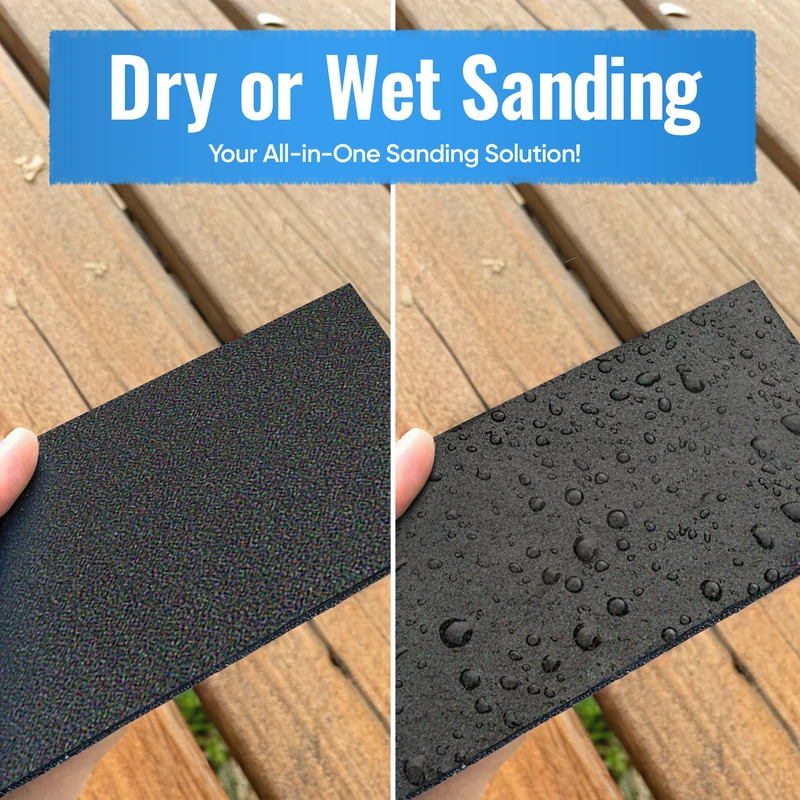
Quick Summary: This guide explores the essential technique of between coats sanding, providing expert tips and step-by-step instructions to achieve a perfect finish.
Understanding the Importance of Sanding Between Coats
Before diving into the how-tos, it’s crucial to understand why sanding between coats is so vital. This process removes any dust nibs and minor imperfections that settle on the surface after a finish is applied. It also helps the subsequent coat adhere better, creating a more durable and even finish.
The Science Behind the Smoothness
Wood finish, whether it’s varnish, polyurethane, or shellac, forms a protective layer over the wood. As it dries, the finish can develop minor imperfections like bubbles or dust particles. Sanding between coats eliminates these blemishes, ensuring the next coat goes on smoothly.
Moreover, this process creates microscopic abrasions on the surface, giving the new coat something to grip onto. Without this step, the finish can peel or flake over time, compromising the integrity and beauty of your piece.
Choosing the Right Grit
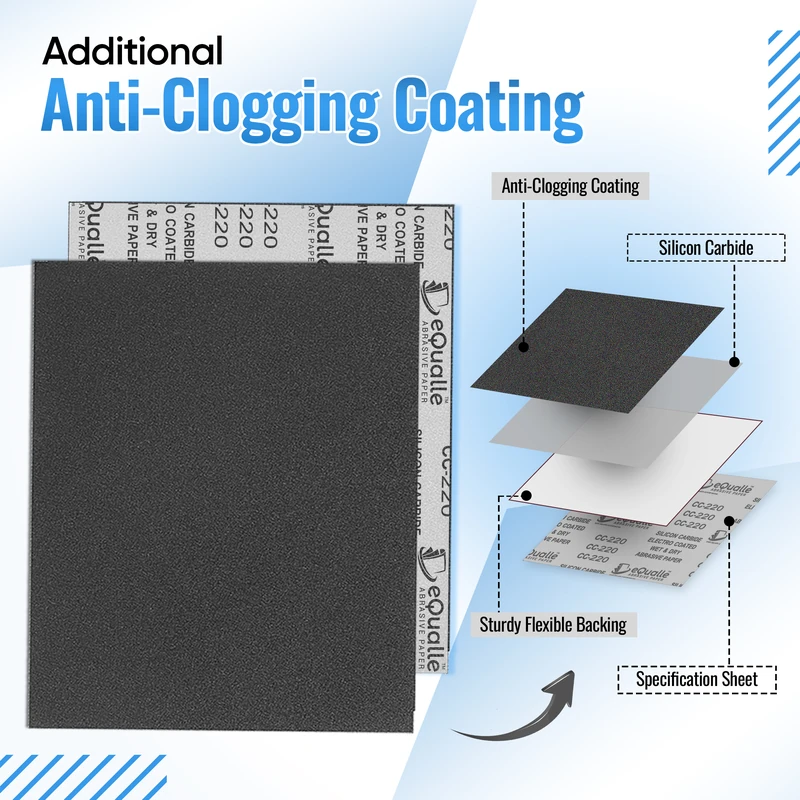
Selecting the correct sandpaper grit is critical for effective between coats sanding. For most finishes, a 320-grit sandpaper is perfect. It’s fine enough to smooth out imperfections without removing too much of the finish. If you’re working with a high-gloss or delicate finish, consider a 400- to 600-grit sandpaper for a more refined touch.
Mastering the Technique: Step-by-Step Guide
Now that we understand the importance of between coats sanding, let’s walk through the process step-by-step.
Step 1: Gather Your Tools
Before you start, ensure you have all the necessary tools at hand. You’ll need:
- Sandpaper (320- to 600-grit)
- A sanding block or pad
- A tack cloth or microfiber cloth
- A dust mask
- Safety goggles
Step 2: Preparing the Surface
Ensure the first coat of finish is completely dry. This may take several hours or overnight, depending on the type of finish used. Check the manufacturer’s instructions for specific drying times.
Once dry, use a tack cloth to remove any dust particles from the surface. This step is crucial as it prevents additional dust from embedding into the surface during sanding.
Step 3: Sanding the Surface
Wrap your sandpaper around a sanding block to ensure even pressure and control. Begin sanding with light, even strokes, following the grain of the wood. Avoid applying too much pressure as this can remove more finish than desired.
Step 4: Cleaning Up
After sanding, wipe the surface with a tack cloth or a damp microfiber cloth to remove all sanding dust. This ensures a clean surface for the next coat of finish.
Between Coats Sanding: Common Mistakes and How to Avoid Them
Even seasoned woodworkers can fall prey to common mistakes during between coats sanding. Here’s how to avoid them:
Over-sanding the Surface
One of the most common mistakes is over-sanding, which can remove too much finish, exposing bare wood. To prevent this, always use a light touch and check your progress frequently.
Skipping the Dust Removal
Failing to remove sanding dust before applying the next coat can result in a rough, uneven finish. Always use a tack cloth or microfiber cloth to clean the surface thoroughly.
Using the Wrong Grit
Using sandpaper that is too coarse can leave deep scratches that are difficult to cover with subsequent coats. Stick to 320- to 600-grit sandpaper for the best results.
According to a article, choosing the right grit and technique can significantly impact the final outcome.
Frequently Asked Questions (FAQ)
Q: Why is sanding between coats necessary? A: Sanding between coats removes imperfections and provides a better surface for the next layer to adhere to, ensuring a smooth, durable finish.
Q: What grit sandpaper should I use between coats? A: A 320- to 600-grit sandpaper is ideal for sanding between coats, as it smooths imperfections without removing too much finish.
Q: How can I avoid over-sanding? A: Use light, even strokes and check your progress frequently to avoid removing too much finish.
Q: Is it necessary to clean the surface after sanding? A: Yes, always clean the surface with a tack cloth or microfiber cloth to remove all sanding dust before applying the next coat.
Q: Can I use a power sander for between coats sanding? A: While possible, it’s not recommended for delicate finishes as it can be too aggressive. Hand sanding offers better control and precision.