
Resin Polishing for a Glass-Like Epoxy Finish
The first time you run a fingertip across an epoxy surface, it’s a little magic trick. The light catches, colors bloom, and you expect the kind of clarity you see on showroom glass. But if you’ve poured, leveled, and cured resin yourself, you also know the moment that follows: under sunlight or a raking lamp, faint haze, scratch patterns, or tiny undulations whisper that the job isn’t quite done. That’s where resonant craftsmanship meets patience—where resin polishing turns a good pour into a gleaming, glass-like finish.
I’ve stood in quiet workshops as morning light draws out every detail—specks of dust that landed in the last hour of cure, a few mysterious swirls that appeared overnight, uneven gloss that refuses to match the shine in your head. It’s not defeat; it’s an invitation to refine. Resin is forgiving when you approach it with a measured process. The difference between serviceable and spectacular is often a sequence of small, consistent steps: a disciplined sanding progression, the right interface pads, careful heat management, and a final polish that leaves nothing but depth and reflection.
If you’re new to polishing epoxy, this guide will meet you at the workbench and show you the path from matte to mirror. If you’ve done it before but still chase perfection, you’ll find ways to tighten the process and fix the last stubborn artifacts. We’ll start by ensuring the surface is ready, move through a grit sequence that erases scratches rather than burying them, manage slurry and heat to protect clarity, then choose compounds and pads that bring out gloss without holograms. Along the way, you’ll get tips I rely on for dependable results and learn when to slow down, when to switch abrasives, and how to inspect with confidence.
Whether you’re finishing a river table destined for family dinners, clear coasters that frame botanical inclusions, or a jewelry pendant that needs to sparkle, the goal is the same: a glass-like finish you can’t help but reach out and touch. Let’s polish epoxy resin the way professionals do—methodically, cleanly, and with care that shows.
Quick Summary: To polish epoxy resin to a glass-like finish, start with a fully cured, flat surface, progress through controlled sanding grits (often 220 to 3000), manage heat and slurry meticulously, then use a two-stage polishing compound and the right pads to bring out clarity, finishing with gentle maintenance for lasting shine.
Preparation That Sets Up the Shine
Great finishes begin before a single grit touches the surface. The most common cause of persistent haze and scratch patterns is polishing resin that isn’t fully cured, isn’t flat, or isn’t clean. A few setup steps make the rest of the process predictable.
Confirm the resin is fully cured. Manufacturers’ cure charts are a guide, but ambient temperature, humidity, and layer thickness matter. A good rule: wait at least 72 hours for tabletop pours at room temperature; thicker pours often need a week or more. If you can dent the surface with a fingernail or feel it gum up abrasives quickly, it needs more time. Polishing semi-cured resin risks smearing, warping, and drag lines that won’t go away without aggressive re-sanding.
Clean the surface thoroughly. Warm water with a drop of dish soap removes amine blush and shop dust. Avoid solvent wipes at this stage; they can redistribute contaminants. Pat dry with a lint-free cloth and let the piece air dry completely before sanding, especially if you’ll wet sand.
Establish flatness. Drips, high spots, and waviness reflect in your final finish. If the surface has proud edges or nibs, knock them down with a sharp cabinet scraper or a brief pass at 120–180 grit on a hard backing pad. Keep the sander flat and use light pressure; the goal is to level, not carve.
Set up the environment. Good lighting reveals scratch patterns. Raking light—a bright lamp at a low angle—is indispensable. Keep dust down and maintain a moderate temperature (18–24°C / 64–75°F).
Recommended tools:
- Random orbital sander (5- or 6-inch), variable speed
- Rigid and foam interface pads (3–5 mm)
- Quality sanding discs: P220 through P3000 (or equivalent)
- Spray bottle with water and a drop of surfactant (for wet sanding)
- Microfiber cloths and a rubber squeegee
- Nitrile gloves, eye protection, and a respirator with P100 filters (for dry sanding)
Tips for a clean setup:
- Mask adjacent wood or soft edges with painter’s tape to prevent rounding over.
- Use a rigid backing pad to maintain flatness; switch to a foam interface pad only for curves and contours.
- Draw a light pencil grid on the resin; it helps track coverage and reveals low spots as you level.
Dialing in Resin Polishing: Grits and Pads
Your grit sequence is the backbone of a glass-like finish. The job is simple in theory: each step must fully remove the scratches from the previous grit. In practice, that means watching the surface, not the clock, and resisting the urge to skip ahead. Every missed scratch becomes a ghost you’ll chase with compounds later.
Choose your starting grit based on defects:
- Heavy texture, drips, or orange peel: P120–P180 to flatten, then quickly move to P220 to erase deep scratches.
- Light texture or sanding marks from a previous pass: P220–P320.
- Mostly flat with minor haze: start at P400–P600.
A reliable progression looks like this: 220 → 320 → 400 → 600 → 800 → 1000 → 1500 → 2000 → 3000. You can adjust based on what you see, but avoid big jumps (e.g., 220 to 800). Skipping too far leaves coarser scratches trapped beneath finer ones, producing cloudy results that compound won’t fix.
Technique matters:
- Keep the machine flat. Don’t tilt the sander to “spot fix”; that rounds edges and creates waves.
- Use overlapping passes in a crosshatch pattern: first pass left-to-right, next pass front-to-back. Rotate the workpiece 90° between grits when possible. The change in scratch direction helps you confirm each grit’s scratches are gone.
- Minimal pressure. Let the abrasives cut. Excess pressure creates heat and pigtails.
- Replace discs as soon as they feel dull or load up. Fresh abrasives cut cooler and more consistently.
- Inspect under raking light after each grit. When scratches from the previous grit are fully gone and the surface looks uniform, move on.
A structured approach:
- Pencil the surface. Sand until all marks are uniformly removed.
- Squeegee and inspect. A quick sweep reveals lingering scratches and low spots.
- Wipe with a damp microfiber between grits to remove debris that can cause pigtails.
- Switch from a rigid pad to a foam interface at P800–P1000 for light contouring, if needed, but return to a firmer pad on flat panels to protect flatness.
- At P2000–P3000, consider wet sanding if you’ve been dry up to this point; it keeps heat low and yields a finer scratch pattern ahead of compounds.
Patience at this stage saves time later. When the surface looks evenly satin at P1000–P1500 and silky at P2000–P3000, you’ve set yourself up for a quick, satisfying polish.
Managing Slurry, Heat, and Dust
Clarity depends as much on what you remove as what you apply. Slurry, dust, and heat are the stealth variables that cloud finishes and introduce stubborn artifacts. Control them, and resin begins to behave like glass.
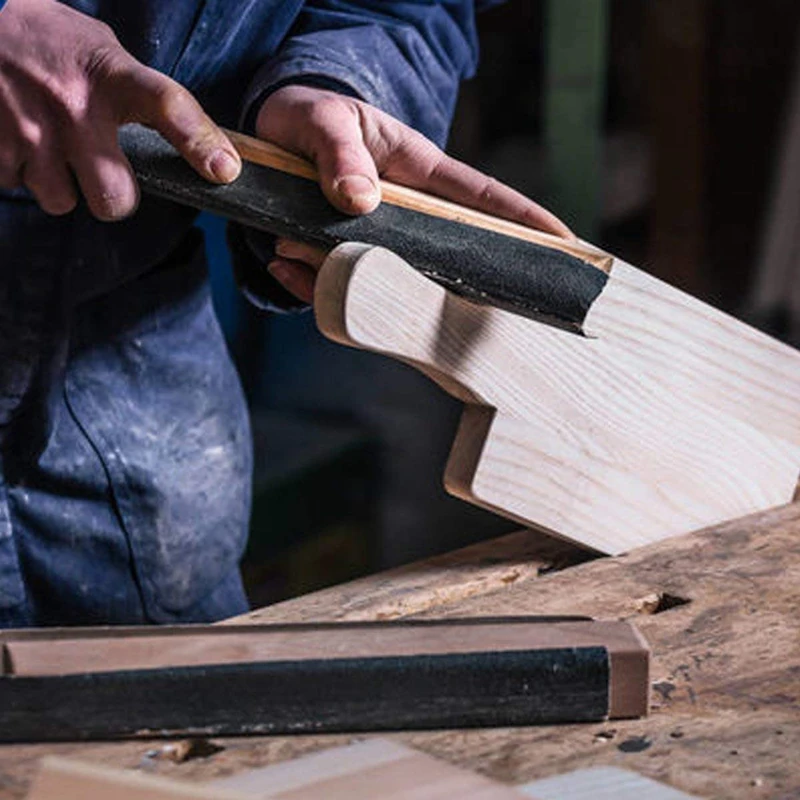
Wet vs. dry sanding: both work. Dry sanding with dust extraction is efficient at lower grits (P220–P600) for flattening and rapid material removal. Wet sanding excels from P800 onward, where keeping the abrasive clear extends disc life and produces an exceptionally uniform scratch pattern. If you wet sand, use clean water with a drop of dish soap to reduce surface tension. Keep the surface only damp; flooding invites trapped grit and water spots.
Heat management is non-negotiable. Resin softens when warm, and soft resin smears, grabs abrasives, and leaves hazy drag marks. Use low-to-medium tool speed, light pressure, and keep the pad moving. If the surface feels warm to the touch, pause. An infrared thermometer is useful, but your hand works too—if it’s uncomfortably warm, take a break.
Slurry discipline: periodically squeegee the surface and inspect. You’re checking for uniform scratch patterns and removing abrasive-laden liquid that can re-deposit scratches. Replace or rinse discs when cut quality drops. For dry sanding, a HEPA-equipped dust extractor and a clean pad keep pigtails at bay.
According to a article, controlling heat and keeping abrasives clean are two of the biggest contributors to mirror clarity and consistency, especially on larger flat panels.
Safety essentials: resin dust isn’t something to breathe. Wear eye protection and a respirator (P100 filters for particulates). Keep cords managed and work at a comfortable height to reduce fatigue—accuracy drops when you’re strained or rushing.
Actionable tips:
- Add a tiny dash of dish soap to your spray bottle for wet sanding; it prevents the pad from chattering and clears slurry faster.
- Wipe edges frequently. Edges heat faster and are easy to round; a quick wipe and check keeps them crisp.
- If you see short, coiled “pigtail” scratches, stop immediately—your disc may be loaded or contaminated. Replace it before the marks multiply.
- Use a rubber squeegee every few passes; it reveals remaining scratch direction and any low areas that still need attention.
Compounds, Pads, and the Final Buff
Once you’ve refined the surface to P2000–P3000, you’re ready for compounds to transform even satin into a high-gloss mirror. The key is choosing the right combination of compound and pad, then working them with a steady, cool technique.
Compound strategy: use a medium-cut compound to remove the fine sanding haze from P2000–P3000, followed by a finishing polish to eliminate micro-marring and bring depth. Look for resin- or paint-safe compounds with diminishing abrasives—these start coarser and break down as you work, leaving a finer finish.
Pad selection:
- Microfiber or firm foam pads pair well with medium-cut compounds; they have enough bite to clear the last sanding haze quickly.
- Soft foam pads (black or finishing-grade) shine with finishing polishes; they minimize holograms on dark or clear resin.
- Keep pads dedicated: one pad per compound. Cross-contamination reintroduces scratches.
Machine matters: a dual-action polisher is user-friendly and cooler-running; a rotary can cut faster but generates heat quickly and may introduce holograms if mishandled. If you use a rotary, stay in the 1000–1500 RPM range with gentle pressure and constant motion. With a DA, moderate speed (3–4 out of 6) is usually perfect.
Working method:
- Prime the pad with a light haze of compound on first use; thereafter, use 3–4 pea-sized drops.
- Dab the pad around your work area to distribute product, then start at low speed to spread.
- Increase speed slightly and make overlapping passes in a crosshatch pattern. Work in sections roughly 12"×12".
- Watch for the compound to turn clear or begin to “flash.” That’s your cue that the abrasives have broken down.
- Wipe with a clean microfiber and inspect under raking light. If faint haze remains, repeat the medium-cut pass; otherwise, switch to the finishing polish and a soft foam pad.
- After final polish, a light wipe with a damp microfiber or a mild isopropyl dilution (about 10–15% IPA in water) removes residue and reveals the true finish. Avoid heavy solvent use on resin.
Pro tips for a flawless buff:
- Keep pads clean. Use a pad brush or compressed air to fluff fibers and eject spent compound frequently.
- Avoid dry buffing. If the pad starts to drag, add a tiny amount of product or reduce speed.
- On edges and corners, reduce pressure and tool speed; resin burns quickly at transitions.
- If holograms appear (faint arc-like marks), drop to a softer pad with finishing polish and reduce speed. A couple of slow passes usually clears them.
When everything clicks, you’ll see the reflection sharpen, colors deepen, and the surface take on that liquid look—glass-like without the fragility.
Troubleshooting and Pitfall Avoidance
Even seasoned fabricators run into recurring issues. The good news is that almost every problem has a traceable cause and a clear remedy. Here’s how to diagnose and fix the most common hiccups when polishing epoxy to a glass-like finish.
Cloudy or milky areas:
- Likely causes: trapped water from over-wet sanding, semi-cured resin softening under heat, or micro-scratches left from an earlier grit.
- Fix: allow the piece to dry thoroughly if water is involved. If the resin feels soft or smeary, pause the project and let it cure longer. Resand starting one or two grits back (e.g., from P1500 to P1000), then repolish with cooler technique.
Persistent swirl marks:
- Likely causes: too aggressive a pad for finishing, excessive tool speed, or contaminated pads.
- Fix: switch to a softer foam finishing pad, drop speed, and ensure pads are clean. Revisit the final polish for a few slow, overlapping passes.
Witness lines or uneven gloss:
- Likely causes: skipping grits or incomplete scratch removal at a lower grit.
- Fix: step back one grit and sand until the surface is uniformly matte. Use crosshatching and a pencil grid to confirm full coverage.
“Pigtails” (tight curly scratches):
- Likely causes: a loaded or contaminated disc, or trapped debris during sanding.
- Fix: stop immediately, swap discs, and clean the surface. Resand the affected area at the current grit until the marks disappear, then proceed.
Fisheyes or craters during polishing:
- Likely causes: surface contamination (silicone, oil, aerosol overspray).
- Fix: wash with warm water and mild soap, then wipe with a gentle IPA solution before resuming. In severe cases, you may need to resand lightly to remove contaminated layers.
Edge whitening or burn marks:
- Likely causes: heat buildup at edges, excessive pressure, or tilting the tool.
- Fix: reduce speed and pressure near edges, keep the pad flat, and use fresh abrasives. If whitening occurs, step back one grit and work the edge gently.
Soft or gummy resin:
- Likely causes: under-cure due to low temperature, incorrect resin ratio, or thick pour not fully set.
- Fix: extend cure time in a warmer environment. If the mix ratio was off, consider a light re-pour or seal coat after removing compromised material.
Practical prevention tips:
- Keep a log of your grit progression, tool speeds, and results; it helps you diagnose and standardize your process.
- Inspect under two lights: raking light and overhead diffuse light. Scratches hide differently under each.
- Treat every pass as final—cleanliness between grits is the cheapest insurance you can buy.
Protecting and Maintaining the Finish
A flawless polish deserves a routine that keeps it that way. Epoxy resin is durable, but like fine automotive clear coat, it benefits from gentle care and the right products.
Cleaning: use mild soap and water with a soft microfiber cloth for routine cleanup. Avoid abrasive powders, scouring pads, and strong solvents (acetone, lacquer thinner). For fingerprints or light smudges, a slightly damp microfiber followed by a dry buff maintains clarity without streaks.
Protection: a quality furniture wax or polymer sealant designed for clear coats can add slickness, reduce static dust attraction, and make the surface easier to wipe clean. Apply thin, even layers and buff gently. Avoid silicone-heavy polishes if you plan future recoats; they can cause fisheyes.
Use and placement: protect resin tables from direct high heat—use trivets under hot cookware, and coasters under chilled glasses to minimize thermal shock and ring marks. Many resins are UV-stabilized, but long-term direct sunlight can still bring gradual yellowing; consider UV-protective films on nearby windows or position pieces out of harsh sunlight.
Scratch repair: micro-scratches accumulate over time with regular use. The beauty of a polished resin surface is that you can rejuvenate it. Often, a quick pass with a finishing polish and soft foam pad is all that’s needed. For deeper scratches, step back to P1000–P2000, refine to P3000, then repolish.
Storage and handling: when transporting or storing polished pieces, place them on clean, soft microfiber or foam to prevent impressions and scuffs. Avoid stacking polished surfaces face-to-face.
Maintenance checklist:
- Weekly: dust with a soft microfiber; spot clean with mild soap solution as needed.
- Monthly or quarterly (depending on use): apply a light coat of non-silicone wax or sealant and buff.
- Annually or as needed: refresh polish with a finishing compound to eliminate micro-marring.
Care habits preserve both shine and the proud feeling that comes with it. The goal isn’t to baby your resin—it’s to build a simple routine that keeps the glass-like finish effortless.
How To Sand — Video Guide
If you learn best by watching technique in motion, there’s a helpful walk-through from a maker named Trey that demonstrates how to sand and polish clear epoxy resin for consistently crisp results. He shows practical choices—starting grits, when to switch pads, and how to control tool speed—so your finish doesn’t overheat or swirl.
Video source: How To Sand & Polish Epoxy Resin - Best Results!
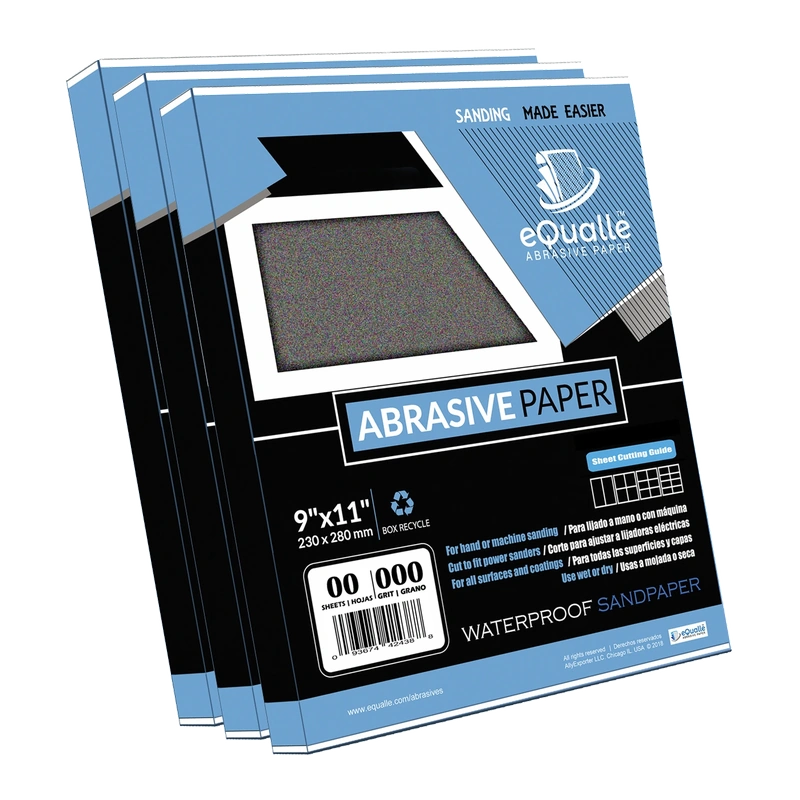
800 Grit Sandpaper Sheets (10-pack) — 9x11 in Silicon Carbide Abrasive for Wet or Dry Use — Ultra-fine grit for pre-polish refinement on paint, clear coats, or resin. Smooths imperfections without damaging the base layer. Provides optimal control when used wet or dry before 1000 or 1200 grits. (Professional Grade).
Frequently Asked Questions (FAQ)
Q: How long should epoxy cure before I start polishing?
A: For most tabletop pours, wait at least 72 hours at room temperature; thicker layers can require a week or more