
Mastering Paint Removal Sanding for Wood Trim
Picture this: a cozy afternoon, the sun filtering through your living room windows, casting warm beams onto your worn-out wood trim. You’ve always loved the character that these old trims bring to your home, but the layers of peeling paint have long lost their charm. It’s time for a change, a revival of sorts, where the beauty of the wood can shine through once again. Whether you’re a seasoned DIY enthusiast or a curious beginner, the task of removing paint from wood trim might seem daunting. But with the right tools, grit knowledge, and a bit of patience, you can transform your trim from drab to fab, revealing its natural beauty.
The process of paint removal sanding is not just about aesthetics; it’s an invitation to engage with your home on a deeper level. As you strip away the old layers, you’re not only uncovering the past but also preparing a canvas for new memories to be made. This project allows you to combine creativity with craftsmanship, providing a sense of accomplishment as you breathe new life into your space.
Quick Summary: Learn how to effectively remove peeling paint from wood trim using the right sanding techniques and grit.
Understanding the Basics of Sanding
Before diving into the grit specifics for paint removal sanding, it’s crucial to understand the fundamental principles of sanding. Sanding is a method used to smooth surfaces by abrasion with sandpaper. The primary goal is to prepare the wood for a new finish or to restore it to its original state.
Why Sanding Matters
Sanding is a critical step in any woodworking or refinishing project. It ensures that surfaces are smooth, free from imperfections, and ready to accept new finishes. Proper sanding helps the new paint or stain adhere better, resulting in a longer-lasting finish.
Types of Sandpaper
Sandpaper comes in various grits, each suited for different tasks:
- Coarse (40-60 grit): Good for heavy material removal.
- Medium (80-120 grit): Ideal for smoothing surfaces and removing small imperfections.
- Fine (150-180 grit): Used for final sanding to achieve a smooth finish.
- Extra Fine (220-240 grit): Perfect for preparing surfaces for painting or staining.
Understanding these distinctions will guide your choice when selecting the right grit for your paint removal project.
Choosing the Right Grit for Paint Removal
Selecting the appropriate grit is crucial for effective paint removal sanding. The wrong grit can either damage the wood or fail to remove the paint adequately.
What Grit to Use
For paint removal on wood trim, starting with a coarser grit is usually advisable. Here’s a step-by-step guide:
- Begin with 80 Grit: This medium-coarse grit is perfect for removing peeling paint layers without gouging the wood. It efficiently strips away old paint, exposing the wood beneath.
- Move to 120 Grit: Once the majority of the paint is removed, switch to a 120 grit to smooth out the surface further and eliminate any remaining paint traces.
- Finish with 180 Grit: This finer grit helps achieve a smooth surface, preparing the wood for a new finish or paint application.
Practical Tips
- Always sand in the direction of the wood grain to prevent scratches.
- Use a sanding block or an orbital sander for even pressure.
- Regularly check the surface to avoid over-sanding.
Techniques for Effective Paint Removal Sanding
Mastering the technique of sanding is just as important as choosing the right grit. Here are some methods to ensure successful paint removal sanding:
Hand Sanding vs. Power Sanding
- Hand Sanding: Offers greater control, especially in detailed areas or on delicate trim. Suitable for smaller projects or when precision is needed.
- Power Sanding: Best for larger surfaces or when more material needs to be removed quickly. An orbital sander or a belt sander can save time and effort.
Wet Sanding for a Smoother Finish
Wet sanding involves using water or a lubricant to minimize dust and achieve a smoother finish. It’s particularly useful after the initial paint removal to refine the surface:
- Dampen the surface lightly.
- Use a fine grit sandpaper (220 grit or higher).
- Sand gently, keeping the surface moist.
This technique can help achieve a glass-like finish, ready for a new coat of paint or stain.
Preparing the Wood for a New Finish
Once the paint removal sanding is complete, the next step is preparing the wood for a new finish. This stage is crucial to ensure the longevity and quality of the final appearance.
Cleaning and Inspecting the Surface
- Vacuum and Wipe Down: Remove all dust and debris from the sanding process.
- Inspect for Imperfections: Check for any remaining paint or surface blemishes. Repeat sanding if necessary.
Applying a Primer
A primer is essential if you plan to repaint the trim. It provides a uniform base and enhances paint adhesion:
- Select the Right Primer: Choose based on the type of paint you plan to use (oil-based or latex).
- Apply Evenly: Use a brush or roller, ensuring full coverage.
Final Touches
After the primer has dried, you can proceed with painting or staining. Follow product instructions for the best results.
How to Properly — Video Guide
In the video titled "How to Properly Sand Trim," expert Darin shares his insights on achieving a professional sanding finish. With over 25 years of experience, he emphasizes the importance of technique over speed, ensuring that each stroke contributes to a flawless outcome.
Video source: How to Properly Sand Trim
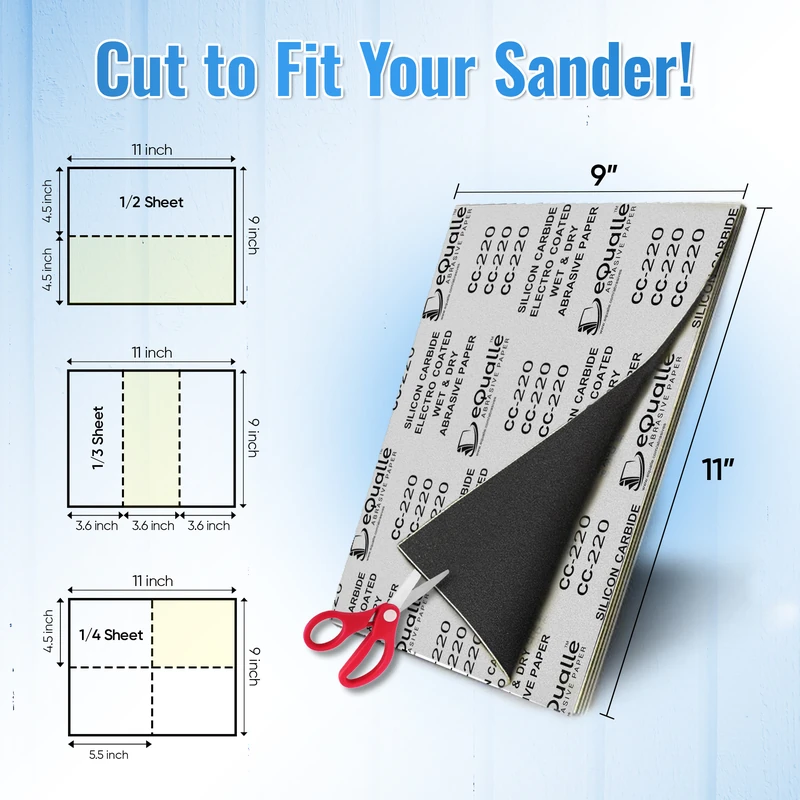
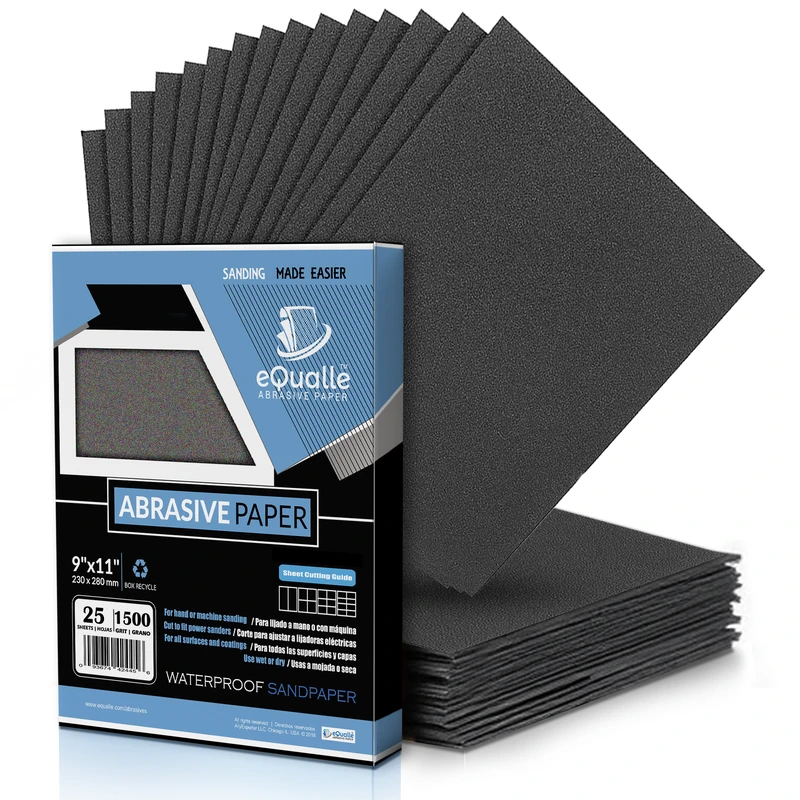
220 Grit Sandpaper Sheets (25-pack) — 9x11 in Silicon Carbide Abrasive for Wet or Dry Use — Refined medium-fine abrasive for final surface leveling on primed or sealed materials. Great for smooth touch-ups before finishing. (Professional Grade).
Frequently Asked Questions (FAQ)
Q: What is the best grit for removing old paint?
A: Start with 80 grit for effective paint removal, then transition to finer grits for smoothing the surface.
Q: Can I use a power sander for detailed trim work?
A: Yes, but hand sanding may offer better control for intricate areas.
Q: How do I know when to stop sanding?
A: When the surface feels smooth, and all paint is removed without damaging the wood.
Q: Is wet sanding necessary?
A: Wet sanding isn’t always necessary, but it helps achieve a smoother finish, especially for final sanding stages.
Q: Should I always use a primer before painting?
A: Yes, applying a primer is recommended to ensure better paint adhesion and a lasting finish.
With these insights and techniques, you’re well on your way to mastering paint removal sanding, transforming your wood trim into a stunning feature of your home.