
When Ceramic Sanding Discs Outperform Aluminum Oxide
On a quiet Saturday morning, the garage becomes your studio. You’ve cleared a workbench, lined up clamps and rags, and lit the space with a warm shop lamp. The project is personal: a welded steel coffee table for the living room, something sturdy and simple that can hold the weight of everyday life. The first passes with a grinder feel hopeful—until the discs start glazing. Heat builds, paint smears, and the cut slows to a crawl. You switch to a finer grit, then back again, but the aluminum oxide discs keep dulling, forcing you to lean harder. The surface looks scuffed but not flat, and your shoulders ache from forcing the tool to do what the abrasive simply won’t.
A friend had mentioned ceramic sanding discs—how they run cooler, cut harder metals faster, and seem to last far beyond their price tag would suggest. Skeptical, you mount one anyway, expecting more of the same. The first touch to the steel tells another story. The disc bites, not burns. Sparks stream cleanly. The heat you feared stays manageable, the cut rate climbs, and the table edges sharpen into lines that look intentional. Instead of wrestling the work, you guide it. You realize the problem wasn’t your technique—it was the match between abrasive and material.
Whether you’re shaping hardwood, cleaning up aluminum, or deburring stainless plate, choosing the right abrasive is a quiet decision with loud results. Getting it right means less time at the grinder, fewer disc changes, and a better finish that needs less rework. This guide breaks down when ceramic outperforms aluminum oxide, how to choose grit and backing for your setup, and what small technique shifts unlock the full advantage of modern ceramics.
Quick Summary: Ceramic abrasives excel under pressure, on hard or heat-sensitive materials, delivering faster cut and longer life than aluminum oxide—especially in demanding jobs.
The science under the spark
Before comparing performance, it helps to know what’s happening at the cutting edge. Abrasive grains are tiny cutting tools; each grain either shears material or rubs and heats it. Aluminum oxide and ceramic are both engineered forms of aluminum oxide chemistry, but they behave very differently under load.
Traditional aluminum oxide grains are blocky. They cut well on softer materials—wood, low-carbon steel, some plastics—but tend to dull and rub when pushed on harder alloys or under sustained heat. As pressure increases, these grains round over instead of fracturing cleanly. The result is glazing, heat, and a declining cut rate that tempts you to push harder, which usually makes heat and chatter worse.
Ceramic grains are microcrystalline. Think of a cluster made of many ultra-fine crystals that fracture in controlled ways. Under pressure and heat, ceramics shed tiny dull tips and continually reveal new sharp edges. This “self-sharpening” keeps the cut rate high and the temperature lower because sharp grains shear rather than plow. You’ll see it in the spark pattern: a bright, consistent stream rather than sporadic bursts and a muddy grind.
Backing and bonding matter, too. Dense fiber or film backings and strong resins help deliver pressure into the grain and distribute heat. That’s part of why ceramic technology often appears in premium discs designed for higher tool speeds and more aggressive work. The point isn’t to grind harder all the time; it’s to grind smarter—using a grain that stays sharp in the exact conditions that made aluminum oxide struggle.
Where ceramic sanding discs shine
Ceramic shines where aluminum oxide stumbles: with hard metals, high-duty cycles, and heat-sensitive finishes. If you’re working stainless steel, high-strength steel, nickel alloys, or even cast iron with heavy scale, ceramic discs often transform the experience. The microfracturing grain structure thrives when you apply enough pressure for the grain to refresh itself.
Heat control is a big differentiator. On stainless steel or titanium, overheating causes discoloration, hardening, and sometimes structural changes in the surface. Ceramic grains cut cooler by staying sharp; sharp cuts mean less rubbing and less heat. You’ll notice fewer burn marks and less need to back off just to keep temperatures in check. On aluminum, ceramics can also reduce loading when paired with the right stearate coating and dust extraction.
In production or long sessions, ceramic’s consistency is the payoff. Where aluminum oxide might start strong and fade, ceramics keep their pace. That matters for blending welds across a dozen parts or flattening a large hardwood panel where a consistent scratch pattern helps you step through grits with confidence. In the auto refinishing world, ceramics reduce the “mystery time” spent chasing swirls or heat haze before clear‑coat.
There’s also a safety and comfort angle. A disc that cuts efficiently allows lighter tool pressure and shorter contact time to achieve the same stock removal. Less white-knuckle force means less fatigue and fewer opportunities for the disc to skid or chatter. When you add up fewer disc changes, steadier finishes, and a predictable cut, the case for ceramic sanding discs becomes practical—not just premium.
Match grit, backing, and speed
Choosing between ceramic and aluminum oxide is only part of the equation. Dialing in grit, backing, and RPM unlocks the true advantage of your disc—especially with ceramic.
Start with the goal. For heavy removal or weld blending on stainless, a 36–60 grit ceramic on a dense fiber or heavy-duty film backing clears stock quickly without smearing. For shaping hardwood or flattening epoxy-inlaid surfaces, a 60–120 grit ceramic on a hook-and-loop film backing smooths without loading. For paint or clear coat leveling, aluminum oxide can still be your friend at higher grits (600–2000) because you’re not asking the grain to endure high pressure; precision and flexibility matter more than brute force.
Tool speed matters. Ceramics like energy; they fracture and self-sharpen when given adequate pressure and surface speed. An angle grinder at 10,000–12,000 RPM with a rigid backing pad focuses energy well. On a random orbital sander, use a firm interface pad and don’t feather the throttle to a lazy spin—let the machine reach its designed OPM. Apply moderate, steady pressure; if the disc chatters or skates, you’re too light. If the tool bogs or the surface heats fast, you’re pressing too hard or staying in one spot too long.
Dust extraction and lubrication can be decisive. On wood or painted surfaces, a vacuum-ready disc pattern prolongs life and keeps the scratch uniform. On aluminum or plastics, anti-loading coatings matter; pair ceramics with stearate-treated discs when you can. When finishing clear coats or composites, wet sanding reduces heat and controls scratch depth—here, aluminum oxide or silicon carbide may be preferable in the very fine ranges where ceramics are less common.
In other words, the “best” abrasive depends on the job’s physics: pressure, heat, material hardness, and finish needs. According to a article, ceramics generally last longer and remove material faster than aluminum oxide under higher pressure and on harder substrates, which aligns with shop-floor experience.
Real-world performance and costs
Ceramic discs often carry a higher price per piece, but that sticker doesn’t tell the whole story. What matters is cost per part—or cost per square foot sanded—plus the time you spend changing discs, fighting heat, or fixing surface defects. In many shops, ceramics win decisively on those metrics.
Consider a stainless railing with dozens of TIG welds to blend. Aluminum oxide might take multiple discs per joint, and as each disc dulls, heat rises and the scratch pattern becomes uneven. Rework creeps in as you chase swirls with finer grits. A ceramic disc, by contrast, holds a steady cut. One disc might handle multiple joints, keeping the grind cool and the scratch consistent, which means your next grit does its job faster. Even if the ceramic disc costs twice as much, using one instead of three or four aluminum oxide discs—and saving ten minutes of rework per railing—often flips the economics.
Cycle time is another angle. In fabrication lines or cabinet shops, shaving seconds off each part adds up. Ceramics maintain their performance deeper into the disc’s life; you’re not forced to stop mid-flow to swap a dull disc. Less downtime is quiet efficiency that doesn’t show on a receipt but shows in output.
That said, aluminum oxide still has its place. For light-duty prep on mild steel, soft woods, drywall, or when you’re stepping into very fine grits for a final polish, aluminum oxide can be entirely appropriate and cost-effective. If you’re doing a quick scuff before paint on a non-critical surface, the extra life of ceramic might not pay back. The key is to map abrasive choice to task intensity: use ceramic for hard, hot, or high-removal jobs; use aluminum oxide for light touches, flexible finishes, or budget-sensitive, low-pressure tasks.
Technique, safety, and troubleshooting
The best abrasive still needs good technique. Small adjustments in how you hold the tool, manage heat, and step through grits make a noticeable difference—especially with ceramic sanding discs.
Use firm, even pressure: Let the ceramic grain self-sharpen by applying enough pressure to engage the disc fully without stalling the tool. On a grinder, think the weight of your hands plus a bit, not your whole shoulder. On a random orbital, keep the pad flat and resist the urge to tip the edge; edges create grooves and hot spots.
Keep the pad moving: Count to three and sweep. Staying in one spot layers heat and creates dishing. Use overlapping passes, and lift off the work every 10–15 seconds to check temperature and progress. On heat-sensitive metals, a light mist of water or a cooling break helps maintain color and temper.
Step grits logically: Don’t skip more than one grit stage. From 60 to 120 to 180 to 240 is efficient; jumping from 60 to 240 leaves deep scratches that finer grits polish rather than remove. With ceramic’s fast cut, you can take smaller steps and still finish sooner.
Refresh when performance drops: If the disc starts skating, it may be clogged rather than dull. Clean with a rubber abrasive cleaning stick on wood or plastics. If heat and chatter persist, the disc is spent—replace it before it forces mistakes.
Mind dust and PPE: Ceramics throw a fine, consistent dust when cutting well. Use extraction on sanders, wear eye and respiratory protection, and glove up. On stainless or exotic alloys, dust control isn’t just comfort—it’s health.
Troubleshooting follows simple cues. Glazing means you’re too light or too slow; increase pressure slightly or step down a grit. Burn marks or blueing mean too much dwell or pressure; keep the pad moving and lighten your touch. A noisy, bouncy grind often traces back to a soft backing pad on a hard task; switch to a firmer pad to focus the cut. If edges burn faster than flats, flatten the pad and avoid “digging” with the rim, which concentrates heat and shortens disc life.
Color Sanding Aluminum — Video Guide
If you’re navigating sanding choices in auto refinishing, a helpful video compares aluminum oxide and silicon carbide papers for color sanding and clarifies where each excels on clear coats and single-stage paint. The host tests both options across grits, highlighting cut rate, scratch consistency, and how they behave when leveling orange peel or preparing for polish.
Video source: Color Sanding Aluminum Oxide Vs Silicone Carbide Sandpaper - Which Is Best!? (Yes, there Is a Best)
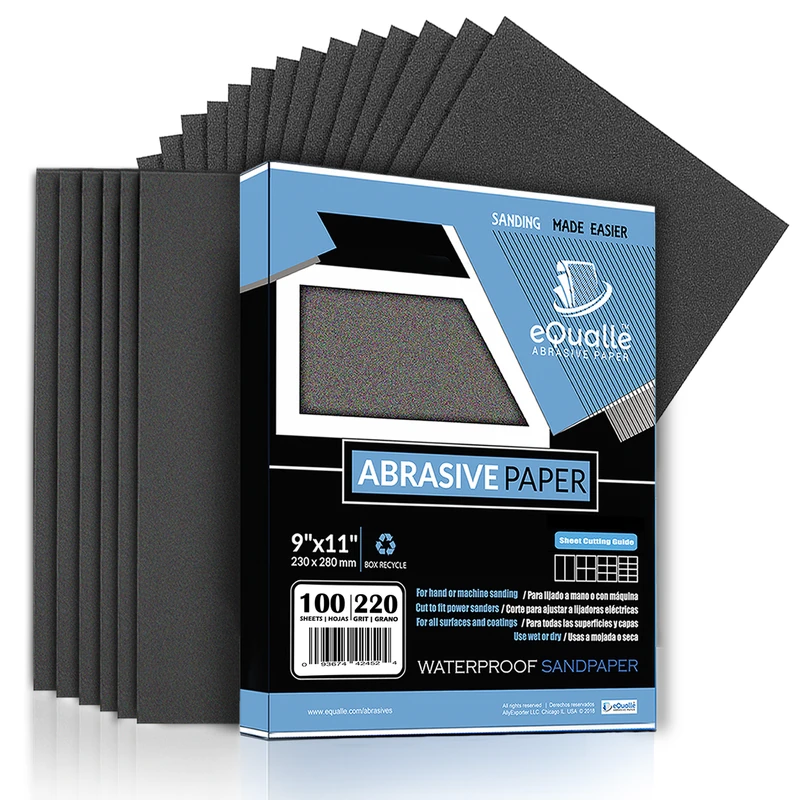
180 Grit Sandpaper Sheets (10-pack) — 9x11 in Silicon Carbide Abrasive for Wet or Dry Use — Medium finishing grit that refines wood, metal, or drywall before painting. Provides even texture and cutting control. Excellent for wet or dry sanding where a uniform surface is needed. (Professional Grade).
Frequently Asked Questions (FAQ)
Q: When should I choose ceramic sanding discs over aluminum oxide?
A: Choose ceramic for hard metals (stainless, high-strength steel, nickel alloys), heavy stock removal, or long grinding sessions where heat and dulling are issues. Ceramics self-sharpen under pressure, run cooler, and keep a consistent cut—ideal for weld blending, deburring, and aggressive leveling. Opt for aluminum oxide on softer materials, light scuffing, and very fine finishing where flexibility matters more than endurance.
Q: Do ceramic discs always last longer than aluminum oxide?
A: In demanding work, yes—ceramic typically outlasts aluminum oxide because it fractures to expose new sharp edges. However, longevity depends on proper pressure, speed, and material. If you use too little pressure or run at low speed, ceramic may not self-sharpen well and can feel underwhelming. Match the disc to the job and tool setup to see the endurance benefit.
Q: Are ceramic sanding discs worth the higher price?
A: Often. If you factor in fewer disc changes, faster cut rates, less rework from heat or inconsistent scratches, ceramics lower cost per part. For light prep on mild steel or wood, the premium might not pay back. But for stainless, hard alloys, or production runs, ceramics usually save both time and money.
Q: What grits should I use to blend a stainless weld with ceramic?
A: A common progression is 60 or 80 grit to knock down the bead, 120 to refine, then 180–240 to prep for finishing. Keep a firm backing pad, steady pressure, and moving passes to avoid heat tint. If you plan to polish, continue with 320–400, then switch to appropriate nonwoven or compound steps.
Q: Why do my discs load up on aluminum and plastics?
A: Soft materials smear and fill the abrasive. Use discs with anti-loading (stearate) coatings, enable dust extraction, and consider slightly coarser grit to maintain chip clearance. Periodically clean with a rubber stick. If loading persists, lighten pressure and increase pad motion to keep temperature down, or switch to a disc specifically designed for non-ferrous metals.