
Best sandpaper brand: disc life vs cut rate
I still remember the first time I tried to rescue my grandmother’s maple kitchen table. The top was a scabbed map of water rings and burnished scratches, the kind of patina that tells a story but divides a family: refinish or preserve. I set the random-orbit sander on the surface, clicked on the dust extractor, and braced for the ritual dance—slow passes, overlapping lanes, listening for that pitch that says the abrasive is biting. Ten minutes in, the first disc glazed. I swapped brands, then grits. Some discs cut fast but shed grit like confetti. Others ran cool but bogged down in resin-rich end grain. At the end of that long Saturday, I wasn’t just evaluating a finish. I was reevaluating my trust in consumables.
Ask ten carpenters about the best sandpaper brand and you’ll get twelve answers, usually delivered with conviction earned from long days under the whir of a sander. But subjective loyalty is a blunt instrument. As a product engineer, I care about measurable differences: how quickly a disc removes material (cut rate), how long it maintains that pace (disc life), how consistently it leaves a surface ready for the next grit, and what it costs per unit of work. The goal isn’t brand worship; it’s predictable, repeatable results—whether you’re leveling a slab, blending repairs, or sneaking up on a pre-finish sheen that hides in high-angle light.
There’s also the reality that abrasives are chemistry and geometry in motion. Grain type, shape, and friability determine how sharp edges replenish as they fracture. Backing stiffness controls pressure per grain. Net structures change dust dynamics. Coatings manage heat and loading. If we want to choose the right disc—not just a popular one—we need to look under the hood and test like we mean it.
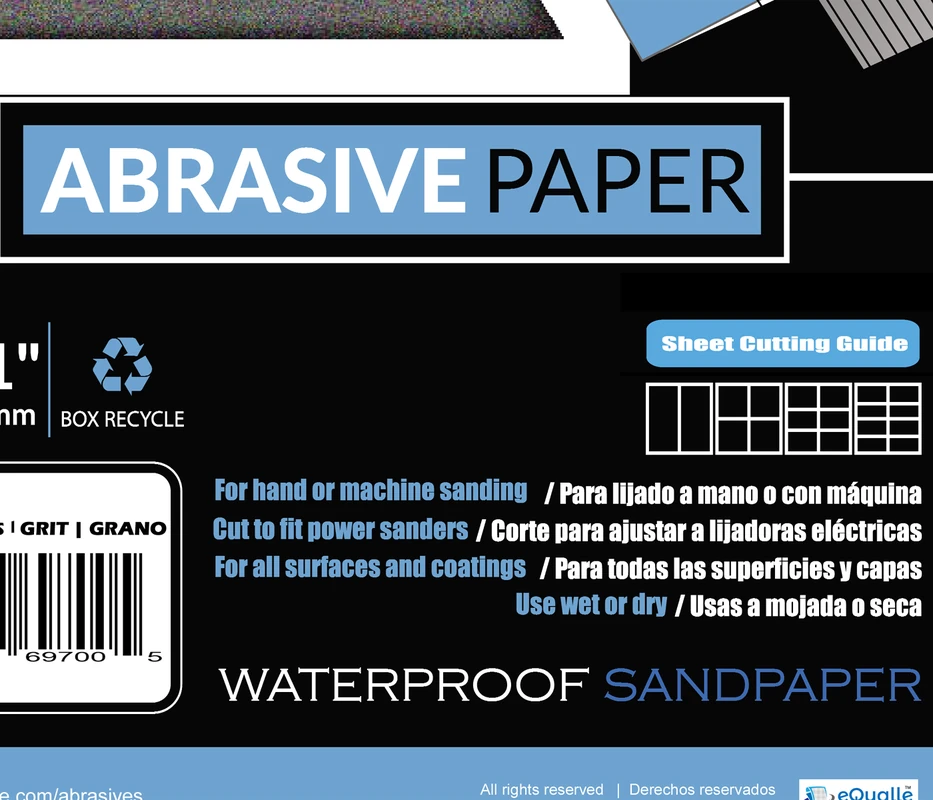
Quick Summary: I compared cut rate and disc life across leading sanding discs using controlled loads, dust extraction, and temperature monitoring to identify when each brand excels and how to maximize your discs’ performance.
Bench setup and test method
The test bench matters because sandpaper performance is incredibly sensitive to variables. I used 5-inch and 6-inch random-orbit sanders with 5 and 3 mm orbits, each connected to a variable-speed extractor tuned to constant airflow. Pads were medium density unless otherwise noted. Room humidity and temperature were held steady because moisture content changes loading behavior. Pressure was standardized with a weighted sled fixture so the footprint pressure stayed repeatable. This reduces the noise you often see when one operator presses harder on a “slower” disc and accidentally skews results.
Test panels covered common use cases:
- Hardwood: hard maple face grain, 8% moisture content, jointed flat.
- Softwood: southern yellow pine, 10% moisture content, to capture resin loading.
- Finish removal: a catalyzed varnish panel for P80–P120 evaluation.
- Primer leveling: automotive primer surfacer for P320–P400 film-backed tests.
Cut rate was evaluated as material removed over time under a fixed pressure and orbit, with repeats to ensure consistency. Disc life was defined as the usable time until removal rate dropped below a threshold where doubling passes was required to match initial removal—essentially the point at which you’d realistically change discs in the shop. I also monitored disc surface temperature with an IR sensor and logged dust extraction efficiency by weighing the extractor bag and measuring captured fines versus visible surface loading.
Brands included ceramic and aluminum-oxide options from well-known lines and budget alternatives. I rotated discs to fresh pads to control for hook wear, cleaned pads between runs, and allowed cool-down intervals to avoid heat stacking. The primary comparison focused on P80, P120, and P180 for stock removal and scratch refinement, then net and film-backed discs at P220–P400 where finish uniformity and loading resistance dominate.
In short: this was a “shop-real” protocol tuned to isolate abrasive performance, not a lab trial divorced from how we actually sand.
How to pick the best sandpaper brand for you
The best sandpaper brand for your work depends on what you sand, how you extract dust, and what your finish demands. There isn’t a single winner across all tasks, because abrasive systems are engineered with trade-offs.
Start with grain. Ceramic alumina (including precision-shaped variants) excels at sustained cut rate under pressure. It fractures to fresh edges instead of rounding off, giving long life on hard woods and finishes. Conventional aluminum oxide is versatile and inexpensive but dulls faster, so it tends to lag in life during heavy stock removal while remaining great for intermediate grits. Silicon carbide shines for very fine work, hard coatings, and between-coats sanding, particularly on film-backed discs.
Next, think backing. Paper backings (C/D/E/F weights) balance flexibility and cost; heavier papers run cooler under consistent pressure but can be prone to tearing around edges. Film backings offer uniform thickness and a flatter scratch pattern at higher grits, plus better tear resistance. Net discs trade a continuous backing for an open mesh, dramatically improving dust capture and heat management. The trade-off is lower abrasive density on the surface, which some users notice as slightly less bite until the dust advantage kicks in over time.
Coatings matter. Stearate load-resistant layers keep resin and paint dust from clogging the grain, preserving cut and finish. Anti-static treatments help dust extraction, particularly with net discs. Resin-over-resin bond systems resist heat better than animal glues, protecting grains from early release.
Finally, grit plan and workflow. A disc that cuts fast at P80 but leaves deep rogue scratches may cost you more time at P180 and P220. A brand that’s slightly slower but more uniform across discs might save you time and paper in the progression. If you’re sanding mostly with effective dust extraction and a 5 mm orbit, high-performance net ceramics tend to offer the best life-to-dust profile. If you’re on a non-extracted sander or sanding resinous softwoods, a stearated open-coat ceramic paper can be the productivity play.
In my tests, premium ceramic net and film-backed lines consistently ranked at or near the top for combined cut rate and disc life, while mid-tier aluminum-oxide papers offered strong value for intermediate grits where loading is lower and uniformity matters most.
Disc life vs cut rate trade-offs
Disc life and cut rate are interlocked by the micro-mechanics of the grain. A disc cuts when sharp edges strike, fracture, and renew. If the grain is too tough to fracture, edges round over, and the disc skates, generating heat and glazing. If it fractures too easily, the disc sheds useful material prematurely. Precision-shaped ceramic grains—think triangular shards formed rather than crushed—are engineered to micro-fracture predictably, replenishing cutting edges without losing mass too quickly. This is why top-tier ceramics tend to feel “fresh” longer under pressure.
Backing stiffness also plays a role. A stiffer backing concentrates pressure on a smaller contact area at any instant, increasing penetration and initial cut rate. That can help on hard maple or finish removal. But on softwoods, that same concentration can plow resin and dust deeper into the matrix, accelerating loading and heat. Mesh backings distribute pressure differently; the open structure and airflow reduce the thermal boundary layer, and dust exits through the entire disc area. The result is a stable cut rate over longer runs in many cases, especially with good extraction.
Coat density (open vs closed coat) shifts the balance. An open-coat disc leaves voids between grains to give dust somewhere to go, trading maximum initial bite for less loading and longer life on gummy substrates. Closed-coat discs stack more grains per area, boosting initial aggression but raising the risk of packing and heat under poor extraction.
You’ll also see disc life hinge on scratch consistency. Abrasives that orient grains electrostatically tend to produce a tighter scratch distribution. That means when you step from P120 to P180, you spend less time erasing outliers, effectively extending “useful life” because more of each disc’s run contributes to forward progress.
Anecdotally, woodworkers comparing mesh discs often comment on surprise longevity on resinous woods compared to standard papers. According to a article, moving to mesh can reduce visible loading and keep the disc cutting longer even if initial bite feels different—an observation consistent with my bench notes.
Brand-by-brand results and picks
I don’t crown a single winner for all tasks; instead, I map brands to jobs. Here’s how my controlled runs and shop use shake out.
3M Cubitron II (net and film-backed)
3M’s precision-shaped ceramic abrasives are the benchmark for sustained cut rate under pressure. The net variants pair that grain with outstanding dust extraction and cool running, which helps preserve consistent performance deep into a disc’s life. Film-backed Cubitron II in mid-to-fine grits leaves a notably tight scratch pattern that transitions cleanly through the progression. If you run effective dust extraction and push a 5 mm orbit on tough hardwood or finish removal, these discs feel like they keep “biting” long after others mellow. Price is premium, but the cost per project often pencils out because you use fewer discs and fewer passes.
Mirka Abranet and Abranet Ace HD
Abranet popularized the net-disc category for a reason: dust control. On the bench and in the booth, these discs keep the work surface remarkably clean, which maintains cut and lowers heat. Abranet Ace HD brings a tougher ceramic grain that narrows the gap in aggression against heavy-cut ceramics while retaining that signature clean sanding experience. Uniformity from disc to disc is a strength, particularly above P180 where finish consistency matters. If dust is your primary pain point—especially on resinous softwoods or painted surfaces—Abranet variants are a safe choice with predictable life.
Festool Granat and Granat Net
Granat paper-backed ceramics offer a balanced profile: strong cut, excellent loading resistance from the stearate system, and good disc life across hardwoods. Granat Net adds the airflow advantage and runs cool with robust hook-and-loop stability. What stands out is scratch consistency, which makes step-ups feel efficient. If your workflow already lives in a Festool ecosystem, these discs map well to the pad interface patterns and extractor tuning.
Norton (ProSand and Blaze)
Norton’s ProSand is a solid aluminum-oxide value performer for intermediate grits. It’s not a stock-removal monster, but in P120–P180 it’s predictable and leaves a clean surface without burning through your budget. Blaze, Norton’s ceramic line, steps up aggression and durability. For users who sand both wood and occasional metal or hard coatings, Blaze offers a durable ceramic that holds up under pressure, though dust control depends more on your extractor since it’s not a net disc.
Diablo SandNet
Diablo’s mesh discs target value with broad retail availability. In my runs, SandNet net discs offer good dust evacuation and decent life on softwoods and paint situations, with a lighter initial bite than premium ceramics. If you’re gearing up for a weekend project and want an affordable net option with better housekeeping than paper, these are a practical pick. They benefit noticeably from pairing with a competent extractor.
Sia, Indasa, and other pro lines
Sia’s Sianet and Indasa’s Rhynogrip lines present pro-grade uniformity and a spectrum of backings. Sianet’s net structure delivers strong dust capture and steady cut, while Rhynogrip film discs excel at fine-grit scratch uniformity for primer and clearcoat work. If your projects straddle cabinet work and finishing, mixing a ceramic net at coarse-to-mid grits with a film-backed fine grit from these lines can optimize both disc life and final surface quality.
Bottom line: for maximum combined cut rate and life on hardwoods with good dust extraction, premium ceramic net or film-backed lines lead. For mid-grit value sanding, aluminum-oxide papers from reputable brands remain cost-effective and predictable. Match the disc to the task and extraction you have, not the one you wish you had.
Pro tips to extend disc life
Most disc deaths are not caused by “running out of grit” but by heat and loading. A few changes in setup and technique can double practical life.
- Set extractor airflow to the disc, not just the sander. Too little CFM packs dust into the scratch pattern; too much can lift the disc and reduce contact. Tune for a faint “kiss” sound and visibly clear swarf trails.
- Use the right pad interface. A soft interface pad increases conformity on curves but raises heat and reduces cut on flats. On flat panels, go medium or hard to maintain pressure per grain and keep the disc slicing, not rubbing.
- Keep the orbit moving and overlap 50%. Lingering parks heat and resin directly under one segment of the disc, accelerating glazing. Smooth motion keeps grains cutting fresh wood and dumping dust into airflow.
- Break in a fresh coarse disc lightly. The first 10–15 seconds generate loose fines that can smear under pressure. A short, light pass helps stabilize the scratch before you lean in.
- Clean, don’t clog. If a disc starts to load, tap it against your palm or use a crepe block briefly while spinning at low speed. Avoid high-speed cleaning on the sander; it bakes the load into the resin.
Bonus: Watch edge contact. Rolling over a board edge with a soft pad focuses pressure on a small arc of the disc, overheating that sector and effectively “aging” the disc unevenly. Chamfer edges or ease onto edges with reduced pressure to avoid premature failure.
Buying guide and cost math
Sandpaper is a consumable, but it’s also a cost lever. Evaluating the best sandpaper brand for your shop means translating performance into cost per unit of work, not just sticker price per disc.
Think in three layers:
- Cost per minute of effective cut. A pricier disc that removes material faster and longer often wins when you factor labor.
- Cost per changeover. Each disc swap is a downtime tax, especially in production. Long-life discs pay back here.
- Cost per surface quality. A uniform scratch pattern saves time and discs at each subsequent grit.
A simple approach: on a representative project, tally how many discs you consume at each grit with Brand A versus Brand B, and time the passes to the same finish endpoint. Even without grams-per-minute data, you’ll see the operating cost trend quickly.
Match discs to your sander and substrate. A 3 mm orbit sander benefits from film-backed fine grits for a flat scratch; a 5 mm orbit makes the most of shaped ceramics for removal. If you have a high-flow extractor and multi-hole pads, net discs convert airflow into life. If you’re sanding mostly pine with a shop vac, a stearated open-coat paper might actually cut faster over an hour because it reloads itself less often in that environment.
Also consider:
- Grit availability in your progression. Some lines have sweet spots; e.g., phenomenal P80–P180 but ordinary P320–P400, or vice versa.
- Hook-and-loop compatibility. A strong hook base prevents disc slippage at high orbit and extends both pad and disc life.
- Pack size and consistency. Pro lines tend to have tighter grit and resin process controls, meaning fewer “outlier” discs that leave random deep scratches.
If you sand frequently, buy in sleeves and track usage. You’ll notice patterns: which grits you burn through, which brands feel consistent, and where upgrading yields a real productivity gain. For occasional users, spending a little more on the first and last grits in your progression often pays back in time saved.
BEST SANDPAPER I — Video Guide
A recent video titled “BEST SANDPAPER I have ever used! (plus other cool tools from TOOLANT)” follows a maker trying a new tool lineup and unexpectedly landing on a sandpaper that outperforms their usual picks. The host runs practical, shop-floor trials rather than lab tests, highlighting real-world bite, clogging resistance, and how the discs behave under continuous use.
Video source: BEST SANDPAPER I have ever used! (plus other cool tools from TOOLANT)
150 Grit Sandpaper Sheets (100-pack) — 9x11 in Silicon Carbide Abrasive for Wet or Dry Use — Balanced medium grit for surface preparation and between-coat sanding. Smooths minor imperfections in wood, paint, or primer. Works equally well for wet or dry applications in both DIY and professional projects. (Professional Grade).
Frequently Asked Questions (FAQ)
Q: How do you define cut rate and disc life in practical terms?
A: Cut rate is how quickly a disc removes material under a fixed load and orbit. Disc life is the usable time until that rate falls enough that you’d reasonably swap discs to avoid doubling passes. In the shop, you feel it as the moment the sander starts skating and heat rises.
Q: Mesh (net) vs film vs paper—how should I choose?
A: Mesh excels at dust extraction and cool, steady cutting, especially on resinous woods and with good vacuum. Film delivers a flatter scratch and tear resistance at fine grits. Paper is cost-effective and versatile; heavier weights run cooler but can tear at edges. Match to substrate, grit, and your extractor performance.
Q: Do precision-shaped ceramic grains always beat aluminum oxide?
A: For heavy stock removal and hard coatings, shaped ceramics usually maintain higher cut and longer life. However, in mid grits on easier substrates, quality aluminum oxide can be very cost-effective and leaves an excellent surface. Choose ceramics where pressure and heat are highest.
Q: Why do some discs leave random deep scratches?
A: Outlier scratches come from larger rogue grains, broken grit, or debris trapped under the disc. Switching to film-backed fine grits, cleaning the work surface, and using consistent pro-grade discs reduces these outliers. Electrostatic grain orientation also helps tighten the scratch distribution.
Q: When should I replace a disc?
A: Replace when cut rate drops enough that you slow down or push harder, or when heat rises and the surface begins to burnish. Visually, heavy loading or shiny glazed areas signal it’s time. Swapping at that point saves both time and surface quality in later grits.
In the end, picking the best sandpaper brand is less about logo loyalty and more about matching abrasive science to your task, tool, and dust control—and then letting measured performance guide the purchase.