
Silicon Carbide Sandpaper vs Aluminum Oxide Guide
On a quiet Saturday afternoon, you clamp down the last door of that heirloom dresser you’ve been restoring. The grain finally shows through the old varnish, but the surface still isn’t the mirror-smooth finish you pictured. You reach for a fresh sheet, feel the grit with your thumb, and hesitate—this is where the choice between silicon carbide sandpaper and aluminum oxide decides whether you’ll spend the evening admiring your work or chasing scratches you didn’t mean to make. Maybe you’re here because a paint finish went cloudy after dry sanding, or a clear coat took a hopscotch of swirls under shop lights. Or maybe your belt sander chewed through hook-and-loop discs like a wood chipper and you need something tougher and more predictable.
Sanding rarely makes headlines; it’s the quiet craft behind work that looks effortless. Yet the differences between these two abrasives are more than labels on a shelf—each grain shape, fracture pattern, and backing type changes how quickly you cut, how long your paper lasts, and how clean your final surface looks. Aluminum oxide is the dependable, long-run workhorse; silicon carbide sandpaper is the fast-cutting, fine-finish specialist, especially when you introduce water and delicate coatings into the mix. Knowing when to switch makes sanding feel less like trial-and-error and more like a recipe you can repeat.
Whether you build furniture, tune up automotive paint, or level epoxy fills, the right abrasive saves time and keeps your finish out of the danger zone. Let’s make the “which paper for what task” decision simple—so you can sand less, finish faster, and see results that hold up under the closest light.
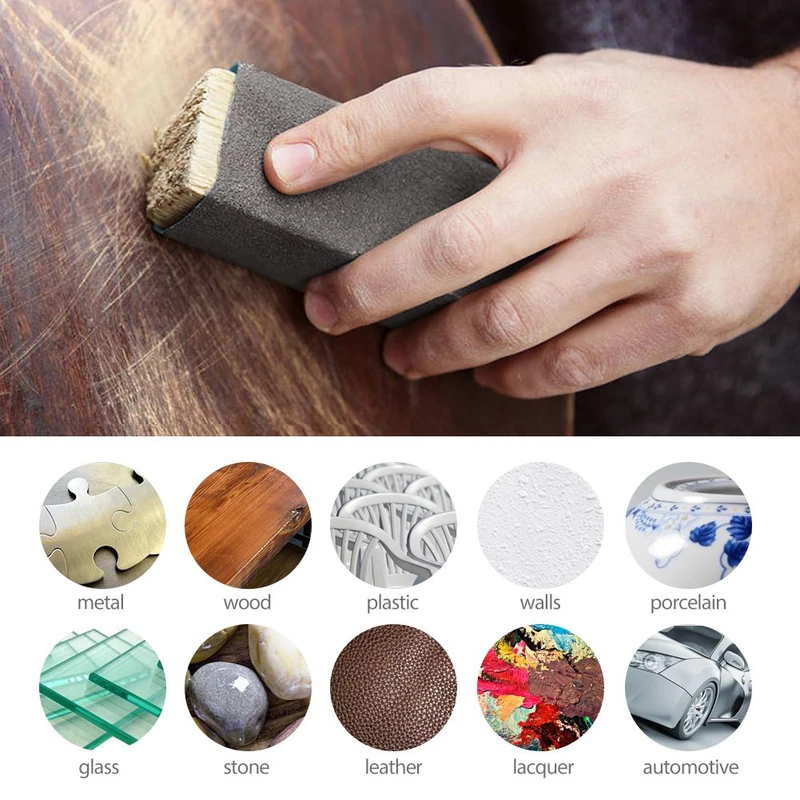
Quick Summary: Aluminum oxide is tough and long-lasting for wood and general metal work; silicon carbide sandpaper cuts faster and leaves a finer finish, especially wet on paints, clear coats, and hard materials.
Why Abrasives Feel So Different
If you’ve ever wondered why two sheets with the same grit number behave differently, the answer is in the grain. Abrasive grains aren’t just “sharp or dull”—they each have a shape, hardness, and fracture behavior that dictates how they cut.
- Grain shape: Silicon carbide (SiC) grains are sharp and needlelike. They start out aggressively, biting in with a crisp scratch pattern that levels high spots fast. Aluminum oxide (AlOx) grains are more blocky. They aren’t as razor-sharp on the first pass, but they resist breaking and hold up under pressure.
- Hardness and friability: SiC is extremely hard and friable—it fractures easily into new sharp points. That’s ideal for hard materials and for keeping a fine cut during wet sanding. AlOx is somewhat less hard but tougher; it micro-fractures gradually, so it lasts longer on belts and discs where heat and pressure are higher.
- Scratch pattern and finish: SiC tends to leave a smaller, more uniform scratch, which makes it wonderful for intermediate and final stages before polishing. AlOx leaves a broader scratch that removes stock efficiently on wood and general metalwork.
There’s a tactile difference when you run your fingers over them: SiC feels sharper; AlOx feels grainy but stout. In practice, this means SiC excels on hard, brittle surfaces (glass, stone, ceramics, epoxy, cured finishes) and in wet sanding; AlOx shines when you need a durable abrasive for wood and mild steel that won’t burn through the budget.
Backing and coating matter, too. Open-coat sandpapers (with space between grains) resist clogging in soft materials like pine; closed-coat delivers a smoother finish on hard surfaces. Waterproof backings let you use water or a little soapy solution with SiC to carry away swarf and prevent deep scratches. With these fundamentals in mind, your choice becomes less about brand loyalty and more about matching the grain to the job.
When silicon carbide sandpaper truly shines
Think of silicon carbide sandpaper as your specialist for hard, coated, or delicate surfaces—especially when water is part of the process. It’s the go-to for automotive color sanding, between-coat leveling on varnish or lacquer, and flattening epoxy pours without gouging.
- Automotive and clear coats: SiC’s sharp, consistent cutting action is ideal for leveling orange peel or dust nibs in clear coats. Used wet, it leaves a refined scratch that polishes out predictably. Typical progressions might run 1000 → 1500 → 2000 → 3000 before you reach compound and polish.
- Finishes and film builds: On shellac, lacquer, or polyurethane, SiC used wet with a drop of dish soap keeps abrasive cool and prevents pilling. Wet sanding at 320–600 between coats gives you a level, satin-smooth surface that’s ready for the final coat without witness lines.
- Epoxy and composites: Epoxy is hard and clogs easily—bad news for most papers. SiC cuts it cleanly, and wet sanding clears slurry so you don’t drag debris across the surface.
- Glass, stone, and ceramics: SiC is harder than many materials you’ll shape or polish in these categories. With the right progression and lubrication, it leaves a controlled scratch pattern ideal for polishing stages.
Because SiC is brittle, sheets may not last as long under heavy pressure. That’s not a flaw; it’s how the grain stays sharp. Embrace frequent changes of paper as part of your finishing routine—especially as you step into finer grits. The payoff is fewer stray scratches and a finish that buffs out faster.
Practical setup for wet sanding with SiC:
- Pre-soak your sheets 10–15 minutes to soften the backing and release any loose grit.
- Add a small drop of dish soap to your water for better glide and to reduce surface tension.
- Use a soft interface pad or a rubber sanding block to keep pressure even, especially on curves.
- Wipe the slurry every few passes with a squeegee or clean microfiber to inspect the surface.
When results matter and time is finite, silicon carbide lets you cut aggressively at first and still finish fine—especially if your final step is polish, not a sander.
Aluminum oxide’s strengths and limits
Aluminum oxide is the middleweight champion of everyday sanding. It’s tuned for long runs, heat resistance, and value—traits that matter when you’re stripping, leveling, or shaping material rather than chasing perfection under a spotlight.
- Woodwork: AlOx shines from rough stock removal through early surface prep. Belts and discs in 60–120 grit chew through planing marks, glue squeeze-out, and uneven panels without glazing. It’s tougher than it is sharp, so it survives heat and pressure on belt sanders, orbital sanders, and drum sanders.
- Metals: For mild steel, aluminum, and general-purpose deburring, AlOx offers a good balance of cut and life. It won’t microchip like SiC and will keep working as it dulls slowly. For stainless or high-pressure metal grinding, consider ceramic alumina or zirconia belts—but for everyday tasks, AlOx is cost-effective and consistent.
- Dry sanding: AlOx performs dry without drama, especially in open coat with stearate to fight loading on resinous woods. It’s less suited to wet sanding—and less ideal for final polishing steps on clear coats—but it’s a reliable lead-in for those finishing stages.
Limitations to note: AlOx can leave a slightly deeper scratch pattern than SiC at equal grit. If you’re heading into a high-gloss finish, plan your progression to transition from AlOx to SiC before the final grits. Also, AlOx tends to load more on gummy finishes or soft metals. That’s where a stearated, open-coat option or a quick swap to SiC can save your session.
A classic workflow uses AlOx to establish flatness and shape (think 80 → 120 → 150 on wood), then moves to SiC for controlled, final refinement—especially if you’ll be polishing, topcoating, or working on hard surfaces. Used this way, AlOx sets the stage efficiently and leaves the delicate finish work to the abrasive that’s built for it.
Choosing grits, backings, and lubricants
Matching abrasive to material is only half the picture; the other half is grit, backing, and how you manage heat and debris.
Grit selection guidelines:
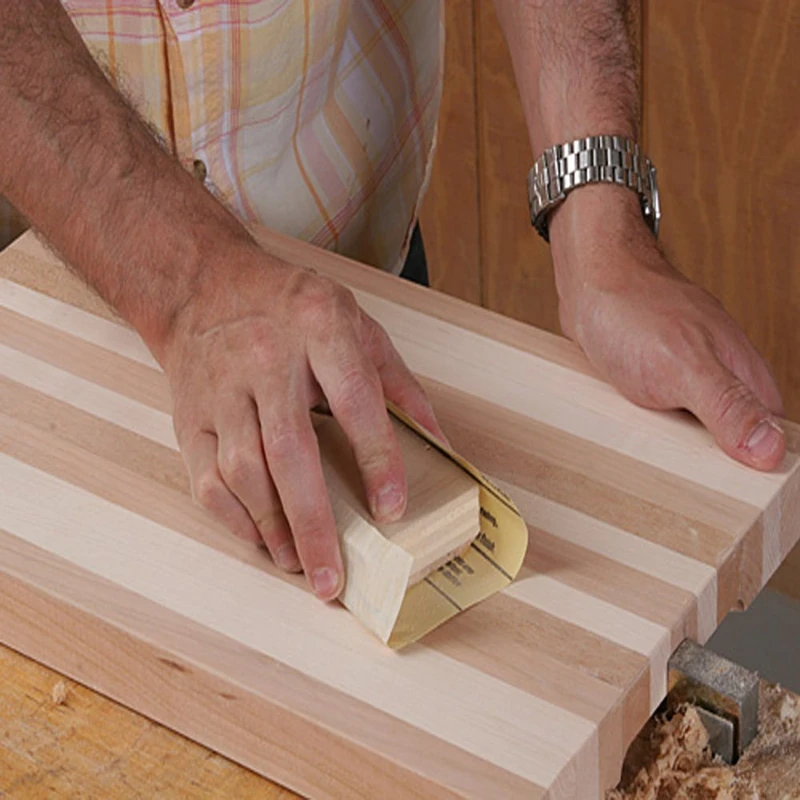
- Woodstock removal and leveling: Start 60–80, move to 100–120, finish 150–180 with AlOx. If staining, stop at 150–180 to keep pores open.
- Between coats on finishes: SiC wet at 320–600. For a satin glow, stop around 600 before the final coat; for high gloss, continue to 1000–1500 before polishing.
- Automotive clear: SiC wet at 1000–3000. Use 1000–1500 to flatten, 2000–3000 to refine for compound.
- Metals: AlOx at 80–220 for deburring; SiC for final pre-polish passes at 400–800.
Backing and coating:
- Paper weights: C/D-weight paper is flexible for hand sanding; E/F-weight is sturdier for machine sanding. Film-backed abrasives deliver ultra-uniform scratch patterns in fine grits—great for automotive finishing.
- Cloth backings: Choose for belts and heavy stock removal; they resist tearing and heat.
- Coating density: Open coat for soft, clog-prone materials; closed coat for hard surfaces and finer finishes.
- Stearate: A white, waxy load-resistant coating common on papers for paint and resinous woods. It helps keep the sheet cutting instead of skating on dust.
Lubrication and cleanliness:
- Use water with a touch of dish soap for SiC wet sanding. Keep surfaces clean to avoid embedding grit.
- For oil-based finishes, consider mineral spirits for lubrication, but confirm compatibility on a test spot.
- Clean belts and discs with a rubber cleaning stick to extend life.
According to a article, SiC typically cuts faster but wears sooner, while AlOx trades a slightly slower cut for greater durability—exactly why a hybrid workflow often gives the best results.
Quick setup steps for predictable sanding:
- Mark the surface lightly with a pencil crosshatch. Sand until the marks just disappear—that’s your cue to move up a grit.
- Step through grits methodically (no more than 50% jumps in grit size) to avoid chasing deep scratches later.
- Wipe or vacuum between grits. Dust from a coarser grit can sabotage your next pass.
Cost, lifespan, and sustainability
Cost per sheet or disc only tells part of the story. What matters is cost per finished surface—how many consumables you burn to reach a consistent result.
- Lifespan: AlOx generally lasts longer, especially on machines. It resists heat and dulling and tolerates pressure. If you push hard to remove material, AlOx stays in the ring. SiC cuts fast but is brittle; it excels with lighter pressure, finer grits, and wet sanding where the slurry carries debris away.
- Speed vs. replacement: SiC’s fast cut can save time on hard surfaces or when refining finishes—but be ready to swap sheets sooner. In clear coat workflows, that’s a trade most finishers accept gladly because fewer rogue scratches mean less polishing time.
- Waste reduction: Use the right grit from the start. Beginning too fine forces you to linger and burn through more paper. For belts and discs, a rubber cleaning stick can double or triple life on resinous woods.
- Sustainability: Neither abrasive is “green” by default, but your process can be. Use dust collection and wet-sanding to reduce airborne particles. Choose longer-lasting backings (film for fine grits, cloth for belts). Consider buying in packs that match your actual consumption rate to avoid aged inventory that sheds grit prematurely.
For many shops, the best economy is a split strategy: AlOx for bulk work; SiC for the last 10–20% of steps where finish quality matters most. That hybrid not only reduces consumable spend but also yields more consistent, repeatable outcomes across projects, which means fewer do-overs.
Real‑world workflows and pro tips
Bringing it all together, here are focused workflows you can adapt—and a handful of field-tested tips to minimize frustration and maximize finish quality.
Furniture refinish (varnish or lacquer):
- Strip and flatten with AlOx 80 → 120 → 150. Check flatness with a raking light.
- Seal coat applied; level with SiC wet 320–400 using a soft block, then recoat.
- Final leveling with SiC wet 600–1000, then polish or apply the final coat for a glassy surface.
Automotive clear coat:
- Level orange peel with SiC wet 1000–1500 using light pressure and a foam interface on a DA or by hand on edges.
- Refine to 2000–3000 SiC wet. Keep the panel clean—wipe slurry often.
- Compound and polish in steps to remove the remaining haze.
Epoxy river table or resin inlays:
- Start with AlOx 80–120 on wood to avoid deep scratches in resin later.
- Switch to SiC wet at 400–800 across the whole surface to unify the scratch pattern.
- Polish with appropriate compounds or continue with 1000–2000 SiC wet before buffing.
Metal deburr and pre-polish:
- Knock down edges and burrs with AlOx 120–220.
- Transition to SiC 400–800 for a finer cut before moving to nonwoven pads or polishing compounds.
Actionable tips that make a difference:
- Tip 1: Pre-soak SiC sheets for 10–15 minutes. The backing becomes more supple, and the grit beds in, reducing stray scratches.
- Tip 2: Use guide coats. A very light mist of contrasting paint or a pencil grid reveals low spots and tells you when to step up a grit.
- Tip 3: Crosshatch your strokes. Alternate direction 90 degrees between grits to spot deeper scratches that survive the previous pass.
- Tip 4: Add a drop of dish soap to your water. It improves glide, reduces clogging, and helps you “feel” the surface leveling.
- Tip 5: Change paper sooner than you think. If you need more pressure to keep cutting, the sheet is done; pushing harder invites defects.
These patterns keep you in control: AlOx for shaping and longevity; SiC where you need a clean, tight scratch pattern and the option to sand wet without drama. The more you keep these roles distinct, the smoother your finishing process becomes.
Color Sanding Aluminum — Video Guide
If you’ve ever debated which paper to use on automotive clear coats, this video breaks it down in practical terms. It compares aluminum oxide and silicon carbide in real-world color sanding, showing how each cuts, how quickly they clog, and what the scratch pattern looks like under inspection. You’ll see why wet-sanding with SiC tends to leave a finer, easier-to-polish surface, while AlOx can struggle on delicate coatings.
Video source: Color Sanding Aluminum Oxide Vs Silicone Carbide Sandpaper - Which Is Best!? (Yes, there Is a Best)
150 Grit Sandpaper Sheets (25-pack) — 9x11 in Silicon Carbide Abrasive for Wet or Dry Use — Balanced medium grit for surface preparation and between-coat sanding. Smooths minor imperfections in wood, paint, or primer. Works equally well for wet or dry applications in both DIY and professional projects. (Professional Grade).
Frequently Asked Questions (FAQ)
Q: Is silicon carbide sandpaper always better for fine finishes?
A: Not always, but often. SiC leaves a tighter, more uniform scratch and works beautifully with water on clear coats, finishes, epoxy, and hard materials. On bare wood or for heavy stock removal, aluminum oxide generally performs better and lasts longer.
Q: Can I dry sand with silicon carbide?
A: Yes, but it shines when used wet. Dry sanding with SiC is possible for intermediate grits, though it will load faster and wear sooner. For finishes and clear coats, wet sanding dramatically improves consistency and reduces deep scratches.
Q: What about stainless steel or hard alloys—SiC or AlOx?
A: For aggressive grinding on stainless or tough alloys, ceramic alumina or zirconia belts are often superior. For deburring and pre-polish stages, AlOx is a good workhorse, and SiC can handle final refinement before polishing.
Q: How do I avoid swirl marks with a random orbital sander?
A: Use quality discs (film-backed for fine grits), keep the pad flat, run the sander at moderate speed, and don’t press down—let the abrasive cut. Vacuum between grits and step gradually. For high-gloss finishes, finish by hand or with an interface pad and SiC wet.
Q: Are grit numbers the same across brands?
A: Stick with FEPA “P” grits (e.g., P1000, P2000) for consistency. ANSI/CAMI and FEPA scales don’t match exactly, especially in finer grits. Check the label and, when in doubt, compare by feel or consult the manufacturer’s conversion chart.