
Between Coats Sanding: Best Grit for Polyurethane
The first time you run your hand across a newly finished table and feel the faint drag of tiny dust nibs, you understand why the small steps matter. Maybe it’s a maple dining top you’ve been nursing through long evenings, or a simple pine shelf that somehow carries outsized meaning. You’ve brushed on a smooth coat, waited patiently, and yet—under a raking light—tiny specks wink back at you like a constellation you didn’t intend to draw. That’s the moment when many projects turn from “good enough” to “I want this perfect.” And the bridge to perfect is almost always between coats sanding.
If you’ve ever rushed this step, you know the consequences: a topcoat that doesn’t bond as well as it should, subtle but persistent texture, or worse—witness lines and cut-throughs that set you back a full coat. It’s tempting to think the next layer will hide imperfections, but polyurethane behaves much like glass: it magnifies what lies beneath. The secret to a finish that feels like a single, unbroken sheet isn’t adding more; it’s refining what you already have.
The good news is that intercoat abrasion doesn’t require heroic effort or boutique tools. It asks for the right grit, a gentle touch, and a clear goal: flatten dust nibs, promote adhesion, and leave no visible scratches that the next coat can’t bury. With a plan, a few sheets of quality paper, and an understanding of how polyurethane cures, you’ll move from “nearly there” to “silky-smooth” predictably—without risking cut-through or haze.
Whether you’re finishing a treasured heirloom or your first nightstand, this guide will help you choose the best grit for sanding between coats of polyurethane, fine-tune your technique, and troubleshoot the quirks that the finishing room loves to throw at us. Think of it as a compact, confidence-building walk-through designed to elevate both your process and your results.
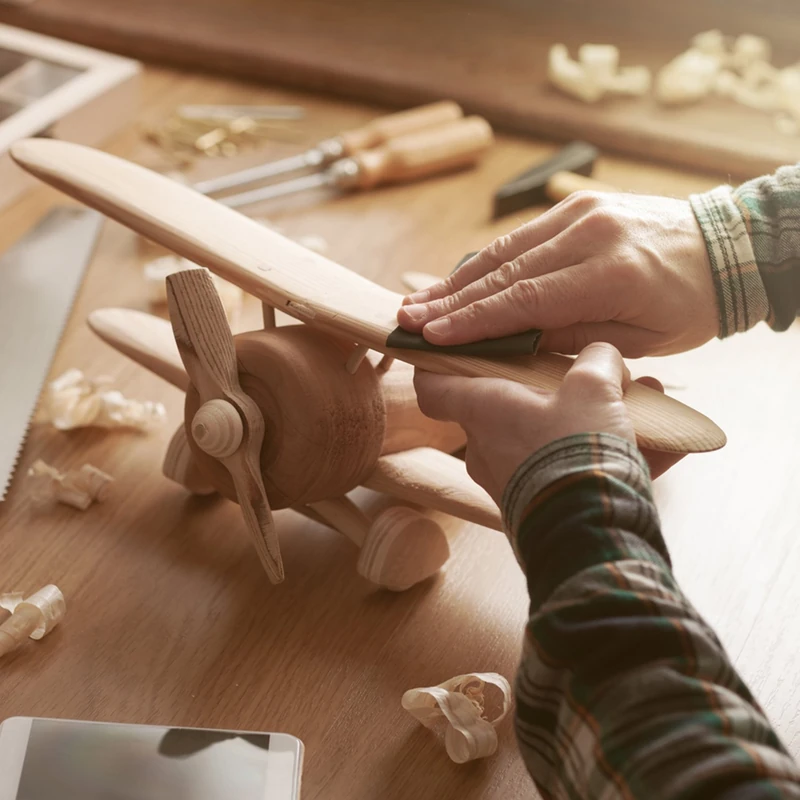
Quick Summary: For polyurethane, sand lightly between coats with 320–400 grit (220 only for early leveling), use light pressure, and stop when nibs are gone and dust powders.
Start with the right surface
Before debating the best grit for sanding, lock in a surface that sets you up for success. Finishing scratches from bare-wood prep can telegraph through your film if they’re too coarse, so aim to end your raw sanding at 180–220 grit on hardwoods (sometimes 150 on open-grain woods if you’ll be filling), and raise the grain with a damp cloth if you plan a water-based poly. Leveling starts sooner than many expect—during the first coat’s cure—so plan to remove early dust nibs then, not later.
Dry time matters more than the clock on the wall. Oil-based polyurethane needs to harden until it powders when abraded—often 12–24 hours at 70°F with modest humidity. Water-based poly is faster, sometimes ready in 2–4 hours, but it still needs to reach a “powder stage” before you touch it. If the finish gums up your paper, it’s not ready; wait and try again. A simple test: swipe a small, hidden area with 320 grit. If you get fine, dry dust, you’re good. If you get smears, give it more time.
The first intercoat sanding is the time to address runs, sags, or orange peel. If you see a localized high spot, spot-level with a small, hard block and 220–320 grit, keeping your strokes confined to the defect. The goal is not to flatten the entire coat—only to knock down imperfections and create a uniform scratch pattern for adhesion. Over-sanding the first or second coat is how many people cut through at edges and corners; protect those areas by backing off pressure or masking them until later coats build.
Cleanliness sets the tone. Tack off dust with a microfiber cloth or a clean, lint-free rag. Avoid household paper towels; they can shed fibers that become nibs. If your space allows, mist the air lightly with water before sanding to settle airborne dust, and use a vacuum with a brush attachment between steps. These small resets reduce how much work the next coat must do.
Why between coats sanding changes the finish
If you’ve ever wondered why sanding is needed between coats of a modern finish, the answer lives in both physics and chemistry. Mechanically, intercoat abrasion knocks off protrusions—dust nibs, tiny runs, and accidental fibers—so the next layer can flow evenly. Chemically, the microscopic scratches give your next coat more surface area to grip. With polyurethane, especially oil-based varnishes that cure via cross-linking, you can’t rely purely on chemical bonding once the previous coat hardens; you’re aiming for a hybrid of chemical “bite” (if recoated within the recoat window) and mechanical adhesion (thanks to your scratch pattern).
Think of each coat like a sheet of thin, clear plastic. If it’s full of peaks, you’ll paint the next sheet over those peaks, preserving the unevenness. A light pass with 320–400 grit removes the peaks and leaves valleys—regular, shallow micro-scratches—so the next coat keys in and levels more predictably. The result is less texture, fewer visible defects, and a build that looks like one continuous film instead of stacked layers.
The size of your scratches matters. Coarse scratches (say, 150–220 grit) create deep valleys that can be visible through thin-film finishes, particularly wipe-on poly. Fine scratches (320–400 and up) virtually disappear, yet still promote adhesion. That’s why the best grit for intercoat work usually lives in the 320–400 range, with 220 reserved for early problem-solving or leveling stubborn nibs on thicker brushed coats.
There’s also the issue of clogging. Polyurethane dust can cake on abrasive surfaces, creating random deep scratches and swirl marks. Stearated papers (labeled “no-load” or “anti-clog”) stay cleaner longer, especially with oil-based dust. Open-coat abrasives and mesh-style discs (like Abranet) excel at keeping dust out of the scratch path. The cleaner your abrasive, the more uniform your scratch pattern—and the less work the next coat has to do.
Pick the right grit and media
Let’s get specific. For most projects, the best grit for sanding between coats of polyurethane is 320–400. This range is aggressive enough to remove nibs and provide tooth, yet fine enough to disappear under the next coat. Where you land in that range depends on the product and how you apply it:
- Brushed oil-based polyurethane: 320 grit between coats is a reliable default. If you see noticeable dust nibs or light orange peel, start with 320 and switch to 400 as you reach your final coats to reduce the risk of visible scratches.
- Wipe-on oil-based polyurethane: Go finer—400 to 600—because each coat is thinner. Deep scratches from 220–320 can telegraph after the next thin layer.
- Water-based polyurethane: 320–400 grit is safe. Water-based films are clearer and can show scratches more readily; lean toward 400 on your last intercoat sanding before the final coat.
- Sprayed polyurethane or conversion varnish: If your build is thin and even, 400–600 grit or a fine synthetic pad (gray) keeps the surface ready for the next pass without cutting too deeply.
Use the abrasives that match your workflow. Stearated aluminum oxide papers are a great general-purpose choice. Foam-backed pads conform to gentle curves without digging in. Gray nonwoven pads (often labeled “ultra-fine,” roughly equivalent to 320–400 grit) are excellent for scuff-sanding complex profiles, but they can round over edges—use with care.
According to a article.
A few edge cases matter. If you need to flatten significant texture early in the process—say, after your first coat trapped more dust than you expected—briefly step down to 220 grit on the affected area with a hard block, then move back up to 320 for a uniform scratch pattern before recoating. If you’re in the final stages and the coat is already very smooth, a light pass with 400–600 grit or a fine abrasive pad is all you need. And remember: skip steel wool with water-based polyurethane; any stray fibers can rust under the clear coat. Synthetic pads give a similar result without the risk.
Technique, tools, and troubleshooting
Even the right grit can go wrong with heavy hands or the wrong tool. The goal of between coats sanding is not to make the surface “look sanded”—it’s to make it feel uniformly smooth and ready. Here’s how to get there with precision and confidence.
Technique comes first. Sand by hand whenever possible, using a soft sanding block or folded paper. Keep your strokes light and even, moving with the grain on flat panels. Two or three passes are usually enough. Watch the dulling pattern under raking light; a consistent, matte sheen signals you’ve scuffed the whole surface. Stop as soon as nibs and gloss islands disappear. Over-sanding burns time and increases the risk of cut-through, especially on edges—treat them like delicate zones and apply less pressure or skip them entirely until later coats build.
Power tools have a place, but with caution. A well-tuned, low-speed random orbit sander paired with 320–400 discs can be efficient on large tabletops. Use very light pressure and keep the sander moving; let the abrasive do the work. Vacuum sanding or mesh discs improve dust extraction, preserving your scratch consistency. Avoid aggressive grits or hard pads at this stage—they can leave pigtails that show through clear films.
Know your signals. White, dry dust is your friend: it means the coat is hard and you’re abrading cleanly. Gummy residue means the finish isn’t ready or your grit is too fine and overheating—wait longer or switch to a fresh abrasive. If you see dark lines or sudden shiny patches while sanding, you may be close to cutting through; stop and reassess. A quick wipe with mineral spirits (for oil-based) or water (for water-based) temporarily reveals how the surface will look under the next coat.
Actionable tips:
- Use raking light: Set a portable light at a low angle to highlight nibs, runs, and shiny islands so you sand only what needs it.
- Float the paper: Hold the abrasive like you would a credit card on a countertop—light, even, and guided—so you don’t dig into edges.
- Clean as you go: Vacuum and wipe with a microfiber cloth between sections; dust left on the surface can become the next nib.
- Protect edges: Wrap a single layer of blue tape on sharp corners to reduce cut-through risk during early coats.
- Test a small patch: Before committing, sand a 3-inch square, wipe clean, and apply a dab of finish; if scratches disappear under the wet film, your grit is appropriate.
If mistakes happen, recover strategically. For isolated cut-throughs, feather the area with 400 grit, spot-apply a thin coat, let it cure, then resand lightly and resume normal coating. For widespread witness lines after leveling, add one extra coat and step up to a finer grit for the next intercoat sanding. Patience is the shortest route to a flawless surface—each careful pass builds a film that looks and feels like poured glass.
Improper sanding between — Video Guide
If you’re more of a visual learner, this video breaks down the most common pitfalls when sanding between coats of finish and shows how to avoid them. You’ll see the difference between light scuff-sanding and aggressive leveling, how much pressure to use, and how to confirm you’re removing nibs without dulling the entire film unnecessarily.
Video source: Improper sanding between coats of finish- HOW TO AVOID IT!
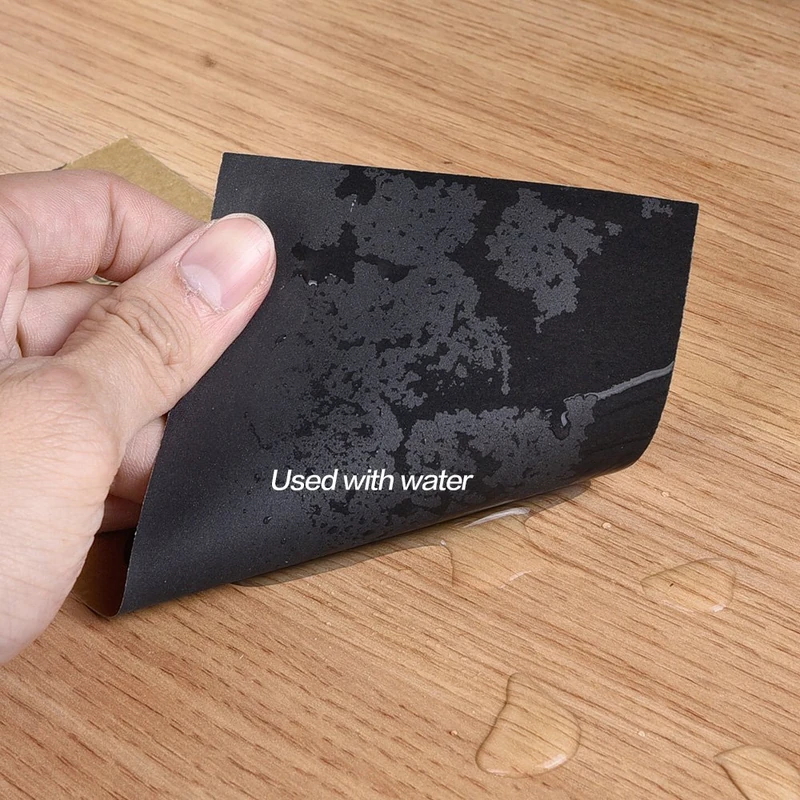
400 Grit Sandpaper Sheets (25-pack) — 9x11 in Silicon Carbide Abrasive for Wet or Dry Use — Ultra-fine abrasive for refining surfaces before polishing or coating. Commonly used in auto body repair and resin finishing. Produces flawless smoothness with wet or dry sanding. (Professional Grade).
Frequently Asked Questions (FAQ)
Q: What’s the best grit for sanding between coats of polyurethane?
A: Use 320–400 grit for most intercoat sanding. Drop to 220 only to knock down early dust nibs or runs, and go finer (400–600) for wipe-on or final coats.
Q: Should I sand between every coat of polyurethane?
A: Yes, for most brush or wipe-on applications. Light scuff-sanding removes nibs and promotes adhesion. If spraying in a controlled environment, you may skip a scuff coat if within the recoat window—but a quick pass still improves consistency.
Q: How do I know if the finish is ready to sand?
A: Sand a small area with 320 grit. If you get fine, dry dust, it’s ready. If it smears or gums, wait longer. Oil-based typically needs 12–24 hours; water-based can be ready in 2–4 hours depending on conditions.
Q: Can I use steel wool between coats?
A: Avoid steel wool under water-based polyurethane—it can rust if fibers remain. For oil-based, extra-fine steel wool can work, but synthetic pads (gray) are safer and leave a consistent scratch without shedding.
Q: How much pressure should I use when sanding?
A: Very light pressure—let the abrasive cut. Two or three light passes with 320–400 grit are usually enough. Over-pressure causes deep scratches, pigtails, and cut-throughs, especially on edges.