
Surface Preparation: Scuff Sand Glossy Paint Right
There’s a moment every DIYer knows: coffee in hand, paint tray loaded, roller whispering across the wall—and then the dreaded slip. The glossy trim or cabinet door you thought you tamed suddenly sheds the new coat like a rain jacket, beading, sliding, or peeling on touch. I’ve been in that room more times than I can count, from weekend bathrooms to full commercial corridors, and the conclusion’s always the same—before color comes control. That control starts with surface preparation. Not flashy, not glamorous, but it’s the one step that makes every coat after it look better and last longer.
Years ago, I walked onto a job where the walls had been primed the day before, but the gloss enamel beneath was untouched—no scuff, no dewax, no wipe-down. The primer looked fine at a glance. By lunchtime, we were seeing fisheyes and edge-lifting around door frames. It wasn’t the product; it was the lack of tooth. Glossy paint is designed to resist. It resists grime, fingerprints, and—if you don’t intervene—your next coat. The fix isn’t brute force sanding that chews through to bare material. It’s controlled, uniform scuff sanding that breaks the sheen, adds micro-scratches, and gives your primer a mechanical anchor.
I like to think of scuff sanding as the handshake before the deal. You don’t need to grind. You just need a consistent dullness across the surface, the kind you can see under angled light. Set up your lights, pick your grit, and keep it even. Do that right, and your primer will grab like a climbing shoe on warm rock. Skip it, and even premium products can fail you. In this guide, I’ll show you exactly how I scuff sand glossy paint to improve primer adhesion—what tools work, which grits to use, how to keep dust down, and how to test if you’ve nailed it—so your finish looks professional and stays that way.
Quick Summary: Light, even scuff sanding to degloss, followed by a clean wipe and the right primer, transforms slippery glossy paint into a reliable base that grips and lasts.
Why Glossy Paint Won’t Let Go
Glossy coatings are engineered to repel. Their tightly bound polymer chains create sleek, low-friction surfaces. Oils, smudges, and—unfortunately—new paint struggle to bite. When you’re putting fresh primer over old gloss, you’re battling both chemistry and physics: low surface energy, minimal microtexture, and possibly contamination like wax, cleaners, or cooking oils. That’s why simply rolling on a “bonding” product without prep can still fail.
First, understand what adhesion needs. You want two things: mechanical key and clean chemistry. Mechanical key comes from creating fine, uniform scratches—think dull frost rather than deep grooves. Chemically, you need a surface free of soap residue, silicone, or polish. If you clean with the wrong product (like a shiny furniture polish the night before), even a well-sanded surface can reject primer in spots.
A common trap is overconfidence in ultra-bond primers. They’re excellent, but they still benefit from a scuffed, clean substrate. I’ve done side-by-sides: one panel cleaned and scuffed, another just cleaned. After curing, a simple cross-hatch tape test told the story—scuffed panels hold through peel tests; untouched gloss lifts at the edges.
What we’re after is not removal, it’s transformation. You don’t need to strip to bare wood or metal to succeed. You need to break the sheen uniformly, address contaminants, and confirm with your eyes and fingertips. If the panel looks evenly matte under a raking light and feels faintly silky—not slick—you’re on track. From there, the right primer completes the bond, but the win starts with the scuff sanding done right.
Smart surface preparation for stubborn gloss
Gloss puts up a fight, so tighten your process. Surface preparation here means staging, cleaning, scuffing, and verifying before the primer ever comes out of the can. Do it in this order and you’ll save yourself callbacks and touch-ups.
Tools and materials:
- Deglosser or detergent (TSP substitute) and warm water
- Microfiber cloths and a bucket
- Painter’s tape and masking paper/plastic
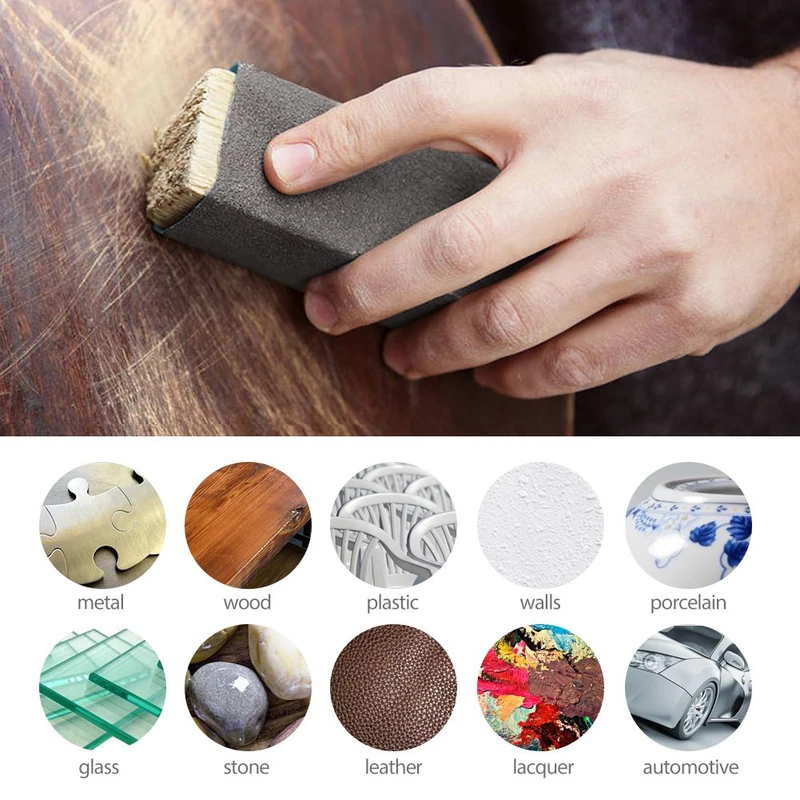
- Sanding pads (non-woven fine/ultra-fine) and sanding sponges
- Sandpaper: 180–320 grit (details below)
- Vacuum with brush attachment, tack cloth, or damp microfiber
- Raking/work light and nitrile gloves
Step-by-step scuff sanding:
- Protect and clean: Mask adjacent surfaces. Remove dust with a vacuum, then wash the glossy paint with a TSP substitute. Rinse with clean water and let dry. Oils and cleaners must go before you sand; otherwise, you’ll grind contaminants into the profile.
- Pre-check the sheen: Turn off overheads, use a raking light at a shallow angle, and note the glossy glare. This is your before reference.
- Scuff, don’t strip: For walls and trim, start with 220-grit on a soft sanding block or a fine non-woven pad. Apply medium, even pressure. On cabinets and doors, I often use anti-clog 220 on a foam interface to keep edges from burning through.
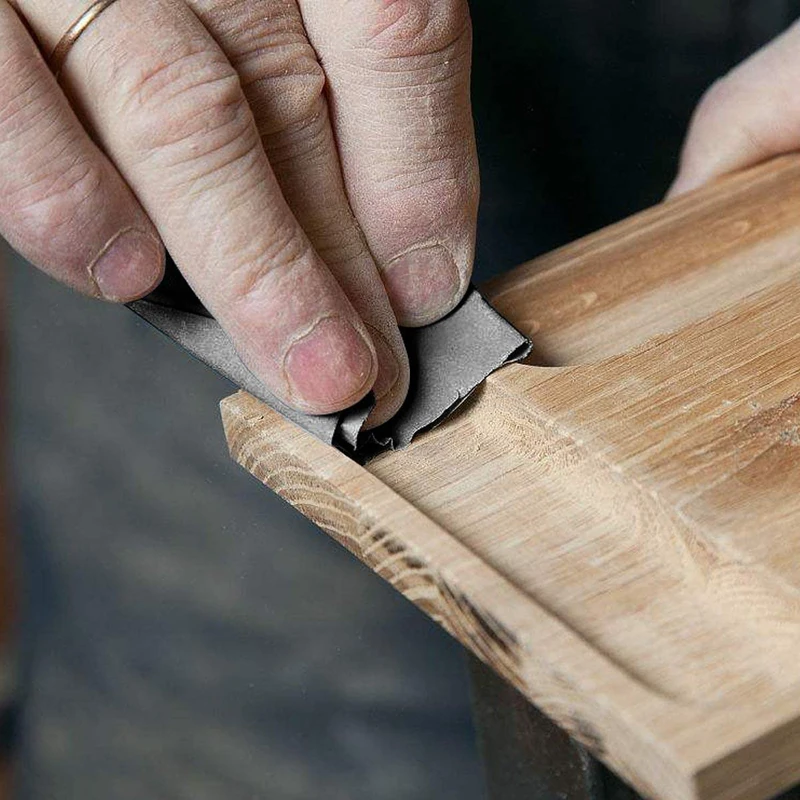
- Work methodically: Move in overlapping passes, like mowing a lawn. On trim profiles, wrap paper around a sponge so it conforms. Keep edges feathered, not gouged.
- Verify and clean: Under raking light, the surface should look uniformly dull—no shiny “holidays.” Vacuum, then wipe with a damp microfiber or a dedicated tack cloth. Let dry fully before priming.
Common mistakes to avoid:
- Sanding too aggressively with 120 grit and cutting through. That risks uneven absorption and telegraphed scratch marks.
- Skipping the wash. Glossy surfaces often hide polishes and kitchen film; sanding them in kills adhesion.
- Leaving dust behind. Primer over dust is primer on marbles—it won’t grip.
The Right Grit: From Dull to Ready
Choose grit with a purpose. Your goal is a uniform micro-scratch profile that promotes adhesion without telegraphing marks through your finish. For previously painted, glossy latex or oil enamels, 220–320 grit is the sweet spot. On ultra-hard catalyzed finishes (some old trim enamels), step down to 180–220 to break that initial slickness, then finish with a pass of 240–320.
Grit guide:
- 180–220: Cut initial gloss on hard enamels, door jambs, and stubborn trim. Use lightly.
- 220–240: Bread-and-butter scuff for most glossy walls and cabinets.
- 280–320: Refining pass if you’ll be spraying or aiming for furniture-grade finishes.
Technique matters as much as grit. Keep your paper fresh; once it clogs, you’re burnishing rather than sanding. Anti-loading papers and stearated abrasives last longer when you’re dealing with old enamel. For large flat areas, a 3–5 mm orbit sander with a soft interface pad and 240 grit on low speed is efficient and safe—let the machine float; don’t lean on it. Corners and profiles demand hand control: fold paper cleanly, use the heel of a foam sponge, and stroke with the profile to avoid flats.
H3: Pro tips for fast, clean scuff sanding
- Use a pencil grid: Lightly scribble across the surface. Sand until the marks disappear evenly—that’s your visual cue for full coverage.
- Feel for slick spots: Glide your fingertips lightly. Slick equals shiny—go back and dull it out.
- Control the light: A clamp light set low and off to the side exposes any remaining gloss.
- Keep a vacuum handy: Sand three to five passes, vacuum, then inspect. Dust hides holidays.
- Finish with a finer pass on showcase surfaces: A quick 320-grit sweep smooths the profile for sprayed primers.
Remember, you’re building a matte, even field. Deep scratches can show through if you roll thin or use high-gloss topcoats. Err on the side of more passes with finer grits rather than forcing it with a coarse sheet.
Primers That Bond Like a Vice
Once the sheen is knocked down and the dust is gone, the right primer locks in your work. Bonding primers are formulated to grip slick surfaces—look for terms like “adhesion,” “bonding,” or “multi-surface.” Waterborne modified-acrylic bonding primers are my first choice for most interior repaints over old gloss; they balance bite with fast dry times and low odor. Oil-based primers still have their place, especially over aged, well-cured oil enamels and in stain-blocking situations, but even then, scuff sanding comes first.
How to choose:
- Over old oil enamel: Clean, scuff with 180–220 then 240, and use a high-adhesion bonding primer; consider an oil-based option if you’re sealing tannins on wood trim.
- Over glossy latex: Clean, scuff with 220–240, and use a waterborne bonding primer designed for slick surfaces.
- Mixed surfaces (wood, metal, laminate): Test a waterborne adhesion primer; if it slides or separates, step up to a specialty bonding product.
Application tips:
- Stir thoroughly—admixtures settle, and you need the whole chemistry working.
- First coat thin is best. A tight coat bonds better than a heavy saturated one on glossy substrates.
- Respect recoat windows. Sand lightly with 320 between coats if the primer feels slick after curing.
A quick reality check: Every primer manufacturer’s data sheet mentions scuff sanding glossy paint for a reason. Trust the process. According to a article. It’s a simple step with oversized benefits.
Before moving to finish coats, do a tape test. After your primer cures per the label, score a small crosshatch with a utility blade in an inconspicuous spot, burnish painter’s tape over it, and pull sharply. If the primer stays put, you’re cleared for color. If it lifts, revisit your cleaning and scuff passes, or consider a different primer built for tougher substrates.
Dust Control, Cleanup, and Test Patches
Dust management isn’t just about tidiness—it’s adhesion insurance. Gloss sanding creates fine, staticky dust that loves to cling. Let it ride into your primer and you’ll see pinheads, bumps, and weak spots.
My cleanup routine:
- Vacuum with a brush attachment as you go. Keep the hose over the work while you sand to capture fines at the source.
- Wipe down with a barely damp microfiber. It traps particles without raising grain on painted wood. Avoid dripping wet cloths that can soften old latex.
- Use a dedicated tack cloth as a final pass for trim and cabinetry, but use it lightly to avoid residue.
- Manage air: Run a box fan in a window pulling out, and tape off returns. Negative pressure helps keep dust from traveling room to room.
Testing and verification:
- Raking light inspection: After cleaning, sweep the surface with light and your eyes. Shiny specks mean you missed a spot.
- Finger swipe: Clean hands, light touch. If your finger picks up powder after wiping, clean again.
- Micro test patch: Prime a 1x1 ft area, let it cure, then tape-test before committing to the whole room.
H3: Actionable checks before you prime
- Look for uniform dullness—no glare under angled light.
- Confirm the surface feels satin, not slick, across edges and profiles.
- Ensure no dust transfers to a clean white cloth after your final wipe.
- Verify your primer wets out evenly without beading—do a small test brush-out.
Good cleanup speeds up your finish. When the primer rolls on smoothly—no dust nibs, no fisheyes—you lay color faster, cut in cleaner lines, and you’re not coming back for day-two fixes. That’s time saved and results that hold up to hands, pets, and real life.
How to FIX — Video Guide
If you’ve ever rolled over glossy paint only to watch it blister or flake, a concise how-to video can be a game changer. In this demonstration, the creator walks through diagnosing flaky and peeling paint, showing the exact tools used to remove loose material, fill shallow defects with fine surface filler, and sand everything back to a stable, uniform profile. You’ll see the importance of controlled scuff sanding, correct grit selection, and dust-free cleanup before priming.
Video source: How to FIX FLAKY PAINT. Peeling paint DIY repair. How to use fine surface filler. Flaking paint fix!
120 Grit Sandpaper Sheets (50-pack) — 9x11 in Silicon Carbide Abrasive for Wet or Dry Use — High-cut abrasive for refining rough wood grain, removing scratches, and preparing bare surfaces for priming or staining. (Professional Grade).
Frequently Asked Questions (FAQ)
Q: Can I just use a liquid deglosser instead of sanding?
A: Liquid deglossers can help soften and dull certain glossy finishes, but I treat them as a supplement, not a substitute. On most repaints, a quick scuff with 220–240 grit creates consistent mechanical tooth that deglossers alone can’t guarantee. If you use a deglosser, follow the label precisely and still do a light scuff for best adhesion.
Q: What grit should I use on high-gloss oil paint on trim?
A: Start with 180–220 grit to break the hard sheen, then refine with 240–320 for a smoother scratch pattern that won’t telegraph through topcoats. Clean thoroughly between passes. Finish with a bonding primer suited to slick surfaces. Always do a small adhesion test before going full-scale.
Q: How do I know I haven’t sanded too much?
A: You’re aiming for uniform dullness, not bare substrate. If color changes drastically or you see edges burning through to wood or metal, you’ve gone too far. Ease up, switch to finer grit, and use a foam interface to protect edges. With the right pressure and grit (typically 220–240), you’ll degloss without cutting through.
Q: Do I need to sand again after priming?
A: A light 320-grit pass after the primer cures can knock down dust nibs and leave a silky base for topcoats, especially on doors and cabinets. Keep it gentle—this is a leveling step, not another degloss. Wipe clean and proceed to your finish coats within the recoat window.