
Washable Sanding Sponge Strategies for Longer Life
You can hear it before you feel it: that faint change in pitch as a loaded abrasive skates across the surface rather than cutting it. In a small garage shop on a drizzly Saturday, a cabinetmaker pauses mid-pass, lifting his sanding sponge to the light. The face is clogged with a pale paste—sawdust and finish residue compacted into the foam’s pores. He hasn’t even reached final grit, but the cutting action is gone and heat is creeping in. In the past, this was when he would toss the sponge and reach for a new one, the cost quietly accumulating with every project. Today, he walks to the sink, rinses the sponge under lukewarm water, massages the face with a nylon brush, and watches the slurry shed away. Thirty seconds later, the abrasive bites again, the cut is cool and even, and the workflow stays on tempo.
Washable abrasives aren’t just about frugality. They’re a control lever for consistency. Drywall finishers swab joint compound from sponges between seams, keeping dust to a minimum and edges crisp. Automotive techs wet-sand clearcoat nibs, then flush, restoring open grain and preventing deep swirls. In all of these scenarios, the humble sanding sponge becomes more than a consumable—it’s a tuneable tool. Understanding how its foam, resin, and mineral behave when you clean it, squeeze it, and put it back to work is how you extend its life without compromising the finish.
In this guide, I’ll lay out a technical framework for getting the most out of a washable sanding sponge: how it’s built, how to choose the right one by substrate and grit, how to clean it without destroying it, and how to design sanding workflows that hit surface targets on schedule. The goal is simple: longer life per sponge, lower cost per square foot, and higher quality per pass.
Quick Summary: Treat a washable sanding sponge as a precision tool—select by substrate, manage loading with timed rinses, and validate with consistent grit progressions.
From foam to finish: how sponges work
A sanding sponge is a composite: abrasive mineral bonded to a flexible foam core via resin. Each layer contributes to cut rate, conformability, and washability.
Foam: Typically open-cell polyurethane with a defined density and compression set. Softer foams conform around profiles and edges, distributing pressure and reducing gouging; denser foams keep the face flatter for uniform scratch patterns on planes. Open-cell structure promotes water transport and debris release during washing, but repeated wet cycles can increase compression set if the sponge is twisted dry rather than pressed.
Abrasive mineral: Aluminum oxide (AO) and silicon carbide (SiC) dominate. AO fractures slowly, offering longer dry life and balanced cut on wood and coatings. SiC fractures sharper, making it ideal for between-coats scuffing, solid surface, plastics, and nib removal. In specialty sponges, ceramic alumina or diamond is used for aggressive, cool cutting on hard substrates.
Resin and coat: The grain is secured via phenolic or epoxy-based binders; “open-coat” patterns leave voids between grains to mitigate loading. Stearate or anti-load treatments reduce clogging in resins and paints. Waterproof binders allow wet-sanding and rinsing without bond failure; repeated exposure to high-pH detergents or hot water can still soften the resin over time.
Geometry: Sponges come as flats, pads, blocks, and contoured shapes. The larger the face, the more heat and debris you’ll generate before a rinse. Edges are a failure point—mechanical rounding occurs with use; trimming a feathered edge with a razor can restore crispness for detail work.
In use, three interactions determine life: loading (debris occluding the abrasive), heat (softening resin and glazing grain), and pressure (compressing foam and rounding edges). Washable designs give you a reset button for the first two—if you clean before loading becomes permanent, the abrasive behaves like fresh stock. The rest of this article details how to use that reset intelligently.
Match the sanding sponge to the substrate
“Use the right tool” starts with the right abrasive system. The ideal sanding sponge for your job depends on substrate hardness, coating system, and tolerance for water.
Bare wood and veneer: AO in medium to fine grits (P120–P320) on a medium-density foam is the workhorse. For profiles, a softer foam with P180–P240 reduces cut-through risk on edges. Avoid soaking veneer; use damp—not dripping—rinses and blot dry.
Primers and sealers: AO or SiC with stearate in P220–P400 excels. The anti-load treatment reduces clogging from partially cured binders. Wet-sanding is viable after the coating reaches sand-ready stage (check manufacturer window).
Clear coat and gelcoat: SiC in P600–P1500 on a closed, fine foam gives crisp nib removal without deep scratches. Always wet-sand to control temperature and dust; maintain fresh water to prevent slurry scratching.
Plastics and solid surface: SiC or ceramic for controlled cut. Keep water flowing to carry away thermoplastic swarf, which can smear and re-weld if heat builds.
Drywall and joint compound: AO in P120–P220 on soft foam is appropriate; a washable sponge minimizes airborne dust when used damp. Wring out thoroughly to avoid softening paper face.
Metals: AO or ceramic for deburring and blending; avoid over-wetting ferrous metals to prevent flash rust. Rinse sponges in clean water and allow them to dry fully between cycles.
Grain sizing matters. Step no more than 2× in grit number (e.g., P120 to P220 to P320) to maintain predictable scratch refinement and reduce time spent “erasing” deep scratches. Consider color-coded sponges to avoid cross-contamination—compound-laden sponges from finishing stages will seed scratches if they’re accidentally used at earlier grits.
Finally, waterproofing is not universal. Confirm whether your sponge’s binder and foam are rated for wet use. If you’re working in a finish shop where water is undesirable, “washable” still helps—rinsing and fully drying the sponge offsite restores the abrasive for dry use without introducing moisture to the part.
Washability and load management
Loading is the primary life-limiter. The goal is to interrupt load formation before it becomes glazing. That requires a steady rinse cadence, correct water chemistry, and gentle mechanical action.
Rinse cadence: For wood and drywall compounds, rinse every 2–5 minutes, or sooner if you notice any tonal change when sanding. For finishes, wet-sand continuously and refresh water every 30–60 seconds; if working dry, pause and rinse as soon as you see paste accumulation.
Water temperature: Use lukewarm water (20–35°C / 68–95°F). Cold water can congeal some resins; hot water risks softening the bond. Avoid boiling or very hot rinses.
Chemistry: A few drops of mild, pH-neutral dish detergent reduce surface tension and help lift oils and resin. Avoid high-pH cleaners, solvents, or citrus degreasers that can attack the resin or foam. For automotive clearcoat slurry, a capful of rinse-aid can improve carry-off.
Mechanical assist: Massage the face under running water with a nylon brush or gloved thumb. Don’t twist the sponge; instead, press to expel water. Twisting accelerates foam compression set and edge rounding.
Drying: For dry work, blot in a microfiber towel and stand the sponge on edge to air-dry. Forced hot air can warp the foam. For wet-sanding workflows, a quick squeeze and return to work is fine; just avoid dragging a waterlogged sponge across moisture-sensitive substrates.
Actionable cleaning protocol:
- Set a timer for your rinse cadence based on substrate.
- Keep a small rinse bin with lukewarm, lightly soapy water and a dedicated nylon brush.
- Rinse under flow, brush lightly, press—not wring—out water.
- For stubborn glazing, tap the face with compressed air at low pressure while wet to lift fines.
- Retire sponges when you see patchy grain loss or persistent glazing within 60 seconds of use.
Mid-life reconditioning can extend service by 10–30% if done before permanent glazing. Trim feathered edges with a razor to restore edge definition. On multi-grit blocks with different faces, rotate usage so each face sees uniform wear.
According to a article, a robust grain bonding system is a key factor in sponge durability; that advantage is preserved only if you avoid harsh chemicals and high heat during cleaning.
Workflow design: grits, passes, and QA
A longer-lasting sponge is only useful if the workflow prevents rework. That comes down to grit progression discipline, patterning, and verification.
Grit progression: For raw hardwood furniture components, a typical path might be P120 (level), P180 (refine), P220 (pre-finish). For primed MDF, P150 (shape), P220 (uniform), P320 (finish). For clearcoat nibs: P800 (knock-down), P1200 (refine), P1500 (pre-polish). Avoid “hero jumps” that require excessive time on finer grits—this loads the sponge and creates uneven scratch populations.
Patterning: Use a light crosshatch motion—15–20° bias on successive passes—to avoid tracking. With sponges, let the foam do the conforming; maintain even pressure. Excessive finger pressure prints into the surface and loads specific regions of the sponge.
Pass count and pressure: Define a baseline—e.g., three passes per section with minimal pressure, reevaluate, then add passes if needed. The foam compresses under pressure; over-compression increases heat and reduces debris evacuation. If the sponge face warms significantly, you’re too hot; pause and rinse.
Boundary control: Mask adjacent high-risk areas. Foam can “wrap” edges and round them unintentionally. Use a denser sponge or a backing block when you need crisp transitions.
QA checkpoints: Use raking light and magnification to verify scratch removal at each grit. For critical surfaces, measure Ra/Rz with a portable profilometer or validate with a test polish on a small area. Document target outcomes: for example, Ra ≤ 0.8 μm before clearcoat or a uniformly matte sheen under raking light for primed panels.
Actionable tips for QA:
- Keep labeled sample coupons sanded at each grit for visual comparison.
- Log rinse intervals and grit transitions for repeatability between operators.
- Dedicate sponges to specific coatings; label them to prevent cross-use and contaminant transfer.
A disciplined workflow lowers the number of corrective passes you make—this not only preserves the finish but drastically lowers abrasive consumption. The time you spend planning grit steps and rinse timing pays back in reduced sponge turnover.
Cost, sustainability, and service life
The economics of washable sanding sponges improve when you move from “per sponge” thinking to “per finished square foot” (or per part) metrics. Start by tracking cycles: how many cleanup-and-return-to-work events does a sponge survive before it fails to cut within, say, 60 seconds at its assigned grit?
Define end-of-life: Visual grain loss, resin smear, foam collapse, and inability to shed load after cleaning are valid retirement triggers. Don’t chase false economies; a sponge that burns time is more expensive than a replacement.
Track cycles and time-on-part: A simple tally mark on the sponge with a Sharpie after each rinse cycle gives you an empirical life count. Pair with a job sheet noting minutes per grit per square foot.
Cost per result: Divide sponge cost by total productive minutes and area finished. Washable sponges often deliver 2–5× the minutes per unit compared to non-washable, depending on substrate and cleaning discipline.
Sustainability and waste: Longer life reduces solid waste and packaging. Use minimal, neutral cleaners and cool water to further lower the footprint. Allow sponges to fully dry before landfill to avoid mold growth in waste streams; better yet, repurpose retired sponges for shop cleanup or non-critical deburring.
Storage and rotation: Keep sponges organized by grit and application in ventilated bins. Let washed sponges dry 24 hours before dry sanding use. Implement FIFO (first in, first out) so older inventory gets used while still structurally sound.
Practical replacement heuristics:
- Wood shop: Replace when three consecutive rinse cycles yield less than 50% of expected cut rate or when edges round past 2 mm radius.
- Finish shop: Replace at first sign of smear/gloss transfer on a matte target.
- Field drywall: Replace when paste release drops and sponge drags even after a thorough rinse.
Over time, your data will show which brands and constructions align with your workflows. Some shops find premium, resin-rich sponges outlast value options by a wide margin when washed correctly; others discover that mid-tier sponges perform nearly as well with disciplined rinsing. Either way, life extension is primarily a process win, not a brand dependency.
Troubleshooting finish issues with washable sponges
Even with correct selection and cleaning, a few failure modes recur. Knowing the root causes keeps your process on track.
Swirl marks that persist after rinsing: Often caused by embedded hard particles (e.g., silica dust) or cross-contamination from a coarser grit. Solution: retire the contaminated sponge; implement better dust control; store sponges in sealed, labeled bins.
Glazing on finishes: Heat softened the resin or coating, smearing into the face. Solution: reduce pressure; shorten time between rinses; drop water temperature slightly; consider a stearated, open-coat SiC sponge for the step.
Edge burn-through on veneer: Foam wrapping and excessive pressure at edges. Solution: switch to a denser foam at edges or use a rigid interface; reduce grit aggressiveness and increase passes; mask edge until final light touch.
Uneven sheen after primer scuff: Scratch population isn’t uniform due to worn sponge zones. Solution: rotate the sponge frequently; trim worn edges; verify crosshatch motion; if the face is patchy, retire.
Foam collapse after washing: Likely too hot water, harsh detergent, or mechanical wringing. Solution: adhere to lukewarm water, pH-neutral soap, and press-to-dry. If collapse occurs prematurely across a batch, reassess cleaning chemistry across the team.
Actionable prevention checklist:
- Timer-driven rinses; don’t wait for drag.
- Neutral cleaner, lukewarm water, nylon brush.
- Label by grit and substrate; sealed storage.
- Trim edges; rotate faces; avoid wringing.
- Verify results under raking light at each grit.
Sanding Sponges SUCK! — Video Guide
A recent shop test video demonstrates a diamond-coated sponge engineered to avoid common failure modes like tearing, loading, and shedding. The presenter compares typical sanding sponges to a premium diamond model, emphasizing how the latter maintains cut under pressure and across multiple cycles without releasing abrasive into the work.
Video source: Sanding Sponges SUCK! Not Ekadiamond Sponges.
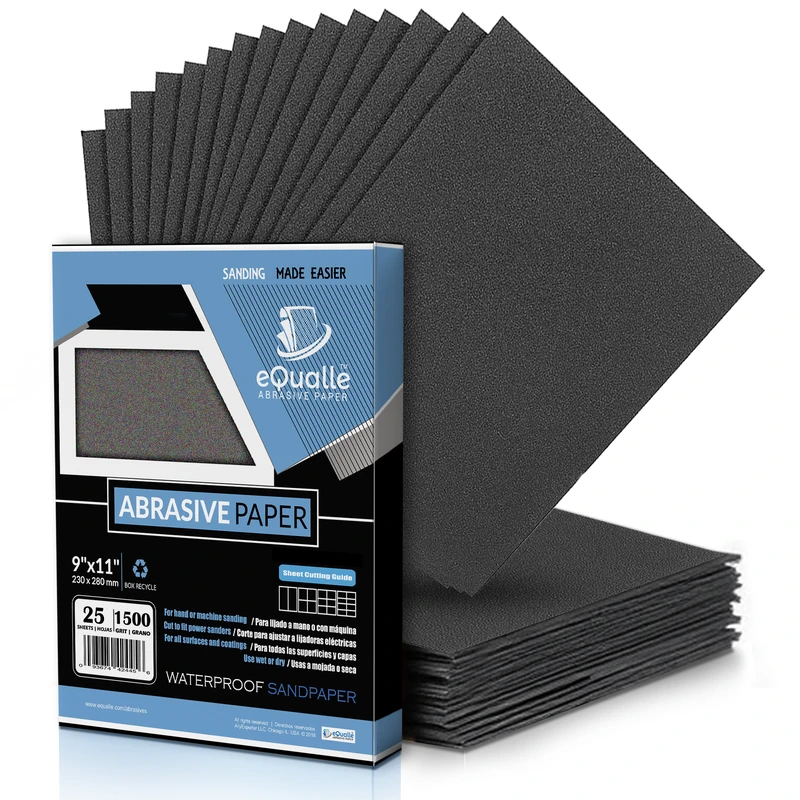
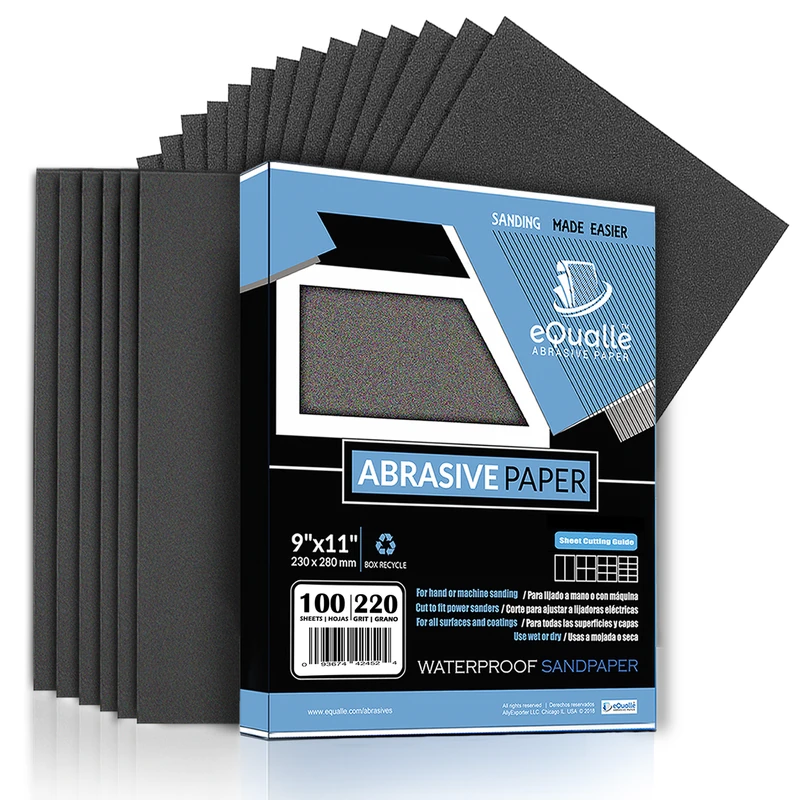
100 Grit Sandpaper Sheets (50-pack) — 9x11 in Silicon Carbide Abrasive for Wet or Dry Use — Balanced coarse grit combining power and control—perfect for blending rough sanding marks before progressing to finer grades like 150 or 180. (Professional Grade).
Frequently Asked Questions (FAQ)
Q: How often should I rinse a sanding sponge during dry sanding?
A: For wood and drywall, every 2–5 minutes or at the first sign of drag or pitch change. Timed rinses prevent permanent glazing and extend life significantly.
Q: Can I use detergent when washing sponges, and which kind?
A: Yes—use a few drops of mild, pH-neutral dish soap in lukewarm water. Avoid high-pH cleaners, solvents, and citrus agents that can degrade resin and foam.
Q: What’s the best way to dry a sponge after rinsing?
A: Press—not wring—to expel water, blot with a microfiber towel, and stand the sponge on edge to air-dry. Avoid hot air or twisting that accelerates foam collapse.
Q: Are washable sponges suitable for wet-sanding clearcoat?
A: Yes, when the sponge uses waterproof binders and a fine, uniform SiC grain. Keep water fresh, use light pressure, and step through P800–P1500 or similar.
Q: How do I know when to retire a washable sponge?
A: Replace when it fails to restore cut after a thorough rinse, shows patchy grain loss, or causes smear/swirl issues at its assigned grit despite correct technique.