
Epoxy Sanding: Why Waiting to Cure Pays Off
There’s a point in every resin project when anticipation and restraint collide. You’ve de‑molded a river board you poured last weekend or set down a glossy flood coat on a tabletop, and the surface is whispering promises of glass-like clarity. You picture the final reveal: the light catching the grain, the resin depth turning everyday moments into a small ceremony. You also see the last mile between what is and what could be—the smoothing, refining, and polishing phase—also known as epoxy sanding. Your hands ache to pick up the sander. But this is where patience protects your craftsmanship.
Epoxy doesn’t simply “dry”; it cures. That means it undergoes a chemical reaction that transforms liquid resin and hardener into a solid, crosslinked polymer. Even when the surface feels firm or tack-free, the resin beneath may still be in a green stage—soft enough to gum up sandpaper, telegraph scratches, or trap haze you can’t buff away later. If you sand too soon, you trade hours of effort and expensive materials for swirl marks, cloudy smears, and sometimes a repair that’s more work than the original pour.
Waiting for full cure isn’t about strict rules; it’s about creating repeatable results. The right cure time depends on your resin system, temperature, humidity, and the thickness of your pour. When you understand these variables and how to test readiness, you can approach sanding as a deliberate, low-risk step rather than a hopeful leap. The payoff is massive: faster leveling, fewer discs, a cleaner scratch pattern, and finishes that look intentional—because they are.
If you’re eager to move from hopeful to precise, the good news is that the path is straightforward. We’ll cover how to know when your epoxy is truly ready, the right grit progression, how to avoid common setbacks, and a few small habits that add up to clear, durable results.
Quick Summary: Let epoxy cure fully before sanding; check readiness with simple tests, then follow a controlled grit progression for a clean, glossy or matte finish.
Cure first, then cut
When epoxy cures, heat and time convert a liquid blend into a solid network of crosslinked chains. That solid network is what resists scratches and holds a crisp finish. Before that network is complete—during the “green” or partially cured phase—abrasive friction produces heat and smears resin instead of cutting it. You’ll see gumming on the paper, dull blotches, or fine white lines the buffer can’t remove. These aren’t just surface problems; they indicate that sanding interrupted the cure, leaving a texture that will keep reappearing with each pass.
Cure descriptions on resin labels can be confusing: tack-free time, demold time, recoat window, and full cure often differ. Tack-free means you can touch it lightly without leaving fingerprints. Demold means you can safely remove it from a form without deformation. Neither guarantees the hardness you need for clean cutting. Full cure, on the other hand, signals that the resin has reached its design hardness, often measured by Shore D. At full cure, abrasives cut crisp, dry dust rather than pilling or streaking.
Another factor is amine blush—a waxy, water-soluble film that can form during cure, especially in cool or humid conditions. If you sand through blush, it can smear into the scratch pattern, leading to fisheyes in subsequent coats and a stubborn haze. Washing the surface with warm water and a drop of dish soap, then drying thoroughly before any abrasion, prevents this.
Finally, remember that heat builds quickly during sanding, especially on small surfaces or edges. Heat softens epoxy, even when fully cured, if you dwell too long in one spot. Keep the pad moving, use light pressure, and let the abrasive do the work. Patience here transforms sanding from a rescue mission into an efficient, controlled step toward a reliable finish.
Timelines, tests, and variables
Most tabletop and coating epoxies reach full cure in 48–72 hours at 70–75°F (21–24°C). Deep-pour systems, which cure slowly to control exotherm, can need 4–7 days or more, particularly in cooler rooms or thick castings. Temperature is the dominant variable: every 10°F drop can extend cure significantly. Humidity influences surface conditions (like blush), and mix accuracy matters too. A slight lean toward resin or hardener can leave uncured zones that never reach full hardness. Follow your system’s ratio precisely and mix thoroughly, scraping the sides and bottom of your cup.
Use simple tests to confirm readiness. Start with the fingernail test: press the edge of a clean nail into an inconspicuous area. If you can’t leave a mark and there’s no “rubbery” give, you’re getting close. Try the thumbnail twist: push hard and twist slightly—again, no mark means better odds. For a more objective check, consider a Shore D hardness reading if you sand epoxy regularly; many systems list a target (often 80–82D) at full cure.
Look and listen as well. When you scuff a test spot with a worn piece of 320 grit and light pressure, fully cured epoxy makes a fine powder; partially cured resin clogs the abrasive quickly or creates sticky crumbs. Watch edges and thicker areas: heat from the initial exotherm can cause them to cure faster or slower depending on your mold and room airflow. Don’t rely on the clock alone; evaluate the project itself.
Finally, separate “between coat” scuffing from heavy leveling. You can often perform a light mechanical keying (e.g., 220–320 grit) within a recoat window to bond another layer. But if your goal is substantial flattening or clarity sanding, wait for full cure. The time you invest up front yields cleaner cutting, predictable progress, and far fewer discs burned on soft surfaces.
Dialing in epoxy sanding after full cure
With a fully cured surface, sanding turns from a gamble into a sequence. Begin by choosing the right starting grit for your task. If you’re leveling a flood coat with minor ripples or dust nibs, a fresh 220 or 320 is often ideal. For noticeable high spots or small waves, a careful start at 180 can save time—but avoid dropping below 120 unless you’re correcting significant unevenness on a well-cured surface. The lower you go, the more work you commit to removing deep scratches.
Use a 5" or 6" random-orbit sander with dust extraction and a soft interface pad (3–10 mm) to ride over minor contours and reduce pigtails. Work in deliberate, overlapping passes, moving in a crosshatch pattern. Keep the sander flat, pressure light, and speed moderate. Your aim is consistent coverage, not force. After each grit, wipe or rinse the surface to remove dust and inspect under raking light; only move up when scratches are uniform.
Wet sanding helps manage heat and clogging, especially from 600 grit upward. A spray bottle with water and a drop of dish soap lubricates the surface and clears debris. If you stay dry for the early stages, switch to wet as you approach clarity grits like 800–1500. On edges and profiles, sand by hand with a foam backing to avoid burn-through.
For a clear, polish-ready surface on most coatings, progress through 220–320–400–600–800–1000–1500. If your target is a smooth matte, you can stop between 800 and 1000. For glassy gloss, follow 1500 with a fine polishing compound and a foam pad, working cool and clean.
If you need a reference point while building your own workflow, it’s useful to remember that the surest improvement you can make is simply not rushing. The difference between an hour saved today and a finish you enjoy for years is rarely worth the shortcut.
According to a article.
Common setbacks and how to fix them
Even with good prep, epoxy can surprise you. Sanding too soon is the classic pitfall: discs load quickly, the surface streaks, and the sander feels “draggy.” The fix is to stop immediately, clean away any resin buildup on the piece and the pad, and let the project cure longer—often 24–48 additional hours, or more for deep pours. Don’t keep cutting; you’ll only embed more smears. Once fully cured, re-begin at a higher grit (e.g., 320) to reassess before stepping down if necessary.
Amine blush can masquerade as stubborn haze. If sanding seems to push a cloudy film instead of clearing it, wash the surface with warm water and a bit of dish soap using a white non-scratch pad. Rinse well and dry thoroughly before resuming. This simple wash step prevents fisheyes if you plan a recoat and restores predictable cutting.
Burn-through at edges or corners is another common issue. Slightly chamfered edges resist burn-through better than sharp ones and feel nicer to the touch. If you do cut through to wood or pigment, don’t try to “polish it out.” Spot-seal with a small amount of epoxy or plan a thin flood coat after leveling the entire surface. For larger low spots or bubbles revealed during sanding, fill and let them cure fully before re-sanding; trying to chase defects in one pass often multiplies the repair.
Pigtail scratches—tight, circular marks—typically come from debris under the pad or too-stiff a backing. Keep the work area and pad clean; tap the pad against your palm between sections, and vacuum often. A softer interface pad helps the disc float slightly, distributing pressure and reducing heat. If you find a pigtail after stepping up grits, drop back one or two grits, remove it completely, and then continue your progression.
Finishing for clarity and durability
Once your scratch pattern is uniform at 1500 grit, polishing compounds turn the microscopic peaks into a continuous, reflective surface. Use a dedicated foam finishing pad and a high-quality fine compound. Work in small sections, keep the pad flat, and clean it as you go. Heat is the enemy here too; a cool, patient approach polishes faster and safer than aggressive speed. Wipe down with a clean microfiber to inspect your progress under bright, angled light. If you see deep swirls, step back to a slightly coarser compound, then finish with the fine polish.
For a matte aesthetic—popular on worktops and some art pieces—stop at 800–1000 grit or use a dedicated matte finishing pad. Matte finishes benefit from uniform scratch direction, so consider a final hand-sand with a foam-backed abrasive for evenness.
If you plan a protective topcoat (another epoxy flood coat or a polyurethane), treat your sanded surface as a bonding step. Lightly scuff to 220–320, wash off any dust and blush, and allow the piece to dry completely before coating. Respect the recoat window if your system allows chemical bonding; otherwise, rely on mechanical adhesion from your scuff.
Three small habits that pay off disproportionately:
- Map your grits. Write the sequence on masking tape near your bench and don’t skip. It keeps the process honest and fast.
- Clean between grits. A quick vacuum and wipe prevents old, coarser particles from creating new scratches at higher stages.
- Manage edges deliberately. Pre-chamfer them slightly and finish by hand with higher grits to avoid burn-through.
For long-term care, avoid harsh solvents on polished epoxy. Clean with mild soap and water, and use coasters or pads under hot items—epoxy is heat-resistant, not heat-proof. With correct cure, thoughtful sanding, and a careful finish, your project will look as good a year from now as it does on reveal day.
Sanding 101: How — Video Guide
If you prefer to see the process in motion, there’s a helpful video tutorial that demonstrates sanding epoxy resin projects from the moment you demold. It walks through choosing grits, when to start, and how to deal with early imperfections so they don’t haunt you at the finish line.
Video source: Sanding 101: How to sand epoxy resin projects | Alumilite
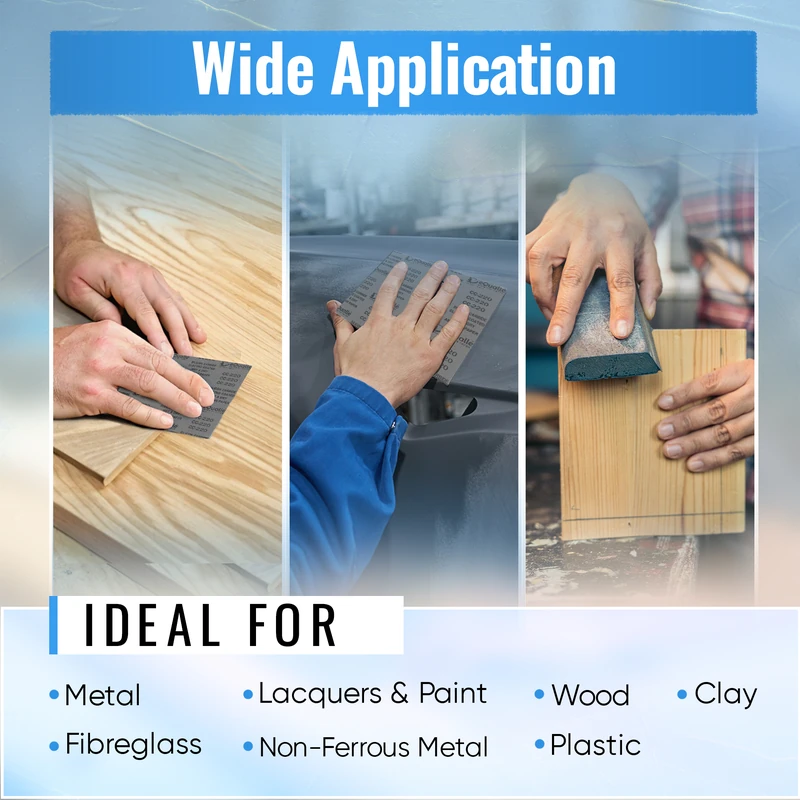
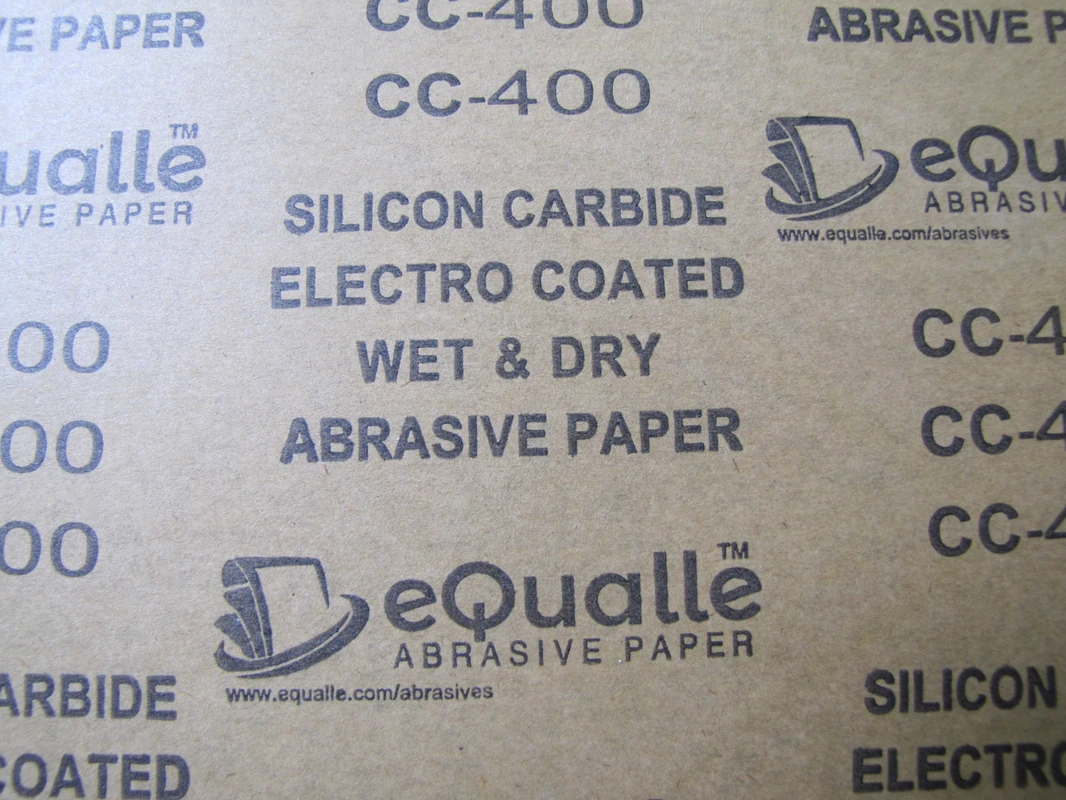
360 Grit Sandpaper Sheets (10-pack) — 9x11 in Silicon Carbide Abrasive for Wet or Dry Use — Precision grit for removing haze and small surface defects. Ensures scratch-free sanding on wood, plastic, or metal. Ideal for both wet and dry use before the polishing stage. (Professional Grade).
Frequently Asked Questions (FAQ)
Q: How long should I wait before sanding epoxy?
A: Most coating epoxies need 48–72 hours at 70–75°F for full cure; deep pours can need 4–7 days or more. Always confirm with your resin’s datasheet and test the surface—no nail marks and dry, powdery dust are good signs.
Q: Can I sand when the epoxy is tack-free but not fully cured?
A: Avoid heavy sanding at the tack-free or green stage. You’ll likely get gumming, haze, and deep swirls. If you must recoat within a window, do only a light scuff for adhesion, not full leveling.
Q: What grit should I start with on a cured flood coat?
A: For light leveling and dust nibs, start around 220–320. For minor waves, 180 can help. Reserve 120 or lower for significant flattening on fully cured surfaces, then work back up progressively.
Q: Do I need to remove amine blush before sanding?
A: Yes. Wash with warm water and a drop of dish soap using a non-scratch pad, rinse, and dry. This prevents smearing blush into the scratches and helps avoid fisheyes on later coats.
Q: Is wet or dry sanding better for epoxy?
A: Both work. Dry is efficient for early grits with dust extraction; wet sanding from 600 grit upward reduces heat and clogging, improving clarity. Choose based on your setup and comfort, and clean thoroughly between grits.