
Eco sandpaper and dust-free sanding strategies
The first time you notice sanding dust is rarely at the tool. It’s later—when the afternoon light cuts across the room and reveals a fine, floating galaxy you didn’t know you’d made. It settles on window sills and picture frames, drifts into the next room, and somehow finds its way into the keyboard you swear you covered. If you’re working in a small shop or a spare bedroom, those particles don’t just make a mess; they linger in the air you breathe, polish themselves into a film on every surface, and complicate the finish you apply next. It’s a familiar scene to anyone who’s refinished a table, resurfaced a stair tread, or prepped cabinet doors on a weekend. The surprise is not how fast dust spreads—it’s how persistent it is once you let it escape.
That’s why dust reduction is a craft in its own right. It starts with decisions you make before the first pass: pairing a sander to the right hose and vacuum, choosing abrasives that cut cleanly and don’t clog, and setting up the room so the dust that does escape has nowhere to go. Even your choice of eco sandpaper matters; the right abrasive composition and coating can change how quickly a disc loads up, how much heat it generates, and how much ultra-fine dust it throws. With a few practical habits, you can transform a chaotic cleanup into a controlled process—and finish faster with a surface that’s ready for stain or paint without surprises.
Imagine walking into the project the next morning. Instead of a haze, you see tidy debris captured in a canister, a filter that’s still flowing, and a surface that needs a light vacuum rather than a full wipe-down marathon. Your lungs, your finish, and your schedule all benefit. This is not a luxury reserved for pro shops with industrial extractors; it’s the result of a series of small, deliberate choices anyone can implement. In the sections that follow, we’ll cover how dust behaves, how to capture it at the source, which abrasives help rather than hinder, and how to prep and close a room so dust doesn’t roam. The payoff is simple: clearer air, cleaner work, and better results.
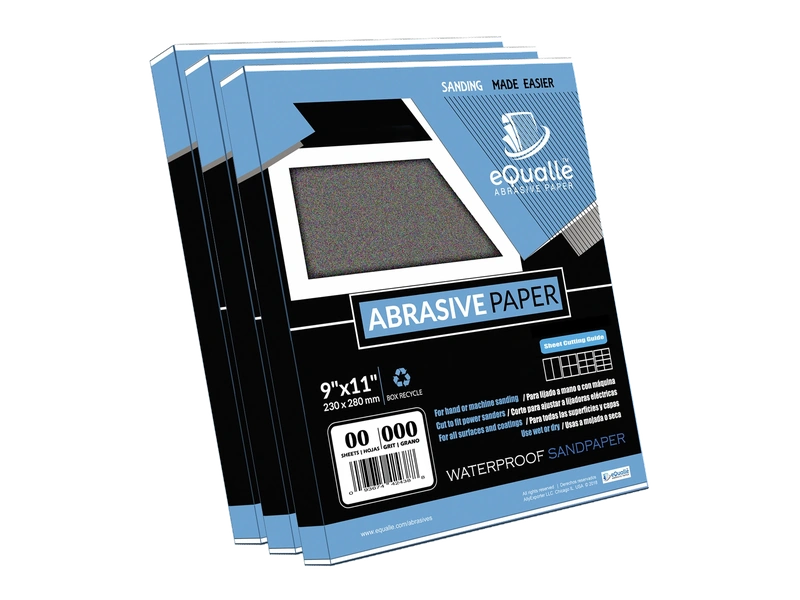
Quick Summary: Cut sanding dust at the source with the right sander–vacuum pairing, smart containment, and eco-conscious abrasives that reduce loading and airborne fines.
What dust does to air, tools, and health
Sanding dust is not one thing; it’s a spectrum of particle sizes and materials that behave differently in your shop and your body. Large chips and shavings settle quickly. Fine particulate—often called PM10 and PM2.5—stays airborne longer, drifts farther, and is the most troublesome for your lungs and your finish. Certain woods, fillers, and old coatings add their own risks, from allergens to chemically treated residues. In short: dust is both a housekeeping problem and an air-quality problem, and both deserve equal attention.
From a tool perspective, dust robs performance. Random-orbit sanders need airflow through the pad to keep discs cool and clear. When extraction is weak or the disc is clogged, two things happen: heat rises, and the abrasive “loads” with swarf. That loading causes more burnishing than cutting, so you push harder and stay longer in one spot—making more dust and risking swirl marks. Belt sanders and drum sanders have their own quirks, but the principle is the same: clogged abrasives generate fines and frustration.
Dust also sabotages finishing. Those almost invisible particles land on wet film and telegraph as nibs, orange peel, or a rough feel that forces you to sand between coats more aggressively than you planned. In a home environment, drifting dust can reach HVAC returns and recirculate, reappearing in rooms you thought were safe. The compounding effect is real: every minute invested in dust control before and during sanding saves multiples in cleanup and post-sanding correction.
None of this requires panic—just a shift in priorities. Think in layers: capture at the source, contain the room, control the air, and clean strategically. When those layers work together, even small projects in tight spaces can be nearly dust-free.
Control at the source: tool and vacuum pairing
The most effective dust reduction strategy is also the simplest: collect it as it forms. That starts with a sander that’s designed for extraction and a vacuum that can keep up. Random-orbit sanders with multi-hole pads and mesh-style discs allow higher airflow through the abrasive. On the vacuum side, look for a unit with variable suction, at least a fine (preferably HEPA) filter, and a bag or cyclone pre-separator to keep filters from clogging. A tool-triggered outlet lets the vacuum start and stop with the sander, so collection is always on when dust is created.
Hose size and length matter. A small-bore hose can restrict flow and starve the sander of the air it needs to pull fines through the pad. Conversely, a large, heavy hose can tug at your wrist and encourage you to skip extraction on detailed passes. Aim for the manufacturer’s recommended diameter, use smooth-bore hoses where possible, and check for airtight connections—adapters that leak reduce performance dramatically. If your workflow includes planers or belt sanders, consider a two-stage setup: a compact cyclone ahead of the vacuum can capture larger chips and prevent filter loading, maintaining strong airflow throughout the day.
Technique amplifies or undermines your setup. Light pressure, consistent passes, and frequent disc changes keep the abrasive cutting instead of polishing. If you’re hearing the sander labor or seeing swirls, it’s a sign of either a worn disc or inadequate extraction. Keep a manometer or simple suction gauge on the vacuum if available; you’ll learn the baseline pressure drop that signals a bag or filter change before dust starts sneaking past.
Five actionable tips to boost source capture:
- Use mesh or multi-hole discs and align them carefully to the pad to maximize airflow.
- Add a cyclone pre-separator so filters stay clean and suction stays high throughout the job.
- Keep hoses as short as practical and check every connection for leaks with a quick hand feel.
- Swap discs sooner than you think; a fresh abrasive cuts faster, creates larger chips, and makes less ultra-fine dust.
- Set vacuum suction to the highest level that doesn’t stall the sander pad; too much suction can cause “stick-slip.”
Smarter abrasives: picking eco sandpaper
Abrasives are often an afterthought, but the wrong disc creates more dust, more heat, and more frustration than any other variable you control. Eco-conscious options can help on all three fronts. Open-coat papers shed debris more easily, while stearate or alternative anti-loading coatings (preferably solvent-free) keep swarf from welding to the grain. Mesh abrasives pair well with high-extraction pads, and flexible sanding sponges conform to profiles while producing fewer airborne fines compared to aggressive sheets on sharp edges.
Eco sandpaper isn’t just about greener labeling; it’s about the chemistry of the bond and the structure of the grit. Aluminum oxide remains a versatile choice for wood, while ceramic blends add durability for heavy stock removal with less pressure—important for reducing fine dust. For finishing passes, consider higher-grit options that cut clean without burnishing, and avoid over-sanding; once fibers are severed cleanly, extra passes mostly make more powder.
According to a article, some sanding sponges use 100% solvent-free coating systems while still delivering effective aluminum-oxide cutting performance. In practical terms, that means fewer volatile compounds, less odor in small spaces, and a surface that stays cleaner longer. Sponges also excel for in-between-coat denibbing, where you want to remove nibs without generating clouds of fines.
Plan your grit progression with dust in mind. Skipping grits forces each abrasive to do double duty, creating more heat and fines. A steady sequence—say 80/120/150/180 on raw wood—keeps each pass efficient. Vacuum between grits to remove abrasive fragments that would otherwise become new dust as you sand. When you can, test a small area with two different abrasive types; you may find a mesh disc at 120 creates a cleaner surface with less airborne dust than a clogged paper disc at 150.
Room prep and containment that actually works
Even the best source capture won’t catch everything, especially on edges, details, and hand sanding. Room containment turns the rest of your space from a dust highway into a quiet cul-de-sac. Start with airflow. If you can, create slight negative pressure by exhausting air out a window with a fan and sealing the make-up air path so it comes from a clean adjacent area, not a dusty hallway. Negative pressure keeps fines from drifting under doors and into the rest of the home.
Next, isolate. Plastic zip walls or reusable fabric barriers around the work zone compress the problem area. Seal door gaps with painter’s tape and foam blocks where practical, and cover HVAC returns with taped-on filters or magnetic covers for the duration. Lay down a drop cloth or rosin paper walkway to the exit and add a sticky mat at the boundary so dust doesn’t hitch a ride on your shoes to the kitchen. If you’re sanding overhead, lightly misting the room before final cleanup (never during active sanding or on bare wood) can help settle strays for vacuuming.
Light discipline helps, too. Direct task lighting reveals swirls and nibs, but after you power down, alternate to raking ambient light and watch for airborne movement; if you still see a shimmering cloud, give extraction more time before removing barriers. Consider a portable air cleaner with a HEPA filter running quietly in the corner during and after sanding. It won’t replace source capture, but it will reduce background levels and help the room recover faster.
Containment is also about behavior. Establish a clean handoff zone where tools and materials enter and exit. Vacuum yourself—hat, shoulders, and sleeves—before breaks if you’re in a tight space. Keep finishing supplies sealed and staged outside the dust zone. These small habits keep the dust you do generate from multiplying.
Technique, cleanup, and maintenance habits
Technique isn’t flashy, but it’s the lever that makes every other investment pay off. Start with pressure: let the abrasive cut. If you find yourself pressing down to speed things up, your disc is dull or your grit is too fine for the task. Move the sander in overlapping passes, keep the pad flat, and work with the grain where it matters for visibility. On edges and profiles, use a soft interface pad or a sanding sponge to reduce chatter that throws extra fines.
Cleaning between grits is non-negotiable. Vacuum the surface, the surrounding work area, and the sander pad itself; then switch to a clean brush attachment and finish with a microfiber wipe to pick up what the vacuum misses. Skip tack cloths on bare wood if they’re solvent-laden; they can contaminate finishes and don’t capture ultra-fine dust well. For waterborne finishes, a damp microfiber wipe can help if you allow full dry time before the next coat.
Maintenance keeps your system breathing. Replace or wash filters on the schedule your work demands, not the manufacturer’s optimistic billboard. If the vacuum tone changes or performance drops, check for firewood-level clogs at elbows and cuffs. For HEPA systems, handle bag changes gently and seal them before disposal to prevent a backdraft of fines into the room. Mark hoses and adapters so the right parts always travel together, reducing the temptation to work “just this once” without extraction.
Finally, protect yourself. A well-fitted respirator with P100 filters is still good practice even with great collection. Take breaks in clean air, hydrate, and give the room an extra 15–30 minutes of negative pressure after the last pass before you begin finishing. These habits, more than any single gadget, create a consistently dust-resilient process that feels calmer and produces better surfaces, faster.
Ask The Pool — Video Guide
A pool-building pro tackles a common question: why a polymer pool finish can feel gritty, almost like sandpaper, even when applied correctly. He explains how application technique, cure conditions, and tiny particulates suspended in the coating influence the final texture.
Video source: Ask The Pool Guy: Why does my ecoFinish feel like sandpaper?
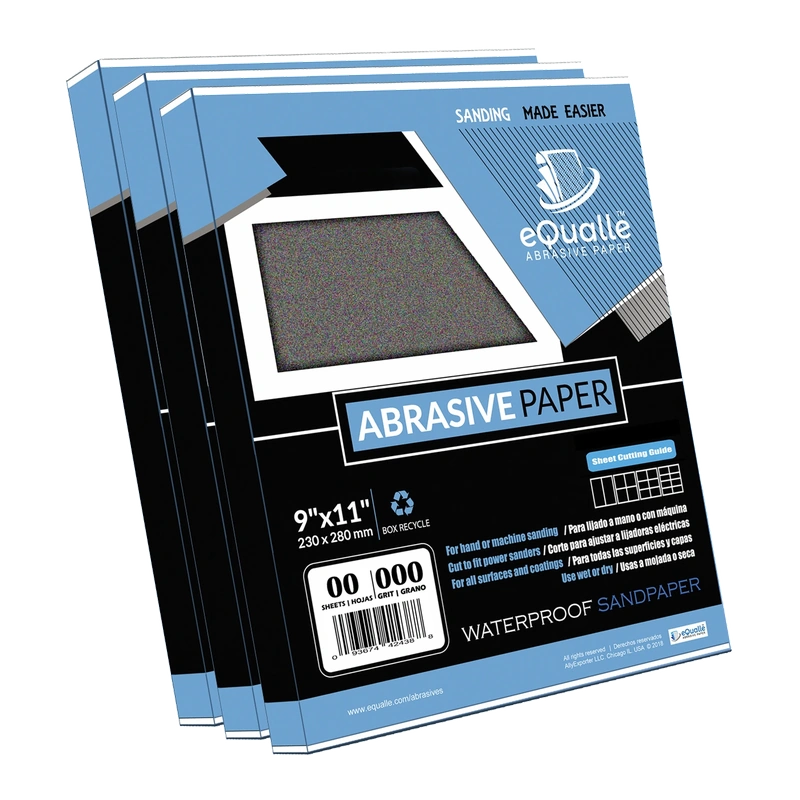
400 Grit Sandpaper Sheets (10-pack) — 9x11 in Silicon Carbide Abrasive for Wet or Dry Use — Ultra-fine abrasive for refining surfaces before polishing or coating. Commonly used in auto body repair and resin finishing. Produces flawless smoothness with wet or dry sanding. (Professional Grade).
Frequently Asked Questions (FAQ)
Q: Do I need a HEPA vacuum, or will a regular shop vac work?
A: A standard shop vac captures larger debris but often struggles with ultra-fine dust and clogs faster. A HEPA-rated vacuum with a bag and a pre-separator maintains suction, traps fines more effectively, and keeps the air cleaner—especially important in occupied homes.
Q: Are mesh discs better than paper for dust reduction?
A: Often, yes. Mesh discs let air pass through the entire abrasive surface, improving extraction and reducing loading. They pair well with multi-hole pads and strong vacuums. However, they can be more aggressive on edges; use a soft interface pad and light pressure to keep the scratch pattern consistent.
Q: How does eco sandpaper differ in practice?
A: Eco-focused abrasives prioritize low-emission binders and anti-loading coatings while maintaining cutting performance. In practice, they generate less odor in small spaces, resist clogging, and can reduce the amount of ultra-fine dust released—useful for both air quality and a cleaner finish.
Q: What grit progression minimizes dust while still removing defects?
A: Use steady steps that don’t skip too far: for most bare wood projects, 80/120/150/180 works well. Start coarse enough to remove defects quickly, then move through each grit with minimal passes. Vacuum thoroughly between each step so old abrasive fragments don’t become new dust.
Q: Is misting the room a good idea to settle dust?
A: Only after sanding is complete and never on bare wood before finishing. A very light mist can help settle lingering fines for final cleanup, but moisture during sanding creates slurry, clogs abrasives, and can raise grain prematurely. Focus first on capture, containment, and airflow, then use misting sparingly at the end.