
Safe Wood Finish Removal for Furniture
It starts as a quiet, hopeful Saturday morning. You slide open a drawer on a hand-me-down dresser and the runners squeak just slightly—an honest sound, softened by decades of use. The wood is beautiful under the glare of a shiny, ambered topcoat, but the gloss is cracked in places and the color has drifted toward orange. You imagine this piece lightened, its grain breathing again, ready for a new finish that fits your home today. There’s just one thing between you and that vision: the practical reality of wood finish removal. You’ve heard horror stories about harsh chemicals, gummy messes, and hours of sanding that erase crisp edges. You’ve also heard promises about citrus strippers and miracle gels. Somewhere between the extremes sits a safe, effective path—one that respects both your health and the furniture’s history.
Refinishing is part craft, part patience. It’s also a safety-first endeavor. Polyurethane and varnish are made to resist spills, heat, and abrasion; that toughness is great for daily life and tricky when you need them gone. The good news is that safe removal is possible with the right method and protective gear. Whether you’re restoring a mid-century table or a carved antique headboard, your approach can be tailored: a measured blend of mechanical scraping, controlled heat, and modern low-toxicity strippers. With a plan, a ventilated workspace, and a few essential tools, you can strip finishes cleanly, preserve edges and veneer, and set the stage for a long-lasting new topcoat. This guide will show you how to identify your finish, choose a safer method, set up for success, and troubleshoot common snags—so you can move from hesitance to hands-on confidence.
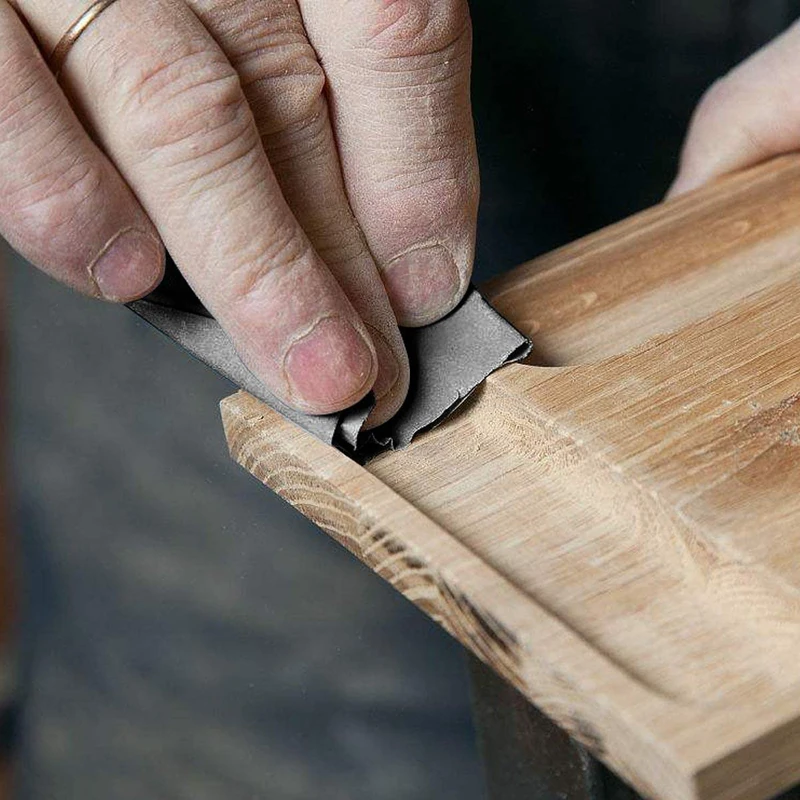
Quick Summary: Identify the finish, choose the safest matched method (mechanical, heat, or low-tox stripper), work in a ventilated setup with PPE, and proceed in controlled steps from strip to final clean.
Know Your Finish and Substrate
Start by identifying what you’re removing and what you’re protecting. Polyurethane and traditional varnish are both film-forming finishes, but they behave differently when stripped. Poly tends to soften and lift in rubbery sheets with heat or strong solvents; varnish often wrinkles and scrapes more readily with chemical strippers. Shellac and lacquer, by contrast, redissolve in alcohol or lacquer thinner—if your piece responds easily to those, you may not need a full-blown stripper.
Simple tests help. On an inconspicuous spot:
- Dab denatured alcohol—if it softens quickly, it’s likely shellac.
- Dab lacquer thinner—rapid softening suggests lacquer.
- No response to either, but a glossy, durable surface? Likely polyurethane or varnish.
Consider the wood too. Solid oak or maple can handle more assertive scraping and sanding than thin veneer on a particleboard substrate. If the top is veneered, you’ll want to minimize aggressive sanding and high heat; veneers are easy to sand through or release with excessive warmth. Look for signs of veneer seams along edges and check the underside or back for plywood plies. Also scan for carvings, turned details, and moldings. These areas often benefit from chemical softening or careful heat, because sanding alone rounds profiles and erases crisp lines.
Finally, weigh historical value and glue integrity. Antique joinery uses hide glue, which reactivates with heat and moisture. That can be an advantage (for repairs) or a risk (loosened joints) during removal. If a piece is rare or highly valuable, consider consulting a conservator; sometimes cleaning and top-coating preserves patina without full stripping. But if the finish is failing or heavily tinted and you’re aiming for a natural look, a controlled, safe removal is the right choice.
Choosing safer wood finish removal methods
When your goal is to remove polyurethane or varnish safely, match the method to the piece and to your comfort level with tools and chemicals. Most projects succeed with one of three approaches—or a hybrid.
Mechanical removal (scraping and sanding): A sharp card or cabinet scraper can lift softened film quickly, especially after a brief warm-up with a heat gun or infrared heater. Sanding alone is rarely efficient for thick poly, but after scraping, a grit progression (120–150–180–220) refines the surface. Mechanical work creates dust; pair it with dust extraction and a respirator.
Heat-assisted lifting: A variable-temperature heat gun (start around 500–600°F) or an infrared tool loosens poly or varnish so it peels with a scraper. Work slowly to avoid scorching, keep the nozzle moving, and never use heat near old paint you suspect may contain lead. Heat is great for flat areas and less ideal on thin veneer or near glue joints.
Safer chemical strippers: Modern benzyl-alcohol or dibasic ester formulations, plus some water-based gels, offer lower volatility and fewer acute hazards than older methylene chloride strippers. They require dwell time (often 15–45 minutes), then scrape and scrub-out with non-woven pads. Choose a stripper designed for poly/varnish, follow PPE guidance, and provide ample ventilation.
Actionable tips:
- Start with a test patch using your chosen method on the underside or the back to confirm dwell time and tool compatibility.
- For carvings, stipple stripper with a natural bristle brush, then scrub with a brass-bristle brush to avoid leveling details.
- If using heat, follow with a light chemical clean-up to remove residues in pores—this reduces sanding time and prevents finish adhesion issues.
- Combine methods: heat and scrape the bulk, then apply a mild stripper to clean pores and corners.
Your priorities—indoor air quality, time, detail preservation—determine the mix. For households with kids or pets, low-odor formulations and aggressive ventilation are worth the slightly longer dwell times. For big flat tabletops, heat plus careful scraping is often the fastest path with minimal chemicals.
Tools, PPE, and workspace setup
A safe, efficient removal job starts with a clean, controlled workspace and the right gear. Clear a large area and lay down a canvas drop cloth over a plastic sheet to catch debris and protect floors. Good lighting is key—raking light from the side shows remaining finish and scratches.
Essential tools:
- Scrapers: a card scraper (freshly burnished), a cabinet scraper, and a plastic putty knife for delicate areas. A carbide pull scraper is useful for heavy film on flat surfaces.
- Heat: a variable-temperature heat gun with a stand and concentrator nozzle; optional infrared heater for even, lower-temperature softening.
- Chemical tools: a low-tox stripper rated for polyurethane/varnish, chemical-resistant gel brushes, non-woven pads (coarse and fine), and a brass-bristle brush for carvings.
- Cleanup aids: mineral spirits or odorless mineral spirits, denatured alcohol, a bucket with warm water and a splash of dish soap for neutralization when appropriate, lint-free rags, and a nylon scrub brush.
- Sanding: a random orbital sander with dust extraction, sanding discs (120, 150, 180, 220 grits), and hand-sanding blocks for edges.
Personal protective equipment (PPE):
- Nitrile gloves rated for solvents.
- Safety glasses or sealed goggles.
- A P100/organic vapor respirator when using strippers or solvents, and a P100 or dust mask for sanding dust.
- Hearing protection if using power sanders for extended periods.
Ventilation matters. Set a box fan in a window to exhaust air outside, with a second window open for makeup air. If you’re working in a garage, open the door partially and place a fan at the threshold pointing out.
Manage waste safely. Keep a metal can with a tight lid half-filled with water for solvent-wet rags and used pads—oil and solvent-soaked materials can self-heat and ignite. Allow scraped finish to fully dry in a metal tray before landfill disposal, following local rules.
According to a article.
Fire safety tip: Keep heat tools away from solvents and closed containers, and never leave a heat gun unattended on a bench surface—use the stand and let it cool where it can’t tip.
Step-by-step: strip, scrape, and clean
This is the flow I recommend for polyurethane or varnish on typical furniture:
Test and choose. On a small area, test heat and a safer gel stripper. If heat lifts in pliable sheets without scorching, use it for bulk removal. If the finish is stubborn or in intricate profiles, lean on the gel.
Work in zones. Divide the piece into 12–18 inch sections so dwell times and scraping stay manageable. On a tabletop, start at one edge and move across; on a dresser, do the top, then sides, then drawers.
Heat and scrape (optional but efficient). Warm the finish until it just softens and dulls; keep the nozzle moving. Hold a scraper nearly flat, push with even pressure, and let the softened film peel. Deposit debris in a lined metal tray. Avoid digging corners and switch to a plastic scraper near veneer seams.
Apply stripper for residue. Brush on a generous coat of gel stripper, feathering the edges. Let it sit until the finish wrinkles; re-coat to keep it wet if needed. Scrape gently, then scrub remaining residue with a coarse non-woven pad dipped in fresh stripper. For carvings, use a brass brush with a light touch.
Neutralize and rinse. Follow the manufacturer’s instructions. Some strippers call for a water-and-soap wipe; others recommend mineral spirits. Work small sections, changing rags frequently until they come away clean. A final wipe with denatured alcohol can help remove waxy residues from pores.
Dry thoroughly. Allow the wood to dry 12–24 hours. Feel the surface—if it’s cool to the touch, it may still be damp. Good airflow helps; avoid direct heat that can warp panels.
Sand minimally, refine gently. Start with 120 or 150 just to level scraper tracks, then progress to 180–220. Sand with the grain. Hand-sand edges and profiles to avoid rounding. Use a raking light to spot scratches.
Final clean. Vacuum with a brush attachment, wipe with a slightly damp microfiber, then a solvent-compatible tack cloth or a rag lightly dampened with mineral spirits. Let the surface flash off before finishing.
Practical notes:
- Gummy spots often hide in pores on open-grain woods like oak. A second scrub with fresh stripper and a stiff nylon brush lifts them without heavy sanding.
- On water-sensitive veneers, limit water-based neutralization. Opt for mineral spirits and fast evaporation, then longer dry time before sanding.
- If you find a tinted varnish layer you actually like, you can stop early, level, and top-coat—removal doesn’t have to be all or nothing.
Troubleshooting, repairs, and refinishing
Even with a careful process, a few common issues can crop up—and each has a straightforward fix.
Gummy residue or shiny patches: These are usually pockets of finish or wax trapped in pores. Reapply a bit of stripper, scrub with a fresh pad, and wipe with mineral spirits or denatured alcohol depending on the stripper chemistry. Resist the urge to over-sand; gum clogs paper and creates divots.
Raised grain and water spots: If you used a water rinse, some raising is normal. Let the piece dry thoroughly, then sand lightly with 220 to level the fuzz. Water rings that live in the wood may need oxalic acid treatment (for iron/tannin stains) followed by thorough neutralization and drying.
Veneer lift or chip-out: Wick in liquid hide glue or PVA under lifted edges with a thin blade, clamp with a caul and wax paper. For tiny chips, fill with color-matched wood putty or burn-in stick if you’re topcoating with opaque lacquer; for clear finishes, wood patches or tinted shellac stick blends better.
Adhesion problems with new finish (fish-eyes or craters): Often caused by silicone contamination from old polishes. Wipe the surface multiple times with naptha or mineral spirits, allow to dry, then seal with a thin coat of dewaxed shellac (1–1.5 lb cut) before applying your chosen finish.
Color matching and test panels: After removal, the wood’s true tone returns. Make a small sample board from a hidden section—try a light stain, a washcoat of shellac, or a waterborne dye to dial in color. Let samples dry fully; waterborne finishes tend to look slightly lighter and cooler than oil-based ones.
Refinishing sequence:
- Seal: Dewaxed shellac or a compatible sanding sealer improves uniformity, especially on blotchy species like pine, cherry, or birch.
- Build: Two to three coats of waterborne polyurethane for low odor and fast recoat, or wiping varnish/oil-modified poly for warmth. Sand between coats with 320–400, wipe clean, and recoat per label.
- Cure: Allow full cure time (often a week or more) before heavy use. Place felt pads on bottoms and avoid covering with non-breathable cloths during cure.
Safety addendum: Oily rags (from wiping varnish or oil finishes) can self-heat. Lay them flat outdoors to dry fully or submerge in water in a sealed metal can before disposal. Keep all solvents closed between uses.
Quick safety tips
- Label every container and keep solvents in original cans with lids tightened.
- Upgrade your respirator cartridges regularly—mark the date you open a pair and replace per manufacturer guidance or when you smell vapors.
- Avoid steel wool with waterborne systems; stray fibers can rust and streak. Use synthetic pads instead.
- Don’t rush dry times—wood that feels dry on the surface can still be damp within, leading to adhesion issues.
How to Sand — Video Guide
After you’ve stripped and cleaned, your new finish deserves a smooth, dust-free surface. A practical video lesson on sanding between coats walks through grit choices, leveling nibs, and dust management—translating pro habits into simple steps. You’ll see how light passes with 320–400 grit flatten tiny imperfections without cutting through, and how raking light helps you spot areas that need attention.
Video source: How to Sand Between Coats of Wood Finish
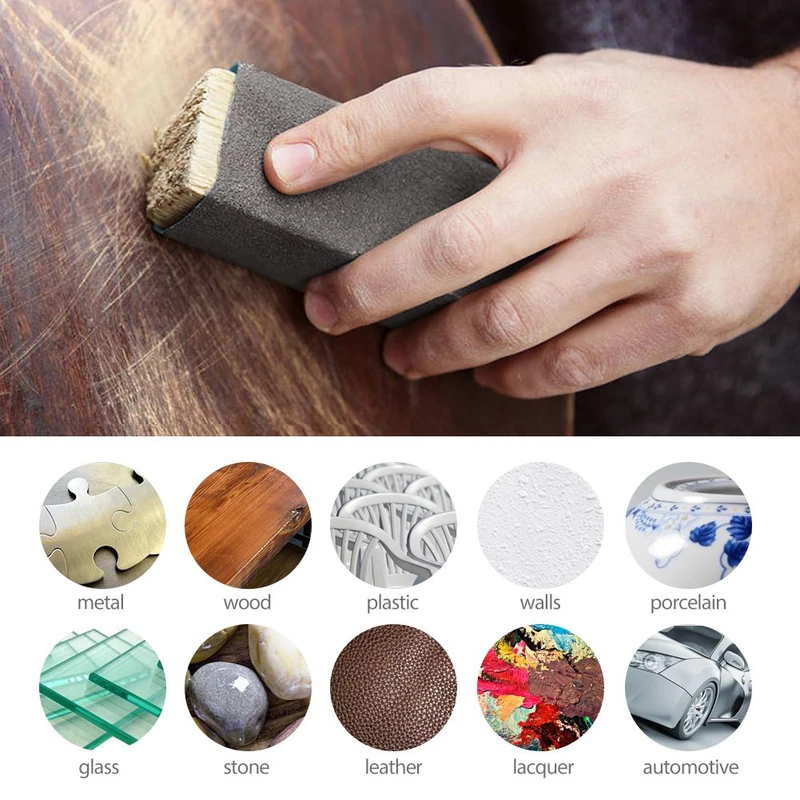
2000 Grit Sandpaper Sheets (10-pack) — 9x11 in Silicon Carbide Abrasive for Wet or Dry Use — Super-fine grit for restoring deep gloss on automotive paint, resin, or metal. Removes micro-defects and surface haze. Ideal for precision polishing prior to waxing or compounding. (Professional Grade).
Frequently Asked Questions (FAQ)
Q: What’s the safest way to remove polyurethane without harsh chemicals?
A: Combine controlled heat and scraping for bulk removal, then use a low-tox gel stripper to clean residues from pores and details. Work with PPE and strong ventilation, and neutralize per the product instructions.
Q: Can I remove varnish from veneer without damaging it?
A: Yes—minimize sanding, avoid high heat near seams, and rely on a gentle stripper with soft brushes. Scrape with plastic tools and support the veneer from below when possible. Take longer dwell times over aggressive force.
Q: Do I need to neutralize after using a stripper?
A: Follow the label. Water-rinse formulas usually call for a soap-and-water wipe; solvent-based gels often recommend mineral spirits or alcohol. Proper neutralization prevents adhesion issues with the new finish.
Q: What grit should I sand after stripping?
A: Start at 120–150 to remove scraper tracks, then progress to 180–220 for bare wood. Between finish coats, use 320–400 light sanding to level dust nibs without cutting through.
Q: Is a heat gun safe on antique furniture?
A: Use with caution. Keep temperatures moderate (around 500–600°F), keep the nozzle moving, and avoid glue joints and thin veneer. For highly valuable pieces or uncertain finishes, test minimally or consult a conservator.