
Baseboard Sanding: Pro Workflow for Repainting Rooms
The moment you move furniture, pull the drapes, and really look at your trim under morning light, the baseboards tell the story of the room. Years of shoes grazing the quarter round, vacuum scuffs where the wall meets the cap, and a glossy sheen that never quite cured right—these are the fingerprints of everyday life. The temptation is to tape a line and rush in with fresh paint. But in trim work, paint is only as good as the surface beneath it. Baseboard sanding is where a professional finish starts. It’s the quiet, meticulous part—deglossing hard alkyds so waterborne urethanes adhere, feathering raised chips until they disappear under primer, cutting micro-scratch patterns that promote uniform wetting. It’s dust extraction that protects your lungs and your topcoat, careful grit changes at the right moment, and an eye that knows when to repair versus when to replace.
You don’t need a cabinet shop’s worth of machines to do this well. You do need a sequence and a standard. That means understanding the existing coating system, using abrasives that cut clean and don’t load, and keeping the geometry of the profile intact. It means controlling dust so that your new enamel flows and levels without nibs, and it means knowing when to stop—because the purpose of sanding isn’t to remove history; it’s to engineer adhesion and texture for the next film to perform. If you’re repainting rooms, this is the difference between trim that looks repainted and trim that looks new.

Quick Summary: A professional baseboard sanding workflow prioritizes substrate assessment, correct grits, dust control, profile-safe technique, and disciplined repairs to deliver durable, glass-smooth repaints.
Assess the Substrate and Coating System
Before you reach for abrasives, audit what you’re sanding. Identify wood species if visible (pine dents, oak has open grain), but more commonly you’ll be working over existing coatings. Determine whether the current film is oil/alkyd or waterborne acrylic by rubbing a hidden area with denatured alcohol—if it softens, it’s waterborne; if not, it may be alkyd. Older alkyd trim (common in mid-century homes) is usually semi-gloss to gloss; it requires thorough deglossing plus scuff sanding to develop mechanical keying. If the house predates 1978, test for lead before any disturbance; if lead is present, follow EPA RRP protocols or hire a certified pro.
Scan for failures and contaminants. Look for chipping around outside corners and at shoe molding where impacts occur. Probe for failed caulk at wall-to-board joints; flexible gaps will telegraph through fresh paint if not addressed. Check for silicone residues from past caulking—paint won’t stick to silicone. A simple water-bead test (water will sheet on clean latex but bead aggressively on silicone) can reveal contamination; if present, mechanically remove and wipe with isopropyl alcohol or a silicone remover.
Map repair zones. Use a pencil to circle dings, ridges, and lifted edges. Run fingertips, not just eyes, along profiles to detect high spots that light might miss. Note sheen variants—shiny patches from furniture polish or cooking oils need detergent-based degreasing (TSP substitute) before you sand, otherwise loaded abrasives will burnish rather than cut. Finally, evaluate whether you will sand to repaint the full run or spot-feather and touch-up. Full repainting benefits from uniform substrate texture, which informs grit selection and workflow.
Grit Selection and Baseboard Sanding Strategy
Think in terms of objectives: degloss, level, feather, and refine. Each target has an optimal grit range and media type. For general scuff-sanding over intact finishes to promote adhesion, 220–320 FEPA (P220–P320) is the sweet spot; it cuts enough micro-scratches for mechanical bond without telegraphing through high-build enamels. If you need to knock down ridges or minimize brush marks in the old film, start coarser—P120–P150—and step through P180 to P220. Avoid jumping more than 100 grit increments; it leaves deep valleys that take extra primer to fill.
Use stearate-coated abrasives (non-loading) on paints; they resist clogging and maintain a consistent cut rate. Foam-backed sanding sponges in medium/fine grades conform to ogee and bullnose profiles without flattening edges, a common failure when hard blocks are used on trim. For flats and caps, a medium-density block with sheet abrasive delivers planar control. Reserve micro-abrasive pads (P320–P400) for denibbing primer and between coats, not initial degloss.
Local defects dictate targeted aggression. For chipped edges, use a sanding stick or emery board at P150 to feather the crater edge, then refine to P220. For heavy drips or sags in the old film, a cabinet scraper guided flat across the surface removes bulk without overheating the coating, after which P180–P220 retexturizes uniformly. On MDF baseboards, keep grits ≥P180 to avoid raising fuzz; if fibers lift, spot-seal with shellac-based primer and lightly denib.
The strategy is progressive: stop coarse work as soon as flatness is achieved, then refine. Over-sanding exposes wood, complicating stain-blocking and risking profile loss. Under-sanding leaves gloss and contamination that defeat adhesion. Your plan should minimize cut depth while maximizing uniformity.
Tools, Dust Control, and Edge Protection
Trim sanding is best done with a hybrid kit: hand tools for precision and compact powered tools for efficiency. A 2.5–3 inch detail sander with a triangular pad excels at inside corners and shoe molding transitions. Fit it with P180–P220 sheets and keep pressure light—let the stroke rate, not your arm, do the work. For long runs of flat cap or skirt, a 3 x 5 inch palm sander with a medium-density interface pad maintains plane without rounding. Always add an interface pad when working profiles; bare platens telegraph hard edges.
Dust control protects both health and finish quality. Connect sanders to a HEPA-rated extractor with auto-start; anti-static hoses reduce cling and keep dust from redepositing on freshly abraded surfaces. Vacuum the work after each grit change, then wipe with a barely damp microfiber. Avoid traditional tack cloths that contain wax or silicone; use waterborne-compatible, low-residue tack wipes if needed. Mask wall edges with low-tack tape and a 4–6 inch pre-taped plastic drop; it catches dust and speeds cleanup.
Edge protection is about geometry. Use sanding shims—thin plastic cards wrapped in abrasive—to work coves and beads without flattening. When hand-sanding, keep the block’s long axis parallel to the run; cross-grain strokes on wood or cross-direction on MDF edges cause visual flats that read through paint. On outside corners, add a temporary corner guard (a scrap of cardboard taped in place) so a moment of inattentiveness doesn’t square off a delicate radius.
According to a article.
Actionable field tips:
- Use pencil crosshatching on glossy sections; sand until marks just disappear to confirm uniform deglossing without overcutting.
- Keep a dedicated “nib file” (fine sanding sponge) in your pocket; touch drips or dust nibs as you encounter them to prevent compounding defects.
- Warm, dry substrates dust better; if humidity is high, run a dehumidifier for 30–60 minutes before sanding to reduce clogging and improve vacuum capture.
- Test adhesion with a quick crosshatch tape pull on a hidden segment after primer; adjust sanding aggressiveness if primer lifts.
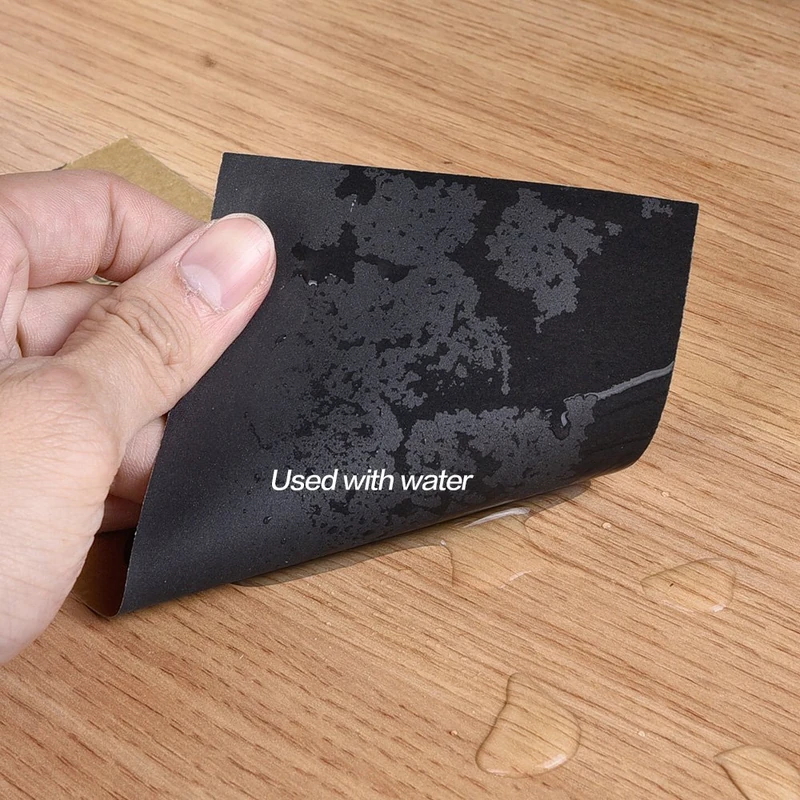
Workflow: Scuff, Repair, Feather, and Prime
Translate assessment into a disciplined sequence. Work clockwise around the room, one continuous run at a time to maintain texture consistency.
Clean and degloss. Wash baseboards with a degreaser (TSP substitute), rinse, and dry. In kitchens and bath zones, follow with a liquid deglosser on glossy alkyds; wipe as directed and allow full flash before sanding.
Scuff-sand. For intact films, scuff with P220–P320. Use foam-backed sponges on profiles and a block on flats. Maintain light, even pressure—your aim is uniform micro-scratch, not removal. Vacuum and wipe.
Repair. Fill nail holes and dings with a non-shrinking trim filler or lightweight spackle; for deep defects, use a two-part polyester putty for fast cure and sandability. Once cured, shape with P150–P180, then refine to P220. Replace any silicone caulk with a paintable acrylic-silicone or elastomeric caulk; tool smooth and let cure per spec.
Feather edges. Where the old paint chipped, undercut the edge with P150 on a sanding stick until the ridge is imperceptible to touch. Refine blends with P220. On severe alligatoring or multiple failure zones, stop: strip or replace that segment rather than bury systemic failure under new film.
Prime smart. Spot-prime bare wood and filled areas with a stain-blocking primer. Shellac-based primers lock tannins and sand glass-smooth within 45 minutes; waterborne bonding primers are lower odor and flexible but may need longer to denib. After primer dries, denib lightly with P320 to remove grain raise and dust; vacuum thoroughly.
Final survey. Rake a bright work light across the baseboard at a low angle. Highlighted nibs and ridges are easier to correct now than under topcoat. Address any remaining defects with localized sanding and re-prime as required.
This controlled loop—clean, scuff, repair, feather, prime, denib—sets up your topcoats to flow and level. Skipping any step risks telegraphing defects or compromising adhesion, which shows up as chipping at high-contact zones like corners and shoe edges.
Baseboard Sanding for Different Materials and Paints
Not all baseboards respond the same. Solid wood, MDF, and PVC composites vary in surface energy and damage modes, and so do the coatings on them.
Solid wood: Pine and poplar are common. They dent rather than chip, so plan on localized fills. Avoid over-sanding end grain; it wicks primer and can flash dull under enamel. Keep initial grits at P150–P220, stepping to P320 before topcoat denibbing. If previous coats were oil-based and glossy, liquid deglosser plus P220 scuffing is a reliable one-two.
MDF: Excellent for paint-grade trim but sensitive to over-sanding. MDF fibers will “fuzz” if abraded aggressively or wetted. Keep cuts shallow with P180–P220, vacuum immediately, and spot-seal any exposed core or fiber lift with shellac primer before proceeding. When feathering edge chips, avoid knife-edges; create micro-chamfers that accept primer and resist lifting.
PVC/Composite: These require gentler abrasives because heat buildup can smear the surface. Use P220 on foam-backed sponges and keep motion moving. Clean thoroughly with isopropyl alcohol to remove mold release or plasticizers, then use a bonding primer rated for plastics.
Coating compatibility matters. If re-coating alkyd with waterborne enamel, aim for a slightly coarser scuff (P220) to maximize mechanical keying. For waterborne-on-waterborne, P320 is often sufficient after a thorough clean. Between coats of high-build enamel, denib with P320–P400 lightly to remove dust specks without altering sheen development.
Environmental control is part of the workflow. Keep room temperature within the primer/topcoat manufacturer’s spec (typically 60–80°F) and humidity below 60% for predictable open time and leveling. Avoid forced-air drafts while sanding; airflow redistributes dust to your prepared surfaces. Stage your work so that sanded, cleaned runs are painted the same day, preventing the re-settling of dust and oils.
Quality Checks, Curing, and Handling
Your sanding and prep have one job: allow coatings to form continuous, defect-free films and adhere long-term. That requires controlled handling after the abrasive work is done.
Use inspection lighting. A raking LED bar at 15–30 degrees to the surface reveals flats, nibs, and missed gloss. Highlight sections with painter’s pencil tick marks, correct, then erase with a final P320 denib and microfiber wipe. Run the back of your fingernail lightly across transitions; if it catches, it will telegraph.
Verify adhesion. After primer cures per label, perform a simple crosshatch tape test in a hidden area: score a small grid through the primer, apply painter’s tape, burnish, and pull. If primer lifts, you under-sanded or left contamination; re-clean, increase aggressiveness to P180–P220 where necessary, and switch to a bonding primer.
Protect during cure. New enamel remains soft during early cure and is vulnerable to edge damage. Avoid reinstalling baseboard heaters, shoe moulding, or pushing furniture against trim until the coating reaches handling hardness (often 24–48 hours for waterborne, longer for alkyd). Mark wet areas and stage fans to circulate air gently without moving dust.
Practice clean handoffs. Vacuum floors after each sanding stage and before painting; grit under drop cloths migrates to vertical surfaces. Wear nitrile gloves when wiping or priming to prevent skin oils from creating fisheyes. Keep a dedicated “clean kit”—microfiber, denib pads, brush comb, and filtered water—at the door of the room so you’re not chasing supplies with dusty hands.
Finally, document your sequence (grits, primers, topcoats, cure times). When you re-enter a room months later for touch-up, that record preserves consistency and reduces guesswork. Quality in baseboard work is repeatable because it’s procedural.
Frequently Asked Questions (FAQ)
Q: What grit should I use to sand baseboards before repainting?
A: For intact finishes, scuff-sand with P220–P320 to create uniform micro-scratches for adhesion. If you need to level ridges or feather chips, start at P150–P180 locally, then refine to P220 before priming.
Q: Can I use a power sander on trim, or is hand-sanding safer?
A: Both work. Use a detail or palm sander with an interface pad for flats and keep pressure light. Hand-sanding with foam-backed sponges is safer on profiles and edges to avoid rounding. Many pros combine both methods.
Q: Do I need to prime after sanding if I didn’t hit bare wood?
A: Spot-prime repairs and any exposed substrate. If you only scuffed intact paint, a high-quality enamel can bond directly, but a bonding or stain-blocking primer improves uniformity and coverage, especially over mixed sheens.
Q: How do I control dust so it doesn’t ruin the finish?
A: Attach sanders to a HEPA extractor, vacuum between grits, and wipe with a barely damp microfiber. Mask adjacent walls and floors, and let dust settle before painting. Avoid waxed tack cloths that can contaminate the surface.
Q: How do I handle glossy oil-based trim being repainted with waterborne enamel?
A: Degrease, apply liquid deglosser, then scuff with P220 for a robust mechanical key. Follow with a bonding primer compatible with both alkyd and acrylic topcoats, denib with P320 after primer, and proceed to finish coats.