
Primer Sanding Grits for Epoxy Before Filler or Sealer
Saturday morning, the garage door yawns open and the light falls across your project—maybe it’s the fender you’ve wrestled straight after months of small fixes, or a truck hood you promised yourself you’d finish before the weather turns. The radio is low, the coffee is cooling, and the bench is lined with sandpaper packs in every color and number. You know this stage matters: what you do next determines whether your basecoat glides on like glass or telegraphs every ripple, pinhole, and scratch. But there’s a nagging question poised at the edge of the workbench. What grit is right for epoxy right now? Is 80 too coarse, 320 too fine? Where does sealer fit? That’s the difference between a finish you’re proud to show and one you’ll forever see in harsh afternoon light.
If you’re already aware that primer sanding is where “good enough” becomes “great,” you’re ahead of the game. Epoxy primer protects metal and seals repairs—but it also sets the stage for everything that follows. Sand too coarse and you’ll chase deep scratches into every coat. Sand too fine and you risk weak adhesion or edge failure after the first heat cycle. Understanding how epoxy behaves with body filler and with sealer helps you match the right grit to the right step, so you can move with confidence rather than guesswork. The goal is simple: a controlled scratch pattern that bonds, hides, and lays flat under paint.
Let’s build a repeatable approach, from the first scuff to the final wipe-down, so your prep time pays off in a durable, show-quality result without unnecessary rework. By the end, you’ll know exactly which grit to use before filler and which to use before sealer, plus the small technique choices that prevent cut-throughs, dieback, and sand-scratch mapping.
Quick Summary: For body filler on epoxy, apply during the epoxy’s recoat window without sanding, or scuff with 80–120 grit if fully cured; for sealer and basecoat, finish at 400–600 grit with a uniform scratch pattern.
Why Grit Matters with Epoxy Primer
Epoxy primer isn’t just another layer—it’s a chemically resistant, moisture-blocking foundation that bonds to bare metal and stabilizes repairs. That chemistry affects how you sand it. During the recoat window (often 24–72 hours, depending on brand and temperature), epoxy remains in a state that invites a chemical bond with subsequent products. Outside that window, you’re relying on mechanical adhesion, which is where grit choice becomes critical.
Coarser grits create deeper “tooth” for mechanical adhesion but also leave scratches that can telegraph through filler, high-build primer, sealer, and even paint—especially metallics and pearls. Too fine a grit, and you risk weak bonding or “edge mapping,” where the paint system fails at panel edges or over transitions. The right grit is a balance: enough bite for adhesion, shallow enough not to show.
Another variable is how much material you’re adding. Heavy body filler can comfortably bridge 80-grit scratches (and even benefits from that bite). Thin skim coats, polyester glazing putties, and sealer prefer a finer profile. And every panel has risk zones—edges, body lines, and feathered transitions—where aggressive sanding will cut through to bare metal faster than you expect. Use lighter pressure, a softer interface pad, and finer grit around those zones to keep the substrate sealed.
Finally, consistency matters as much as the number printed on the disc. A random mix of 220, 320, and 600 on the same panel produces an unpredictable surface that shows under reflective light. Stick with a defined target grit and a complete, uniform scratch pattern. Guide coat helps you verify you’ve replaced every prior scratch and fully knocked down texture without breaking through.
Dialing in primer sanding for body filler
When you’re applying body filler over epoxy primer, there are two distinct scenarios: inside the epoxy’s recoat window and outside of it. Inside the window, many manufacturers allow filler to be applied directly to the epoxy without sanding. This leverages chemical adhesion and saves time. If you prefer a light scuff for surety or feel, keep it in the 120–180 grit range to avoid carving deep scratches you’ll later chase.
Outside the recoat window, you must create mechanical tooth. For most fillers on epoxy, 80–120 grit is the sweet spot. Choose 80 when you’ll be doing substantial shaping or when repairs are deep. Lean toward 100–120 for skim coats, tight blends, and when you want to minimize the chance of sand-scratch mapping. Avoid going coarser than 80 on broad areas; 36–60 grit is appropriate on raw metal during rough-in, not for scuffing epoxy. On edges and body lines, step up a grit and lighten pressure to prevent cut-through.
Technique matters. Use a dual-action sander (3/16-inch orbit) with a 5–6-inch pad and an interface pad for contours; keep the sander flat and moving to avoid trenches. Add a dry guide coat before sanding so you can see when the entire surface has a uniform scratch and any texture is flattened. After sanding, blow off dust thoroughly, wipe with a waterborne cleaner, and let it fully evaporate before mixing and applying filler.
For timing, many professionals like to epoxy bare metal, allow full induction and cure, then apply filler either directly within the specified window or after an 80–120 grit scuff. This keeps metal sealed while still providing strong adhesion. As a general rule, don’t jump from 220 straight to filler on epoxy; it’s often too fine to guarantee a mechanical bond across every square inch, especially if cured for days. And don’t forget the feathered transition from filler back onto epoxy—finish those blend zones at 120–180 before high-build primer to reduce mapping.
According to a article, sanding during the stated window neither helps nor hurts, but once you’re beyond it, an intentional scuff becomes essential. Use your product’s tech sheet for window specifics and adjust for shop temperature and humidity.
Quick steps for filler over epoxy:
- Inside the epoxy window: apply filler directly, or lightly scuff with 120–180.
- Outside the window: scuff uniformly with 80–120; 80 for heavy fills, 100–120 for skim coats.
- Edge zones: reduce pressure and move up a grit to avoid cut-through.
Prepping epoxy for a sealer coat
When the next step is sealer (and ultimately basecoat), your target is a finer, uniform finish that hides under paint while still providing enough bite. The common range is 400–600 grit. Choose 400 when spraying solid colors or when your sealer and basecoat have strong fill characteristics; choose 600 for metallics, pearls, and high-gloss colors that tend to reveal every scratch. If you’re uncertain, 500 is a smart compromise that most paint systems tolerate well.
Start with your epoxy primed and cured, or with high-build primer blocked flat and re-epoxied as needed. Apply a dry guide coat and block any remaining texture with 320 if necessary, then refine to 400–600. A DA with a soft interface pad keeps the scratch consistent and reduces the risk of digging. In tight areas—jambs, under lips, around brackets—use a gray scuff pad with a mild abrasive paste, working to a uniform dull finish that matches P600 or finer. Avoid red scuff pads at this stage; they can be too aggressive and inconsistent.
Edges are where people get into trouble. Epoxy is thin at body lines and panel edges; if you cut through to metal, you’ll need to spot epoxy again. To prevent this, relieve pressure as you approach edges and switch to P800 if needed. Keep your DA flat, clean the pad frequently, and replace discs at the first sign of loading—clogged discs cut unpredictably. After sanding, blow off from multiple angles, wipe with the cleaner specified by your paint system, and allow sufficient flash/shrink time before applying sealer.
Consider your paint type. Solventborne bases tend to tolerate 400 a bit better, while waterborne often rewards finishing at 600. If your sealer is tinted toward the basecoat color, it can further bury minor scratches and improve coverage. Spray sealer in thin, even coats (often one to two), and respect flash times to avoid trapping solvents that can later cause dieback or imprinting.
Tools, techniques, and a reliable workflow
A flawless finish comes as much from sequence and consistency as from a single magic grit. Here’s a practical workflow that balances adhesion, flatness, and speed:
- Metal and rough repair: Strip and straighten; shape filler over 40–80 grit on bare metal. Blow off, wipe, and ensure full cure.
- Seal and stabilize: Spray epoxy primer per tech sheet. If you plan to apply filler on epoxy, do so within the recoat window or after a scuff.
- Build and block: Apply high-build primer over repairs. Block flat starting at 180–220 to knock down texture, then 320 to refine. Re-apply epoxy or sealer as your system recommends.
- Sealer prep: Refine to 400–600 grit, with P600 near edges and for metallics. Uniform scratch is the goal.
- Seal and paint: Light, even coats of sealer, then base and clear according to gun setup and product sheets.
Five actionable tips to improve results:
- Always guide coat between grit steps. It instantly reveals low spots and lingering coarse scratches so you don’t “polish in” mistakes.
- Match grit to the next product, not the last. For filler over cured epoxy, think 80–120. For sealer and base, think 400–600. Don’t split the difference out of habit.
- Use an interface pad on curved panels. It softens the sander’s footprint, preventing trenches and keeping scratches shallow and consistent.
- Protect edges with finesse. Reduce pressure, angle off slightly, and finish edges at a finer grit like P600–800 to avoid cut-through and mapping.
- Keep abrasives clean and fresh. Dust loading turns discs into random scratch makers. Swap out early and blow the panel clean between passes.
Scratch pattern is half the battle. A uniform 400 or 600 scratch over the entire panel makes sealer and base lay predictably and avoids tiger-striping under metallics. DA speed and orbit matter too; a 3/32-inch orbit can reduce swirl propensity when finishing. Don’t jump more than 200 grit at a time on critical surfaces—go 220 to 320 to 400/600, verifying each step with guide coat. And remember that adhesion is either chemical or mechanical: respect recoat windows, or guarantee a fresh, complete scratch.
If you find yourself chasing tiny highs and lows late in the process, resist over-sanding. Spot a dab of glazing putty over 180–220, block flat, and re-prime as needed rather than trying to “erase” a contour error with finer and finer grits. Precision and patience save more time than pushing through.
Car Painting Basics: — Video Guide
A helpful walkthrough titled “Car Painting Basics: How to Use a Primer Sealer” shows how a properly mixed and applied sealer can shorten the prep cycle and reduce unnecessary sanding steps. The host explains when sealer replaces extra primer coats, how to adjust viscosity, and how to lay it down thin and even for faster coverage.
Video source: Car Painting Basics: How to Use a Primer Sealer
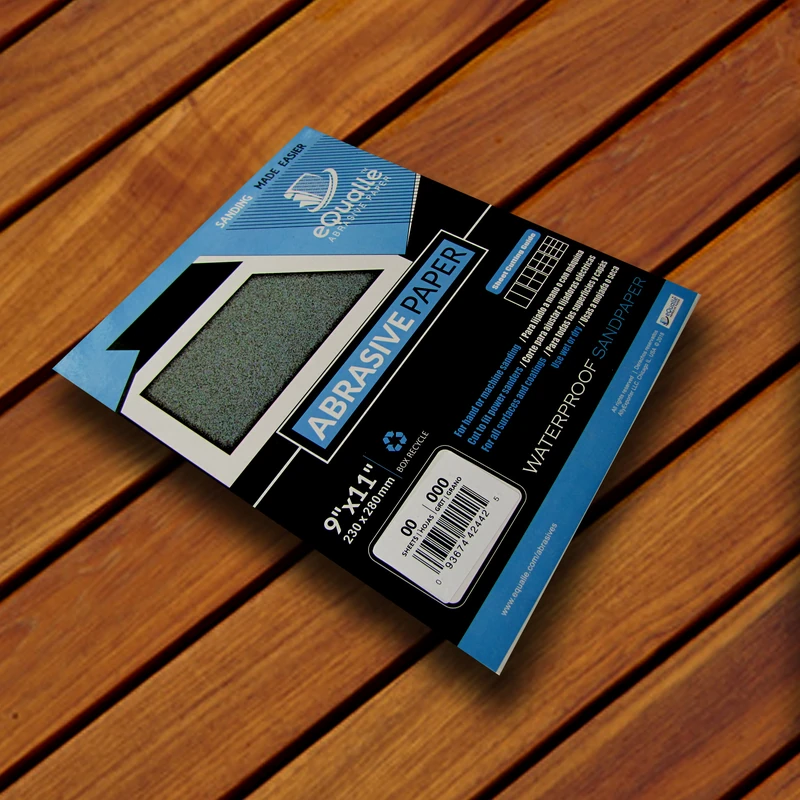
80 Grit Sandpaper Sheets (25-pack) — 9x11 in Silicon Carbide Abrasive for Wet or Dry Use — Durable coarse abrasive that evens out irregular surfaces and clears old coatings. Ideal for early sanding stages in woodworking, fiberglass, or metal preparation. (Professional Grade).
Frequently Asked Questions (FAQ)
Q: What is the best grit to sand epoxy primer before applying body filler?
A: If you’re outside the epoxy’s recoat window, scuff with 80–120 grit for strong mechanical adhesion—80 for heavier fills, 100–120 for skim coats. Inside the window, you can apply filler directly or lightly scuff with 120–180.
Q: Can I apply body filler directly over fresh epoxy primer without sanding?
A: Yes, if you’re within the epoxy’s specified recoat window, most systems allow direct application for a chemical bond. Verify your product’s tech sheet and conditions. If in doubt, a light 120–180 scuff is safe.
Q: What grit should I use before spraying a sealer coat?
A: Finish at 400–600 grit with a uniform scratch. Use 400 for solid colors and strong-cover systems; use 600 for metallics, pearls, and highly reflective finishes. Edges may benefit from P800 to reduce cut-through risk.
Q: Do metallic basecoats require finer primer sanding?
A: Often yes. Metallic and pearl basecoats can highlight coarse scratches, so finishing at P600 (and ensuring a consistent pattern) helps prevent sand-scratch showing through.
Q: Can I skip sealer and paint directly over sanded epoxy?
A: Many systems allow basecoat over properly sanded epoxy (often P600). However, sealer improves color uniformity, hides subtle scratches, and reduces risk of mapping—especially on mixed substrates. Check your paint system’s recommendations.