
Coating Removal and Refinishing Failing Polyurethane
Saturday morning light spilled across the dining table you’ve hosted around for years. You set down a mug and notice the surface clings just a little; a ring remains, faint but stubborn. Along the edges, the once-smooth finish has turned brittle and chalky, tiny flakes catching the light like dust motes in motion. You run a fingertip across the spot where a placemat lives—glossy here, dull there, with a subtle ridge between. The finish is failing, and it’s happening faster than you’d like. You can feel the stakes: this is not just a table—it’s family dinners, late-night projects, first-day-of-school photos, and the clean expanse that makes a home feel ready.
If you’ve hesitated to touch it, you’re not alone. Refinishing can feel like a high-wire act, balancing what you have (wood, history, time) with what you want (durability, a surface that stays beautiful). The good news: there’s a methodical path that respects both. Start with careful coating removal to strip the failing polyurethane without chewing into the wood. Follow up by sanding away residue so fresh finish will bond cleanly, and then refinish with a system designed for your species of wood and your lifestyle. This is not about hurrying toward a new sheen; it’s about guiding each step so the next one succeeds.
Take a breath. We’ll walk this from first inspection through final coat, with the right materials, safe workflows, and a pace that builds confidence. Whether it’s a tabletop, a stair tread, or a dresser that’s seen better days, you can restore depth and durability. And you’ll know enough to avoid the typical traps—gummy sludge that won’t wipe off, sanding through edges, or a gorgeous topcoat that later peels because residue lingered beneath. By the end, you’ll have a plan that’s equal parts craft and common sense—simple steps, done carefully, that add up to a professional result.
Quick Summary: Strip the failing polyurethane with a method matched to your surface, sand and neutralize residue meticulously, then refinish in thin, well-cured coats for durable beauty.
When a Finish Fails at the Worst Time
Before you remove anything, study what’s going wrong and why. Polyurethane fails in telltale ways: peeling along edges, cloudy patches from moisture, soft or tacky areas from plasticizer migration (like rubber feet on appliances), and micro-cracking from UV or heat. Each clue helps you choose the least risky process.
Confirm what you’re working with. Many older pieces wear varnish or lacquer, not polyurethane. A simple solvent test helps: place a cotton swab with denatured alcohol on an inconspicuous spot. If the finish softens quickly, it’s likely shellac. If lacquer thinner softens it but alcohol does not, it may be lacquer. If neither solvent softens it easily, polyurethane is more likely. This matters because each responds differently to removers and sanding.
Check construction and species. Is it solid wood or veneer? Veneers often measure only 0.5–1.0 mm; aggressive sanding can blow through in seconds, revealing substrate. Examine edges, lips, and seams where sanding and heat concentrate. Note inlays, glues, and fillers that can react to chemicals or heat. Scan for silicone contamination (from polishes) that can sabotage adhesion; look for fish-eye craters in the old finish.
Finally, assess the environment. Coating removal and refinishing need good ventilation, stable temperatures (ideally 65–75°F / 18–24°C), and controlled humidity (40–55%). Plan your workspace to contain dust and allow overnight cure cycles without disturbance. If the piece can be moved, set up a protected, well-lit area and collect tools: plastic scrapers, painter’s tape, chip brushes, nitrile gloves, safety glasses, a respirator with appropriate cartridges, drop cloths, abrasives, and clean rags.
Three quick checkpoints before you begin:
- Map the surface into zones (center fields, edges, details) so you can track progress and avoid overworking delicate areas.
- Photograph the piece; notes and images help you replicate color if you’ll be doing stain work.
- Run your hand across the surface under raking light; your fingertips catch defects your eyes miss.
Choosing a Safe Coating Removal Method
The right approach is the one that removes the failing layer while minimizing risk to the wood beneath. Consider each method’s strengths and limits before you start.
Chemical strippers are ideal when you want to preserve crisp edges and avoid sanding through veneer. Modern, low-odor, non-methylene-chloride formulas work well but slower; traditional methylene chloride products act fast but demand strict ventilation and PPE and may be restricted where you live. Catalyzed polyurethane can resist gentle strippers; you may need a heavier-duty product or a timed, staged application. Always read the label to confirm compatibility with urethanes.
Heat guns can soften polyurethane, making it easier to scrape without driving dissolved finish into open pores. Use the lowest effective temperature, keep the gun moving, and protect glue joints and veneers from overheating. Avoid open flames—heat-control and patience are key. On flat fields, a wide nozzle and steady, shallow passes work well; on edges, use shielding (cardboard or thin flashing) to reduce heat soak into delicate details.
Mechanical abrasion—sanding—can be efficient on flat, solid-wood surfaces, but it is the riskiest for veneers and profiles. A random-orbit sander with an interface pad and high-quality discs (80–120 grit to start) can level skinning or flaking finish. However, sanding can gum up quickly when the finish softens. Keep speed moderate, use light pressure, and change discs before they smear. On profiles, switch to hand sanding or a cabinet scraper to maintain crisp lines.
Combine methods when needed. For example, strip the bulk with chemicals or heat, then refine with sanding. In all cases, plan your waste management: you’ll generate slurry, shavings, and dust that must be contained and disposed of per local rules.
Safety first:
- Wear a respirator and gloves, and keep a metal can with water for solvent-soaked rags to reduce fire risk.
- Protect floors with rosin paper and plastic; tape seams so liquid won’t creep under.
- Practice on the underside of a shelf or leaf to dial in timing, temperature, and scraper angle.
Strip It Right: Chemicals, Heat, or Abrasion
Once you’ve chosen a path, break the work into manageable zones and move methodically.
For chemical stripping:
- Brush on a generous, even coat and let it dwell until the finish visibly wrinkles—resist the urge to scrub early. 2) Use a plastic scraper at a low angle to lift softened layers, wiping into a lined bin. 3) Reapply on stubborn patches rather than digging aggressively. 4) After bulk removal, scrub with medium-grade synthetic pads dampened with the stripper’s recommended wash (often mineral spirits or water, depending on the product). 5) Let the surface dry completely before sanding; trapped solvent can weaken bond for new finish.
For heat:
- Warm a 6–8 inch zone until the surface just blisters, then scrape with the grain, keeping pressure shallow to avoid gouging. Work edges last and take extra care at corners and veneer seams. Allow the wood to cool before moving to a neighboring zone to avoid heat build-up and glue joint failure.
For sanding:
- On solid wood, start with 100–120 grit only after removing most of the old finish; going coarser risks deep scratches that are difficult to erase. Keep the sander flat, overlap passes, and vacuum frequently to keep abrasives cutting cleanly. Hand-sand details and edges.
Common pitfalls and how to avoid them:
- Gummy sludge: Apply more stripper and wait longer; don’t smear half-softened finish deeper into pores.
- Edge burn-through: Mask vulnerable edges with painter’s tape to slow abrasion and remove it only for final light passes.
- Profile loss: Scrapers and hand sanding conform better; avoid riding a power sander over mouldings.
Three actionable tips for the stripping phase:
- Pre-score film edges with a sharp utility blade along seams to prevent lifting veneer or fibers while scraping.
- Keep two scrapers on hand: one with a straight edge for flats, one with a slight crown for gentle hollows.
- Stir, don’t shake, your stripper to prevent bubbles that dry unevenly and create patchy dwell times.
According to a article, working in small, controlled sections and being cautious at edges helps avoid damaging underlying layers—principles that translate well from automotive clear coats to wood finishes.
Clean Sanding and Residue Control
With most of the old finish gone, the job shifts to making the substrate perfectly clean and ready for adhesion. This is where many refinishes fail—not from bad products, but from residue left behind.
Neutralize and wash. If you used a water-rinseable stripper, follow the manufacturer’s wash step precisely; if mineral-spirits-based, wipe with fresh mineral spirits and white synthetic pads until the rags come up clean. Allow complete drying—solvents trapped in pores can repel new coatings or cause long-term soft spots. If the label calls for a neutralizer, don’t skip it.
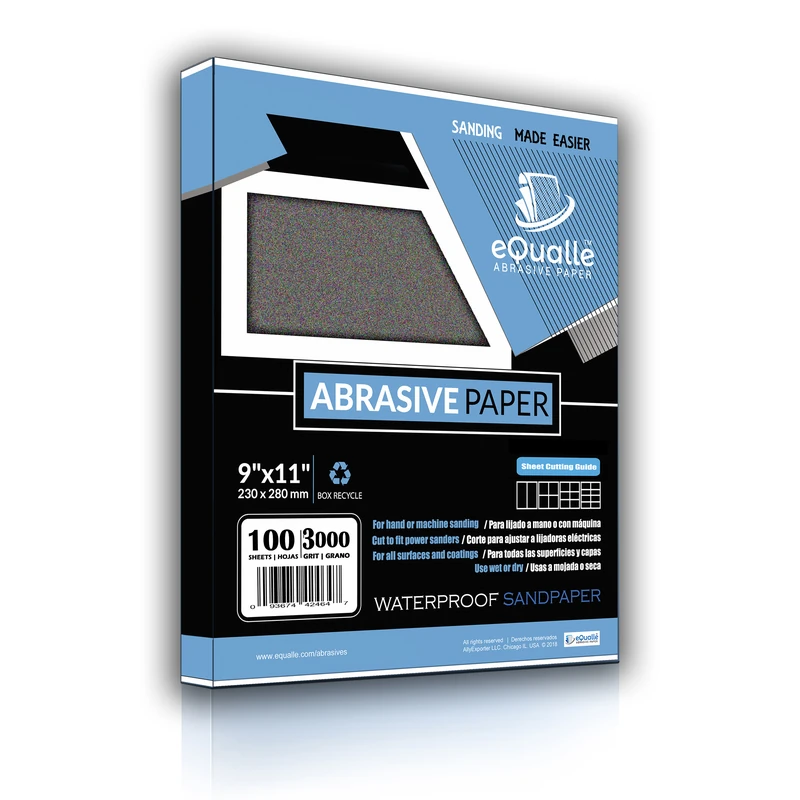
Sanding progression. On solid wood, start at the finest grit that still cuts—often 120 or 150 after stripping—then move through 180 to 220 for oil-based poly or 180 to 240 for water-based poly. On open-pore species (oak, ash), consider stopping at 180 to maintain mechanical tooth. Sand with the grain wherever possible. Use an interface pad to prevent dish-outs, and switch discs as soon as they stop cutting. On veneer, be conservative: if you see glue lines or color shifts, stop and reassess.
Dust removal is a multi-step process:
- Vacuum with a HEPA-capable vac and brush attachment to lift particles from pores.
- Use a clean, stiff natural-bristle or anti-static brush to dislodge dust from corners and profile details.
- Wipe with a microfiber cloth lightly dampened with the same solvent system as your finish—mineral spirits for oil-based, water or denatured alcohol for water-based—so you don’t introduce incompatible residues.
- Optional “water-pop” for even stain uptake: wipe the surface with a barely damp cloth to raise the grain, let dry, then lightly sand with 220 to knock back raised fibers.
Residue tests:
- White-rag test: Wipe a fresh, white rag with your solvent of choice; if it picks up color or film, keep cleaning.
- Tape test: Press blue painter’s tape on the surface and pull; excessive dust on the tape means more cleaning required.
- Surface energy check: Place a small drop of water; if it beads aggressively in random patterns, there may be contamination. Uniform, gentle wetting suggests a clean surface.
Four actionable tips for this stage:
- Dedicate separate brushes and pads to wash steps; solvent-laden tools can re-deposit goo.
- Use raking light from a flashlight laid near the surface to reveal swirl marks and residue.
- Vacuum the room as well as the piece; airborne dust can settle into your first coat.
- Wear clean, lint-free clothing and avoid silicone products anywhere near the workspace.
Refinish for Durability and Depth
Now you’re building the finish system. Match product choices to how the piece is used and what you want to see.
Choose your topcoat. Oil-based polyurethane offers warm tone and long open time, forgiving for brushing; it ambers over time. Water-based polyurethane dries fast, stays clearer, and resists yellowing—good for light woods and modern palettes. For a hand-rubbed feel, consider a wipe-on poly (thinned), or a hardwax oil for repairability, though it sacrifices some ultimate film build. If you plan to stain, select compatible products and test on offcuts or hidden areas.
Sealing and first coats. If you stripped an oily exotic wood (teak, rosewood), wash with naphtha and consider a shellac-based barrier coat (dewaxed) to improve adhesion. On softwoods prone to blotching, a pre-stain conditioner can help even absorption. Apply thin coats: with a good synthetic bristle for water-based or natural bristle/foam for oil-based. Work in long, overlapping strokes, maintaining a wet edge. Avoid over-brushing; lay it down and leave it.
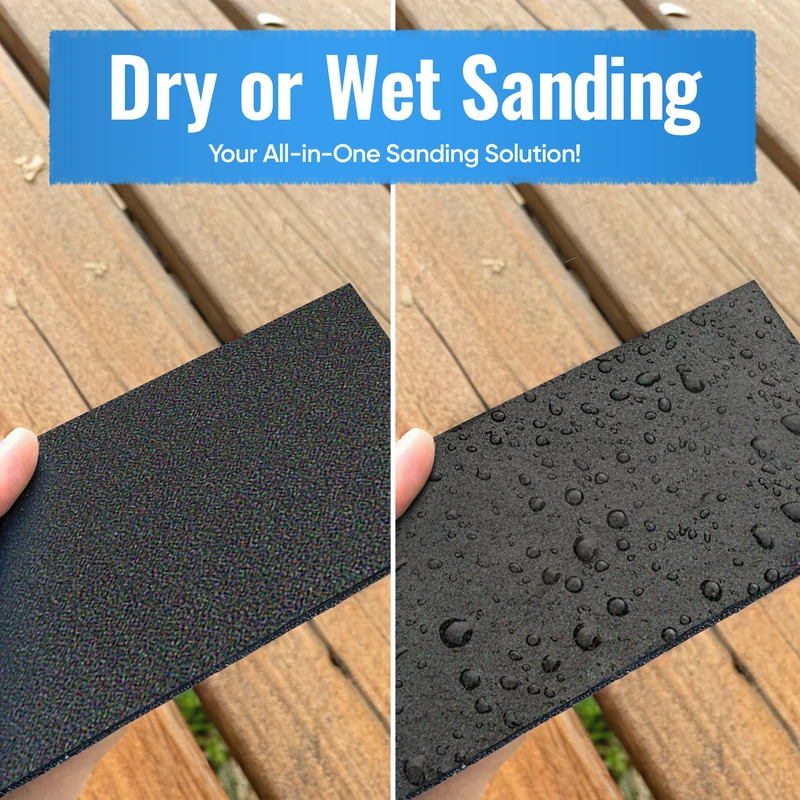
Cure management. Respect recoat windows—too soon and you trap solvents, too late and you lose chemical adhesion, requiring a scuff with 320. Control dust by finishing at day’s end, then leaving the space undisturbed. For the final sheen, consider a rub-out after full cure: 800–1500 grit wet/dry paper with soapy water, then polish with compound for a glass-smooth surface. Alternatively, choose the right sheen out of the can—satin hides small defects better than gloss.
Edge care and assembly. Finish edges first so you can catch drips on wide fields. Tip off drips immediately with a clean, nearly dry brush. When finished coats are dry to the touch, move pieces gently and protect with clean kraft paper—avoid plastic, which can block curing and imprint.
Five actionable tips for a professional result:
- Strain your finish through a paint filter to eliminate nibs before they start.
- Maintain a dedicated finishing brush; clean thoroughly and wrap in foil between coats.
- Decant small working amounts into a clean container to avoid contaminating the main can.
- Lightly scuff between coats with 320–400 grit and vacuum/tack to promote adhesion.
- Keep a humidity/temperature monitor; small changes affect leveling and cure.
With patience and a clean process, you’ll build a finish that resists rings, handles daily wear, and brings out the wood’s depth without plastic sheen.
Frequently Asked Questions (FAQ)
Q: Can I sand off polyurethane without chemicals?
A: Yes, on solid, flat wood you can sand off polyurethane, but it’s easy to clog abrasives and risk unevenness or veneer burn-through. Most pros remove the bulk with chemical stripping or controlled heat, then sand to clean the substrate and level.
Q: How do I avoid damaging veneer during coating removal?
A: Favor chemical strippers and plastic scrapers, use minimal heat, and keep sanding conservative. Mask edges with painter’s tape, work in small sections, and stop as soon as the finish lets go rather than chasing every last trace with aggressive abrasion.
Q: What should I use to remove residue before refinishing?
A: After stripping, follow the product’s wash step, then wipe with mineral spirits for oil-based systems or water/denatured alcohol for water-based. Vacuum thoroughly, brush out pores, and use a white-rag test. Allow full drying before applying finish.
Q: Why did my new polyurethane peel after a few weeks?
A: Peeling usually traces to inadequate surface prep: residual stripper, embedded dust, missed scuff between coats, or coating applied outside the recoat window. Correct by removing the failing coat, cleaning thoroughly, and refinishing with careful timing and thin, well-cured coats.
Q: Do I need a sealer before polyurethane?
A: Not always. Many polys act as their own sealer. Use a sealer when you need stain control, adhesion help on oily woods, or to prevent blotching on softwoods. Dewaxed shellac is a common universal sealer that plays well under most finishes.