
Extend Life of Hook and Loop Sanding Discs and Pads
Saturday morning in the shop: coffee on the bench, a fresh board clamped up, and the familiar hum of the random orbit sander. You press a new disc onto the pad, pull the trigger, and start your first pass—only to feel the disk skate and skip. You lift the sander and find a fuzz of dust caked onto the hooks, a few bent over, and that telltale glossy sheen that means friction has had its way with the pad. The job slows, the finish suffers, and those hook and loop sanding discs seem to be losing their grip long before the abrasive is worn out.
If that scene sounds familiar, you’re not alone. Hook-and-loop systems are fast and flexible, but they’re also sensitive to heat, dust, and technique. The good news: with a few deliberate habits, routine cleaning, and a couple of inexpensive accessories, you can dramatically extend the life of both your discs and backing pads. You’ll spend less on consumables, avoid mid-project frustration, and get cleaner, more consistent results on everything from rough leveling to final finish sanding.
This guide walks through why pads fail early, a smart cleaning protocol that restores grip, how to pick and use hook-and-loop abrasives without prematurely wearing out your gear, and the preventive upgrades that pay back in months—not years. We’ll also cover quiet maintenance habits that keep heat and debris in check, and we’ll look at a quick video-inspired trick for squeezing extra value out of worn discs. Whether you’re building a dining table or repainting cabinet doors, the aim is the same: predictable stick, smooth sanding, and less waste.
Quick Summary: Clean and protect the pad’s hooks, manage heat and dust, and use sacrificial layers and better technique to make hook-and-loop discs and pads last much longer.
Why Pads Fail So Soon
Before fixing the problem, it helps to name it. Hook-and-loop pads fail for a few predictable reasons, usually acting together.
Heat softens hooks: Excess pressure, high RPM, and restricted dust extraction generate heat. The tiny hooks can soften and curl, losing their “bite.” Glossy or flattened hooks are a classic sign of heat damage, and once hooks deform, performance rarely returns.
Dust contamination: Sawdust, resin, paint, and abrasive swarf pack into the hook field and pad holes. Embedded debris keeps hooks from fully engaging the loops, and acts like fine grinding compound that further wears the pad face.
Resin transfer and loading: Pitchy woods and painted surfaces can transfer gummy residue to both the disc and the pad’s hook field. That residue glues hooks together, then rips them when you peel discs off.
Disc removal technique: Yanking a disc up from the center or twisting it off can tear clusters of hooks. Over time, missing patches create local weak spots that cause edges to lift during sanding, compounding heat and wear.
Mismatch of pad and job: Using a firm pad on contoured work or a soft pad on heavy stock removal forces the hooks to do work they aren’t designed for. The pad flexes or digs, concentrating load on a small area and accelerating failure.
Notice none of these are mysterious defects. They’re shop realities we can manage. If you can keep heat low, clear the hooks and holes, and reduce direct stress on the pad face, you’ll preserve the pad’s integrity and keep discs attached until the abrasive is truly spent. This starts with a cleaning protocol that’s gentle, quick, and repeatable.
Smart Cleaning Protocol for Hook Pads
Think of cleaning as a routine service interval for your sander—brief, deliberate, and tailored to delicate parts. Here’s a proven protocol that avoids damaging hooks while restoring grip.
- Power down safely
- Unplug the sander or remove the battery.
- Let the pad stop spinning on the work surface; placing it down while spinning reduces accidental snags that can lift hooks.
- Dry debris removal
- Vacuum: Use a soft brush attachment to vacuum the pad face and pad holes. This lifts loose dust without stressing hooks.
- Compressed air (optional): If you use it, dial to low pressure and blow across the face at an angle. Direct high-pressure blasts can fray hooks.
- Gentle mechanical cleaning
- Nylon brush: With a soft or medium nylon toothbrush, brush in a single direction, not back-and-forth. Light strokes help lift embedded fines without bending hooks.
- Painter’s tape: Press the sticky side of blue painter’s tape onto the pad face, then peel. Repeat with fresh sections. This lifts resin flecks and fines safely.
- Spot treatment for stubborn residue
- Avoid solvents on the pad: Citrus and alcohol-based cleaners can soften the hook backing or adhesive. If you must spot-treat, use a barely dampened lint-free cloth and wipe the hook field’s backing (not the hooks themselves), then dry immediately.
- Save “crepe rubber” erasers for the abrasive disc, not the pad. Crepe can snag hooks and tear them.
- Inspect and recondition
- Check for glossy, flattened, or missing hook patches. If more than a quarter-sized area is bald or shiny, plan to add a sacrificial “hook saver” layer or replace the pad.
- Verify that the pad’s edge isn’t chewed. Edge damage lifts discs and accelerates heat.
- Reinstall with alignment
- When mounting a new disc, align dust holes precisely. Misaligned holes choke extraction, causing heat and clogging that undo your cleaning.
- Press the disc from the center outwards to seat the loops evenly. Avoid sideways sliding when attaching.
Three actionable tips:
- Clean every time you change grits: A 30-second vacuum and tape pass keeps hooks clear.
- Keep a “pad cover”: A clean, used disc (no abrasive left) stored on the pad protects hooks between sessions.
- Use an interface pad on rough or contoured jobs. It takes the abuse so your main pad doesn’t have to.
Choosing and Using hook and loop sanding discs
Even perfect cleaning won’t overcome disc choices that run hot or shed resin. A few smart selections and habits help discs and pads work together—and last.
Abrasive type and backing. For resinous woods and paints, choose stearated (anti-clog) discs or ceramic blends that cut cooler and resist loading. A robust loop backing (often labeled as “heavyweight” or “cloth-backed”) engages hooks more deeply and survives more peel cycles. On the flip side, ultra-thin paper loops may feel light and flexible but can tear easily, leaving fuzz on the hooks.
Hole patterns matter. Multi-hole “clean sanding” patterns dramatically improve dust capture—if aligned. Use a simple alignment plate or lightly rotate the disc against the pad until you feel holes register. Better airflow lowers heat, extends abrasive life, and protects hooks from pitch bake-on.
Grit progression and RPM. Jumping grits (80 straight to 220) makes the higher grit do excessive work, generating heat. Step through 80→120→150→180→220 as needed, and match sander speed to grit: higher speed for coarse stock removal, lower for fine grits and heat-sensitive finishes. If your sander has a dial, try 3–4 for finish sanding instead of max.
Attachment and removal. Press discs firmly from center to edges; avoid sliding them into place. Removal should be a peel from the edge, keeping the disc flat and parallel to the pad—don’t yank vertically from the center. This reduces concentrated stress on hook clusters.
When to use interface pads. For curves and edges, a 3–5 mm foam interface evens pressure and shields the main pad. Keep a few on hand and treat them as consumables. Some models are “hook savers” that add a sacrificial loop layer between disc and pad, preserving hooks.
Consumable discipline. Segregate discs by grit and task in zip bags or a folder. Dusty storage contaminates loops; loops shed into hooks; it’s a cycle you can stop with simple organization.
Actionable tips:
- For pine and resinous hardwoods, favor stearated or net discs to cut cooler.
- Align holes every time; a 10-second check beats a cooked pad.
- Keep at least one foam interface pad dedicated to aggressive grits to absorb shock.
According to a article
Preventive Upgrades and Accessories
A few low-cost additions can radically extend pad life, especially if your projects include painted work, hardwoods with pitch, or long sanding sessions.
Hook saver films and interface layers. Hook-saver sheets (often marketed as “hook saver” or “pad protector”) attach to your sander’s hook pad and present a fresh loop face to your discs. They’re sacrificial: if loops clog with resin or wear, you replace the saver, not the expensive pad. Look for versions with matched hole patterns to maintain dust extraction.
Multi-hole alignment plates. These templates sit over the pad and guide disc placement. They’re especially useful if you swap brands with different hole layouts. Perfect alignment keeps airflow high and temperatures low.
Dust extraction and hose management. A high-flow shop vac or dust extractor, paired with a smooth wall hose and proper adapter, lowers airborne dust and pad temperature. Make sure the hose doesn’t tug the sander; strain reliefs or lightweight anti-static hoses reduce drag that can cause you to press harder than necessary.
Pad hardness options. Keep at least two pad densities if your sander allows swapping: a soft pad for curves and fine finishing, and a medium/firm pad for leveling. Matching pad hardness to the job spreads load evenly across hooks and reduces edge wear.
Thermal habits. Short, overlapping passes with light pressure are gentler on hooks than long, leaning sweeps. Rest the sander briefly between panels to shed heat. If discs feel hot at removal, slow down: heat is the enemy of hooks and adhesive.
Storage solutions. Protect both discs and pads from dust and heat. Store discs flat in a binder with plastic sleeves; keep the sander off a hot dashboard or near heaters. Cover the pad with a clean, spent disc or a dedicated pad cover to prevent incidental damage.
Actionable tips:
- Add a hook-saver layer to new pads on day one; treat it like a screen protector.
- Use a lightweight, smooth hose or an anti-static hose to reduce drag and pressure.
- Rotate pads: dedicate one pad to coarse work and one to fine to balance wear.
Maintenance Habits That Pay Off
Extend your pad’s lifespan with quiet discipline—small habits that prevent the conditions that destroy hooks.
Set pressure by feel, not force. Let the sander’s weight do most of the work. A quick guideline: if you can’t freely move the sander with two fingers on the head, you’re pressing too hard. Extra pressure increases heat and stalls the pad, scuffing hooks.
Time your passes. Work in 10–15 second passes over a small area, then lift, vacuum, and check. Continuous minutes on one spot can build more heat than you think, especially with fine grits that don’t visibly remove material.
Mind the edges. Avoid hanging the pad over edges; partial contact stresses a sliver of the hook field and can tear hook clusters. Use an interface pad for edges and profiles to distribute force.
Disc rotation and reuse. If a disc still cuts but edges are frayed, trim those whiskers with scissors to prevent the loops from snagging during removal. Rotate partially used discs back into the stack to spread wear over multiple peel cycles.
Inspect screws and backing. Periodically check pad mounting screws and the plastic backing for cracks. A slightly loose pad vibrates more, pushing hooks to scrape and overheat.
Set a replacement threshold. No pad lasts forever. When hook loss is widespread or the pad face looks glossy and smooth across more than 25% of its area, you’ll spend more time fighting lift than sanding. Replace it or add a hook-saver layer to buy time.
Simple routine, big payoff:
- Vacuum and tape clean with each grit change.
- Keep a cover disc on the pad during storage.
- Limit continuous sanding to short intervals and use active dust extraction.
How I reuse — Video Guide
A short, practical video demonstrates a clever way to reclaim value from discs that seem done. The creator shows how, when the hook side of a disc is still sound but the abrasive is spent, you can adhere fresh sandpaper to the existing disc—essentially turning it into a reusable carrier.
Video source: How I reuse Warn Out Hook and Loop Sanding Disk
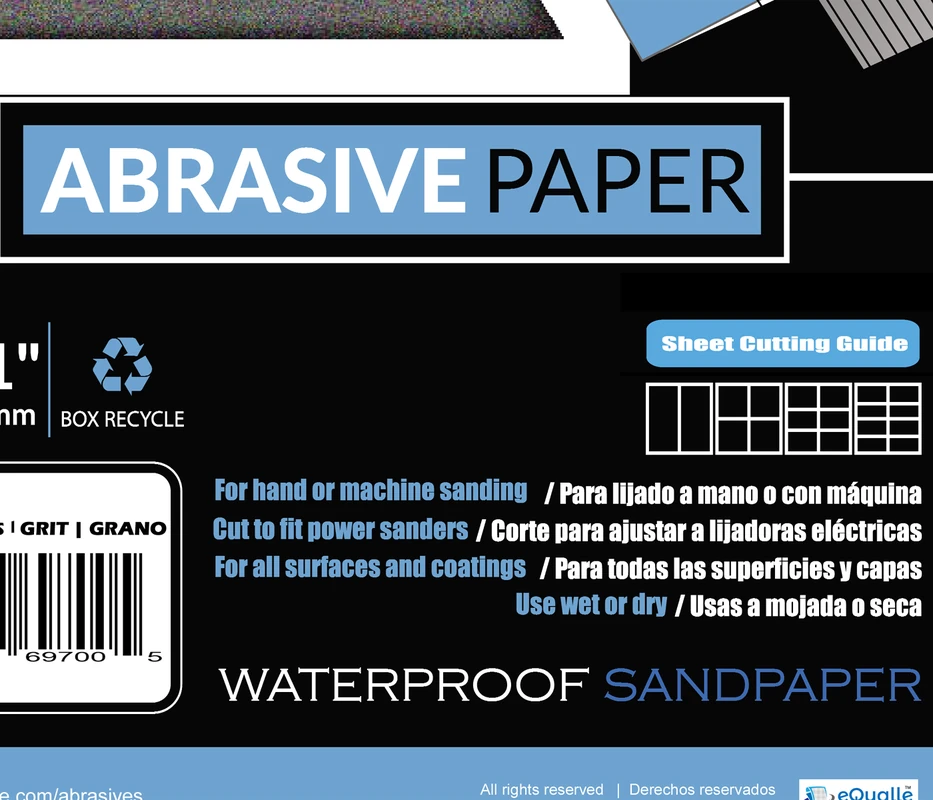
240 Grit Sandpaper Sheets (50-pack) — 9x11 in Silicon Carbide Abrasive for Wet or Dry Use — Light refinement grit that blends sanding marks and smooths primer layers. Perfect for wood, resin, or plastic before lacquer application. Produces consistent scratch patterns and controlled results when used wet or dry. (Professional Grade).
Frequently Asked Questions (FAQ)
Q: How do I know when a hook-and-loop pad needs replacement?
A: If you see glossy, flattened hooks, missing clusters larger than a quarter, or discs that won’t stay put even after cleaning, the pad is near end-of-life. Add a hook-saver layer to buy time, but plan a replacement to restore reliable grip and dust extraction.
Q: Can I use solvents to clean the pad’s hooks?
A: Avoid solvents on the hook field. Many can soften the plastic base or weaken adhesive. Stick to vacuuming, a nylon brush, and painter’s tape. If pitch is heavy, very lightly wipe around (not across) the hooks with a barely damp cloth, then dry immediately.
Q: Do net-style discs help pads last longer?
A: Often, yes. Net and multi-hole discs improve dust extraction, lowering heat and resin buildup that damages hooks. Ensure you use a compatible backing pad or interface so the net disc engages uniformly and aligns with your sander’s airflow.
Q: Why do my discs fly off during sanding?
A: Common causes include misaligned holes (reduced suction), excessive pressure or speed (heat softens hooks), contaminated hooks or loops (dust/resin), or a damaged pad edge. Clean the pad, align holes, reduce pressure, and inspect for hook loss.
Q: Should I keep a disc on the pad between sessions?
A: Yes—if the disc is clean. A spent but clean disc works as a pad cover, protecting hooks from dust and incidental knocks. Replace the cover if it gets gritty to avoid embedding debris into the hooks.