
Flush Slurry with Wet Dry Sandpaper for Clean Cuts
The first time I noticed loading, I was hunched over a maple cutting board in a chilly garage, chasing a glass-smooth finish that never seemed to arrive. The sandpaper was supposed to be “the good stuff,” and I was stepping through the grits like a textbook. But after a few strokes, the sheet glazed over. Instead of cutting, it skated—leaving faint scorch marks and a haze of streaks. I swapped sheets, pressed harder, tried angles. Same story: the paper clogged, and the surface got warmer. That’s when the lightbulb went off. It wasn’t the grit. It wasn’t the wood. It was the slurry—swarf, resin, and water—hanging around and turning my abrasive into a slick.
I reached for a spray bottle, misted, and watched gray rivulets roll off the board. New pass. The bite came back. Suddenly, the abrasive sounded different—crisper, a fine hiss instead of a squeak. That’s the sound of edges cutting, not sliding. I added a single drop of dish soap to the bottle, gave the sheet a quick rinse against a rubber mat, and kept the water moving. The difference was night and day. Whether you’re flattening a plane iron, smoothing a guitar body, detailing clear coat, or trimming a slab of agate, the same rule applies: keep the abrasive open by flushing slurry, and the surface will reward you.
Wet dry sandpaper is designed for this exact dance—abrasive cutting, slurry forming, water clearing. But the “wet” part only pays off when you control the flow, the sheet support, and the wipe-down routine. That’s what we’ll dial in here: a shop-proven method to prevent loading, extend abrasive life, and raise the quality of your finish with minimal effort. Think of this as a live-fire lesson from the bench: how to keep the cut alive.
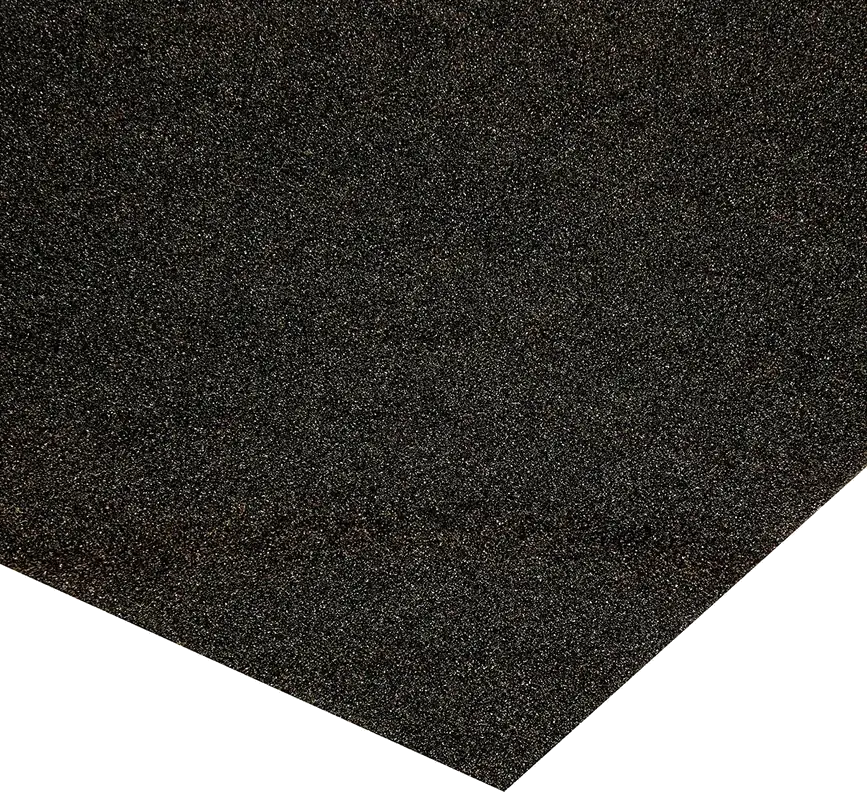
Quick Summary: Keep abrasive sharp by flushing slurry frequently with clean water (plus a drop of soap), wiping between passes, and supporting wet dry sandpaper on a flat, non-clogging surface.
Why Slurry Builds Up and Paper Loads
Loading happens when the waste you’re removing—wood resin, metal swarf, paint, stone fines—packs into the voids between abrasive grains and fills the backing’s pores. As the sheet clogs, each particle’s cutting edge gets insulated by gunk and heat rises; the paper loses bite, burnishes instead of cuts, and can leave random scratches as nuggets of compacted debris break free.
Three mechanics drive loading:
- Carrier fluid too low: If water doesn’t move, it becomes a thick paste that rides under the sheet.
- Surface tension: Without a surfactant, slurry clings to both the work and the abrasive, resisting rinse-off.
- Flatness and pressure: Hollow or flexible backing concentrates pressure in a few spots, compacting swarf into pellets that smear.
Materials behave differently. Oily hardwoods produce resin-rich fines that glue themselves to the sheet. Metals generate dense swarf that heats quickly and welds to abrasive, especially at high pressure. Paint and clear coat can ball up into sticky nibs that skate across the surface. Stone and ceramics create very fine particles that can pack tightly and glaze.
The fix isn’t “just more water.” It’s controlled flow and frequent clearance. Think of slurry as a consumable you must eject continuously. The goal is laminar, low-pressure flushing: thin film in the cut, then off the work. Support the sheet on a hard, flat, water-friendly surface—glass plate, granite tile, machined steel (rust-protected). Keep your pressure consistent and light; let the grit size do the heavy lifting. Most of all, break the habit of long, dry strokes. Sand in short sets, rinse, wipe, and resume. That cycle is where the magic lives.
Choosing and Prepping wet dry sandpaper
Not all sheets labeled “wet/dry” behave the same. Look for silicon carbide or aluminum oxide with a waterproof backing and resin bond. The backing should resist curling and hold shape when wet. For shop versatility, stock grits from 120 to 2000. Silicon carbide excels on hard, brittle materials and finishing clear coats; aluminum oxide is durable on wood and metal shaping.
Prep the sheet and surface before the first stroke:
- Cut or tear to size that fits your block or platen; smaller pieces are easier to keep clean.
- Soak time: Thirty seconds to two minutes softens edges and saturates the backing. Don’t over-soak; long soaks can weaken some adhesives.
- Label the back with a marker if you’re rotating multiple grits in a sequence.
H3: Grit progression that won’t clog
- For wood: 120/150 → 220 → 320 → 400 (finish decisions beyond 400 depend on topcoat). Avoid jumping more than 2x grit size.
- For metal flattening: 220 → 400 → 800 → 1200. If swarf packs early, add an intermediate step (e.g., 600).
- For paint/clear leveling: 800 → 1000 → 1500 → 2000 → 3000 (foam-backed). Keep strokes short and check slurry color frequently.
- For stone/glass: 220 → 400 → 800 → 1200 → 2000 and beyond; always flood-rinse.
Actionable tips:
- Pre-burnish edges: Lightly roll the sheet’s corners over a scrap to reduce chances of catching and folding slurry lines into scratches.
- Write grit on your sanding block: Faster swapping and zero mix-ups when wipes and rinses are frequent.
- Keep a “sacrificial” strip: Use a narrow offcut of the same grit to scrub and re-open a loaded sheet mid-session.
Water, Flow, and Smart Rinsing Techniques
You want water to carry debris away, not store it on the surface. Set up a rinse rhythm: 10–15 strokes, quick rinse, wipe the work and sheet, resume. On high-loading materials (oily wood, soft paint), cut that in half—5–8 strokes before rinse.
H3: Add a drop of soap A small amount of dish soap in your spray bottle (1–2 drops per liter) breaks surface tension so slurry releases readily. Too much soap makes bubbles that cushion the cut—avoid that. You can also use a dedicated surfactant made for wet sanding, but a drop of dish soap is reliable, cheap, and effective.
Practical flow options:
- Spray bottle with mist setting: Ideal for light, even coverage. Angle the bottle so water sweeps in the direction you’ll push the slurry off the work.
- Drip bottle (lab wash bottle): Good for continuous low-flow on metals; keeps the cut cool and swarf moving.
- Running water edge: If you’re near a sink, sand close to the rim so water can run off. Protect the drain with a mesh to capture debris.
Sheet clearing in seconds:
- Lift the sheet and flex it under a fast rinse to crack and release packed swarf.
- Wipe once across a clean rubber or silicone mat to squeegee out debris.
- Shake and lay it back down on your platen—don’t set a wet, loaded sheet face-down on dusty benches.
Work surface wipe:
- Keep a dedicated microfiber for wood/resin and a blue shop towel for metal. Wipe the work quickly after each rinse to prevent slurry streaks from drying into ridges.
Pressure and strokes:
- Use two fingers of pressure on a block; let the abrasive do the work. Heavy hand equals packed swarf.
- Favor straight strokes with slight overlap. If you must use circles, shorten the loop diameter to minimize slurry spirals that re-deposit.
Actionable tips:
- Color-check the slurry: Gray for steel, tan for wood, white for clear coat. When it darkens or thickens, you’re overdue for a rinse.
- Chill metal parts: A cold part (not wet with condensation) runs cooler and slows swarf welding to the grit.
- Dedicated bottle per material: Don’t cross-contaminate; a bottle used on steel shouldn’t mist over a final clear coat sand.
According to a article, wet grinding reduces heat, keeps abrasive sharp, and minimizes specimen damage—exactly the conditions that prevent loading in the shop.
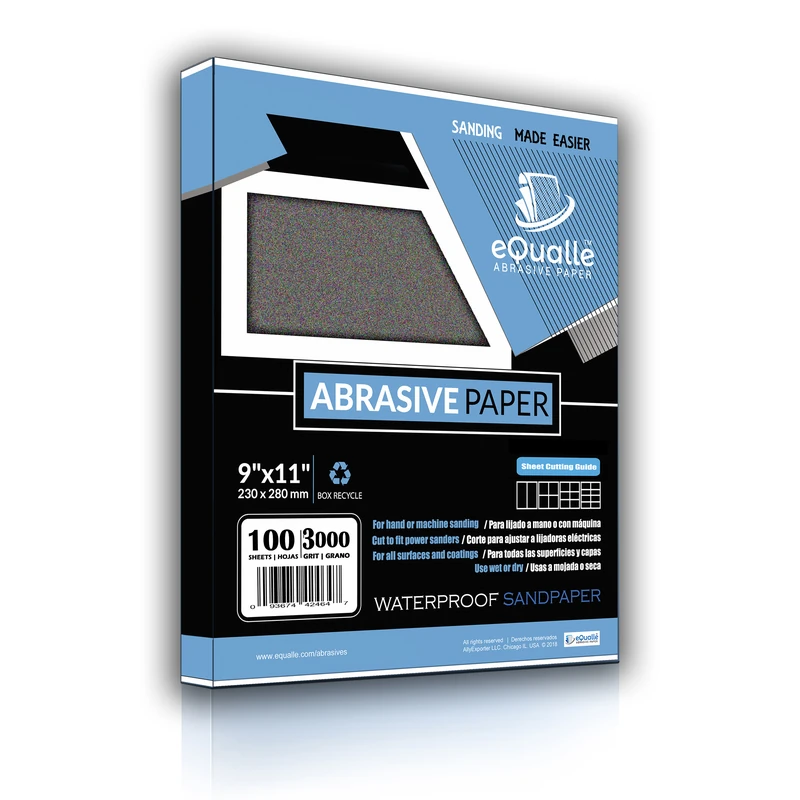
Workshop Setup That Keeps Abrasives Clear
A smart setup prevents 80% of loading before you even touch the workpiece. Start with your platen: a piece of float glass or a granite surface tile gives you flat, non-porous support. Stick the sheet down with a mist of water; surface tension will hold it. Avoid wood backers for wet sanding—they swell and trap slurry.
Layout matters. Arrange a rinse station on the right (or your dominant side), a drain path away from the work, and two cloths: one to wipe the sheet, another for the work. Keep a trash catch-tray or shallow pan to contain slurry if you’re indoors. For metal work, add a rust plan: blow off and oil parts immediately after final rinse.
Blocks and pads:
- Hard blocks (aluminum, acrylic) maintain flatness—great for level sanding and edge control.
- Semi-flex pads follow contours without trapping slurry; open-cell foam blocks can hold debris, so rinse them aggressively.
- Cork-faced blocks reduce chatter and allow a thin film of water to distribute evenly.
Lighting and feedback:
- Side lighting at a low angle reveals the wet sheen and the micro-lines of your strokes. It also shows when slurry accumulates as dull patches.
- Audio helps: clean cutting sounds like a soft hiss; loading adds squeaks or a sticky squeal. Pause when the sound changes.
Safety and cleanliness:
- Wear eye protection; slurry flick can irritate.
- Use nitrile gloves to avoid oils from your hands changing surface tension.
- Sweep or squeegee the floor if you’re moving between dry and wet sanding. Grit underfoot becomes airborne dust, and it will find your finish.
Actionable setup tips:
- Keep a “clean landing zone”: a silicone baking mat or neoprene pad for placing sheets face-up when you pause.
- Use a numbered tray: slots 1–5 for grits. Wet sheets go back in their slot so you don’t contaminate finer stages.
- Water discipline: Replace your rinse bottle or bucket when the fluid turns visibly cloudy. Dirty water is just slurry on standby.
Troubleshooting: Swarf, Smears, and Scratches
Even with good technique, you’ll occasionally see symptoms that point to loading or poor flushing. Here’s what to look for and how to fix it fast.
Symptom: Smears or dark streaks on metal
- Cause: Swarf welding from heat or pressure; insufficient rinse.
- Fix: Drop one grit coarser, lighten pressure, switch to a drip feed for constant cooling, and add a single soap drop to the mix. Rinse the block itself—metal flecks often cling there.
Symptom: Cloudy patches on clear coat that don’t buff out
- Cause: Trapped slurry dried and etched micro-ridges.
- Fix: Re-flood and lightly re-sand with the same grit, strictly crosshatching, and wipe every 6–8 strokes. Follow with a clean microfiber and clean water before stepping up a grit.
Symptom: Persistent random deep scratches
- Cause: A stray hard particle (chip, grit from earlier step) stuck to the paper.
- Fix: Stop immediately. Rinse sheet and work, wipe your platen and block, and start a fresh piece of paper. When changing grits, clean everything in the chain—including your hands.
Symptom: Sheet glazes quickly on oily woods
- Cause: Resin loading. Water alone can’t carry it away.
- Fix: Use a small amount of denatured alcohol as a co-solvent for resin between water rinses (check finish compatibility). Switch to a fresh sheet more often; work in cooler conditions if possible.
Symptom: Uneven cut pattern despite careful strokes
- Cause: Hollow or soft backing, or a bow in the part.
- Fix: Confirm flat support (glass or granite), verify your block hardness matches the job, and re-seat the sheet so no bubbles or folds trap slurry underneath.
H3: Fast recovery protocol
- Rinse: Both work and abrasive under clean water.
- Reset: Wipe dry with separate cloths to purge contamination.
- Reprime: Light mist with fresh water + soap drop.
- Resume: Short, light passes; reassess the sound and slurry color.
Actionable troubleshooting tips:
- Timebox every grit: 3–5 minutes on small parts, 10–15 on panels. More time often means you’re loading, not cutting.
- Track slurry temperature with your fingers: Warm slurry equals friction; increase flow, lower pressure.
- Keep a loupe or 10x magnifier: Identify whether marks are cuts (uniform) or smears (irregular with shine).
Sharpening, Japanese whetstone — Video Guide
This comparison video pits a Japanese whetstone against wet and dry sandpaper for bringing dull kitchen knives back to life. The host sharpens two equally blunt blades—one on a traditional stone, the other on sheets—so you can see the differences in feel, slurry behavior, and edge quality.
Video source: Sharpening, Japanese whetstone vs wet & dry sandpaper
280 Grit Sandpaper Sheets (25-pack) — 9x11 in Silicon Carbide Abrasive for Wet or Dry Use — Fine finishing grit for delicate work—ideal for flattening varnish layers and creating a pre-polish smoothness on wood or resin. (Professional Grade).
Frequently Asked Questions (FAQ)
Q: How often should I rinse when using wet dry sandpaper?
A: On average, every 10–15 strokes. Cut that to 5–8 on high-loading materials like oily hardwoods, soft paint, or gummy plastics. If the sound changes or slurry darkens, rinse immediately.
Q: Is a drop of dish soap really necessary?
A: It’s not mandatory, but one or two drops per liter reduce surface tension so slurry releases faster and the sheet stays open longer. Too much soap can cushion the cut, so keep it minimal.
Q: What’s the best surface to back my sandpaper?
A: A hard, flat, waterproof platen like float glass or a granite tile. It keeps pressure even, prevents slurry from pooling, and minimizes loading. Avoid swelling wood backers for wet sanding.
Q: Can I reuse a sheet that has started to load?
A: Often, yes. Flex it under running water, wipe across a rubber mat to squeegee out debris, and resume. If glazing returns quickly or scratches appear, swap the sheet—time is worth more than a tired abrasive.
Q: How do I prevent rust when wet sanding steel?
A: Keep water moving and cool, rinse thoroughly after each grit, blow dry immediately, and oil the part when finished. Use separate cloths for the work and the sheet to avoid re-depositing swarf.
Q: What grit sequence minimizes loading for clear coats?
A: 800 → 1000 → 1500 → 2000 → 3000 (foam-backed), with very light pressure, strict crosshatching, and a rinse/wipe every short set of strokes to stop nibs from forming.
Q: Does running water beat a spray bottle?
A: For metals and stones, a gentle continuous drip or thin stream wins—it keeps heat and swarf in check. For wood and finishes, a spray bottle gives better control and avoids flooding fibers or edges.