
HEPA Extraction and Respirators with eco sandpaper
If you spend your days refining surfaces, you know the moment: the room is quiet except for the steady hum of the sander, extraction hose draped over your shoulder, and the clean, consistent bite of the abrasive cutting only what it needs to. It’s a small sense of control in a messy world—measured in microns and minutes saved. The work is exacting and sometimes unforgiving, especially when the substrate is unknown or the coating dates back decades. That’s why the right system matters. From the abrasive itself—perhaps an eco sandpaper that reduces loading and waste—to the HEPA extractor and the respirator on your face, every component either drives precision or introduces risk.
On a pre-war window sash, the paint cup-tests positive for lead. A brittle alkyd undercoat hides beneath two latex topcoats. The client wants a smooth, repainted finish, not a museum restoration, and the schedule is tight. You know this is a dust-control problem first, a surface-prep problem second. Choosing the correct grit progression and sander orbit is just as critical as establishing a negative-pressure work zone, sealing vents, and wearing a respirator that maintains protection while you move, bend, and sweat. What seems like a simple “sand and repaint” becomes a choreography of airflow, capture efficiency, and consistent cutting speed.
This is where great workflows live: in the details that keep dust out of the air and edges crisp. HEPA extraction is the anchor—capture at the source. A respirator is the safety net—reliable when extraction can’t get everything. And your abrasive selection can either help the extractor by generating predictable chip sizes and low clogging, or fight it by smearing softened coatings and creating ultrafine debris. When you choose intelligently across these three, you get a faster cut, a flatter substrate, and an environment where the only thing noticeable at the end of the day is the finish—never the dust.
Quick Summary: Use source-capture HEPA extraction, a properly fitted respirator, and well-matched abrasives to control dust, maintain cut rate, and deliver lead-safe, high-precision sanding.
HEPA extraction: capture at the source
Airborne particles from sanding span a range of aerodynamic diameters, but the fraction under 10 microns (PM10) presents the most persistent inhalation risk—and the sub-2.5 micron fraction (PM2.5) can stay suspended for hours. HEPA extraction addresses this by capturing dust at the point of generation and filtering to a minimum efficiency of 99.97% at 0.3 microns. In practice, performance depends on matching three components: airflow (CFM), static pressure (inches of water lift), and the sander’s shroud/port geometry.
For random-orbit sanders used on coatings and wood, 100–150 CFM at the hose end is a reliable target, with anti-static 27–36 mm hoses to reduce loss and prevent cling. If you’re running multiple tools or using wide-mesh net abrasives, step up to higher-capacity extractors or staged pre-separation (e.g., a cyclone pre-separator) to keep filter load low. Be mindful that high static pressure helps maintain capture when the pad seals imperfectly against profiles or edges, but too much draw can cause pad “lock” and swirl scratches on soft finishes; tune using the tool’s airflow bypass.
Filter strategy is non-negotiable: a fleece or multi-layer bag for primary capture, an auto-clean or pulse-clean mechanism for the main HEPA cartridge, and regular bag changes before they reach maximum fill to avoid pressure spikes. Seals and gaskets must be intact—any bypass path turns your “HEPA extractor” into a particle distributor. Verify performance physically: inspect for residue inside the hose cuffs and tool shroud; residue suggests either pad seal issues or insufficient airflow.
Hose management directly affects ergonomics and capture. Run the hose overhead where possible, or use a belt clip to reduce drag across the work. Kinks and tight bends increase pressure drop and reduce tool-side CFM significantly. On exterior work, vent the exhaust away from you and the substrate to prevent re-entrainment.
Key specs to check
- Tool-side CFM: 100–150 for single 5–6 inch random-orbit sanders.
- Hose diameter and length: 27–36 mm; keep runs short; avoid reducers.
- Filtration stages: fleece bag + HEPA cartridge; verify seals.
- Auto-clean cadence: set to match dust loading; too frequent pulses reduce steady-state capture.
Selecting eco sandpaper and abrasives
Abrasive choice is where cut rate, dust generation, and sustainability intersect. The best eco sandpaper options combine durable mineral, anti-clog coatings, and low-waste backings that extend disc life and reduce changeouts. Closed-loop performance—consistent cut with predictable wear—also improves dust capture because it reduces the number of “stall-and-smear” moments that generate ultrafine debris.
Mineral and coat type matter. For coating removal and feathering edges, open-coat aluminum oxide with a stearate layer resists loading and maintains a cool cut. On stubborn catalyzed finishes or epoxy primers, ceramic alumina or mixed ceramic/AlOx grains maintain sharpness at lower pressures, which is ideal when you’re relying on extraction to keep pad seal intact. Avoid hard-pressing into the surface; let the mineral do the work—excess pressure collapses the pad’s vacuum channels and ejects fines from under the shroud.
Backing and hole patterns are equally critical. Paper backings labeled C or D-weight balance flexibility and durability on flat work; film backings offer superior edge tear resistance and a uniform scratch pattern ideal for clear finishes. For extraction efficiency, discs with multi-hole or mesh patterns (net abrasives) spread capture across the pad and reduce localized clogging. Net abrasives can extend life dramatically on gummy paints, but require sufficient CFM to pull dust through the entire mesh. If airflow is marginal, a well-matched multi-hole disc on a perforated pad outperforms net.
Sustainability extends beyond the disc. Choose abrasives from manufacturers documenting reduced resin VOCs, recycled fiber backings, and longer life per disc. Eco-conscious doesn’t have to mean underperforming; many “green line” abrasives deliver higher consistency, which translates to fewer discs used per job.
When to step up grit
- If the pad starts skating and the scratch pattern fades without material removal, the disc is loaded—change to a fresh disc, not more pressure.
- If you need more stock removal, step down one grit size, not three; large jumps create deep grooves that require extra passes to refine.
- For feathering lead-painted edges, stay within 120–180 grit to limit dust generation while creating a paintable profile.
Respirator selection and fit strategy
Extraction minimizes airborne load; the respirator protects you from what escapes—and from secondary exposures during bag changes, cleanup, and movement around the site. Match the respirator to the hazard and the task duration, and treat fit as a performance parameter, not an afterthought.
For particulate hazards such as lead dust, a tight-fitting half-face respirator with P100 (HEPA) filters delivers an Assigned Protection Factor (APF) of 10 when properly fit-tested. If you’re spraying solvents or working near off-gassing coatings, use combination cartridges (OV/P100) to protect against both particulates and organic vapors. Full-face respirators increase APF to 50 and add eye protection, which is valuable when scraping overhead or working in conditions with significant rebound dust.
Fit testing and seal checks are essential. Each face has different geometries; soft-seal half masks come in multiple sizes, and certain models seal better on narrower or wider faces. Facial hair under the seal breaks the fit—maintain a clean shave or move to powered air-purifying respirators (PAPRs) with loose-fitting hoods if shaving isn’t feasible. Conduct a negative and positive pressure seal check every time you don the mask. Replace filters when breathing resistance increases, if you detect odors (for gas/vapor cartridges), or at the interval set by your exposure control plan.
Comfort and heat management influence compliance. Choose low-pressure-drop filters for all-day sanding and consider exhalation valves that direct moisture downward to reduce fogging. If you’re working in hot conditions, schedule breaks and rotate tasks to prevent heat stress while maintaining PPE discipline. Store respirators in a clean, sealed bag between uses to prevent contamination and deformation of the face seal.
According to a article.
Fit test checklist
- Select size and model; conduct qualitative or quantitative fit test annually.
- Perform user seal checks each donning; re-adjust after talking, bending, or sweating heavily.
- Document cartridge/filter change schedules; don’t rely solely on perceived resistance.
Sanding workflows for lead-safe prep
A lead-safe sanding workflow integrates containment, controlled removal, and disciplined cleanup to minimize dust and deliver paintable profiles. Start with containment: plastic sheeting on floors and vertical barriers to isolate the work zone; tape-and-zip access; HVAC supply and returns sealed; and, if feasible, negative air via an air scrubber exhausting outside. Put on your respirator, disposable coveralls, and gloves before entering; carry tools in a sealed tote to avoid tracking dust.
Surface evaluation guides your passes. Test for lead on suspect surfaces. On confirmed or likely lead coatings, avoid dry scraping or high-speed grinding. Instead, score cracked edges, employ wet methods for stubborn areas, and use a random-orbit sander with integrated HEPA extraction and a soft interface pad for profiles. Start at 120–150 grit to feather edges without opening deep scratches, then refine to 180–220 for topcoat adhesion. The goal is not bare wood; it’s a stable, clean, profiled surface.
Work methodically. Keep the pad flat, use light to moderate pressure, and overlap passes by 50% to maintain uniformity and dust-capture integrity under the shroud. Periodically lift the sander while the pad is still spinning off the surface to avoid swirl marks. Replace discs before they clog; a loaded disc generates heat that softens coatings and creates ultrafine particulate. Vacuum and wipe the area between grit changes to prevent cross-contamination of scratch patterns.
Contain and remove waste continuously. Use sticky mats at the exit, vacuum yourself off (coveralls and boots) with a HEPA brush nozzle, and bag discarded discs and wipes in durable, labeled bags. Schedule breaks for filter bag checks; don fresh gloves before handling clean materials to avoid transfer.
Actionable tips:
- Use an interface pad when sanding profiles or trim; it maintains pad seal and improves extraction by keeping the shroud close to the work.
- Pre-score paint ridges with a carbide pull scraper, then feather with 150 grit; this reduces time-in-contact and dust generation.
- Keep a “clean hand” and “dirty hand” protocol: dirty handles tools and waste; clean handles new abrasives and fresh wipe cloths.
- Change discs early: as soon as cut rate drops by 20–30%, swap. It’s faster and safer than pushing a spent disc.
- For exterior work, work leeward to wind and position extraction exhaust downwind to prevent recirculation.
Verification, cleanup, and waste control
A lead-safe job isn’t complete until you’ve verified cleanliness and controlled waste. Start with progressive cleanup: HEPA vacuum horizontal surfaces from top to bottom, including window wells, trim tops, and floor perimeters. Use a brush nozzle with soft bristles to agitate dust from crevices. Follow with wet-wiping using disposable cloths and a mild detergent solution; rinse and re-wipe as needed. Repeat vacuuming after surfaces dry to capture any remaining particles.
Clearance verification depends on jurisdiction, but a good internal practice is to conduct white-glove checks on dark surfaces and, where feasible, perform dust-wipe sampling on floors and window sills. If visual or wipe checks fail, re-clean the zone rather than spot-fixing; dust migrates. Inspect extraction equipment, too—if you see dust trails behind the sander or residues inside hose cuffs, correct before the next task.
Manage waste as regulated material when lead is present. Double-bag dust, used wipes, disposable PPE, and spent filters; seal bags with gooseneck ties and label per local requirements. Store temporarily in a lidded container until transport. Decontaminate tools with HEPA vacuuming followed by damp wiping; don’t use compressed air. Remove coveralls inside the containment, turning them inside out to trap dust, and wash reusable work clothes separately from household laundry.
For HEPA extractors, change the primary bag when it’s 75–80% full to avoid burst risk and airflow restriction. Replace HEPA cartridges per manufacturer guidance or when pressure-drop indicators suggest clogging. Document maintenance to ensure your system’s capture performance remains reliable.
Post-cleaning, walk the client through the work zone, explaining what was done to manage dust and how the prepared surface supports adhesion. This transparency builds trust and reinforces the value of disciplined, health-focused preparation.
Ask The Pool — Video Guide
In a short segment from the Legendary Escapes team, a pool builder addresses why a specialized ecoFinish coating can feel abrasive to the touch—similar to sandpaper. The discussion breaks down surface texture, application conditions, and how those factors influence perceived roughness.
Video source: Ask The Pool Guy: Why does my ecoFinish feel like sandpaper?
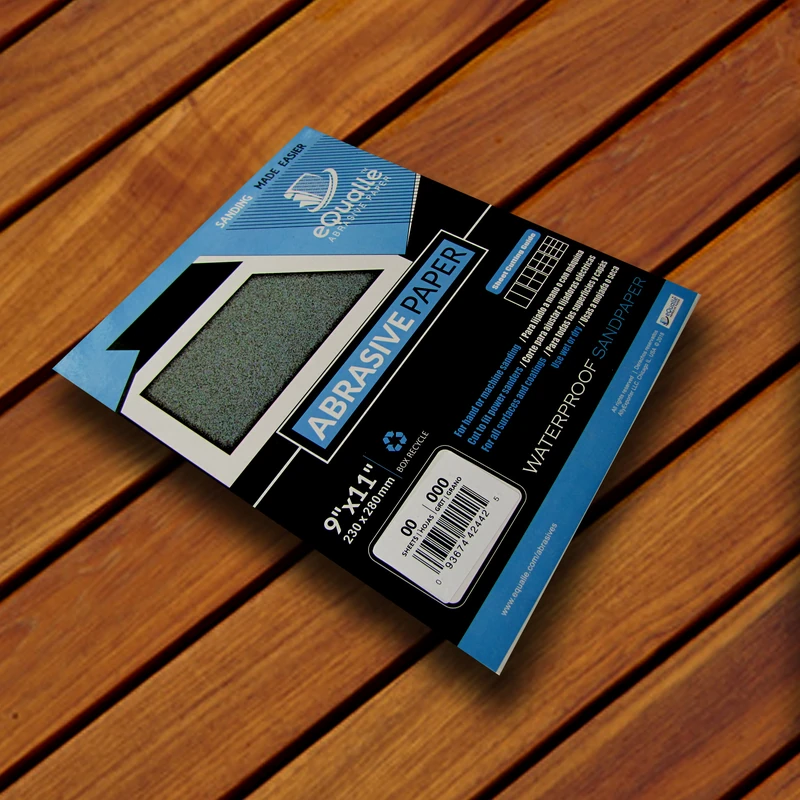
320 Grit Sandpaper Sheets (100-pack) — 9x11 in Silicon Carbide Abrasive for Wet or Dry Use — Precision finishing grit that enhances clarity between paint or lacquer coats, ensuring a flawless final layer. (Professional Grade).
Frequently Asked Questions (FAQ)
Q: Do I need a respirator if I’m using a high-quality HEPA extractor?
A: Yes. HEPA extraction minimizes airborne dust but can’t capture everything, especially during edge work, bag changes, or in tight profiles. A properly fitted P100 respirator provides essential protection from residual particulates.
Q: What grit progression is safest for lead-painted surfaces?
A: Start around 120–150 grit to feather edges without aggressive stock removal, then refine to 180–220 for adhesion. Avoid coarse grits that create deep scratches and excess dust; the goal is a stable, profiled surface, not bare wood.
Q: How often should I change HEPA bags and filters?
A: Replace the primary bag at roughly 75–80% capacity to maintain airflow and avoid ruptures. Change HEPA cartridges per manufacturer guidance or if breathing resistance/pressure drop rises or visible bypass is detected.
Q: Is mesh (net) abrasive better than standard multi-hole discs?
A: Net abrasives excel at anti-clogging and can extend disc life on gummy coatings, but they require strong tool-side CFM to pull fines through the mesh. If your extractor is marginal, a well-matched multi-hole disc on a perforated pad often performs more consistently.
Q: What makes eco sandpaper “eco,” and does it compromise performance?
A: Eco-focused abrasives use longer-life minerals, low-VOC resins, and recycled backings to reduce waste. Many perform as well or better than conventional options due to more consistent grain distribution and anti-loading coatings.