
Grain Filling Oak: Pro Sanding and Filler Workflow
There’s a moment every woodworker recognizes: fingertips tracing a new oak tabletop, catching on the earlywood valleys that step across the surface like tiny terraces. Under shop lights, the finish looks glossy, almost perfect—until the raking light at sunrise reveals a topography of pores telegraphing through the film. That’s when grain filling stops being a nice-to-have and becomes a requirement. On open-pore woods like oak, ash, and mahogany, achieving a piano-flat finish asks for a deliberate sequence: correct abrasive selection, controlled scratch management, filler chemistry that matches your topcoat, and disciplined leveling. Skip any step and the pores will betray your shortcuts weeks later.
In practice, high-quality results begin long before you open a can of filler. Grain filling succeeds when your substrate is prepared to accept the filler efficiently and uniformly. That means understanding ring-porous structure—oak’s large earlywood vessels flanked by denser latewood—and dialing your sanding workflow to cut and refine without burnishing the peaks or glazing the vessels with dust. It also means choosing whether to seal first (for color preservation and control) or to fill raw (for maximum bite), and then troweling the filler across the grain with pressure that forces it into the pores rather than skating over them. Oak is unforgiving, but it’s predictable. With a calibrated approach, you can produce a dead-flat, mirror-ready surface on red oak stair treads or a white oak credenza—repeatably, not just occasionally.
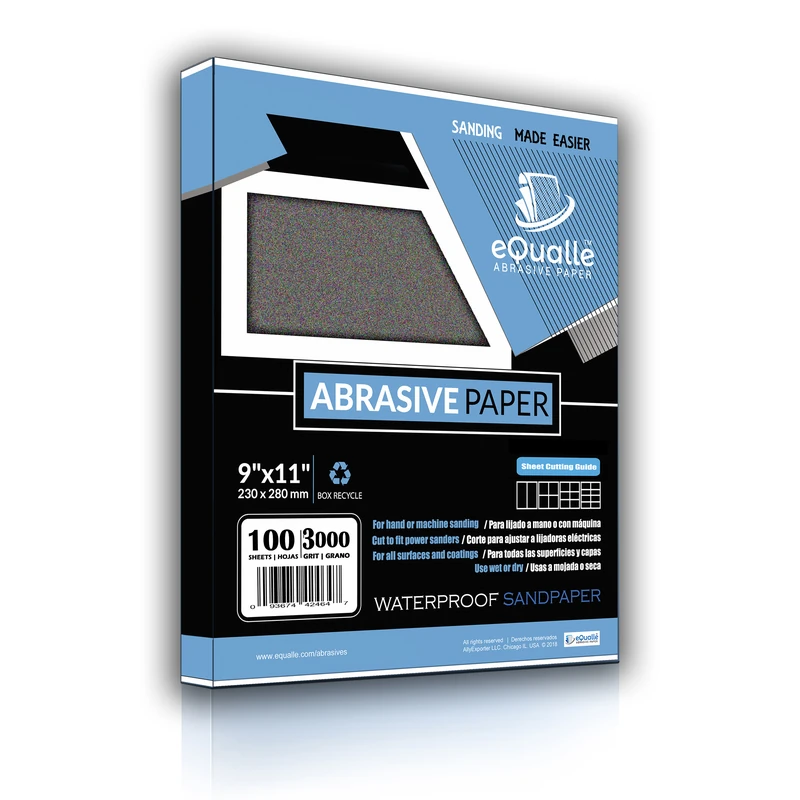
Quick Summary: To achieve a glass-smooth finish on oak, use a disciplined sanding progression, choose a filler compatible with your topcoat, force filler into the pores across the grain, then level, seal, and topcoat without reintroducing pore texture.
Know Your Pores and Your Abrasives
Oak is ring-porous: earlywood rings form large, continuous vessels that swallow finish and filler; latewood bands resist cutting and can burnish if you use dull or overly fine abrasives. Red oak has open vessels without tyloses, making capillary action stronger; white oak’s tyloses reduce wicking but pores remain prominent. Those anatomical realities drive both your abrasive selection and your filler strategy.
Start by stock-flattening with a sharp plane or a sander equipped with a firm pad. If you use a random orbital sander (ROS), a 5-inch or 6-inch unit with a 3/32-inch orbit is a good baseline for control; a 3/16-inch orbit is faster for roughing but risks deeper swirls you’ll chase later. Choose high-cut, open-coat paper (ceramic alumina or premium aluminum oxide; stearated for waterborne prep) to resist loading from oak’s tannins. Run your dust extraction at full CFM with a clean, anti-static hose—oak dust is fine enough to pack pores, and you don’t want to create a barrier that blocks filler.
Stop over-preparing. For oil-based paste fillers or epoxy, stopping sanding at P150–P180 leaves “tooth” for mechanical keying and helps the filler lock in. If you’re planning a waterborne filler or waterborne topcoat, you can sand to P180–P220 after a controlled grain raise with distilled water—mist, wait, then cut the nibs with fresh P220. Always sand with consistent, light pressure; let the abrasive do the work. Heavy hand pressure compresses latewood and polishes earlywood edges, creating differential absorption you’ll see as blotchy fill or uneven sheen.
Between grits, vacuum aggressively and blow out pores with clean, dry air (oil-free). Avoid tack cloths before waterborne finishing; their resin can interfere with wetting and adhesion. Your goal at this stage is a uniformly abraded surface with open, clean pores—no slurry smeared across the grain, no burnished bands, and no compressed peaks.
Selecting Grain Filling Systems for Oak
Choosing the right system for grain filling is about chemistry, working time, color control, and compatibility with your topcoat. There are four common approaches on oak:
Oil-based paste fillers: Traditional and forgiving. They use mineral spirits as a carrier and set slowly, giving you more open time to trowel, cross-grain wipe, and refine color with stainable bases. They sand easily once cured and pair well with solvent-borne varnishes, shellac, and many lacquers. Allow full solvent flash before topcoating to avoid adhesion risks.
Water-based fillers: Low odor and fast-drying—ideal for production or small shops with limited ventilation. They often shrink less and accept tints cleanly, but they can raise grain if you haven’t pre-raised. These pair best with waterborne topcoats and catalyzed finishes; dewaxed shellac bridges well between systems if needed.
Epoxy fills: Two-part epoxy with low viscosity (or warmed slightly) excels on very open red oak, locking pores and providing a dead-flat base with high clarity. It’s excellent under conversion varnish or 2K polyurethane. Use dewaxed shellac as a bond coat if topcoats are sensitive, and be mindful of exotherm and amine blush on humid days.
Shellac/pumice or shellac-only builds: French polishing tactics adapt to oak with patience. Multiple thin coats of dewaxed shellac, rubbed with fine abrasive or pumice, can eventually bridge pores. It’s laborious but yields a classic look. According to a article, even highly porous oak and ash can be filled completely with shellac if you’re willing to build sufficient film.
Color strategy matters. If you’re staining, decide whether to stain before filling (for deeper color in the pores) or to tint your filler to match or slightly darken the pore lines. Pre-sealing with a light 1-pound cut of dewaxed shellac can lock color in the fibers while allowing filler to occupy the voids—especially valuable when you want contrast control on white oak.
Finally, test. Make two coupons from the same board, prepped identically. On one, seal then fill; on the other, fill raw. Topcoat both with your intended system. The coupon that telegraphs least after two coats is your template.
Sanding Workflow to the Seal Coat
Your sanding workflow governs how efficiently filler enters the pores and how flat the final film remains. Treat it as a process window with defined inputs—grit sequence, orbit size, pad density, and cleaning cycles.
Roughing and flatness: Establish flatness at P80 with a ROS on a firm or medium-firm pad, or with a wide-belt at 120 on a platen set light to avoid washing out earlywood. Remove mill marks fully. If you see scallops, they’ll amplify after filling.
Intermediate refinement: Progress to P120, then P150. On oak, each step should remove the previous scratch pattern completely. Use fresh discs; dull papers polish latewood and leave micro-tearing in earlywood. Crosshatch your passes at 10–15 degrees to randomize scratches while maintaining control.
Optional grain raise: If using water-based systems, lightly mist the surface with distilled water and let the fibers swell. Knock back the raised fuzz with P180 or P220 using a very light touch. This pre-empts uneven swelling during filler or finish application.
Dust and pore cleaning: Vacuum thoroughly with a brushless head, then blow out pores from multiple angles with clean compressed air. Inspect under raking light. Any embedded dust becomes a lubricant that prevents deep filler packing.
Sealing before filling is a strategic decision. A thin dewaxed shellac seal (1 lb cut, padded on and scuffed with P320 or a maroon non-woven pad) can stabilize color and reduce filler “staining” of latewood. It also reduces filler absorbency into the fibers, confining it to the pores, which makes wipe-back faster and more consistent. Skip the seal if you want maximum filler bite or plan to sand aggressively after curing. In either case, the “tooth” left at P150–P180 often improves mechanical lock, while going finer risks burnishing, especially with heat from a heavy hand.
Under shop constraints—say, limited dust extraction—switch to mesh abrasives paired with a perforated pad to improve airflow and reduce loading. A clean scratch pattern is your best insurance against telegraphed defects after leveling.
Application: Driving Filler Into Grain
Application is where technique converts preparation into results. The principle is simple: pressure across grain to compact filler into voids, followed by controlled wipe-back that removes excess without scooping pores.
Troweling: Load a flexible plastic squeegee or a purpose-made filler scraper. Work filler across the grain at 45–90 degrees, pushing firmly to compress material into the earlywood vessels. Change directions to catch intersecting grain, especially on panels with cathedral patterns.
Open time and timing: Oil-based paste fillers typically set in 10–20 minutes depending on temperature and solvent flash; water-based set faster. Watch the sheen transition from wet to dull—this is your cue to wipe. If you wipe too early, you’ll pull filler from pores; too late, you’ll fight ridges that require more sanding.
Wipe-back: Use burlap or coarse-weave cotton to cut across the grain, removing surface film while leaving pores packed. Follow with a lighter, with-the-grain pass using a clean, lint-free cloth to align any micro-streaks with the grain.
Edge control: For edges and profiles, switch to a stiff bristle brush or a short section of brayer to press filler into vertical grain. Wipe carefully to maintain crisp profiles.
Cure and evaluate: Allow full cure per manufacturer’s spec. Oil-based fillers may need 24–48 hours to release solvent fully; water-based can be ready in a few hours. Under raking light, inspect. If pores are still visible, repeat a thin second application rather than trying to overfill in one heavy pass.
Actionable tips for consistency:
- Warm thick fillers slightly in a water bath to reduce viscosity; they pack pores better without extra solvent.
- Tint the filler 5–10% darker than the field color for white oak; it preserves pore contrast after topcoat build.
- Mask end grain or seal it first; it can drink filler and leave a muddy edge.
- For red oak, pre-wet with compatible solvent (mineral spirits for oil-based fillers) to slow set and improve packing depth.
- Keep a dedicated “wipe-back” cloth bag; switching cloths as they load prevents smearing and reduces sanding later.
Leveling, Sealing, and Topcoat Strategy
Once filler cures, you’re aiming to level without undercutting. The worst outcome is sanding through to bare pores in high spots, forcing a patchy re-fill.
Leveling pass: Use P320 on a hard, flat block or a ROS with a firm pad. Sand very lightly with the grain. Your goal is to remove only the surface film left above the latewood. If you’re seeing pore “pull-out” (crumbling), curing was incomplete—pause and let it harden or switch to a finer grit and increase patience.
Sealing: Lock the filled surface with a compatible sealer. Dewaxed shellac is an excellent universal barrier—wipe or spray a thin coat, then scuff with P400 or a grey non-woven pad. For waterborne systems, use the manufacturer’s sanding sealer to maintain clarity and adhesion. Avoid heavy coats that can sink into any remaining micro-voids and telegraph later.
Topcoat build: Apply thin, even coats, leveling each with a light scuff (P400–P600) after full dry. Two to three coats of conversion varnish or 2K polyurethane will usually bury the surface; lacquers may require more coats with careful solvent control to minimize shrink-back over weeks. Watch for edge break-through on tabletops—ease edges slightly before finishing to hold film thickness.
Telegraphed pores after build: If pores reappear subtly after a few days, you’re seeing solvent shrinkage or filler shrink. Let the film stabilize, then level-sand and add two more thin coats. Avoid heavy “catch-up” coats; they trap solvent and can haze.
Sheen and clarity: High-gloss magnifies errors; satin is more forgiving. If you’re going gloss, consider a final ultra-thin epoxy skim coat before the sealing step to guarantee dead-flatness, then polish through compound stages once fully cured.
Environmental control matters. Keep temperature stable and humidity modest during curing to prevent differential movement that opens micro-gaps around pores. Good airflow helps solvents flash and reduces blush risks with catalyzed systems.
Master Wood Grain — Video Guide
This concise walkthrough demonstrates a complete pore-filling routine on open-grain hardwood, from sanding prep and cleaning to troweling filler and leveling between coats. It highlights how to manage working time, pressure, and wipe-back so pores stay packed and the surface remains flat.
Video source: Master Wood Grain Filling in 7 Minutes - Perfect Results Every Time!
1000 Grit Sandpaper Sheets (10-pack) — 9x11 in Silicon Carbide Abrasive for Wet or Dry Use — Gentle polishing grit that removes swirl marks and fine scratches on automotive or resin finishes. (Professional Grade).
Frequently Asked Questions (FAQ)
Q: Should I stain before or after grain filling on oak?
A: If you want darker pores and deeper color, stain first, let it cure fully, then fill. If you want to preserve a lighter field with controlled pore color, seal lightly with dewaxed shellac, fill with a tinted filler, then proceed to topcoat. Always test both approaches on a scrap from the same board.
Q: What sanding grit should I stop at before applying filler?
A: For oil-based paste fillers or epoxy, stop at P150–P180 to maintain tooth and avoid burnishing. For water-based filler or waterborne topcoats, a controlled grain raise followed by P180–P220 is appropriate. Over-sanding to very fine grits can reduce pore acceptance and cause uneven fill.
Q: Can I use epoxy as a pore filler under polyurethane?
A: Yes. Use a low-viscosity, non-blushing epoxy, applied thin and squeegeed across the grain. After full cure, scuff with P320–P400, seal with dewaxed shellac if needed, and apply your polyurethane. Mind amine blush in humid conditions; wash or abrade it off before sealing.
Q: Why do pores reappear after my first topcoat?
A: Solvent shrinkage and filler consolidation can telegraph the pore pattern. Let the coat cure fully, level-sand lightly, and apply additional thin coats. Ensuring complete filler cure before sealing and avoiding heavy, solvent-rich coats reduces this effect.
Q: How do I avoid muddying the color on white oak?
A: Pre-seal with a thin, dewaxed shellac to protect the fibers, then use a slightly darker tinted filler for the pores. Wipe back across the grain with burlap, switch to clean cloths frequently, and avoid overworking the surface while the filler is soft. This preserves crisp contrast and clarity.