
Dustless drywall sanding with a shop vac setup
I’ve walked into more living rooms covered in drywall dust than I care to admit. It’s in the couch seams, the AC returns, your morning coffee—everywhere. You think you’ll “just scuff the patches,” then the sun hits the air like a stage light and there it is: a snow globe from floor to ceiling. I’ve been there—rushed deadlines, fresh paint booked for tomorrow, and a client who can’t breathe if dust drifts beyond the plastic. That’s why I preach dust control like it’s a religion, especially when we’re sanding drywall. With a proper setup for dustless drywall sanding using a shop vac, you don’t just keep the room livable—you work faster, see your surface better, and stop clogging your lungs and your vacuum.
Picture this: the TV and bookcases are masked, return vents sealed, and you’ve got a clean path from entry to work zone. A hose leads from a cyclone bucket to a shop vac tucked at the doorway. Your sander hums, and as you feather a seam, almost nothing escapes. No haze in the sunlight, no gritty crunch under your boots. When you’re set up right, that’s the normal. The first time I dialed it in, I finished a three-room patch job without a single sneeze or filter burnout. I even primed that afternoon, because the surfaces were cleaner and the inspection light told the truth instead of bouncing off floating dust.
You don’t need a $1,200 extractor to paint like a pro. A solid shop vac, a separator, the right hose and abrasive, and some simple tricks will get you 90% of the way to a top-tier dustless system. The rest is your hands—how you stage, how you manage airflow, and how soft you ride the pole on the wall. Let me show you the system I use on real job sites, with gear many of you already own.
Quick Summary: Pair a HEPA-ready shop vac with a cyclone separator, anti-static hose, and a screened pole sander, then control airflow, grit, and technique for clean, efficient drywall sanding.
Plan the room and your workflow
If your room prep is sloppy, your “dustless” results will be too. I stage the space so dust is captured at the source and nothing else encourages drift.
- Seal returns and supplies. Use painter’s tape and film to cover HVAC grilles. If you can, shut the system off while sanding.
- Create a clean corridor. Drop cloths or Ram Board from the entry to the work area keep shoes from tracking dust. Keep the vac near the door so its exhaust is away from the work face.
- Mask smart, not heavy. Don’t tent the whole room unless you’re doing ceilings. Instead, protect soft goods (couches, rugs) and electronics—drywall dust loves to settle in vents and fans.
- Lighting matters. Place a raking work light (head height, off-axis) so you can read the surface. Dust in the air and on the wall both look like haze; with proper lighting you’ll catch ridges and avoid over-sanding.
- Stage and cable-manage. Hang your hose off ladders or hooks so it doesn’t drag and smear compound on corners. Keep cords on one side, hose on the other, so you aren’t fighting them with every stroke.
Your workflow should move clean to dirty and high to low. I like to tackle ceilings first, then top seams, then butt joints, then corners, ending near the doorway. That sequence keeps you from knocking dust onto finished areas. The shop vac stays just outside the main work zone; longer hose beats moving the vac every five minutes. If you’re sanding multiple rooms, label hoses and wands so you rebuild the same path every time—consistency is half the battle.
Build a dustless drywall sanding system
You can assemble a pro-level dustless drywall sanding setup with a shop vac and a few upgrades. Here’s the exact recipe I trust.
- Vacuum: 12–16 gallon shop vac with a sealed canister and a true HEPA cartridge. A fleece or HEPA-rated bag inside the can helps pre-filter fine dust.
- Separator: A cyclone separator (e.g., a bucket-mounted cyclone) between the sander and the vac. It captures 90–95% of drywall powder before it reaches your filter, keeping suction steady.
- Hose: Anti-static 1.25–1.5 inch hose to the tool for agility, then 2–2.5 inch hose from separator to vac for airflow. Long runs reduce CFM, so keep the total under 25–30 feet when you can.
- Attachments: A pole sander with perforated sanding screens or mesh discs designed for dust extraction. A vacuum-attach drywall hand sander or a low-profile hook-and-loop head with a universal vac port both work well.
Set it up right:
- Connect the sander hose to the separator’s inlet, then run a larger hose from the separator’s outlet to the shop vac. Keep the separator upright and close to the work area; the vac can live farther back.
- Install a fresh fleece bag and HEPA filter in the vac. Drywall dust is microscopic—bags protect your filter and your lungs.
- Add a bleed valve or Y-branch near the sander handle. This lets you crack in air to prevent the pad from sticking and to balance suction across different compounds and grits.
- Test your airflow. A typical pole sander runs best around 90–140 CFM. If your vac bogs, shorten the hose, clean the filter, or step up to a larger diameter hose from separator to vac.
A quick word on sanders: Mesh sanding screens (120–220 grit) on a vented head excel for flats and broad seams, while foam-backed sanding pads are good on curves and bullnose corners. Avoid solid paper without holes; you’ll trap dust at the face and lose the “dustless” effect.
Dial in suction, airflow, and grit
Dust control isn’t just about hardware—it’s a tuning exercise. Too much suction and your pad will chatter or gouge. Too little and you’ll fog the room. Here’s how I dial it in.
- Start with the vac at 70–80% power. Crack your bleed valve until the pad glides without pulling to the wall. You want a soft “sweep,” not a vacuum seal.
- Test on scrap or a hidden corner. Make three passes at 120 grit on a cured seam. If you see swirl marks, lighten your pressure and open the bleed more. If dust escapes at the edges, close the bleed slightly or step up your mesh openness.
- Use the right progression. For taped seams and topping compound, I’ll start at 120 or 150, then finish at 180–220. Butt joints often need a wider feather at 150 before you refine. Corners are delicate—180 and a light touch wins.
- Let mud cure fully. Sanding semi-wet compound creates pills that clog mesh and overwhelm your separator. Overnight dry (or as labeled) is not optional.
Pay attention to static and humidity. In dry conditions, fine dust can cling to the hose interior; an anti-static hose and a grounded separator help prevent micro clogs that slowly rob CFM. If you feel the pad “breathing” (lifting and grabbing) as you move, you’re under-vented; open the bleed or increase vac power a click. And keep an ear on the vac—when the pitch drops, your filter or bag is loading up.
According to a article, adding a cyclone separator ahead of a shop vac dramatically reduces filter clogging during drywall sanding, which is exactly what preserves steady suction for smoother results.
Three field-tested tuning tips:
- If the pad sticks on fresh primer touch-ups, switch to a slightly coarser mesh and more airflow; finer grits can create suction.
- For ceilings, reduce suction more than you think and rely on mesh cut; otherwise you’ll fight the pad overhead and leave track marks.
- When sanding lightweight compound, open the bleed further—these plasters powder faster and can overwhelm a tight system.
Safe power, hoses, and mobility
Smooth sanding is about movement as much as it’s about dust capture. If your hose snags or your cords tangle, you’ll push too hard and mar the surface.
- Power management: Use a 12–14 gauge extension cord and keep cord length sane (under 50 feet). A shop vac with a soft-start or tool-activation module is nice; if not, an inline remote switch or footswitch saves steps.
- GFCI and hearing: Drywall jobs can run hours—plug through a GFCI where possible. Wear hearing protection; even a quiet vac adds up over a day.
- Hose handling: Run the hose overhead on hooks or along a telescopic pole. A bungee at your belt taking just a bit of weight off the front end dramatically improves control on ceilings.
- Anti-static discipline: Fine dust plus dry air equals static pops. Anti-static hoses reduce shocks and help dust flow. If you feel frequent zaps, lightly dampen the room air (not the wall) or ground the separator to the vac frame with a short wire.
- Mobility: Park the vac outside the immediate work zone, but not across a doorway where someone can trip and yank the hose. I often put the vac on a rolling plywood dolly with rubber casters; it glides over drop cloths and keeps the exhaust low.
As you move, think “feather, don’t flatten.” Long, overlapping strokes with minimal pressure prevent burning through high spots. For butt joints, widen your strokes to 12–18 inches to disappear the hump—your dustless setup keeps the view clear so you can see the fade. If you skid across screw heads and tear the paper, stop and reset the fastener instead of digging. Clean technique plus cable management is what makes the dustless system shine: you’re not fighting gear, you’re reading the wall.
Pro sanding techniques that stay clean
Now the hands-on part. With dust handled, you can sand precisely and avoid rework. Here’s how I coach new crew members—and still remind myself on long days.
- Seams: Work the long seams with 150-grit mesh first. Apply just enough pressure to kiss down ridges. Keep the pad flat and move 8–12 inches past the edge of the mud to feather into paper. Switch to 180 or 220 to polish the transition.
- Butt joints: Use a wider sweep and stay off the center crown in early passes. Your goal is to feather the shoulders, not flatten the middle. Raking light should show a soft “hill,” not a flat.
- Corners: Hand sander with a corner-specific pad or fold a mesh sheet over a foam block. Always pull out of the corner, never push in—you’ll gouge and chip the tape. Light passes at 180 are safer than one heavy pass at 120.
- Patches: Circle scribe the perimeter lightly, then focus on proud edges. If the mesh clogs quickly, your compound isn’t cured; walk away for an hour.
- Ceilings: Decrease suction and increase glide. Keep the pole longer than you think, and let the head float. Work perpendicular to joint direction to avoid grooves.
Use inspections between grits:
- Wipe-down: Vacuum the wall with a brush attachment or use a clean microfiber to knock off fines. Don’t wet-wipe before priming—it can raise paper fibers.
- Light check: Move your light 45 degrees to the joint, not straight on. Look for rings or cat-scratches; those are pressure errors. Adjust your stance and bleed valve accordingly.
- Prime and re-check: One coat of primer will reveal halos and pinholes. Sand those with 220 and minimal suction; you’re just kissing, not cutting.
Three pro tips to stay truly dustless:
- Keep a second short hose and brush nozzle at hand. Give the pad face a quick vacuum every few minutes; a clean mesh cuts faster and bleeds less dust.
- Bag discipline: When the separator bucket hits one-third full, empty it. Overfilled cyclones spit fines downstream.
- Floor and trim: Vacuum as you go. A minute spent keeping the baseboard clean saves an hour of post-sanding cleanup and keeps your painter happy.
Cleanup, maintenance, and filter care
A dustless drywall sanding setup stays dustless only if you maintain it. Build five minutes of care into your wrap-up, and your vac will pull strong all week.
- Empty the separator first. Gently tap the cyclone lid to drop clinging fines before opening. Pour into a contractor bag slowly to avoid a puff. Twist-tie, then bag again if you’re carrying through finished spaces.
- Swap or shake bags. If your shop vac uses a fleece bag, replace it when it’s half to two-thirds full—airflow, not thrift, is your priority. If you’re running bagless (not ideal), expect to clean the filter more often.
- Filter resets: Remove the HEPA cartridge and tap it gently against a rubber mat. Do not blast with compressed air—this can damage the media and launch dust into your lungs. If washable, rinse outdoors and dry completely before reinstallation.
- Hose check: Run your hand along the hose; soft spots or kinks reduce airflow. A quick brush clean of the hose interior with the vac running dislodges fines that line the ribs.
- Gasket and lid seals: Fine dust works into seals over time. Wipe them clean and inspect for nicks. An air leak here trashes CFM more than you think.
Store smart: Coil hoses loosely, park the vac with the exhaust facing a wall (so accidental bumps don’t blast dust), and keep your mesh sheets in a zip bag to avoid contamination that scratches walls. Next job, you’ll be set to roll with full suction and zero surprises.
Vacpole - Dustless — Video Guide
There’s a helpful video that walks through a pole sander designed for vacuum attachment, from unboxing to first use, and gives a candid review of how well the dust collection performs on real drywall. It’s not a lab test—more of a hands-on demonstration—so you see what the tool does when connected to a typical shop vac and how the head, mesh, and hose behave on seams and patches.
Video source: Vacpole - Dustless Drywall Sanding - Unboxing and Review
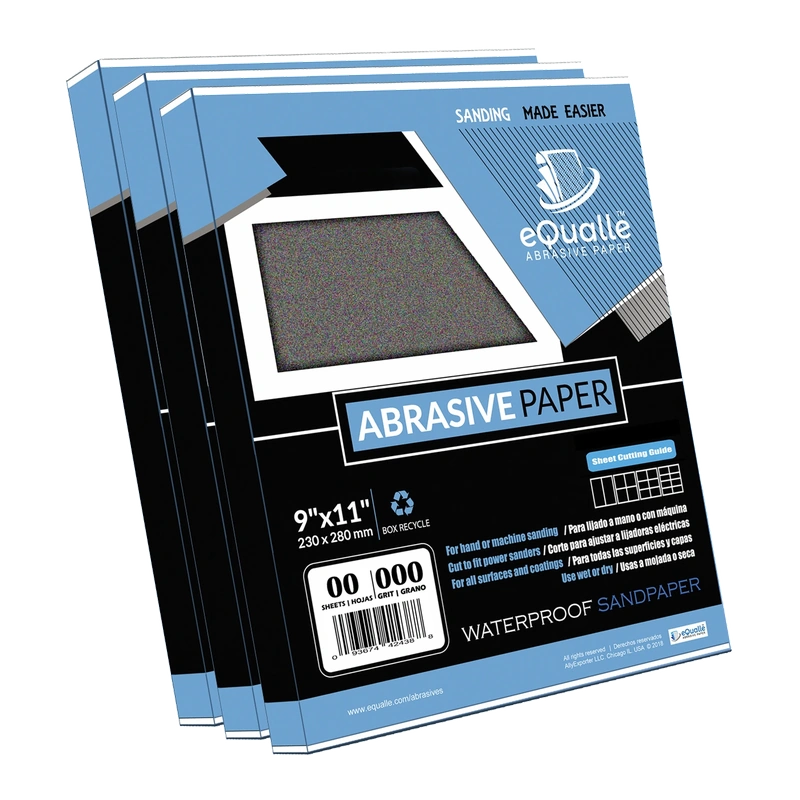
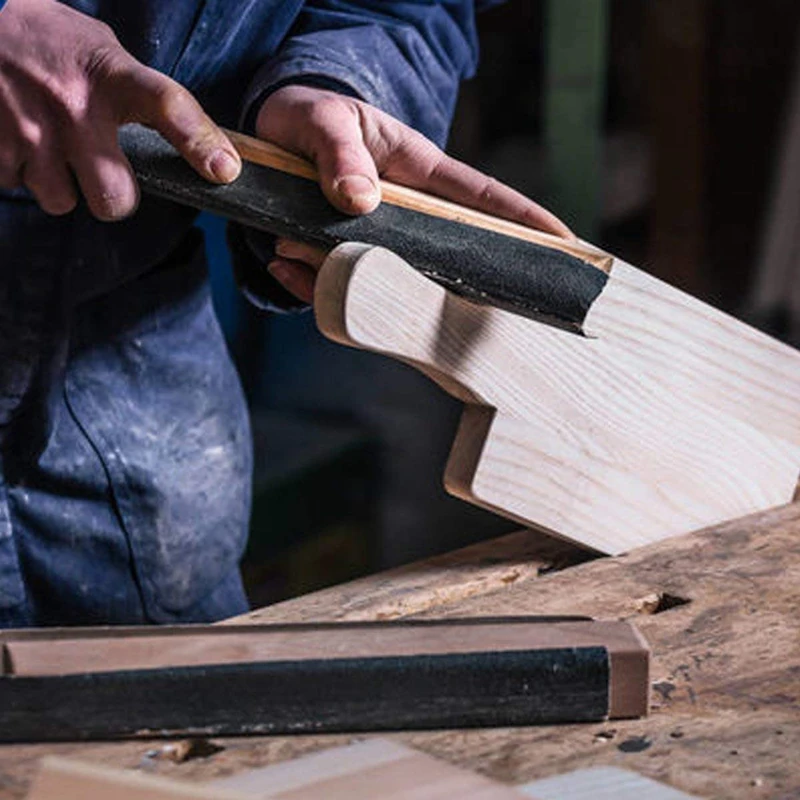
120 Grit Sandpaper Sheets (10-pack) — 9x11 in Silicon Carbide Abrasive for Wet or Dry Use — High-cut abrasive for refining rough wood grain, removing scratches, and preparing bare surfaces for priming or staining. (Professional Grade).
Frequently Asked Questions (FAQ)
Q: Do I really need both a bag and a HEPA filter in the shop vac?
A: Yes. The bag acts as a pre-filter that captures most fines, protecting the HEPA filter from clogging. The HEPA cartridge then traps the ultra-fine particles drywall dust is famous for. Together they maintain steady suction and cleaner exhaust.
Q: What CFM should my shop vac deliver for drywall sanding?
A: Aim for 90–140 CFM at the tool after hose losses. Most 12–16 gallon shop vacs can hit this when paired with a cyclone separator, short runs of large-diameter hose to the vac, and a clean bag and filter.
Q: Are mesh screens better than paper for dustless drywall sanding?
A: For dust extraction, mesh screens win. They allow airflow through the abrasive, which carries dust into the hose instead of shoving it around the head. Paper works, but it clogs faster and undermines the dustless effect unless it’s heavily perforated.
Q: How do I prevent swirl marks with a vacuum pole sander?
A: Reduce suction with a bleed valve, keep the pad flat, and lighten your pressure. Move the light to rake across the surface and step through grits (150 then 180/220). If swirls persist, you’re pressing too hard or your mesh is worn.
Q: Can I wet-sand instead of using a dustless setup?
A: Wet-sanding sponges control dust on tiny patches, but they soften paper and can wash out edges if overdone. For rooms or multiple seams, a dustless sanding system is faster, cleaner, and more consistent.