
Tripoli vs White Rouge: Metal Polishing Guide
Saturday light pours across your workbench. The brass cabinet pulls you removed last night look dull, like they’ve filed away years of handprints and turned them matte. Nearby, the stainless kettle you use every morning is fine but not pristine—tiny swirls catch the sun. You set out the tools you have: a bench grinder with buffing wheels, two mystery compound bars—one brown, one white—and a quiet hope that today’s the day your pieces go from “cleaned up” to truly gleaming. If you’ve ever stood in this exact moment, ready to begin but unsure which bar to reach for, you’re not alone. Metal polishing is both craft and sequence, and the right choice at the right time matters.
The brown bar—Tripoli—has the grit to cut through oxidation and shallow scratches. The white bar—white rouge, sometimes called white diamond—brings clarity to the finish, especially on harder metals. Each does a different job, and using them in the right order turns effort into elegance. Get it wrong and you can work twice as hard for half the shine.
Maybe you’re preparing an heirloom brass lamp for the living room, or finishing stainless hardware for a kitchen project. Perhaps it’s aluminum trim for a car restoration or a copper pan that deserves better. Wherever you’re headed, the decision between Tripoli and white rouge will shape your process and your results. This guide shows you how to choose wisely for each metal, dial in your wheels and speeds, and build a repeatable workflow that saves time without sacrificing finish. No mystique—just clean, practical steps and the why behind them.
Quick Summary: Use Tripoli as your primary cut on softer metals (aluminum, brass, copper) and as a pre-polish on many steels; switch to white rouge to refine and brighten the surface, especially on harder metals and for the final “color” stage.
Tripoli and White Rouge, Simply Explained
Tripoli and white rouge are not interchangeable—they’re partners with distinct roles.
Tripoli (the brown bar) is a cutting compound. Think of it as a controlled micro-abrasive that removes oxidation, blends shallow scratches, and levels a surface. It’s relatively aggressive but still gentle enough for soft metals. On softer alloys like aluminum and brass, Tripoli is often the first and most important step: it cleans up the surface so a finer compound can unlock the gloss.
White rouge (the white bar) is a fine finishing, or “coloring,” compound. It’s designed to refine the surface left by your cut, bringing out brightness and clarity. It excels on harder metals—stainless steel, tool steels, nickel—and as a final step on many softer metals after a proper Tripoli cut. If you jump to white rouge too early, it will mainly polish defects instead of removing them, which leaves a shiny but wavy or hazy finish.
A useful way to remember it:
- Tripoli = shape and smooth (primary cut).
- White rouge = refine and reveal (final color).
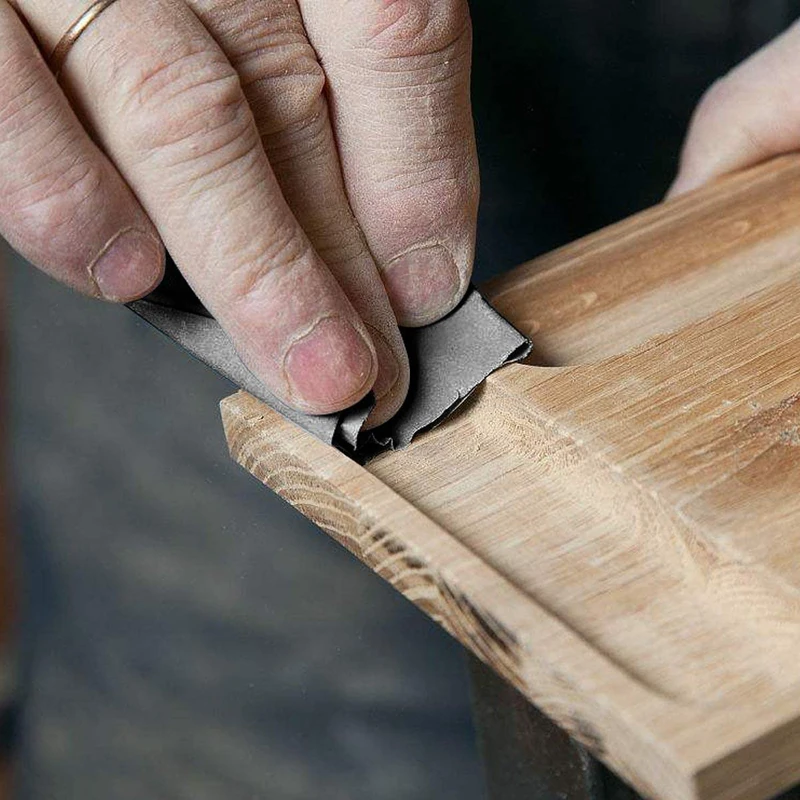
Neither compound is a magic fix for deep gouges. If you can feel a scratch with a fingernail, you’ll likely need to start with abrasive paper (for example, 600–1200 grit wet/dry) before moving to Tripoli. Also, compounds depend on the wheel you pair them with. A stiff, cutting-friendly wheel makes Tripoli work efficiently; a soft, pliable wheel lets white rouge “float” to a high luster.
A polished result comes as much from discipline as from products: clean surfaces, dedicated wheels (one wheel per compound), light-to-moderate pressure, and frequent wheel dressing. With those habits in place, Tripoli and white rouge become straightforward tools rather than guesswork.
Match the Compound to Your Metal
Your metal choice determines both your starting point and how far each compound can take you. Using the wrong bar for the alloy wastes time and can blur edges or leave haze.
Aluminum (soft): Start with Tripoli on a sisal or firm spiral-sewn cotton wheel to remove oxidation and casting marks. Move to white rouge on a loose-section or very lightly sewn cotton wheel to bring up gloss. If haze persists, revisit your Tripoli pass with a fresher wheel face and lighter pressure, then try white rouge again. Aluminum moves quickly—too much pressure dulls rather than shines.
Brass and Copper (soft): Tripoli shines here as the primary cut. It removes tarnish and blends minor scratches without digging in. Follow with white rouge to color, using gentle pressure. If your brass is lacquered, strip the coating first; compounds cannot cut through intact lacquer. Copper tends to smear under heat—keep surfaces cool and wipe frequently.
Stainless Steel (hard): Many stainless pieces benefit from a pre-polish cut (Tripoli on a firm spiral-sewn cotton wheel) to flatten micro-scratches. Then move to white rouge on a loose-section or soft spiral-sewn wheel to achieve brightness. On very hard or work-hardened stainless, consider a heavier cut first (emery or a coarser cutting bar) before Tripoli, then finish with white rouge.
Nickel/Chrome-Plated Parts (thin, delicate): Avoid aggressive cutting. If the plating is intact, skip Tripoli and go straight to white rouge on a soft, loose wheel with light pressure. The goal is to refresh, not remove. If you see dark “breakthrough” spots, stop—plating is thin, and pushing further risks exposing base metal.
Tool Steel and Carbon Steel (hard): After sanding to remove visible defects, a quick Tripoli cut can help level the finish, but the real clarity arrives with white rouge. Heat control is vital to avoid temper color changes on heat-treated parts.
The metal’s hardness guides your approach: softer metals need Tripoli to establish the geometry; harder metals need white rouge to lift clarity after a controlled pre-cut. Always test in a discreet corner to confirm your sequence before polishing the entire piece.
Metal polishing workflow that saves time
If you want consistent, professional results, build a simple workflow you can repeat across projects. Here’s a clean sequence that works for most aluminum, brass, copper, and stainless pieces.
Prep and inspect. Degrease the part, remove stickers or lacquer, and quickly hand-sand deep defects so Tripoli isn’t fighting gouges. Mark high-scratch zones with a pencil so you know where to focus.
Cut with Tripoli. Load a sisal or firm spiral-sewn wheel lightly. Work in controlled passes with overlapping strokes, keeping the work moving to avoid heat. Wipe the surface periodically to check progress; stop the instant the surface looks uniformly leveled.
Clean between stages. Use a clean microfiber and mineral spirits or a dedicated compound remover to lift Tripoli residue. Change to a new wheel for white rouge. Never cross-contaminate wheels—one wheel per compound.
Color with white rouge. Use a loose or lightly sewn cotton wheel and lighter pressure. Focus on bringing clarity rather than reshaping. If you still see directional lines, you likely need another brief Tripoli pass before returning to white rouge.
Final clean and protect. Degrease, then apply a sealant or wax appropriate for the metal to slow tarnish and fingerprints.
According to a article, Tripoli is particularly effective for the primary cut on soft metals, setting the stage for a brighter final polish. In practice, this means you should resist the urge to jump directly to white rouge—let Tripoli do the heavy lifting first, then let white rouge reveal the gloss you prepared.
Actionable tips:
- Rake your wheel often. A clean face holds compound evenly and cuts faster with less heat.
- Use the “two stripes” rule. Touch the bar to the spinning wheel for 1–2 seconds, then polish—overloading causes streaks.
- Cross your passes. Cut left-to-right with Tripoli, then up-and-down with white rouge. The cross-hatch reveals missed scratches.
- Control heat. If the part is too hot to hold, you’re deforming soft metals and risking haze. Pause and cool.
- Label wheels by compound. A permanent marker on the hub prevents accidental cross-use.
Tools, wheels, and speeds that matter
Compounds are only as effective as the wheels and speeds you pair them with. A few small decisions make outsized differences in finish, safety, and speed.
Wheel selection:
- Sisal or treated sisal: Aggressive, stiff fibers for primary cutting on aluminum and brass. Great with Tripoli, not for finishing.
- Spiral-sewn cotton: Firm but more forgiving; a common choice for Tripoli on aluminum and pre-polish passes on steel.
- Loose-section cotton (multiple unsewn plys): Soft and conforming; ideal with white rouge to color and brighten without digging edges.
- Felt bobs and wheels: Controlled contact for small areas; can load quickly—dress often and use minimal compound.
Wheel width and diameter:
- Wider wheels present a larger “contact patch,” making it easier to hold flat surfaces steady.
- Larger diameters increase surface speed at the same RPM. If you switch from a 6" to an 8" wheel at the same speed, expect a more aggressive cut and more heat.
Speeds and pressure:
- Many bench grinders run 3,450 RPM; with a 6" wheel, that’s roughly 5,400 surface feet per minute (SFPM). It’s workable for cutting but can be hot for coloring. If your machine allows, reduce speed for white rouge or switch to a smaller wheel.
- Pressure should be firm enough to engage the wheel’s face, not crush it. Let the abrasive do the work—if you have to push hard, you likely need a coarser step or a freshly dressed wheel.
Loading compound:
- Think “light and often.” A quick charge every few passes beats a heavy, gummy load that streaks and burns.
- If the wheel smears black residue, rake it clean, lightly reload, and resume with less pressure.
Safety and control:
- Wear eye protection, a dust mask or respirator, and snug gloves. Compounds and metal fines become airborne.
- Present the work below the wheel’s centerline so it’s pushed into your rest, not thrown upward.
- Secure small parts with a fixture or pliers designed for polishing to keep fingers clear.
A thoughtful pairing—Tripoli on a controlled cutting wheel, white rouge on a soft coloring wheel—will elevate your finish and shorten your time at the machine.
Troubleshooting shine killers
Even a solid process produces hiccups. Here are the most common issues and how to correct them without starting over.
Persistent haze on aluminum:
- Likely cause: Heat or overloaded wheel. Aluminum is soft and smears when hot.
- Fix: Rake the wheel, reduce pressure, and use shorter, overlapping passes. Re-cut briefly with Tripoli to re-flatten, then recolor with white rouge at a cooler temperature.
Swirls that won’t disappear on stainless:
- Likely cause: Skipping a grit or moving to white rouge before the surface is truly leveled.
- Fix: Step back to Tripoli on a firm spiral-sewn wheel, cross your passes, and check under raking light. Once the surface is uniform, return to white rouge.
Black streaks and greasy residues:
- Likely cause: Excess compound, contaminated wheel, or insufficient cleaning between stages.
- Fix: Degrease the part thoroughly, rake the wheel, apply a minimal recharge, and try again with lighter pressure.
Rounding edges and lost detail:
- Likely cause: Using a soft wheel too early or pressing too hard during cutting.
- Fix: For cutting, return to a firmer wheel (sisal or spiral-sewn) with Tripoli and lighten touch near edges. Reserve loose-section wheels for coloring only.
Micro-pits that catch the light:
- Likely cause: Casting porosity or embedded debris.
- Fix: Wet-sand locally with a fine grit to level the surface, then re-cut with Tripoli and finish with white rouge. Keep wheels clean to avoid re-embedding particles.
Plate breakthrough on chrome/nickel:
- Warning sign: Dark spots that do not polish out.
- Fix: Stop. Once plating is breached, polishing only enlarges the defect. Consider re-plating or accept the patina.
If problems repeat, change one variable at a time: wheel type, pressure, speed, or compound load. Small adjustments are easier to track and teach you what your particular setup prefers.
Polishing Aluminium and — Video Guide
For a concise visual overview, watch a demonstration of polishing aluminum and various steels using a bench grinder outfitted with a dedicated metal polishing kit. The presenter walks through bar selection, wheel pairing, and the sequence from cutting to coloring, showing how the right combination changes cut rate and final shine.
Video source: Polishing Aluminium and Steels with a Bench Grinder Metal Polishing Kit.
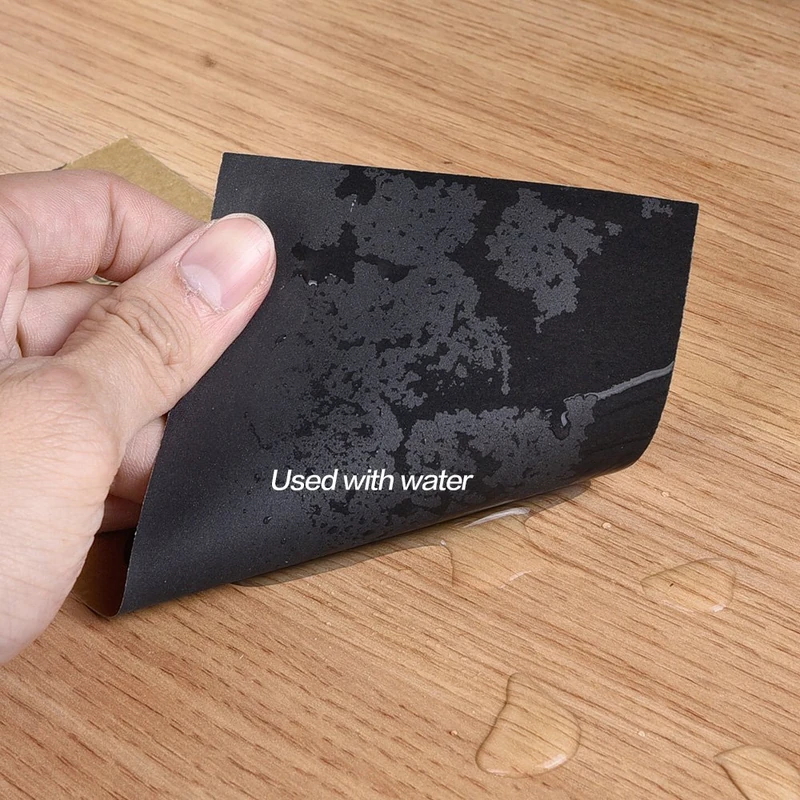
1500 Grit Sandpaper Sheets (100-pack) — 9x11 in Silicon Carbide Abrasive for Wet or Dry Use — Professional ultra-fine grit for satin or semi-gloss finishing. Removes micro-scratches from clear coats and paint touch-ups. Produces flawless textures and consistent results before final polishing. (Professional Grade).
Frequently Asked Questions (FAQ)
Q: Can Tripoli polish stainless steel to a mirror on its own?
A: Not typically. Tripoli flattens the surface and removes fine scratches, but stainless usually needs a final pass with white rouge to achieve high clarity. On very hard stainless, an even coarser pre-cut may be useful before Tripoli.
Q: Is white rouge good for aluminum, or will it haze?
A: White rouge can produce a bright finish on aluminum if the Tripoli stage fully leveled the surface and you control heat. Haze usually means you need a cleaner wheel face, lighter pressure, or a brief return to Tripoli before recoloring.
Q: Which wheels should I pair with each compound?
A: Use sisal or firm spiral-sewn cotton with Tripoli for the cut. Reserve a loose-section or lightly sewn cotton wheel for white rouge to color. Keep each compound on its dedicated wheel to prevent contamination.
Q: How do I prevent cross-contamination between compounds?
A: Dedicate and label wheels for each compound, store them separately, clean the part thoroughly between stages, and rake the wheel before recharging. Even small carryover can mute your final luster.
Q: What’s the safest approach for plated parts?
A: If plating is intact, skip aggressive cutting. Use white rouge only, on a soft wheel, with light pressure. If you notice dark spots or thinning, stop to avoid breaking through the plating.