
Why a UV clear coat is essential after restoration
You know that moment when the shop door rolls up, the morning light hits your freshly restored project, and you catch the reflection—crisp, glassy, and clean? Whether it’s a set of previously cloudy headlights, an oxidized hood you’ve cut and polished, or a faded motorcycle fairing you’ve brought back to life, it feels like breathing new air. I’ve been there on a Saturday morning, rag in one hand, inspection light in the other, admiring that deep clarity. It’s the quiet pride of a job well done. But here’s the tough-love truth: without a UV clear coat to seal that clarity, the sun will start undoing your work the second you roll outside.
I’ve watched restorations regress. A client brings back a vehicle three months after a “quick fix” they did at home—lenses hazing again, edges yellowing. The mechanical part of restoration—sanding, compounding, polishing—gets the glory. Yet those steps only erase damage; they don’t stop new damage from forming. UV is relentless. It breaks down plasticizers in polycarbonate lenses, pushes paint resins to chalk, and makes any bare surface brittle. The restoration stage removes the oxidized, UV-compromised layer. But unless you replace that lost defense with a UV clear coat, you’ve left the surface exposed and unarmored.
Think of UV protection like a proper finish on a tabletop: sanding and staining bring out beauty, but the topcoat carries the load, day after day. In the shop, I don’t send headlights, trim, or revived paint out the door without a UV clear coat. It’s not an upsell; it’s an insurance policy for your time and results. The sun doesn’t negotiate. We plan around it, block it, and beat it with a durable protective system—prepped right, applied right, and maintained right.
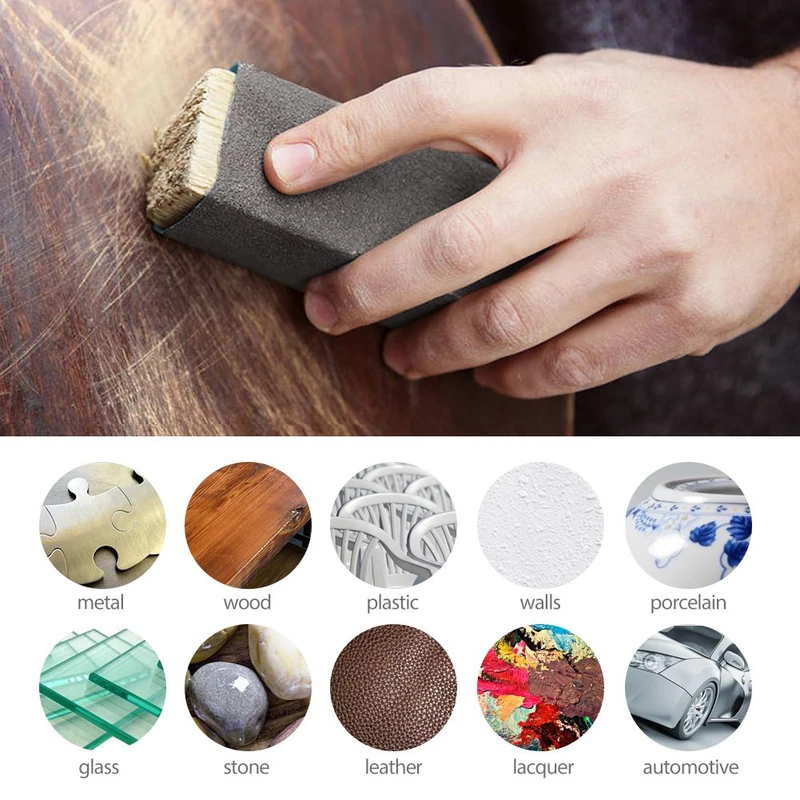
Quick Summary: A UV clear coat is required after restoration because sanding and polishing remove the old UV-damaged layer; the clear coat replaces that lost protection and locks in clarity.
What restoration removes—and why it matters
Restoration is subtraction. When you sand or compound a cloudy headlight or chalky clear coat, you’re removing degraded material—oxidized plastic on lenses, dead resin and contaminants on paint. That’s exactly what you should do, but it has a consequence: by leveling away the compromised top layer, you’re also taking off what little UV resistance remained. Polishing can make a surface look flawless, but polishing doesn’t add protection. It only refines the surface.
Here’s where many good projects go sideways. A freshly sanded and polished headlight is essentially bare polycarbonate—porous and hungry. Washes, road film, and the big one, ultraviolet radiation, immediately start attacking. UV photodegrades plastic by breaking molecular bonds, leading to haze and brittleness. On paint, UV breaks down the clear coat resin, leaving that chalky, dull look you fought to remove. If you’ve ever noticed a pristine finish losing clarity in weeks, not years, that’s the unprotected reality after restoration.
Professional shops account for this by pairing correction with protection. They treat the finish as a system: remove damage, refine, then replace the armor. Skipping the armor invites rapid relapse. I’ve seen DIYers repeat sand-and-polish cycles every season. It’s not that their technique was bad; it’s that their finish was defenseless.
So when you restore, plan for the whole arc. If it’s a headlight: sand through the grits, clarify by polish if needed, degrease properly, then apply a UV-stable topcoat. If it’s vehicle paint: cut and finish polish to the level you want, then seal with a durable protection strategy—either a catalyzed clear coat repair, a UV clear coat product, or, at minimum, a high-quality sealant while you schedule a more permanent solution. Restoration reveals; a protective coat preserves.
How a UV clear coat shields your work
A UV clear coat is more than a glossy finish—it’s engineered sunscreen for your surface. It contains UV absorbers and stabilizers that intercept and dissipate ultraviolet energy before it can attack the substrate. On polycarbonate headlights, that means the plastic underneath stays flexible and clear. On automotive paint, it prevents the resin matrix from chalking and keeps that wet look you just polished in.
What makes UV clear coats uniquely suited to post-restoration protection is their chemistry. Many are solvent-borne or 2K (two-component) catalyzed systems that cure into a tough, crosslinked layer. Even single-component wipe-on options for headlights can deliver substantial UV blocking if applied correctly and allowed to cure fully. The key isn’t just “having a clear”; it’s using one designed to filter UV effectively and bond to a freshly restored surface that’s properly prepped and degreased.
Here’s what this looks like in practice:
- Clarity locking: The clear fills microscopic sanding valleys, increasing optical uniformity. The surface scatters less light, so it appears clearer and deeper.
- UV defense: Additives absorb UV and convert it to low-energy heat, sparing the substrate. This dramatically slows yellowing and haze cycles.
- Chemical shield: Road salts, acidic rain, and wash soaps meet the clear coat first, not the restored layer you just exposed.
- Serviceability: If damage occurs later, you’re refinishing the clear, not re-sanding the base substrate to death.
According to a article, the dedicated UV block step isn’t optional—it’s the anchor that makes a headlight restoration last. In my shop notes, projects with a proper UV clear coat outlast uncoated restorations by multiples—think years versus months—especially on vehicles parked outdoors. If you value your time, the math is simple: you apply the coat once, you admire the results for far longer.
Sanding prep that ensures adhesion
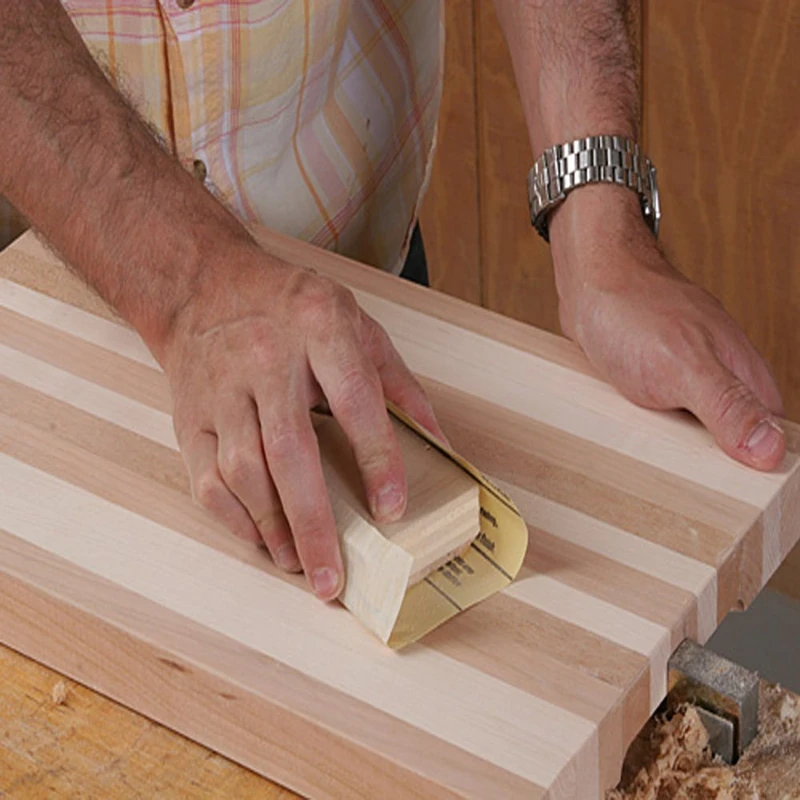
If there’s a single factor that separates a UV clear coat that peels from one that lasts, it’s surface preparation. Adhesion happens on two levels: mechanical bite (micro-scratches the clear can grip) and chemical cleanliness (a surface free of oils, residues, and silicone). Get both right, and your coating has a fighting chance for years.
Target an even, controlled scratch pattern. For headlights, I typically step through 400, 600, 800, 1000, 1500, and 2000 grit. On softer plastics, you can start finer (600–800) to avoid deep gouges. For paint spot repairs where you’ll apply a clear blend, finish your prep sanding around 800–1000 grit wet in the repair zone to give the clear a solid tooth, then refine to 1500–2000 just beyond the blend edge to assist in melt-in and later polishing. Uniformity is everything: random deep scratches trap solvents and telegraph through the clear as streaks.
Degreasing is the next non-negotiable. After your final sand, rinse thoroughly, dry with clean microfiber, then wipe with 91%+ isopropyl alcohol or a panel wipe. Change towels often. Any leftover compound, wax, or skin oil can crater your clear or cause adhesion failure. If you’ve used silicone-heavy dressings near the job, wash with a strong degreasing shampoo before you even begin sanding to avoid fisheyes later.
Actionable prep tips:
- Use fresh discs: Spent sandpaper burnishes instead of cutting, leading to adhesion-poor surfaces.
- Sand in crosshatch patterns: Alternate directions with each grit to ensure you remove the previous scratches.
- Inspect wet and dry: Mist with water to simulate how the surface will look under clear; you’ll spot stubborn scratches.
- Mask aggressively: Tape and paper around the work area to keep overspray or wipe-on drips off neighboring panels.
- Control environment: Aim for 60–80°F (16–27°C), low dust, and minimal wind. If it’s a dusty day, set up a temporary booth with plastic sheeting.
Done right, prep takes longer than the coating itself. That’s normal. Think of it as building the foundation; the UV clear coat only performs as well as the surface it hugs.
Application steps and curing control
Application method depends on the product—wipe-on, aerosol, HVLP spray, or 2K rattle-can—but the fundamentals don’t change: thin, even, and patient. Rush the job and you trap solvents; go too heavy and you invite runs and orange peel that you’ll be tempted to sand prematurely.
General sequence I use on headlights and small clear repairs:
- Final clean: One more alcohol or panel-wipe pass with a fresh towel and gloves on your hands.
- Tack and test: Tack cloth lightly if spraying. Do a test pass on cardboard to confirm atomization if you’re using a gun or 2K can.
- First coat—tack coat: A light, even pass to lay a slightly textured base. With wipe-on, that means a single, controlled sweep—don’t scrub back and forth.
- Flash time: Wait per product spec—usually 3–10 minutes—until solvent has flashed but the surface is still receptive.
- Second coat—coverage: Slightly heavier for full, wet coverage without flooding. Overlap passes by 50%.
- Optional third coat: Only if the tech sheet allows and your second coat isn’t fully leveling; keep it light.
Curing is where projects succeed or fail quietly. Respect the clock. Many clears are dust-free in 20–30 minutes, handleable in a couple of hours, but need 24–48 hours to develop scratch resistance. 2K clears may harden faster but still benefit from a no-touch cure window. Avoid washing, masking tape contact, or aggressive polishing for at least a week.
Practical application pointers:
- Warm the part, not the can: If it’s cold, bring the substrate into range; overheated aerosol changes atomization.
- Rotate your angle: On curved lenses, move from horizontal to vertical passes to avoid dry edges.
- Light is your guide: Use a raking light to watch the clear lay down; stop as soon as you see uniform gloss.
- Don’t chase dust nibs wet: Let the coat cure, then nib with 2000–3000 grit and finish polish later.
Once cured, the surface should feel slick, look deep, and, more importantly, be armored against the sun. That’s the entire point of a UV clear coat after restoration: it turns a corrected surface into a protected system.
Care and touch-ups after coating
Protection isn’t set-and-forget. Even the best UV clear coat benefits from basic care that keeps the layer clean and functional. Dust, road film, and acidic contaminants can sit on the surface and slowly erode gloss if ignored. The good news: maintenance is simple and quick.
For the first week, treat the surface gently. Hand-rinse, avoid pressure washers, and skip any waxes or sealants until the clear has fully outgassed. After that, adopt a wash routine that’s friendly to coatings: pH-neutral shampoo, soft mitts, and microfiber drying towels. If you like a little extra slickness, a silicone-free spray sealant safe for clear coats can help with water behavior without interfering with UV blockers.
If you notice minor marring or a little texture in a few months, you can perform light correction on the clear itself without tearing into the substrate:
- Spot sand dust nibs with 2500–3000 grit, very localized, and refine.
- Polish with a finishing polish on a soft foam pad at low speed.
- Degrease and evaluate clarity; if you’ve cut through (rare with gentle work), recoat that area.
When a touch-up is needed—say, from stone nicks or a scuff—prepare the area just like a mini restoration: feather sand the defect, clean thoroughly, and apply a controlled dab or pass of your UV clear. Blend carefully and let it cure fully before polishing the edge.
Signs it’s time to recoat include noticeable yellowing of the clear itself, broad UV degradation, or persistent haze that doesn’t lift with a light polish. On daily drivers with outdoor parking, expect a professionally applied UV clear coat on headlights to run 1–3 years before you consider a refresh, longer in milder climates or with garage storage. On paint, a catalyzed clear repair lasts significantly longer than wipe-on products.
Above all, remember the cycle: restore, protect, maintain. Protection isn’t just the last step—it’s the step that keeps you from starting over.
How to fix — Video Guide
If you want to see the principles in action, check out a practical walkthrough on bringing back tired automotive surfaces. The video follows a Toyota Previa camper conversion as its faded paint and failing clear coat are corrected, then reprotected. You’ll see surface evaluation, sanding for bite, careful layering, and the patience needed for curing.
Video source: How to fix Faded Car Paint | Peeling Clear Coat repair | Toyota Previa Minivan Camper Conversion
1500 Grit Sandpaper Sheets (50-pack) — 9x11 in Silicon Carbide Abrasive for Wet or Dry Use — Refining grit that bridges polishing and buffing—perfect for restoring a subtle satin or semi-gloss look on painted finishes. (Professional Grade).
Frequently Asked Questions (FAQ)
Q: Can I just polish and wax instead of applying a UV clear coat after restoration?
A: Polishing improves appearance but adds no UV barrier. Wax or sealant offers minimal, short-lived UV protection. After restoration, only a dedicated UV clear coat restores the protective layer you removed and keeps the surface from rapidly degrading again.
Q: What grit sequence should I use before applying a UV clear coat on headlights?
A: A reliable sequence is 400, 600, 800, 1000, 1500, then 2000 grit, always moving to remove the previous scratches. Degrease thoroughly afterward. On softer plastics, start at 600 to avoid deep scoring.
Q: How long should I wait before driving after applying a UV clear coat?
A: You can often move the vehicle once the surface is dust-free (20–60 minutes), but avoid rain, washing, and abrasion for 24–48 hours. Full cure and maximum hardness typically develop over 3–7 days.
Q: Is a 2K (two-component) clear better than a 1K or wipe-on product?
A: 2K clears generally cure harder and last longer due to crosslinking chemistry, making them ideal for paint and high-wear areas. Quality 1K or wipe-on UV clear coats are excellent for headlights and small parts when applied over a properly prepped surface.
Q: How do I fix runs or orange peel in the clear after it cures?
A: Let the clear harden fully, then level the defect with 2000–3000 grit wet sanding using a small block. Follow with a finishing polish to restore gloss. If you cut through, re-prep and recoat the area.