
Paint Stripping vs Sanding: When Chemicals Win
You can hear a project before you see it: the whine of an orbital sander, the hiss of a dust extractor, the rasp of grit carving tracks in an old finish. The other soundtrack is a quiet shop, drop cloths taped down, a gelled stripper turning tired paint into ribbons under a plastic scraper. Both are valid approaches to surface preparation, and the results hinge on choosing the right path at the outset. The paint stripping vs sanding decision is less about preference and more about material science, coating behavior, and the downstream finish you expect. If you’re staring at a five-layer porch rail, a veneered dresser, or a fiberglass hatch, the fastest route to a clean, profile-ready surface may not be the one you think.
Most of us inherit conditions we didn’t create: brittle alligatoring on oil paint, gummy latex over shellac, or a furniture piece with carved details that clog discs in minutes. On wood floors, sanding is the default—but on a serpentine stair baluster, chemicals preserve crisp geometry that aggressive grit will wash away. The calculus is different on substrates like fiberglass and thin metal, where heat and friction from sanding can imprint, warp, or telegraph into the final coat. Conversely, a chemically resistant urethane on a flat maple table might succumb faster to a 60–120–180 progression with a dust-free random orbital than to multiple stripper applications.
As a rule, seek the method that creates the correct surface profile with the least damage and least total rework. For many advanced users, that means blending both approaches: strip bulk film where it’s thick or fragile, then sand to refine the scratch pattern and tune adhesion. The decision points below will help you identify when chemical stripping is the smarter choice—and the precise sanding workflows that outperform in other cases.
Quick Summary: Choose chemical stripping for thick, multi-coat, heat-sensitive, or intricately profiled surfaces; choose sanding to correct flatness, refine profile, and feather repairs, often in combination.
Surface prep starts with diagnosis
Before you pick up a scraper or plug in a sander, characterize what you have. Diagnose the substrate, the coating stack, and the required end state—each drives the process choice.
- Substrate: Solid wood, veneer over MDF, metal (mild steel, aluminum), fiberglass/gelcoat, masonry. Veneer thickness and heat sensitivity matter; metals and composites can distort under friction.
- Coating type: Oil alkyd, acrylic latex, nitrocellulose lacquer, shellac, catalyzed varnish, epoxy, polyurethane, powder coat. Solvent tests (denatured alcohol for shellac; lacquer thinner for nitro) identify soluble films. MEK or acetone rubs reveal resistance.
- Coating thickness: Multiple layers are best gauged with a scored cross-section or by reading failure modes—chipping and alligatoring indicate embrittled layers that lift well with chemical action.
- Adhesion: A quick cross-hatch tape test indicates whether you can feather and recoat or must strip to bare substrate.
- Geometry: Flat panels favor abrasives; profiled moldings or carvings favor chemistry and manual scraping to preserve detail.
- Moisture and temperature: Wood above 12% moisture risks raised grain after water rinse; cold shops slow chemical activity and increase sanding load due to gumming.
Set the finish objective: whether you need a “to-bare” substrate or only a mechanical profile for new primer. If you only need to key the surface, sanding with the correct grit and extraction is typically faster. If you must remove to bare material—especially through multiple incompatible layers—chemistry is often the shortest path with less substrate risk. Document with a small test patch using both methods to estimate a removal rate (square feet per hour) and validate finish quality.
When paint stripping vs sanding is the right call
Chemical stripping is the better choice when your primary constraint is substrate preservation or when coatings are thick, brittle, or incompatible with efficient abrasive cutting.
Use chemical strippers when:
- Film stacks are thick or mixed (oil over latex over shellac) and likely to smear under friction; gels and pastes under plastic wrap break cohesion across layers in one dwell.
- The substrate is veneered, carved, or has tight profiles (bead-and-reel, rope moldings) where sanding would round over edges, flatten facets, or erase tooling marks.
- Lead-based paint is suspected. Wet chemical removal minimizes dust generation, simplifying containment and HEPA load (still follow RRP practices).
- Heat-sensitive or thin substrates (fiberglass, aluminum skins) risk deformation, print-through, or resin matrix softening from sanding heat.
- You must avoid altering plane or flatness, such as reference surfaces on doors, historic trim, or hand-planed panels.
Select chemistry by coating and substrate:
- Benzyl alcohol/ester blends and N-methylpyrrolidone-free “safer” strippers remove many architectural paints with long open time and low evaporation. Good on wood and fiberglass.
- Alkaline (lye-based) pastes excel on heavy oil and alkyd films. They require neutralization (rinse, then acetic acid or citric acid mild wash) and extended dry time before refinishing.
- Solvent-rich, fast-acting strippers remove catalyzed finishes efficiently but carry stronger PPE and ventilation demands. Test on veneers and composites to avoid adhesive attack.
- Caustic poultices can be loaded with absorbents for carved detail to pull softened film out of crevices without abrasive abrasion.
Process notes:
- Score film lightly at edges and along profiles to give the stripper a place to penetrate.
- Control evaporation: apply generously, then occlude with plastic film for longer dwell and deeper penetration.
- Use plastic or brass scrapers on wood and composites; reserve stainless brushes for ferrous metals to avoid brinelling softer substrates.
Finish with a light sanding only to set the mechanical key for new coatings (e.g., 180–220 grit on wood; maroon non-woven on metal) after complete neutralization and dryness.
Sanding workflows that outperform strippers
Sanding wins when you need to correct geometry, create a predictable surface profile, or feather transitions—not just remove film. Abrasives give you measurable control over roughness average (Ra), scratch orientation, and edge blending.
Choose sanding when:
- The coating is thin and well-adhered, and you’re only deglossing for primer. A 180–220 grit pass on a random orbital with active dust extraction is efficient and clean.
- You need to flatten a panel, remove cup/wind, or erase telegraphed defects before finish. Chemical stripping won’t fix planar issues; a calibrated abrasive sequence will.
- Films are chemically resistant catalyzed urethanes or factory powders that shrug off consumer strippers. Coarse ceramic belts/discs remove them faster on flat surfaces.
- You’re repairing localized defects—chips, runs, or holiday repairs—where a feathered edge matters more than total removal.
Performance details:
- Abrasive selection: Ceramic alumina excels for heavy removal with low pressure; zirconia is cost-effective on hardwood; silicon carbide cuts friable films and is ideal for between-coat sanding. Use open-coat, stearate-treated papers to reduce loading on latex and soft resins.
- Machines: Random orbital (5 or 6 in.) for general panels; geared random orbital or rotary for aggressive stock removal; finish sanders for final scratch refinement; detail sanders for corners.
- Dust extraction: Use multi-hole mesh discs or high-hole-count patterns with a HEPA extractor; this reduces heat, extends disc life, and improves cut consistency.
- Grit progression: For film removal, start at 60–80 grit; refine to 120–150 for primer or 180–220 for stain/clear. Avoid skipping more than one step to prevent persistent deep scratches.
- Pressure and speed: Let the abrasive cut. Excess pressure glazes grains and raises temperature, causing melt and loading. Keep pad flat; avoid edge pressure that rounds profiles.
Feathering seams post-strip is where sanding shines. After chemical removal on profiled trim, use hand blocks with 180–220 grit to true flats without “dishing” between early/late wood. For metals, non-woven abrasives (maroon/gray) set a consistent anchor profile for epoxy primers without removing base metal.
According to a article, stripping can carry higher consumable costs than sanding, but its precision on delicate details and stacked coatings often prevents costly substrate damage and rework.

Chemistry, dwell time, and cleanup quality
Chemical performance is a function of solvency, alkalinity, diffusion, and time. Optimizing dwell and cleanup is what separates a clean base from a finish that fails prematurely.
Dwell strategy:
- Saturation matters more than thickness. Apply enough product to keep the surface wet through the dwell. Cover with plastic to retard evaporation and extend action, especially on verticals.
- Stage removal in layers on very thick builds. After the first scrape, reapply immediately to remaining film; don’t wait for full dry-down.
- Temperature sweet spot is typically 65–80°F. Cold slows diffusion; heat can flash solvents and reduce effectiveness.
Mechanical assist:
- Before applying, lightly score the surface at sharp film transitions to help penetration.
- Use plastic scrapers and pull-scrapers with replaceable carbide blades on flats; roll edges to avoid gouging.
- For metal only, stainless brushes in the direction of grain expedite softened film without cross-scratching.
Neutralization and rinse:
- Alkaline strippers: Rinse thoroughly with water; then wipe with a mild acetic or citric solution until pH strips read near neutral. Allow full dry—often 24–48 hours on porous woods—before sanding or sealing.
- Solvent strippers: After scraping, wash down with compatible solvent per manufacturer guidance. Avoid over-wetting veneers and end grain.
- Residue detection: Wipe with a bright white cloth or perform a tape pull; any discoloration indicates more cleanup needed.
Quality checks:
- Water break test on bare wood or metal to verify clean, uncontaminated surface—water should sheet uniformly, not bead.
- For wood, expect raised grain after water rinses; plan a light 220 grit cut to re-level fibers without altering geometry.
Actionable tips:
- Tip 1: Prewarm the workspace to 70°F to speed dwell without accelerating solvent flash-off.
- Tip 2: Use a sharp, small-hook cabinet scraper on flats after chemical lift to shave residue cleanly with minimal pressure.
- Tip 3: On dense woods, spritz a minimal water rinse and immediately towel dry to limit swelling, then allow a full day’s dry time before sanding.
Cost, safety, and environmental calculus
Beyond surface quality, choose based on total cost, time, and risk. Chemicals convert labor into dwell time and consumables; sanding trades consumables for energy, noise, and potential surface alteration.
Cost per square foot:
- Chemical stripping: Higher material cost, lower machine investment, variable labor depending on geometry. Efficient on ornate profiles and thick builds—one pass can replace hours of sanding in crevices.
- Sanding: Lower consumables per square foot on flat, accessible surfaces. High productivity with proper extraction and mesh discs. Hidden costs arise from rounding edges or telegraphing scratches if rushed.
Safety and compliance:
- PPE: For chemical strippers, use chemical-resistant gloves, goggles, and suitable respirator cartridges (OV/P100 as appropriate). For sanding, use a tight-fitting P100 respirator and hearing protection.
- Ventilation and containment: Stripping reduces dust but may increase VOCs; sanding with HEPA extraction and sealed areas controls dust and lead hazards.
- Waste: Capture spent stripper and paint sludge; dispose per local hazardous waste rules. Do not wash alkaline residues into storm drains.
- Fire risk: Solvent-laden rags can self-heat; use lidded metal containers.
Decision heuristics:
- If profile fidelity is critical and film is thick or mixed, default to chemical stripping and plan a short sanding refinement.
- If flatness correction is required or only deglossing is needed, default to sanding with a controlled grit sequence.
- If lead is present, consider chemical or steam/infrared softening to limit dust, supplemented by minimal-feather sanding under HEPA.
Practical, job-ready tips:
- Tip 1: On veneered furniture, set a hard stop: if you can’t confirm at least 0.6 mm veneer thickness, avoid coarse sanding entirely; strip chemically and hand-sand at 220 only.
- Tip 2: For latex-over-oil systems, score and strip first to avoid gum-loading; then sand 150–180 to establish a toothy profile for bonding primers.
- Tip 3: When sanding gummy paints, switch to mesh abrasives and reduce pad speed to minimize heat; vacuum frequently to maintain cut.
- Tip 4: Test a one-square-foot area with both methods and log time, consumables, and result quality—scale the proven method, not assumptions.
Safe & Effective — Video Guide
A concise demonstration of safe paint removal on fiberglass shows why gentler approaches matter. The walkthrough contrasts careful manual sanding with the targeted use of a compatible chemical stripper to lift coatings without swelling the resin matrix or imprinting the gelcoat. It emphasizes low tool pressure, conservative grits, and patient dwell times, supplemented by non-marring scrapers.
Video source: Safe & Effective Paint Stripping Techniques for Fiberglass: Manual Sanding & Paint Stripper
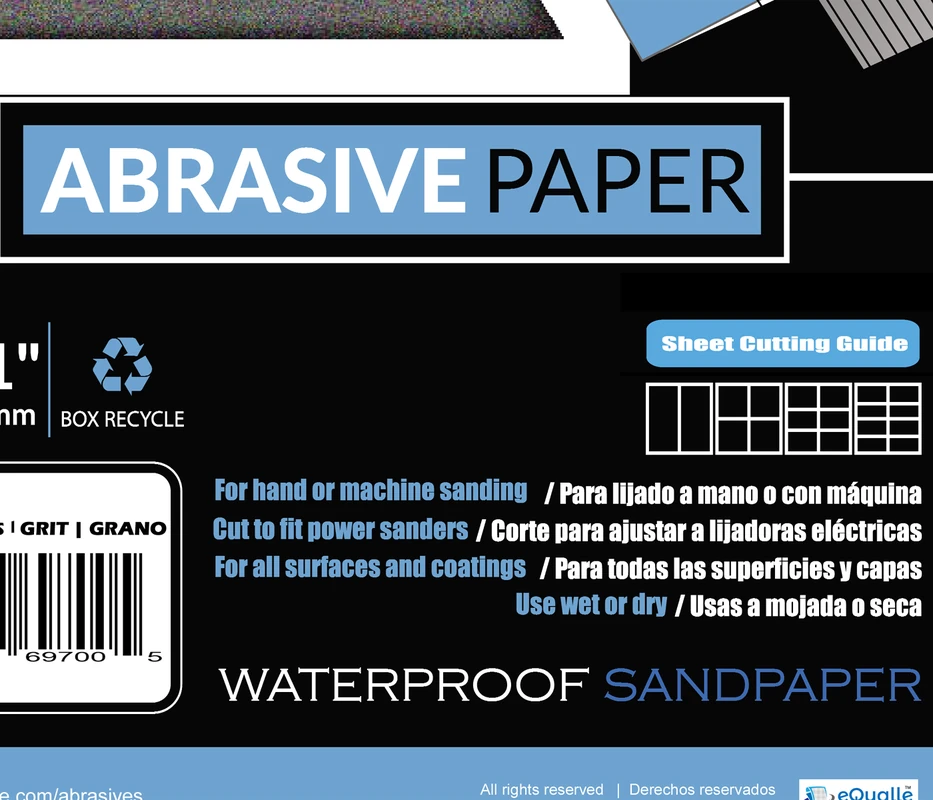
100 Grit Sandpaper Sheets (50-pack) — 9x11 in Silicon Carbide Abrasive for Wet or Dry Use — Balanced coarse grit combining power and control—perfect for blending rough sanding marks before progressing to finer grades like 150 or 180. (Professional Grade).
Frequently Asked Questions (FAQ)
Q: How do I know if a finish is better stripped or sanded?
A: Evaluate coating thickness, adhesion, and geometry. Thick, brittle, multi-layer finishes or intricate profiles favor chemical stripping; thin, well-adhered films on flat surfaces favor sanding. Always test a small area to compare removal rate and resulting surface quality.
Q: Which chemical stripper is safest for veneers and fiberglass?
A: Use benzyl alcohol or other NMP-free, low-evaporation gels formulated for architectural coatings. Avoid strong methylene chloride or aggressive solvents that can attack adhesives or resin matrices. Always test on a hidden area and monitor for softening.
Q: After stripping with a caustic paste, how long before refinishing?
A: Neutralize to near-neutral pH, then allow 24–48 hours of dry time for wood, depending on humidity and porosity. Residual moisture or alkalinity can cause adhesion failures or discoloration; verify dryness and neutrality before sanding and sealing.
Q: What sanding grits should I use after stripping to bare wood?
A: Typically 180–220 grit sets a uniform profile for primer or sealer without overpolishing. On open-grain hardwoods, finish at 180 for better stain uptake; on tight-grain species, 220 reduces raised grain.
Q: Is chemical stripping always slower than sanding?
A: Not on thick, mixed, or detailed coatings. While dwell time increases elapsed time, active labor time is often lower, and you avoid geometry loss or heat damage. On broad, flat panels needing only deglossing, sanding is faster and more economical.