
Seal Fittings to Stop Vacuum Leaks for Dustless Sanding
You notice the air first. It’s still. The living room is taped off, the baseboards are off, and your heart is set on getting through the weekend project without a whiteout of debris coating every surface you own. Your plan is simple: refinish the floors with dustless sanding so you can skip the week-long cleanup and the endless sneezing. The shop vac hums, your sander spins up, and for a few minutes it feels like a win. Then the hose trembles. A faint hiss rises near a quick-connect. You see it—the telltale plume of fines floating off the pad. You lift your mask a touch, eyes scanning the fittings. The promise of an almost dust-free job hinges on the invisible: airtight connections.
It’s a small betrayal, and the source is often simple—one under-tightened cuff, a mismatched thread, a seal flattened from last year’s storage. Dustless systems work by keeping air moving in one direction with enough flow to capture particles the moment they lift. A vacuum leak steals that flow like a pinhole in a hose. And while a leak might feel minor, it’s the difference between a clean, controlled job and a haze that settles into every vent and book spine.
That moment—mask on, machine idling, eyes trained on a hiss—teaches a lesson many of us learn the messy way. Dust collection isn’t just about a strong vacuum or a smart sander; it’s about thoughtful, well-sealed fittings: gaskets that match, threads that seat, hoses that clamp evenly, and quick tests that confirm what your ears suspect. When those pieces work together, dustless sanding becomes what it should be: less drama, more progress, better air. This guide walks you through the fittings, seals, tests, and habits that keep your system pulling hard and your space clean.
Quick Summary: Stop vacuum leaks by matching fitting types, choosing the right seals, tightening to spec, and testing every connection so your dustless sanding system keeps strong airflow.
Why Vacuum Leaks Sneak In
Vacuum leaks show up where two parts meet—and most sanding and extraction systems have a lot of those intersections: sander-to-hose, hose-to-adapter, adapter-to-vac, plus splitters, reducers, and quick-connects. Each junction is a potential path for air to bypass the filter and let dust drift into the room. Understanding the common failure points is the first step to sealing them.
Three culprits dominate. First, mismatched geometry: tapered threads like NPT are designed to seal on the threads, while parallel threads (BSPP, metric) require a gasket or O-ring at the face. Force these systems together and you’ll often create spiral leak paths. Second, tired materials: rubber O-rings take a set, cuffs deform, and cheap vinyl hoses creep off barbs under vibration. Third, uneven loads: worm-drive clamps can pinch a round cuff into an oval, leaving a tiny gap exactly where the screw head sits.
Airflow conditions add pressure to the problem. High-static-pressure vacs for dust extraction are unforgiving—minor leaks drastically reduce capture at the tool because the pressure drop is already working near the system’s limits. Long hose runs, narrow diameters, or multiple operators on one extractor also magnify any imperfection in sealing. If you hear a whistle or feel a faint breeze at a joint, rest assured your tool is losing capture at the pad.
A few simple diagnostics clarify what’s happening. With the vac on and tool port covered, the hose should slightly collapse and hold; if not, listen closely around every fitting. Run your fingers slowly along joints to feel for air movement, or use a light mist of soapy water and watch for bubbles where threads or cuffs meet. The moment you find the hiss, you’re halfway to a fix: choose the right seal type for the joint, apply the correct torque or clamp tension, and confirm it with a quick retest.
Actionable tips:
- Identify every joint type in your chain and label them (tapered thread, parallel thread, barbed, cam-lock, bayonet).
- Keep a small kit of O-rings and gaskets matched to your fittings so you can replace on the spot.
- If a cuff feels loose even when clamped, inspect for ovaling; replace rather than overtightening.
Seal Choices for Dustless Sanding Systems
Selecting the right sealing method depends on how the joint is designed to close. For dustless sanding setups—especially when pairing a sander to a HEPA extractor—small differences in seal type are the difference between efficient capture and a dusty disappointment.
For threaded fittings, match the thread form first. Tapered threads (e.g., NPT) are meant to seal on the threads themselves. PTFE tape works, but anaerobic thread sealant is often superior for vibration-prone environments: it fills microgaps and cures to a plastic solid, resisting loosening. For parallel threads (e.g., BSPP or metric straight), the seal occurs at the face—think bonded washers or O-rings. No amount of tape on straight threads will compensate for a missing gasket.
Barbed fittings rely on interference fit. Pair the barb OD to the hose ID within manufacturer tolerances—too tight and you’ll cut the hose; too loose and no clamp will save it. Use constant-tension (spring) clamps or double-ear (Oetiker) clamps for a uniform 360° squeeze; worm-drive clamps risk flat spots and leak paths. Quick-connects and bayonet cuffs common on sanding tools (Festool-style 27 mm hoses, Mirka bayonets) depend on intact O-rings and clean grooves. Any debris on the O-ring seat creates a leak, so a quick wipe before connection pays off.
Bulkhead fittings shine when you route hoses through enclosures or dust shrouds because they seal at a panel with a gasket—handy for custom hoods or vacuum boxes. According to a article, bulkhead connectors paired with rubber seals provide reliable panel-to-fitting interfaces; it’s a principle that transfers neatly to dust-collection shrouds and vac carts.
Actionable tips:
- Use anaerobic thread sealant for tapered metal threads near vibrating tools; allow the full cure time before use.
- For straight threads, always include a bonded seal or O-ring; don’t rely on tape.
- Choose constant-tension clamps for hoses exposed to temperature swings; they adapt as materials expand and contract.
- Keep spare bayonet O-rings in your sander case and replace at the first sign of flattening or nicks.
Techniques to Test and Tighten
Airtight repairs are only as good as the verification that follows. Testing doesn’t need lab gear; you just need consistency and a few simple tools. Build a quick routine and run it every time you change your hose configuration or notice performance drifting.
Start with a baseline. With your extractor running and the tool port capped (use a palm over the sander port or a proper blank cap), note the sound and feel: the hose should draw down slightly and hold. If your vac has a suction gauge, log the reading; otherwise, use a smartphone decibel app at a fixed distance as a rough proxy—leaks often change the pitch and volume. Next, move joint to joint. Wet your fingertips and feel for cool air; even small leaks create a noticeable draft. A spritz bottle with diluted dish soap will reveal bubble formation on thread leaks without leaving residues that damage rubber.
When tightening, use the right method for each connection. Barbed hose ends like a straight push to seat fully against the stop; warming the hose in hot water for 30 seconds reduces damage. Clamp placement matters: position 3–5 mm from the hose end to compress over the barb’s largest diameter, not the tapered lead. For worm-drive clamps, tighten until the hose just begins to bulge, then stop. For double-ear clamps, use proper pincers for an even crimp.
Threaded fittings need nuance. PTFE tape should wrap in the tightening direction, overlapping by half width, with 3–4 wraps on small sizes, up to 6 on larger. Anaerobic sealant should be a thin, continuous film; excess inside the flow path can flake and travel. On straight-threaded unions, inspect the gasket seat for scratches; even a hairline groove can create a microleak. Replace seals rather than overtightening, which can warp plastic bodies.
Actionable steps:
- Baseline test: cap the tool end and note suction/decibel reading; recheck after any change.
- Use a smoke pencil or incense stick for a clear visual on leaks around complex adapters.
- Mark clamps and threaded unions with a paint pen; if marks drift, vibration is loosening them.
Materials, Ratings, and Compatibility
Not all materials behave the same under vacuum and vibration. Choosing the right mix of hose, fittings, and seals increases reliability and reduces fussing mid-project. For dustless sanding, where you’re capturing fine particulate at the tool, prioritize antistatic components, durable elastomers, and fittings that can handle repeated connects and disconnects without degrading.
Hoses: Antistatic, smooth-bore hoses reduce clogs and static shocks that can loosen connections or draw dust to cuffs. The common 27 mm hoses balance flexibility and flow; larger diameters increase CFM but can reduce velocity at the pad if the tool port is small. Match hose size to tool port and extractor suction to keep capture efficient.
Fittings: Reinforced nylon and glass-filled polymers resist cracking better than generic PVC when tightened; brass and stainless hold threads and resist deformation under clamp load. Bayonet systems are convenient but depend entirely on healthy O-rings—choose those rated for the temps and chemicals you use during cleanup.
Seals: O-ring material selection matters. Nitrile (NBR) is a general-purpose choice for shop environments. EPDM resists weathering and remains flexible over a wide temperature range, helpful for garage setups. Silicone stays supple in the cold but can tear more easily. Viton (FKM) is overkill for most sanding, but if you use harsh solvents for cleaning, it’s a safe bet.
Ratings: Look for vacuum ratings on hoses and fittings; some light-duty shop hoses collapse under high suction. Also consider temperature: sanding generates heat at the pad, which can warm nearby hoses and soften cheaper plastics. For clamps, stainless steel bands and housings resist corrosion from fine dust and humidity, preserving spring tension.
Compatibility: Thread standards can trip you up. Mixing NPT and BSPT often “fits,” but microleaks are common even with tape. Use adapters that explicitly convert thread type or swap the fitting at one end to match your system. For panel penetrations in DIY dust shrouds, bulkhead fittings with rubber gaskets prevent flexing and keep the panel-to-hose interface airtight.
Actionable tips:
- Match O-ring material to your environment; choose EPDM for wide temp swings in garage shops.
- Avoid mixing NPT and BSP—even if they seem to thread—without a proper adapter.
- If your hose collapses when you cap the tool end, you’re fine; if it collapses during sanding, switch to a stiffer, vacuum-rated hose.
Maintenance Habits That Keep Seals Tight
Airtight today doesn’t guarantee airtight tomorrow. Dust, vibration, and handling wear down even well-chosen components. A few light habits maintain healthy seals and prevent sudden drop-offs in capture while you’re in the middle of a finish pass.
Schedule quick inspections. Before a sanding session, wipe cuffs and O-ring grooves with a dry microfiber cloth. The tiniest grit on a seal seat can hold an O-ring open just enough to hiss. Every few weeks, apply a rubber-safe conditioner to O-rings to reduce cracking; avoid petroleum grease unless your seal material is compatible. Keep a small lube like silicone grease for bayonet O-rings—just a film to help them seat without rolling.
Clamps and threads need periodic attention. Re-torque clamp connections after the first hour of use; materials seat and creep under load, especially on fresh hose cuts. For threaded joints, add witness marks with a paint pen and glance at them before each project. If marks don’t align, vibration is at work; disassemble, clean, and reseal rather than cranking tighter.
Store smart. Coiling hoses without sharp bends prevents ovaling at cuffs. Use end caps or even a plastic bag with a rubber band over open ends to keep dust out of the mating surfaces. Keep your seal kit—PTFE tape, anaerobic sealant, spare O-rings and gaskets, a few clamps—in a clear bin. Label sizes: 27 mm cuff O-rings, 32 mm adapters, 1-1/4 in. barbs, and so on. Future you will thank you when a hiss shows up mid-job.
And remember to test. A 60-second baseline check at the start and end of each day tells you if anything drifted. Small changes are easier to fix before they become visible dust escapes. The reassurance is worth the minute: a steady system pulls strong, captures cleanly, and lets you focus on the craft rather than the cleanup.
Maintenance checklist:
- Wipe and inspect O-ring seats before each session.
- Re-torque clamps after initial run-in; replace any that leave flat spots.
- Cap hose ends in storage; avoid tight coils that stress cuffs.
- Keep a labeled seal kit on hand; replace seals at the first sign of flattening.
Testing DUSTLESS Sanding — Video Guide
Curious how a dust-extraction setup performs under real use? This video puts a dustless sanding tool through a practical “buy or skip” evaluation, highlighting airflow, capture, and how well the fittings hold under vibration. The host runs through on-tool tests, shows the effect of different hoses and adapters, and calls out where small leaks steal performance.
Video source: Testing DUSTLESS Sanding Tool - BUY or BUST?
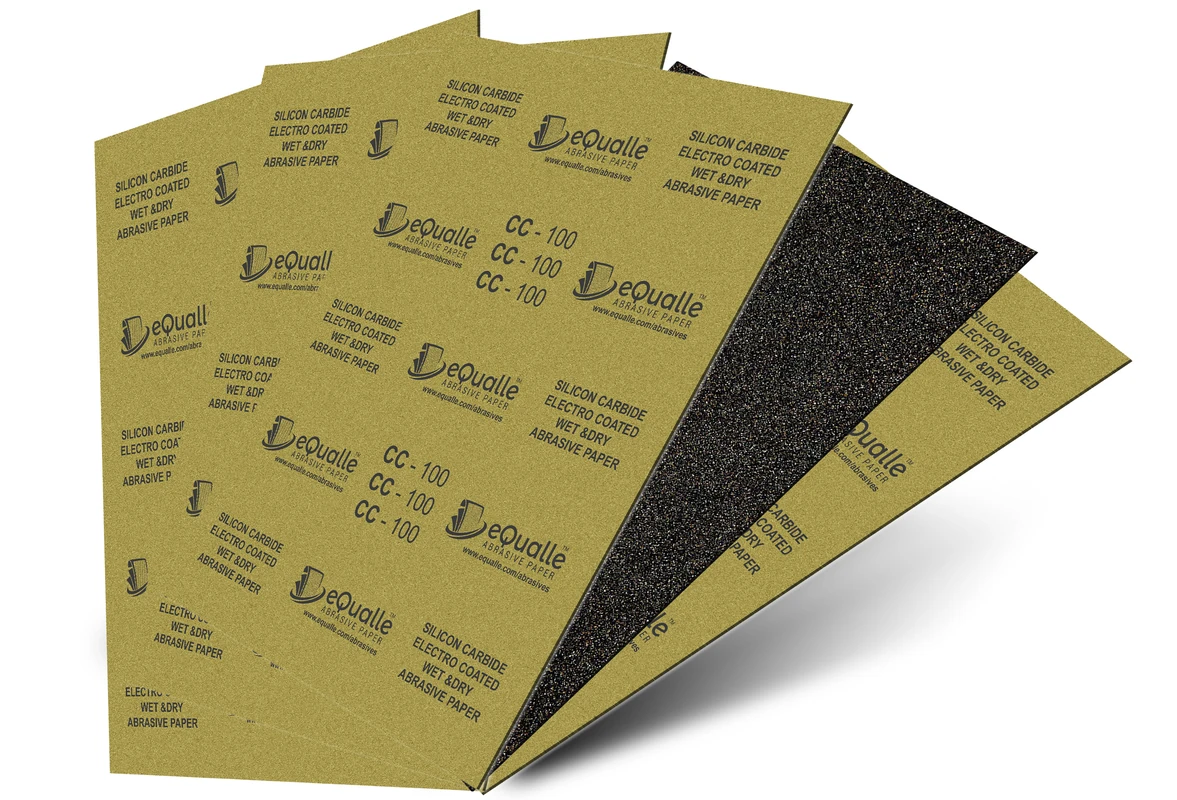
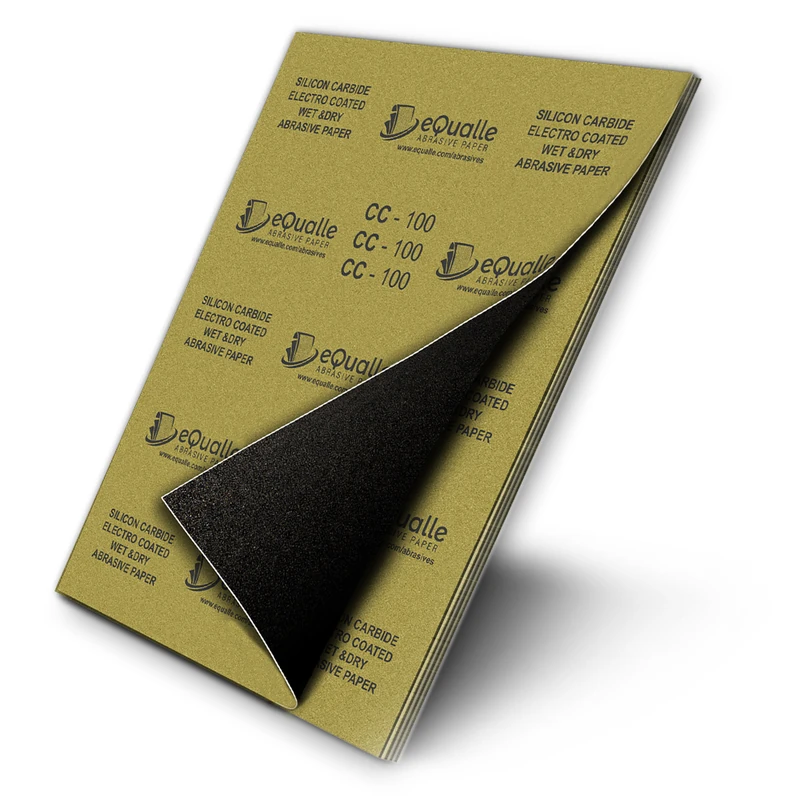
60 Grit Sandpaper Sheets (25-pack) — 9x11 in Silicon Carbide Abrasive for Wet or Dry Use — Extremely coarse Silicon Carbide abrasive for rapid material removal and shaping. Ideal for stripping paint, smoothing rough lumber, or cleaning rusted metal. Suitable for wet or dry sanding, it prepares surfaces for smoother grits like 80 or 100. (Professional Grade).
Frequently Asked Questions (FAQ)
Q: How do I know if a vacuum leak is costing me capture at the sander?
A: Cap the tool port and note suction or sound; then uncap and sand for 10 seconds. If the hose softens and the pitch changes when sanding, you likely have a leak upstream. Use a soapy water spray on joints or a smoke pencil to pinpoint it.
Q: Should I use PTFE tape or thread sealant on fittings?
A: For tapered threads (NPT), either works—tape is quick, sealant resists vibration better. For straight threads (BSPP/metric), neither will seal by itself; use a bonded washer or O-ring at the face and tighten to spec.
Q: What clamp style seals hoses best on barbed fittings?
A: Constant-tension (spring) and double-ear clamps provide an even 360° squeeze and compensate for material creep. Worm-drive clamps are common but can create flat spots; use them carefully and avoid overtightening.
Q: How often should I replace O-rings in bayonet or quick-connect cuffs?
A: Inspect before each project and replace at the first sign of flattening, cracks, or nicks. In regular use, plan on a refresh every 6–12 months; store spares with your hose kit.
Q: Can I mix NPT and BSP threads if they seem to fit?
A: It’s not recommended. They may thread partially, but differences in angle and pitch create microleaks. Use a proper adapter or swap one side to a matching standard to ensure an airtight seal.