
Glass sanding to reduce chipping with light pressure
The first clink is always the loudest. You set the pane on a padded bench, nudge it into square, and that tiny tick of glass on glass makes your shoulders tense. If you’ve worked with glass—bottles you’ve upcycled, aquarium panels you’ve drilled, a mirror you’ve cut—you know the feeling. The fear isn’t shattering; it’s those sneaky micro-chips that show up right when you’re almost done. The good news is we can control them. With glass sanding done right and a feather-light touch, you’ll get clean edges that don’t snowflake into chips, even under stress.
I’ve spent countless evenings in the shop teaching folks to ease edges, knock down cuts, and safely polish recycled bottle rims. The turning point is always the same: switching from “muscling the job” to letting the abrasive do the work. Light pressure isn’t laziness—it’s precision. It keeps heat low, minimizes microfractures, and gives you control. Once you feel the difference, the material starts telling you what it wants: a slower pass, a wetter slurry, a slightly finer grit.
Today we’ll build a system you can trust. Whether you’re hand-sanding a cut wine bottle, easing a mirror plate for a frame, or truing a chipped shelf edge, your goal is identical—reduce chipping with light pressure, dial in speed and grit, and finish with a durable arris (that small bevel) that protects against future damage. You don’t need exotic tools to get pro results; you need the right sequence, good support, and restraint in your hands. I’ll walk you through it step by step, with real shop habits that work for both hobbyists and pros.
Quick Summary: Light, consistent pressure plus the right grit and wet sanding keeps chips at bay, letting the abrasive—not your arm—shape and polish glass edges cleanly.
Why Chips Happen and How to Stop Them
Chipping is the visible symptom of stress you can’t see. Glass is strong in compression but fragile in tension. When you push too hard, run too fast, or let heat build, you load the surface in ways it doesn’t like. Microfractures form first; then, as you continue, those fractures coalesce into chips. Once a chip starts, the edge geometry changes and concentrates even more stress—so the snowball begins.
Three culprits dominate: pressure spikes, heat, and poor support. Pressure spikes happen when you press into a high spot or catch the edge at the wrong angle. Heat accumulates when grit clogs, friction rises, and you keep pushing. Poor support allows vibration; the edge rattles under the abrasive and crumbles. The fix isn’t complicated: control those variables.
Start by supporting the work. Use a rigid, flat surface covered with a closed-cell foam pad or a few layers of cork shelf liner. Let the glass overhang only as much as you need to reach the edge. Keep your off-hand close to the sanding zone to damp vibration—never over the edge, always safely behind it. Next, set your mindset: you’re removing glass dust by dust, not chunks. Light pressure gives each grain of abrasive time to cut rather than skate or grab.
Finally, watch and listen. A smooth “shh” sound means you’re cutting. A gritty rasp or squeal means you’re dry or clogged. Any pinging, crackle, or sharp change in tone is a stop sign—back off, flush with water, and reassess. This approach sounds slow, but it’s not. You’ll do fewer corrective passes, and your edges will end up stronger and cleaner.
Mastering glass sanding for clean, safe edges
You can sand glass by hand with silicon carbide paper or diamond hand pads, or with powered tools like a rotary tool, wet sander, or belt with a water feed. The method changes, but the principles don’t. Here’s a practical, repeatable hand-sanding process that keeps chips away.
- Set up and gear up
- PPE: cut-resistant gloves, safety glasses, and a respirator if you’ll generate dry dust (wet sanding minimizes airborne dust).
- Surface: rigid bench, foam/cork pad, and a catch tray or towel to control slurry.
- Abrasives: silicon carbide sheets or diamond pads in 120, 220, 400, 600, and 800+ grits.
- Coolant: spray bottle of water with a drop of dish soap.
Start with the arris
Before polishing, break the sharp corner with a 45° pass (the arris). This small bevel is your chip insurance. Hold the pad on a small wooden backing block so it stays flat. Two or three light strokes at 120–220 grit are enough to see a consistent bevel line.Ease the edge
Switch to 220 and 400 grits to unify the bevel. Use light, even strokes along the entire edge. Keep the pad wet; maintain the same angle and pressure. Don’t scrub one area—feather across the whole length to avoid depressions.Face blend (optional)
If the cut left saw marks or a felt-tip line of microchips, blend just enough with 400–600 grit on the face adjacent to the bevel. Keep your pressure feather-light and your strokes long.Polish if desired
Move to 800–1200 grit for a satin edge, or use cerium oxide on a felt block to bring up a clear polish. Always keep things cool and wet.
Throughout, your goal is consistency, not force. If you feel tempted to push harder, drop a grit instead. Let the abrasive do the shaping; your hands simply guide.
Pressure, Speed, and Grit: The Sweet Spot
Pressure is the biggest lever you control. Picture the abrasive grains as tiny chisels. With light pressure, each grain takes a small, controlled bite. Push hard and those bites become gouges, which set off microfractures. The edge resists; you push more; chips appear. Light, consistent pressure prevents this cycle and extends the life of your abrasive.
For hand work, the weight of your hand plus the pad is plenty. If you must quantify it, think “two to four newtons”—roughly the effort to slowly slide a heavy book across a table. With power tools, never lean on the tool. Keep wrists loose and elbows anchored. Let speed, not pressure, create the cut rate—but speed also needs control. Low to medium RPMs with steady feed are safer for glass; high RPMs and pressure create heat fast.
Grit selection controls how fast you can remove defects without shock-loading the edge. Start coarse enough to do the job (120–220 for a rough bottle cut, 400 for a clean machine-cut shelf), then step through grits without skipping more than 2×. Each grit should fully remove the scratches of the previous one before you advance.
- Actionable tips for the sweet spot:
- Use a felt-tip marker along the edge before each grit. Sand until the ink line is uniformly gone—then stop.
- Count strokes. Ten light, even strokes per side keep you honest; reassess instead of grinding blindly.
- Listen for the cut. A soft, even whisper means you’re on target; a squeal or chirp says add water or reduce pressure.
- If you see white, frosty chips forming, drop a grit and lighten up immediately.
- Take “cool-down” pauses every 30–45 seconds to flush and check.
Mid-project edge relief matters. A small bevel added early prevents future chunks from popping out. According to a article, easing glass edges at about a 45° angle with light pressure significantly reduces chipping—exactly what you’ll be doing here.

Wet Methods and Coolant Control
Water is your ally. It captures glass dust, keeps the abrasive cutting cleanly, and—most importantly—controls heat and microfracture risk. Dry sanding is possible in short bursts, but if your priority is to reduce chipping with light pressure, wet is simply safer and produces better edges.
Set up a manageable wet station. A shallow tray with a folded towel keeps the work from hydroplaning and catches slurry. A spray bottle with a drop of dish soap breaks surface tension, letting water seep into the scratch zone. Re-wet every few strokes to prevent clogging. If you’re using diamond pads, keep them vigorously flushed; diamonds glaze when they run hot and dry.
If drilling or shaping with a rotary tool, slow your speed and feed. For holes, use a dam of modeling clay to hold a puddle of water over the spot. Start the diamond core bit at a shallow angle to score, then slowly roll upright. Zero pressure—just the tool’s weight. Pulse the cut: touch, lift, flush. This prevents heat spikes and prevents the bit from grabbing and chipping the exit edge. Tape the exit side and back it with a sacrificial tile or scrap glass; that support is your chip guard.
When edge-sanding with a belt or disc, a misting bottle can be enough for small parts. For larger runs, a continuous trickle is better. Keep towels handy to manage slurry; don’t let muddy water build a paste—that paste drags and scratches. Replace water often; clean water cuts cleaner. Finally, keep your gloves grippy; wet glass is slick and unforgiving. Stable hands plus cool abrasives equal smooth, chip-free passes.
Finishing, Polishing, and Edge Protection
Once you’ve established a consistent bevel and removed saw marks, finishing determines both the look and durability of the edge. Your goals: unify the scratch pattern, remove stress risers, and leave a small, strong arris to protect against future chips.
Step through your final grits with intention. After 400, go to 600 or 800. Wipe the edge clean and tilt it under a light; any deeper scratches you still see are 400 grit survivors—go back until they’re gone. Don’t rush into polish with scratches present; polish just makes them shiny. For a transparent edge, use cerium oxide slurry on a firm felt block. Keep the pad moving, pressure feather-light, and the surface wet. You’re warming glass, not heating it—if it feels more than lukewarm, pause and flush.
For bottle rims and drinking glasses, round the rim slightly after polishing to keep lips comfortable and reduce future chips during washing. For shelves and frames, a crisp but tiny bevel is best—big enough to de-stress the edge, small enough to look sharp. If the piece will be transported or installed later, protect the edge with painter’s tape or edge guards. That thin compressible layer absorbs incidental bumps.
Power polishing? Use a variable-speed rotary with a 2–3 inch felt wheel and cerium slurry on the slow side. Keep the wheel off the corner’s apex; polish faces first, then kiss the arris to avoid rolling it into a wave. Vacuum or rinse off all slurry—dried cerium is like fine pumice and can scratch adjacent surfaces.
Maintenance matters too. Mark your pads with grit numbers. Retire any pad with bald spots—uneven pads cause uneven pressure. Store abrasives flat and dry. When your kit is ready, your finishing will be predictable, and your edges will stay chip-free long after the tool noise stops.
How To Sand — Video Guide
If you’re a visual learner, there’s a timely walkthrough on sanding and polishing a cut glass bottle by hand. The video breaks down the process into manageable steps, demonstrating how to level a rough cut, ease the rim, and bring up a clean finish without special machinery.
Video source: How To Sand And Polish A Glass Bottle
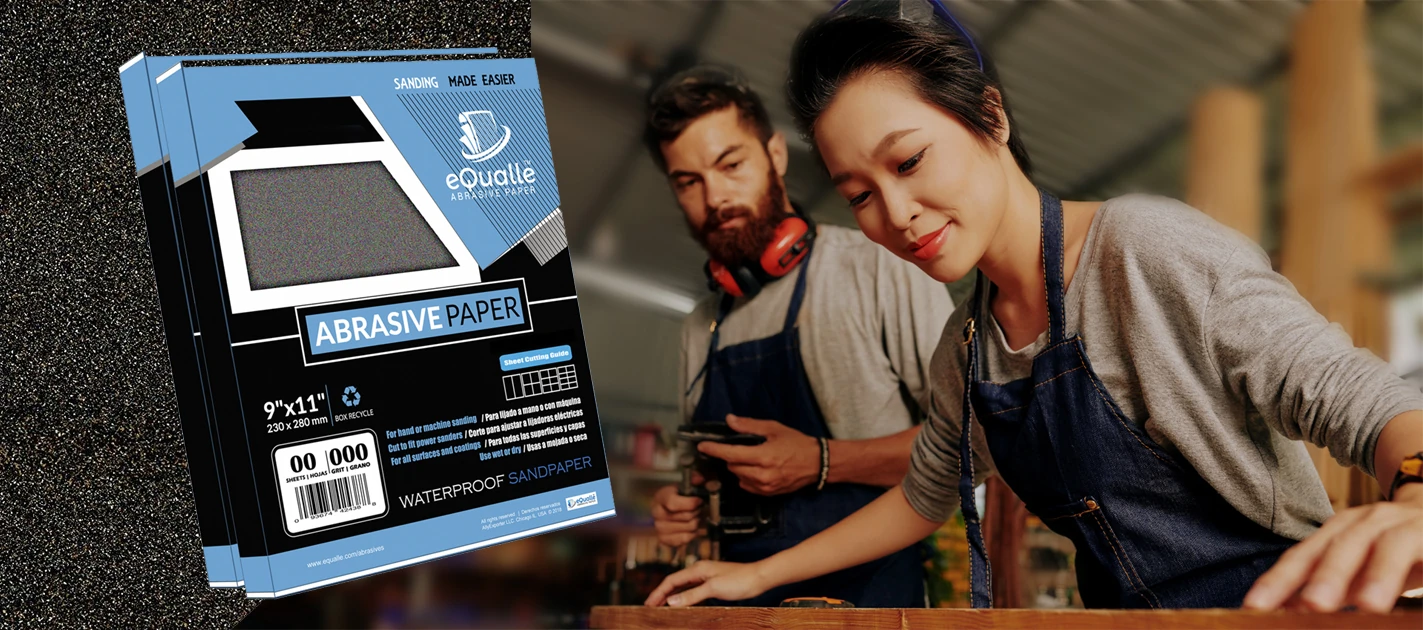
400 Grit Sandpaper Sheets (10-pack) — 9x11 in Silicon Carbide Abrasive for Wet or Dry Use — Ultra-fine abrasive for refining surfaces before polishing or coating. Commonly used in auto body repair and resin finishing. Produces flawless smoothness with wet or dry sanding. (Professional Grade).
Frequently Asked Questions (FAQ)
Q: How light is “light pressure” when sanding glass?
A: Think of sliding a heavy book across a table—just enough force to move, not to dig. With hand pads, that’s roughly the weight of your hand. If the sound turns sharp or the pad stalls, you’re pressing too hard.
Q: Can I sand tempered glass edges?
A: You can lightly ease small chips and break a razor edge, but avoid aggressive grinding—tempered glass can release stress and fail. For significant edge work, replace the pane or work on it before tempering.
Q: What grit should I start with on a cut bottle rim?
A: If the cut is rough, start at 120–220 grit to establish the arris, then progress to 400, 600, and 800+. For a near-clean cut, begin at 400. Don’t skip more than one grit step.
Q: Why does wet sanding reduce chipping?
A: Water cools the edge, keeps abrasive grains from clogging, and floats away sharp debris that can scratch. Cooler, cleaner cutting means fewer microfractures and less chance of chips.
Q: Diamond pads or silicon carbide paper—what’s better?
A: Diamond pads last longer and cut consistently, especially on thick or hard glass. Silicon carbide paper is inexpensive and fine for light work. Both work well if you keep pressure low, grits logical, and the surface wet.