
Open Coat Sandpaper & Stearated Coatings Guide
It’s Saturday morning in the shop—the kind where the coffee cools on the bench because you’re in a flow state. You square up your random-orbit sander over a pine cabinet door you’ve been meaning to refinish. Two passes in, the pad stalls, dust smears into a chalky cake, and the disc stops cutting. We’ve all been there: soft wood, resin pockets, a touch of old varnish, and sandpaper that loads up faster than you can tap it clean. That’s when I reach for open coat sandpaper paired with a stearated coating. It’s the combination that keeps abrasive cutting edges exposed while a dry “lubricant” layer sheds paint, pitch, and finish dust instead of letting it fuse to the grit.
I’ve used this setup on kitchen cabinets, auto primer, guitar bodies, aluminum panels—projects where heat and loading can ruin a surface in seconds. The reality is simple: if your paper clogs, your scratch gets burnished, your sander fights you, and your finish suffers. With the right abrasive structure and a smart coating, sanding stops feeling like a chore and starts behaving like a controlled process. That’s the goal here. I’ll show you how stearates work, when to choose open vs. closed coat, how to ladder your grits, and what to do when dust tries to win. If you’ve ever wondered why some paper lasts ten minutes and some lasts an afternoon, pull up a stool. We’re going to fix that.
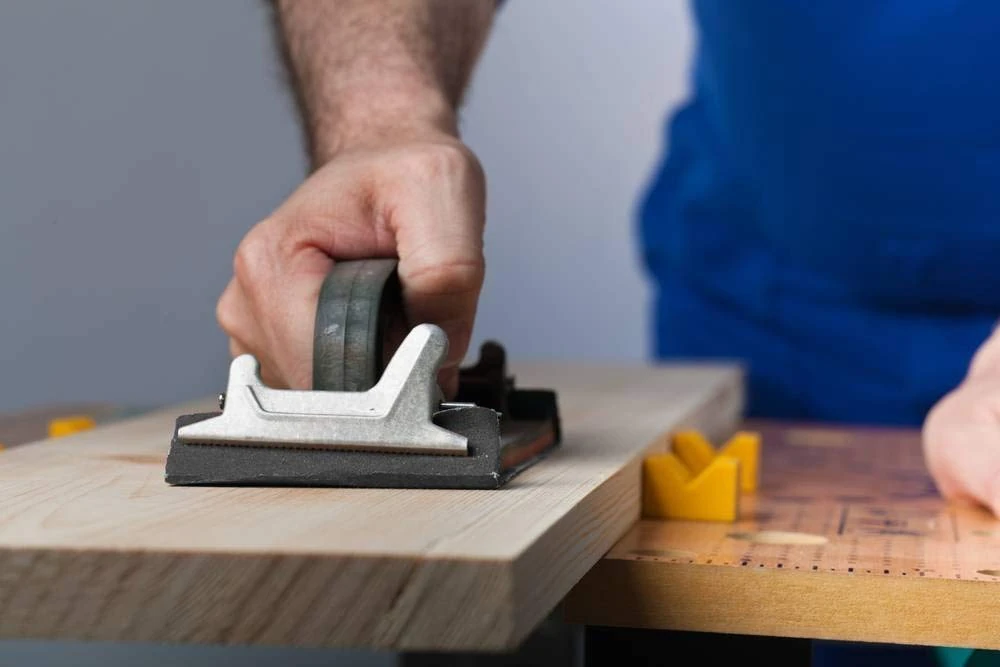
Quick Summary: Stearated coatings and open coat sandpaper prevent loading, run cooler, and cut more consistently—meaning faster work and cleaner finishes.
What Stearates Actually Do
Let’s kill the mystery first: a stearated coating is a thin, dry-film layer—often zinc or calcium stearate—applied over the abrasive grit. Think of it as a sacrificial, non-stick skin. When dust tries to pack between the grains, the stearate keeps that debris from bonding to the abrasive; it gets shed instead of smeared. Two things follow: the disc cuts longer, and it runs cooler.
Stearates do not magically sharpen grit; they keep the grit available. That’s critical on “gummy” materials—resinous softwoods (pine, fir), paints, primers, body filler, and certain plastics. Without a stearate layer, dust softens from heat and welds to the abrasive. Once you get that white glaze, you’re burnishing, not cutting, and you’ll chase scratches forever.
Now pair stearate with open coat construction. Open coat means the abrasive grains cover about 50–70% of the surface, leaving purposeful gaps. Those gaps give swarf a place to go and reduce friction. Open coat alone helps, but together with stearate, you get a surface that resists clogging and sheds build-up under pressure.
A few practical caveats from the shop floor:
- Slightly less initial “bite” is normal. The stearate film can mellow the first few seconds of cutting. It disappears quickly and the disc stabilizes.
- Always clean before finishing. Stearates aren’t silicone, but any residue plus dust can interfere with adhesion. Vacuum thoroughly, then wipe with a water-damp cloth or appropriate solvent for your finish system.
- Between stain and topcoat, play it safe. If you need to scuff a stained surface, vacuum first, then use a very light pass with fresh stearated paper or switch to non-stearated micro-abrasives designed for finish intercoats.
Bottom line: stearates keep you in the sweet spot—cutting, not clogging—especially on materials most prone to gumming up.
Grit selection with open coat sandpaper
Grit choice makes or breaks your sanding cycle. Pairing the right grit with open coat sandpaper and a stearated layer ensures each step builds toward a cleaner surface rather than chasing problems the next step has to fix.
Here’s how I set up typical workflows:
- Bare softwood (pine, fir, cedar) before stain: Start 120 open coat stearated aluminum oxide if milling marks are light. If you’ve got planer ripple or dents, 100 may be safer, but avoid going lower unless you’re reshaping. Step to 150, then 180. Stop at 180 for most oil-based stains to maintain “tooth.” For water-based stains, finish at 180–220.
- Painted cabinets or primer: Begin at 150–180 to level without gouging. You’ll be shocked how much longer a stearated open coat disc runs on latex paint versus a non-stearated closed coat. Step to 220–320 to refine before topcoat.
- Body filler and automotive primer: 120 or 150 for shaping, then 220–320 for blocker sanding primer. Finish with 400–600 before basecoat, favoring film-backed stearated discs.
- Non-ferrous metals (aluminum, brass): Use 180–320 stearated open coat to minimize loading, keep pressure low, and monitor heat. For steel, stearate is fine for general prep, but ensure an aggressive clean and degrease before coatings.
Step-by-step: refinishing a pine cabinet door
- Level: 120 grit, 5-inch ROS, stearated open coat, light pressure. Make a pencil grid and sand until faint lines disappear uniformly.
- Refine: Switch to 150. Vacuum the surface and the disc before resuming to keep swarf from re-scratching.
- Final prep: 180. Listen to the sander’s pitch; when it rises and dust thins, your cut is done.
- Raise grain (if water-based finish): Wipe with a damp cloth, let dry, then very lightly pass 220 stearated open coat. One or two orbits—don’t re-cut the surface.
- Clean: Vacuum thoroughly. If staining, consider a non-stearated 220 hand-sand with the grain to ensure maximum adhesion, then vacuum again.
- Finish: Apply stain or seal. For between-coat scuffing on clear finishes, use 320–400 stearated sheets or pads, then tack cloth if your finish system allows.
Pro note: Always match backing to the task. Paper backings (C/D-weight) are flexible for hand work; film backings stay flatter on power sanders and distribute pressure evenly—great with stearates in finer grits.
Dial in your workflow: wood, paint, metal
Every material loads differently. That’s why I tune the abrasive, the machine, and the dust extraction together rather than just swapping grits and hoping for the best.
Wood
- Resinous softwoods are the textbook case for stearated open coats. You’ll hear a steadier sander pitch and see a loose, granular dust—not waxy smears. Keep pad movement slow and overlapping. If you scorch, you’re pressing too hard or lingering.
- Hardwoods respond well, too, but if you’re chasing absolute clarity on a high-end finish, consider switching to non-stearated micro-finishing abrasives at 320 and above before dye or water-based topcoats. Cleanliness is king.
Paints and primers
- Latex and alkyd paints tend to “pill.” Stearates prevent those pills from welding to your disc. Use a medium pad or an interface pad when flattening profiles so your disc maintains contact without digging.
- Primer sanding benefits from film-backed discs with stearates in the 220–600 range. You’ll get a consistent, shallow scratch that fills well and avoids solvent-pop from overheated surfaces.
Metal
- On aluminum, open coat stearated discs are your friend. They shed chips that otherwise gall and streak. Keep your passes light and cool; heat is the enemy on thin sheet.
- On steel before coating, stearate is fine for leveling, but degrease thoroughly afterwards. Avoid stearated abrasives right at the weld prep stage—use non-stearated or flap discs for that.
Dust extraction and pad selection
- Hook-and-loop discs with multi-hole patterns keep the sheet cooler. Align holes to your pad pattern (don’t guess—rotate until you feel the pin alignment).
- A soft interface pad helps on curves and profiles, but it also traps heat. If loading spikes, remove the pad or switch to a ventilated interface.
According to a article, an open coat construction reduces loading by creating relief areas between abrasive grains—exactly why pairing it with a stearated layer compounds the benefit.
If you hear your sander’s tone drop, you’re pushing too hard. Let the grit do the work, keep the machine flat, and reset your expectation: sanding is a measured cut, not a forced one.
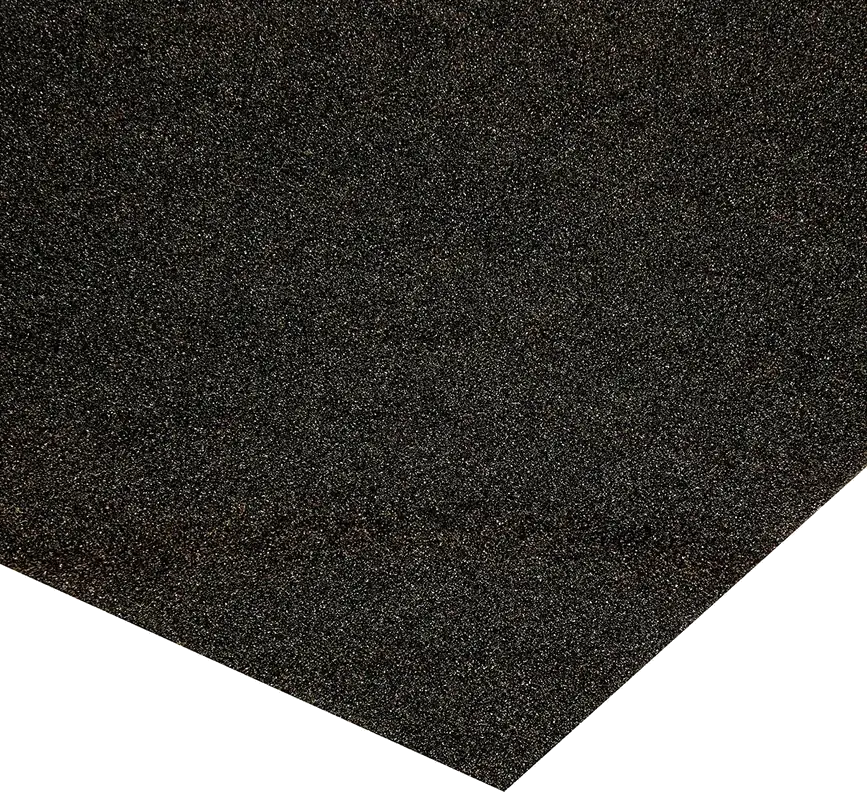
Fix common loading and heat issues
Even with ideal paper, poor technique can sabotage results. When a job starts to clog or glaze, I run through this checklist before I waste a stack of discs.
- Reduce pressure and increase movement. Heavy pressure compresses dust into the grit. Aim for just enough force to maintain pad contact. Move at 1–2 inches per second with 50% overlap.
- Keep speed in the sweet zone. Many ROS units have variable speed; slow slightly on paints and softwoods. High RPM equals heat, and heat equals loading.
- Use a crepe cleaning block often. Pausing every minute to swipe the disc against a crepe block (with the sander running, pad down, light touch) sheds early build-up before it becomes glaze.
- Vacuum properly. A shop vac is not just for cleanup—use active dust collection while sanding. Multi-hole discs plus a matched pad can double abrasive life. If dust extraction feels weak, check for a clogged hose or a leaky cuff.
- Rotate edges. On rectangular sheets, fold thirds and rotate to a fresh cutting edge every couple of minutes. On discs, twist 60–90 degrees on the hook-and-loop to expose a section that hasn’t run as hot.
Troubleshooting specific problems
- Paint pilling: Switch to a finer grit (e.g., 180 instead of 120) with a stearated open coat, lower the speed, and keep the pad flat. Pill formation drops with cooler cutting.
- Pine pitch streaks: Pre-wipe the surface with mineral spirits and let flash dry. Then use stearated discs and vacuum aggressively. If pitch persists, scrape first, then sand.
- Primer gumming: Let the primer cure fully. If you rush, no abrasive will save you from clogging. With cured primer, stearated 320–400 on film-backed sheets cuts fast and clean.
Three quick shop tips
- Start with fresh discs at each major grit jump. False economy—pushing a half-dead disc—leaves inconsistent scratches that cost time later.
- Keep discs flat and cool. Store them in a binder or disc caddy; warm, humid air softens adhesive and accelerates loading on first use.
- Observe the dust. Powdery, fine dust is healthy cutting. Strings or smears are early warning signs—adjust pressure and speed immediately.
Small changes here prevent wasted paper, overheated surfaces, and the dreaded swirl chase on your final coat.
Care, storage, and shop safety
Abrasives are consumables, but how you store and handle them dramatically affects lifespan and performance. Treat them like your finishing supplies.
Storage
- Keep discs and sheets in a dry, temperate cabinet or binder. Avoid direct sunlight and high humidity—over 60% RH can soften binder resins and weaken hook-and-loop glue.
- Separate grits and types. I keep stearated open coat discs in one section and non-stearated finishing papers in another. Cross-use confuses your workflow and contaminates surfaces.
- Flatten sheets. 9x11 sheets that curl create uneven contact and hot spots. Stack them under a flat board or keep them in a file.
Handling
- Label partial stacks. When you pull two or three discs from a roll, wrap the remaining with painter’s tape and mark the grit and date. Old adhesive attracts dust.
- Keep a dedicated “finish” vacuum brush. Don’t use the same filthy bristle you used on the jointer to clean a finish-ready surface.
Safety
- Dust is the real hazard. Even with stearates reducing friction, fine dust goes airborne. Wear a P2/P100 respirator, turn on air filtration, and use tool-triggered extraction when possible.
- Static and sparks: When sanding metal, especially aluminum, keep extraction hoses anti-static rated and avoid mixing metal dust with wood dust in the same vacuum.
- Finish compatibility: Before you scuff between coats with stearated paper, consult your finish system. Most modern finishes tolerate stearates fine with proper cleaning, but some specialty coatings specify non-stearated intercoat abrasives.
Disposal and cleanliness
- Don’t toss half-effective discs. Retire them to a “rough work” bin for paint drip knock-down or shop-made jig smoothing. Save your fresh discs for surfaces that matter.
- Before topcoat, wipe with the appropriate solvent or water-damp cloth after vacuuming. Micro-dust and any stearate residue need to go. For water-based finishes, a water wipe is best; for solvent-based, use the manufacturer’s recommended reducer.
Treat abrasives as part of a system—machine, pad, paper, extraction, and finish. When each element supports the others, you get consistent, predictable results without fighting the material.
Brief Description of — Video Guide
There’s a short YouTube segment where a woodworker named Woody walks through the essentials of abrasives—grit numbers, backing types, and special coatings. He explains how different constructions behave on wood and finishes, giving you the context to choose intelligently rather than by guesswork.
Video source: Brief Description of Sandpaper Told By Woody
220 Grit Sandpaper Sheets (50-pack) — 9x11 in Silicon Carbide Abrasive for Wet or Dry Use — Fine finishing grit for final surface preparation before painting or coating. Offers uniform cutting on wood, metal, and plastic. Leaves a smooth, paint-ready finish suitable for wet or dry sanding. (Professional Grade).
Frequently Asked Questions (FAQ)
Q: What’s the difference between stearated paper and open coat paper?
A: Stearated refers to a non-stick, anti-loading coating applied to the abrasive; open coat refers to the spacing of the abrasive grains that leaves relief gaps. They solve different parts of the loading problem and work best together on gummy materials like paint and resinous softwoods.
Q: Will stearated paper cause finish adhesion problems?
A: Not if you clean properly. Vacuum thoroughly after sanding and wipe with a water-damp cloth for water-based systems or the recommended solvent for oil/solvent systems. Many finish schedules even specify stearated papers for intercoat scuffing because they run cool and resist clogging.
Q: When should I avoid stearated abrasives?
A: Skip them for weld prep and any operation where you’ll immediately apply a coating without a thorough clean. If you’re staining bare wood and have had adhesion issues, you can switch to non-stearated paper for the final pre-stain pass, then vacuum and wipe.
Q: How can I tell if a disc is stearated or open coat?
A: Stearated discs often have a pale, chalky look and feel slightly slick. Open coat isn’t about color; it’s about grain spacing—usually noted on packaging. Many premium discs are both stearated and open coat and will be labeled accordingly.
Q: How long should a stearated open coat disc last?
A: It varies with material, pressure, and dust extraction. On latex paint or pine with active vacuum, I often get 3–4 times the life compared to non-stearated closed coat discs. If cut rate drops or you see glaze, clean with a crepe block or swap to a fresh disc.