
Figure-Eight Pole Sander Drywall Technique
The first time I learned the figure‑eight, it was 6 a.m., coffee in a paint-stained thermos, and a living room taped up like a crime scene. The house belonged to a neighbor who’d done an earnest DIY skim coat. The seams were proud, ridges crisp as a credit card. I’d already spent too many nights fighting walls with the wrong motion: straight up and down, back and forth, carving tracks with a pole head that liked to dig in at the end of each stroke. If you’ve ever wrestled a pole sander drywall on a long seam, you know that end-of-stroke gouge—the one that laughs at you when the primer hits it.
An old finisher I respect walked in, grinned at my sweat and stubbornness, and said, “Stop pushing. Paint the wall with figure eights.” I thought he was joking. He showed me once—wide, lazy eights, pad flat, pressure from the shoulders not the wrists, eyes tracing the light across the compound. He barely pressed, and yet the ridges disappeared. The scratch pattern blended. The dust stayed consistent. My stress melted with the high spots.
That morning changed how I sand walls. The figure‑eight isn’t a gimmick; it’s control. It spreads your pressure, avoids those end-of-lap dig marks, and hides the scratch pattern under primer. It lets you sand faster with fewer passes, and it’s friendlier to your shoulders because the movement is rhythmic and balanced. You don’t need a powered sander or fancy vac rig to get pro results—just a tuned setup, the right grits, and a motion that makes the wall cooperate.
In this guide, I’ll walk you through the figure‑eight in detail: why it works, how to set up your pole, the grit sequence that saves time, and a clean, repeatable workflow you can trust whether you’re sanding a patch or an entire remodel. Roll up your sleeves—we’re going to get the wall flat the right way.
Quick Summary: Use a light‑pressure figure‑eight with a flat head, smart grit progression, and raking light to blend seams fast and leave a uniform drywall surface.
Why the Figure‑Eight Works
Straight passes load the pole head at the end of each stroke, which makes the pad “toe in” and carve a shallow trench. The figure‑eight breaks that pattern by redirecting force diagonally, spreading contact across the whole pad. Instead of pressure peaking at the ends, it cycles smoothly, minimizing dig marks and ridges.
Think of each “eight” as two overlapping ovals. Your right shoulder guides the top loop, your left shoulder the bottom, with your hips turning slightly to keep rhythm. The pole stays roughly at a 5–10° angle to the wall—just enough to keep the head flat, not enough to tip. The result is a crisscross scratch pattern that blends high and low spots and hides under primer.
Key principles:
- Keep the pad flat. If the head is rocking, you’re pressing too hard or the pole is too steep.
- Use the shoulders and hips, not the wrists. Wrist-driven sanding chatters and digs; body-driven sanding glides.
- Maintain overlap. Each figure‑eight should overlap the previous by about one-third so you don’t miss a sliver between loops.
- Watch the light. Raking light will highlight ridges and pinholes; your eyes should chase those shadows as you make passes.
- Let grit do the work. If you’re forcing it, you’re either using too fine a grit too soon or your compound lump needs knocking down with a scraper first.
H3: Where straights still help There’s a place for straight strokes: feathering a final pass on a broad, perfectly flattened seam. But even then, a few light figure‑eights first will erase heavy tool marks and keep edges from catching.
H3: Corners and edges Don’t bring a large pole head within 8–10 inches of inside corners or trim. Use a hand sander or corner sponge there. The figure‑eight stays for open field work—wide seams, patches, and flats.
Grit, screens, and your pole sander drywall setup
A great motion with the wrong abrasive is still a slog. Match the grit to the phase:
- Knockdown/leveling: 100–120 grit screen or paper to flatten proud seams and ridges.
- Blend and refine: 150–180 grit to erase 120 scratches and unify the surface.
- Pre-prime touch: 220 grit only for spot touch-ups after priming or to kiss off fuzz—don’t sand entire walls at 220, it’s slow and can burnish.
Screens vs paper:
- Screens cut fast and don’t clog as easily, making them ideal for leveling with the figure‑eight. They do leave an open scratch that primer easily fills.
- Paper (stearated drywall sheets) leaves a finer scratch and grabs dust differently. I like 150–180 paper for the second pass.
Season the abrasive:
- New screens can be too aggressive. Drag them across a scrap of drywall or concrete to “dull” the first bite. This stops surprise gouges.
- Wipe the pad face and screen every few minutes with a brush; dust cakes create stripes in your scratch pattern.
Pole and head selection:
- A swiveling rectangular head offers control on long seams. A round head rides high spots well and glides in the figure‑eight.
- Keep the pole length set so your elbows can stay relaxed at your sides—usually shoulder height to fingertip reach for wall work. Longer than that, you’ll chase the head and tip it.
Dust control:
- Hang plastic and create negative air with a box fan and furnace filter in a window. That keeps dust out of the rest of the house.
- Wear a comfortable respirator; you’ll keep your rhythm longer when you can breathe easily.
According to a article, starting around 120–150 grit for drywall sanding and keeping tools away from inside corners reduces scratches and accidental damage in adjacent areas.
H3: Quick grit progression
- Heavy ridges: 120 screen with figure‑eight to flatten.
- Blend pass: 150–180 paper with figure‑eight.
- Spot perfecting: 220 paper after prime, as needed.
Body mechanics and reach control
If your arms are burning, your technique is costing you time. The figure‑eight should feel like sweeping a floor with long, calm arcs.
Stance and movement:
- Feet shoulder-width apart, dominant foot slightly back.
- Hips rotate gently with the loops, shifting weight from front to back foot.
- Keep your elbows soft; push and pull from the shoulders, letting the pole head float rather than forcing it.
Pole length and angle:
- Set the pole so the head reaches eye level with your elbows bent. For ceilings, extend just enough to stand tall with the pole slightly forward of your toes.
- Maintain a shallow angle to the wall (5–10°). If the head chases or chatters, reduce angle and lighten pressure.
Managing the arcs:
- Think of the top of the eight from 10 o’clock to 2 o’clock, the bottom from 4 o’clock to 8 o’clock.
- Overlap each eight by a third horizontally as you step sideways along the wall.
- Pause between loops to scan with raking light and pencil-mark remaining highs/lows.
Preventing digs:
- Never “finish” a loop by jabbing to the side. Round the ends; keep motion circular.
- Avoid reaching past your comfortable zone. When your shoulders rise toward your ears, step over and reset.
H3: Working ceilings and tall walls
- For ceilings, shorten the loops and slow down; gravity fights you. Use a lighter-pressure figure‑eight with 150 grit to avoid tearing the compound.
- On tall walls, work in horizontal bands: top band, middle, bottom. Blend bands with a quick pass straddling the joint between them.
H3: Check as you go
- Use a bright, moveable raking light at a low angle. I keep a compact LED on a tripod and slide it with me; the shadows tell the truth.
- Circle small defects with a pencil; don’t chase them mid-pass. Fix clustered marks after the main blend.
Workflow: from first pass to final check
Here’s a repeatable process I use on everything from patch jobs to whole-room skims.
- Prep and light
- Mask doorways and vents. Set up negative air if possible.
- Position your raking light to graze the wall. Mark obvious ridges, craters, and edges with a pencil.
- Knockdown with figure‑eight
- Mount 120 screen. Start at one end of the seam and run wide, overlapping eights with light, even pressure.
- Keep the head flat. Listen: consistent hiss is good; sudden chatter means you’re tipping or hitting a ridge too fast.
- Scrape any stubborn blobs with a 6-inch knife rather than over-sanding.
- Blend pass
- Switch to 150–180 paper. Repeat the figure‑eight over the whole seam and 12–16 inches beyond to feather.
- Crosscheck by moving the light to the opposite side; the change in shadow angle reveals what you missed.
- Edges and corners
- Put the pole down 8–10 inches from corners. Use a hand sander or a corner sponge to gently blend in. Stay off the tape edge.
- Spot fill and refine
- Wipe dust with a soft brush. Fill pinholes or shallow lows with a thin skim of lightweight compound. Let it set, then a quick figure‑eight with 180 to blend.
- Prime and kiss sand
- Prime to lock down fibers and reveal any last shadows. After drying, touch-sand pinpoint areas with 220 paper, no more than a few passes.
- Final check
- Run a clean, soft light across the wall again. If you can’t see the seams in raking light, you won’t see them after paint.
H3: Time savers I rely on
- Pencil map: Before sanding, run light pencil swirls over the seam. When the swirls fade uniformly, you’re done with that pass.
- Screen care: Slap the screen against the inside of a trash bag every couple of minutes to knock out dust without making a cloud.
- Break the pad: A brand-new pad face can be grabby; swipe it across scrap drywall to calm it down.
Pro tips you can use today:
- Start with wider loops than you think, then tighten only if the pad chatter starts—big arcs hide scratches.
- If the pad “hunts,” shorten the pole by a few inches; long poles magnify tiny inputs.
- Rotate the screen 90° halfway through a pass to refresh the cut without changing grits.
- When in doubt, lighten pressure; you’re blending, not grinding.
- Keep a damp microfiber on your belt to wipe a small test square and inspect scratch depth instantly.
Choosing tools for a pole sander drywall project
Your figure‑eight is only as smooth as the head gliding across the wall. Dial in your gear so the motion feels effortless.
Heads and pads:
- Rectangular swivel heads (8x11 in.) distribute pressure well and track long seams. They’re predictable in a figure‑eight.
- Round pads ride humps without catching corners; great for quick blending on patches and ceilings.
- Replace worn foam or hook-and-loop faces; a lumpy pad will telegraph ridges into your finish.
Poles:
- Two- or three-section aluminum poles are light and stiff. Avoid flexy poles that bounce at the ends of your loops.
- Twist-locks should grab solidly; any slip mid-pass will tilt the head and leave a scar.
- For room-height walls, a 4–8 ft adjustable pole covers most tasks.
Abrasives:
- Keep a small stack: 120 screen, 150 paper, 180 paper, a couple of 220 sheets.
- Label the back of each sheet with a marker to avoid mixing grits on the pad.
Lighting and inspection:
- A handheld LED and a folding tripod are worth their weight in gold. Move the light with you; don’t wait until the end to discover flaws.
- A stiff 6-inch knife is a “feel gauge.” Drag it lightly across seams; it will chatter on highs you can’t see yet.
Maintenance rhythm:
- Clean the head face often. Dust piles at the pad edges will create curved scratches that are hard to hide.
- Check the swivel joint for play. A wobbly head makes it hard to hold a flat; tighten or replace worn parts.
H3: When to switch tools
- If you’re removing heavy texture or thick mud drips, use a scraper or rasp first. Don’t burn daylight turning screens into dust.
- For big ceiling areas with repetitive work, a lightweight powered drywall sander with dust extraction can save your shoulders—but keep your figure‑eight mindset; movement still matters.
Drywall Sanding Poles — Video Guide
In “Drywall Sanding Poles 101,” the presenter walks through three common pole sander styles, highlighting where each one shines and where it falls short. It’s a no-frills breakdown: manual swivel heads, round pads, and an extendable option, with honest pros and cons rather than sales talk.
Video source: Drywall Sanding Poles 101
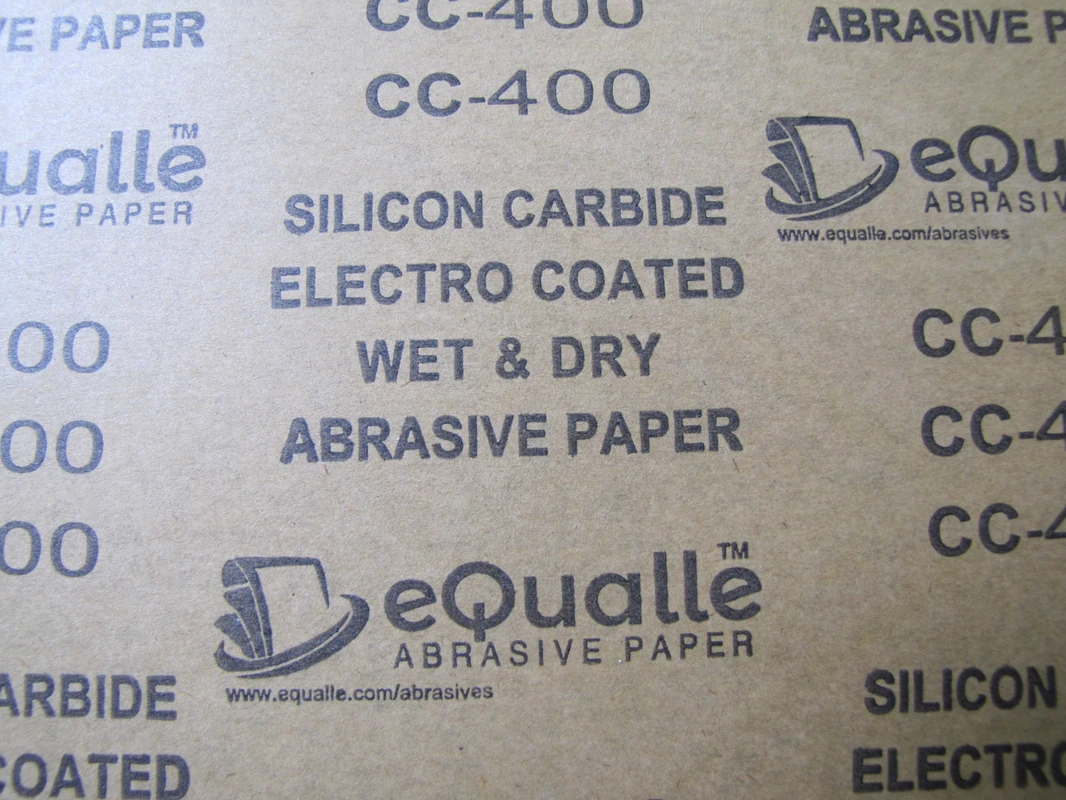
240 Grit Sandpaper Sheets (10-pack) — 9x11 in Silicon Carbide Abrasive for Wet or Dry Use — Light refinement grit that blends sanding marks and smooths primer layers. Perfect for wood, resin, or plastic before lacquer application. Produces consistent scratch patterns and controlled results when used wet or dry. (Professional Grade).
Frequently Asked Questions (FAQ)
Q: Why use a figure‑eight instead of straight strokes?
A: The figure‑eight spreads pressure across the pad and constantly changes direction, which prevents end‑of‑stroke digs, hides scratches under primer, and blends highs and lows more evenly than straight passes.
Q: What grit should I start with on drywall seams?
A: Begin with 120 grit screen if you have noticeable ridges, then move to 150–180 paper to refine. Save 220 for small touch‑ups after priming, not for full walls.
Q: How do I avoid swirl marks showing through paint?
A: Keep the head flat, use light pressure, and finish with a finer grit (150–180). Use raking light as you sand. The figure‑eight creates a blended scratch pattern that primer fills cleanly.
Q: Can I use a random orbital sander on drywall?
A: It’s possible for small patches with very light pressure, but it’s easy to gouge and leave circular scratches. A pole sander with a figure‑eight motion is safer, flatter, and more controllable on large areas.
Q: How close can I get to corners with a pole sander?
A: Stop 8–10 inches short. Switch to a hand sander or corner sponge to blend into the corner without scuffing adjacent walls or fraying the tape edge.