
Denibbing Mastery with Ultra Fine Sanding Sponge
The shop was quiet except for the gentle hum of the dust extractor and the tick of cooling lights. I’d just laid the final coat on a black cabinet door—high-gloss lacquer, deep and mirror-like. It looked perfect under the booth lamps… until I rolled it into raking light. There they were: tiny raised specks scattered like stars—dust nibs. No drama, no panic. I’ve been here before. This is where an ultra fine sanding sponge earns its keep. It doesn’t scream for attention like a sander or a buffer; it just quietly, precisely knocks down the dots that ruin a perfect finish.
If you’ve ever polished a guitar body, sprayed a kitchen of cabinet doors, or cut and buffed fresh automotive clear, you know the feeling. A nib is small—a stray bit of dust that settled as the finish set—but it grabs light and ruins the reflection. Leveling the entire surface is overkill. You don’t want to chase a nib with a hard block and risk a low spot or burn-through. You want the smallest tool that fixes the smallest flaw. That tool is an ultra fine sponge abrasive: flexible, forgiving, and controlled.
I like to walk my first pass with a flashlight held at a shallow angle, blue tape in hand. Mark the nibs; no guessing. Then I hydrate the sponge—just damp for wood finishes, wetter for clears and enamel—so it glides rather than cuts aggressively. Light hand, short strokes, feathered blends. The nib vanishes, and the surrounding sheen softens. That’s the point: remove the bump, not the whole hill. Then I refine with a finer sponge or polish to bring back the gloss. Done right, nobody will ever know there was a nib there. They’ll just see the finish you meant to lay down in the first place.
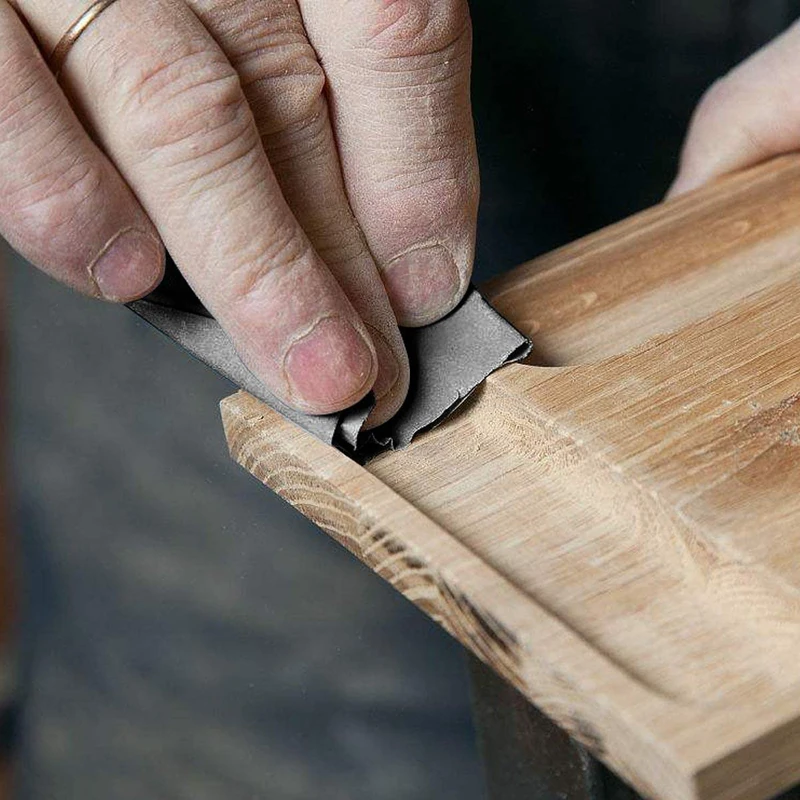
Quick Summary: Denibbing uses ultra fine sponge abrasives to shave down dust nibs precisely, blending and refining the area without flattening the entire surface.
What Denibbing Really Means
Denibbing is targeted micro-leveling—removing tiny raised defects (dust, lint, overspray dots) without leveling the surrounding finish. Unlike full-surface sanding, where you uniformly flatten orange peel, runs, or texture, denibbing is about precision. You identify a single bump, knock it down with control, and blend the area so the repair disappears into the existing sheen.
The enemy here is impatience. A nib is small; it needs only a small response. If you hit it with a hard block and 800-grit, you’ll create a flat spot that telegraphs through the reflection. If you grab a rotary, you might heat the peak and drag it—worse. Foam-backed, ultra fine abrasives are ideal because they cushion your pressure, conform around curves, and generate ultra-shallow scratch patterns that are easy to polish out.
Where denibbing excels:
- Fresh automotive clear coats where small dust bumps mar the mirror finish.
- Lacquered furniture and cabinet doors, especially in dark, high-gloss colors.
- Painted interior doors and trim with specks that catch light.
- Varnished or polyurethane tabletops with nibs from airborne dust.
You’ll often see pros combine a denibbing blade with sponge abrasives. The blade decaps the bump—just removes the “head”—and the sponge levels and blends the micro-high spot left behind. Grits typically run 1500–4000 for this job, but the exact grit depends on the finish hardness and how you plan to polish afterward. The goal isn’t to remove material; it’s to remove the obstruction and restore the continuity of light across the surface. That’s why denibbing is more about feel and finesse than force.
Choosing the Right Sanding Sponge Grits
Selecting the right sanding sponge is about matching grit, foam density, and lubrication to your finish. Think of grits in denibbing as a two- or three-step ladder: cut the bump, refine, then blend back to your sheen.
- Initial cut (soft knockdown): 1500–2000 grit. Use a medium-density foam that won’t collapse under finger pressure. This grit will flatten the bump quickly but won’t carve deep tracks that demand heavy polishing later.
- Refinement: 2500–3000 grit. This is your blending workhorse. It erases the initial scratch and expands the transition zone slightly to avoid a visible “island” of gloss change.
- Pre-polish or sheen tune: 4000–5000 grit (or ultra-fine soft pads). For gloss finishes, this step makes the compound’s job faster. For satin/eggshell, 3000 alone may be enough to hide your tracks.
Foam matters. Open-cell foam holds water or lubricant and keeps the abrasive from grabbing, which is crucial for fresh paint and clear coats. A thinner, firmer sponge gives more contact feedback on flat panels; thicker, softer foam is safer on contoured parts like crown moldings or guitar edges. Double-sided sponges offer two grits in one block and stay flatter longer, which helps when you’re aiming for perfection across large, glossy areas.
Wet vs. dry: Wet sanding with a sponge dramatically reduces dust and keeps scratches shallow. For water-sensitive finishes (some shellacs or waterborne polys over open-pored woods), substitute a naphtha- or mineral spirits-dampened wipe and dry-sand lightly. Always test a small area; some finishes soften if they haven’t fully cured and will ball up under friction.
Practical sequences I use:
- Fresh auto clear: 2000 to cut, 3000 to refine, then compound/polish.
- High-gloss lacquer: denib blade, 2000, 3000, 4000, then fine polish.
- Satin polyurethane: denib blade, 3000 only, then scuff pad to match satin.
Remember: the coarser you start, the more you’ll polish later. Start as fine as you can while still making progress.
Pro Setup: Light, Lube, and Cleanliness
Denibbing is surgical work, so set the stage like a surgical suite. Your best friend is raking light—LED bars or a handheld light swept low across the surface will reveal every bump and halo. Mark each nib with a small ring of low-tack tape. That way, you don’t “keep looking” and oversand areas that were already clean.
Cleanliness is half the job. Any stray grit between your sponge and finish becomes a wild card scratch. Blow off or vacuum first; then wipe with a clean, lint-free microfiber. If you’re wet sanding, use clean water with a drop of dish soap to reduce surface tension and help the sponge glide. For solvent-sensitive finishes, swap in a dedicated sanding lubricant or a quick-flash solvent like naphtha on a cloth, and keep the sponge only slightly damp.
On hardness: A softer finish (fresh enamel or lacquer under 48 hours) will cut faster. Use lighter pressure and finer grits; let the abrasive do the work. A fully cured 2K clear coat or conversion varnish is harder; start at 2000 and add lube to prevent sticking. Avoid edges and high points—they heat faster and burn through quickly. If you must nib an edge, back the sponge with a soft interface and angle strokes away from the edge.
Actionable setup tips:
- Use painter’s tape to flag nibs and to guard adjacent edges.
- Pre-soak sponges for 1–2 minutes, then squeeze to damp—never dripping.
- Wipe and re-lube every 10–15 strokes; a loaded sponge scratches.
- Keep separate sponges for wood and automotive work to avoid cross-contamination.
- Hold your light low and move it as you sand so you can watch the nib disappear in real time.
Tool makers publish guidance on foam density and grit ranges; their charts are worth a glance when you’re dialing in a system. According to a article, pairing ultra-fine abrasives with the right foam interface helps maintain cut while controlling heat—exactly what we want for delicate denibbing.
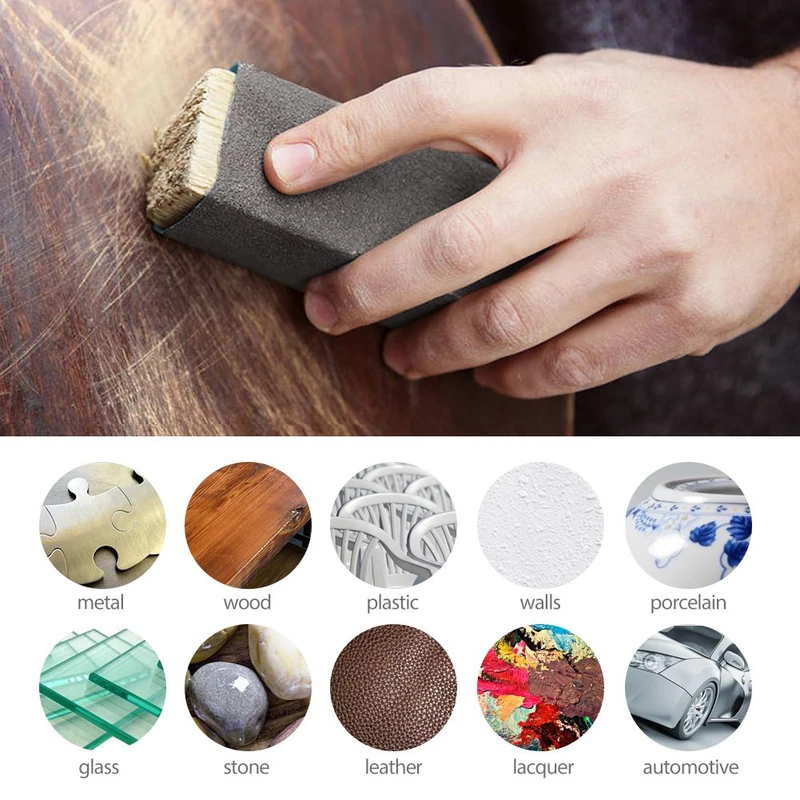
Denibbing Techniques for Wood and Paint
Here’s my field-tested routine that works across lacquer, polyurethane, varnish, and automotive clear.
- Identify and decap
- Under raking light, mark the nibs.
- Use a denibbing blade or a brand-new razor held nearly flat, 5–10 degrees off the surface, to shave just the peak. One or two gentle passes. You should feel the bump disappear, not dig a trench.
- Wipe clean to confirm the bump is lower but still visible as a tiny blemish in the reflection.
- Sponge knockdown
- Choose 1500–2000 grit on a medium foam sanding sponge, dampened.
- Using two fingers on the sponge face, make short, controlled strokes across the nib with minimal pressure. Think “erase” more than “sand.”
- After 8–12 strokes, wipe dry and check under the light. Repeat until the bump is flush. Avoid rocking—keep the sponge flat so you don’t dish the area.
- Refine and blend
- Move to 2500–3000 grit, slightly enlarge the working area (about a business card around the nib).
- Use crosshatch strokes—five passes north-south, five east-west—to keep things even.
- For satin finishes, stop here and burnish lightly with a gray scuff pad to restore the matte.
- Restore gloss (if applicable)
- For high-gloss surfaces, follow with 4000–5000 grit or go straight to a fine compound and a soft foam hand pad.
- Polish just beyond your denib area to feather the gloss transition. Finish with an ultra-fine polish if you can still see haze in raking light.
Material-specific notes:
- Lacquer and shellac soften with heat. Keep it cool, wipe often, and avoid dry friction. Short, light passes win the day.
- Waterborne polys can swell if over-wet. Use a barely damp sponge and dry immediately.
- Automotive clear has more “elastic” feel; it tolerates wet better. Use soapy water and keep the panel clean to avoid rogue scratches.
Cure time matters. Denib too soon and the finish will smudge or pill; too late and you’ll work harder than necessary. As a rule: lacquer/shellac 24–48 hours; 1K enamel 48–72 hours; 2K clear 12–24 hours; waterborne poly 48–72 hours—always check the tech sheet and your environment.
Blend, Polish, and Sheen Control
The art of denibbing doesn’t end when the bump is gone; it ends when nobody can tell you were there. That means matching the surrounding sheen and texture. Your approach changes with the finish type.
High gloss: After refining with 3000 or 4000, switch to a fine finishing compound on a soft foam hand pad or a dual-action sander set to low with a 3-inch interface pad—no pressure. Work a small halo around the repair, then finalize with an ultra-fine polish to restore clarity. If you can still trace your sanding footprint under raking light, your compound is too aggressive or you need a brief pass with 4000–5000 grit first.
Satin and eggshell: Avoid compounds—they’ll spike gloss and telegraph a shiny spot. Instead, finish your denib with 3000 and then even the area using a non-woven scuff pad that matches the original sheen (gray for satin, white for eggshell burnish). Move your strokes in the same direction as the original grain or spray pattern. If the area gets too dull, lightly buff with a clean microfiber to lift the sheen.
Open-pore wood: Be cautious with wet sanding; moisture can raise grain locally and leave a “witness ring.” Dry sand with a very lightly dampened sponge, keep passes minimal, and chase immediately with a scuff pad to blur the transition.
Edges and profiles: If a nib is perched on a sharp edge, resist the urge to chase it aggressively. Protect the corner with two layers of tape, and approach with a 3000-grit sponge angled away from the edge. Sometimes the correct call is to leave a tiny speck rather than risk a burn-through that forces a respray.
Final checks: Clean the panel thoroughly, blow it off, and inspect under multiple light angles—raking, overhead, daylight if possible. Rotate the piece and step back. If your eye doesn’t catch a halo within a couple of seconds, you’ve nailed the blend. The best denib is the one that disappears into the job.
Wet Sanding Sponge — Video Guide
Before we wrap, there’s a concise test worth noting: a reviewer runs a standard wet sanding sponge over drywall and plaster patches to evaluate dust control and finish quality. The takeaway is simple—dampening the sponge dramatically reduces airborne dust and leaves a smoother, more controllable surface.
Video source: Wet Sanding Sponge (Drywall)
280 Grit Sandpaper Sheets (100-pack) — 9x11 in Silicon Carbide Abrasive for Wet or Dry Use — Fine abrasive for leveling varnish or clear coats with precision. Creates a refined surface before high-gloss finishing. Performs reliably on wood, resin, or painted materials in wet or dry conditions. (Professional Grade).
Frequently Asked Questions (FAQ)
Q: What grit should I start with for denibbing a glossy finish?
A: Start as fine as you can while still making progress—typically 2000 for the initial knockdown, then 3000 to refine, and 4000–5000 before polish on high gloss.
Q: Can I dry-sand with an ultra fine sanding sponge?
A: Yes, but keep pressure very light and wipe often. Dry sanding cuts faster and runs hotter, so it’s riskier on soft or fresh finishes. Damp sanding is safer and cleaner.
Q: How long should I let a finish cure before denibbing?
A: Lacquer/shellac: 24–48 hours; 1K enamel: 48–72 hours; waterborne poly: 48–72 hours; 2K clear: 12–24 hours. Temperature and humidity matter—when in doubt, wait longer.
Q: How do I avoid burn-through on edges and raised details?
A: Double-tape edges, use a soft foam interface, angle strokes away from corners, and use finer grits (3000+). Short, light passes and frequent checks are key.
Q: How do I clean and store sponge abrasives for reuse?
A: Rinse under warm water while flexing the foam to flush out debris. For solvent-compatible jobs, a quick rinse in mild soap helps. Air-dry flat and store dust-free in zip bags, labeled by grit and use (wood vs. paint).