
Dustless sanding with HEPA bags for drywall dust
The first time you sand fresh drywall, you learn how sneaky the dust can be. It drifts like fog—settling in coffee cups, clinging to jackets by the door, finding its way into rooms you never even entered. A weekend project becomes a week of wiping, vacuuming, and still catching a powdery haze in the afternoon sun. If you’re living in the space you’re renovating, the frustration is double: family life doesn’t pause while you sand. That’s why the right setup—pairing a vacuum bag with a true HEPA filter and a sander built for dustless sanding—changes everything. It’s not just cleaner; it’s calmer. You notice the shift the first time you turn off the sander and the air looks the same as it did before you started.
This guide is the practical, tested version of what works: the bag-plus-HEPA combination, the tools that actually capture dust at the source, and the small adjustments that prevent drywall dust from becoming a whole-house problem. Whether you use a drywall pole sander with an extraction port or a powered head sander, you’ll get clear steps for choosing filters, sizing your vac, and sealing your system so particles don’t sneak past. The result is work that looks professional, cleanup that takes minutes—not hours—and a space that stays livable while you build it.
Quick Summary: Pair a HEPA-rated filter and a HEPA vacuum bag with a sealed dust extractor and a compatible drywall sander to capture dust at the source and keep your home clean.
Why drywall dust is hard to control
Drywall dust is unusually fine—think talc-like powder with a mix of gypsum, paper fiber, and additives. Those particles stay suspended in air longer than you expect, which explains why dust shows up far from the work zone. Standard vacuums and basic filter bags let fine particles pass through or blow them back out the exhaust. Even when your shop vac “looks” like it’s working, the smallest bits can ride the airflow straight through sub-par filtration and into your living space.
There’s also the challenge of volume. Sanding a single room can produce a surprising amount of dust. If your vacuum’s airflow (CFM) and static pressure (water lift) are mismatched to the sander—especially powered drywall sanders with large heads—the system can’t keep up. That’s when you see dust pluming around the sanding head or drifting out of hose connections.
Another factor is clogging. Drywall dust packs filters quickly, which reduces airflow and hurts capture efficiency. As airflow falls, dust escapes. The fix isn’t just a stronger vacuum; it’s a smarter filtration chain: a disposable HEPA-rated bag that captures the bulk, paired with a true HEPA cartridge that traps the finest particles. Add good seals and anti-static hoses to prevent leaks and clinging. With the right setup, the sander’s shroud becomes a capture hood, the hose moves air without bottlenecks, and the bag-plus-HEPA combo keeps what you collect locked in.
Dustless sanding setups that actually work
Dustless sanding is a system built from compatible parts. Start with the sander. A drywall-specific sander (handheld or pole-style) with a fully skirted shroud and perforated pad is designed to draw air through the abrasive and across the wall surface. Mesh abrasives (instead of closed-coated paper) allow airflow through the grit itself, reducing clogging and improving capture.
Next is the vacuum. A dust extractor or shop vac rated for fine dust should deliver steady CFM and have a sealed design. The key is filtration: run a HEPA-grade cartridge filter plus a HEPA vacuum bag at the same time. The bag acts as a pre-filter that intercepts most dust, so the HEPA cartridge doesn’t load up immediately. This dual stage keeps airflow high and prevents the finest particles from re-entering the room.
Connections matter. Every joint is a potential leak: the sander-to-hose fitting, the hose-to-vac port, and the vac lid seal. Use snug, brand-matched adapters or tight universal couplers; reinforce with tape if needed. Anti-static hoses reduce cling and shocks that otherwise shake dust loose.
Finally, consider auto-start. An extractor that powers on with your sander keeps capture instantaneous and reduces the “lag cloud” when you forget to start the vac first. With these elements tuned, you can sand steadily without seeing dust beyond the shroud, and you’ll notice the vacuum bag filling while the filter stays comparatively clean.
Practical pairing:
- Drywall sander with ventilated pad + mesh abrasives
- 1.25–1.5 in anti-static hose (match the sander’s port)
- Sealed dust extractor with auto-start
- HEPA cartridge filter + HEPA disposable bag installed together
Choosing HEPA filters and bags
HEPA isn’t a vibe—it’s a specification. True HEPA filters capture 99.97% of 0.3-micron particles. That 0.3-micron size is important; it’s small enough to matter for drywall dust and represents the most penetrating particle size that challenges filters. Avoid “HEPA-type” or “HEPA-like” cartridges that don’t cite the 99.97% @ 0.3 µm standard.
Look for:
- True HEPA cartridge or pleated filter that fits your extractor model
- HEPA-rated vacuum bags designed for fine dust (not general debris)
- A gasketed lid and tight bag collar to prevent bypass
Use both the HEPA bag and the HEPA cartridge together. The bag is your workhorse; it traps the bulk of dust before air reaches the cartridge. Because the bag distributes dust over a large area, it preserves airflow longer and reduces filter loading. Replace the bag when it’s about 70–80% full—wait longer and airflow drops sharply. If your extractor has a filter-cleaning mechanism (manual or automatic), use it sparingly during drywall work; aggressive blasts can damage delicate HEPA media or create leaks if the filter is worn.
Flow matters too. Drywall sanders often want 100–150 CFM at the hose end. If your vacuum can’t maintain that while pushing through a HEPA bag and filter, the system won’t feel “dustless.” A short, smooth, appropriately sized hose (no constrictions, minimal adapters) helps. If you must run a long hose for ceilings, choose a larger diameter and keep bends gentle.
Care note: Store spare filters and bags in sealed packaging until use. Fine dust is unforgiving—handling HEPA media with dirty gloves can seed leaks you won’t see but will breathe.
According to a article

Setup, testing, and safety checks
Before you sand, prep the room and the system. Close doors, tape off returns, and set your HVAC fan to off while sanding to avoid pulling dust through the house. If you need airflow, create negative pressure: place a box fan in a window blowing out, and crack a second window nearby to bring in makeup air. This doesn’t replace capture at the source; it simply ensures any strays exit the space.
System test:
- Install your HEPA bag and HEPA filter. Double-check the bag collar is fully seated and the lid gasket is clean.
- Connect the hose and power on the vacuum with the sander off. Feel around joints for leaks; a whistling sound or dust smell is a red flag. Reseat or tape as needed.
- With the sander on but not touching the wall, check suction at the shroud. You should feel strong pull through the perforations.
- Make a few passes on a test area. If you see dust escaping, increase vacuum power, press the sander lightly to engage the shroud, and verify your abrasive is open-weave mesh.
Technique matters. Keep the sander flat, let the pad float, and avoid gouging edges. The more consistent your contact, the better the shroud seals and the less dust escapes. Progress from 120–150 grit for joints and 180–220 for finish passes; mesh disks resist clogging and maintain airflow.
Safety checks:
- Wear a well-fitted respirator (at least N95; P100 is better) while sanding and bag-changing.
- Empty the bag before it’s packed solid. Fold and tape the bag opening the moment it’s off the collar.
- Keep a clean “service zone” for filter changes—avoid stirring settled dust that can bypass the vac.
Small discipline here pays off: your space stays livable, your lungs protected, and your finish coat goes on a calmer, cleaner surface.
Field-tested tips for cleaner results
A few targeted habits will drive most of your dust reduction. These are practical, job-tested actions that complement the bag-plus-HEPA setup:
- Use mesh abrasives, always: They shed dust into the airflow instead of clogging. If your pad supports multi-hole paper only, switch to net-style with a backing pad.
- Maintain gentle vacuum power for delicate surfaces: Too much suction can pin the sander and scuff paper; many extractors have a bleed valve to fine-tune airflow without starving capture.
- Stage bag changes: Have a spare HEPA bag unwrapped and ready. When the in-use bag hits 70–80% full, change it immediately—don’t “finish the room” on a choked airflow.
- Seal every joint: A 2-inch strip of painters tape around each adapter takes 30 seconds and can prevent more dust than any upgrade.
- Work top to bottom, then detail: Ceiling first, then upper walls, then lower walls. Finally, hand-sand corners with a small vacuum-assisted detail head or a sanding sponge while the extractor hose hovers nearby.
H3: Troubleshooting common dust leaks
- Dust at the shroud edge: Switch to a fresh mesh disk, reduce pad pressure, or improve airflow (open the vac’s bleed valve slightly to avoid sealing too hard).
- Hose shocks or “cling”: Use anti-static hose and avoid dragging over carpets. A quick misting of the hose exterior with water reduces static temporarily.
- Filter fills too fast: If your HEPA cartridge loads despite the bag, you may be using a standard bag. Upgrade to a HEPA bag specifically rated for fine dust.
Consistency counts. Even small gaps or a single overfull bag can undo an otherwise “dustless” day.
After sanding: cleaning and air reset
Even a great dustless sanding system leaves trace dust in corners and on trim. The goal is to remove it without re-aerosolizing. Start with a careful vacuum pass using the same HEPA-equipped extractor. Use a soft brush nozzle on baseboards and outlet covers; keep the brush lightly in contact so particles go into the nozzle, not into the room.
Next, dry-tack rather than wet-wipe immediately. A microfiber cloth barely misted with water or a purpose-made tack cloth will lift the fine film without smearing gypsum into slurry. For floors, vacuum first, then a damp mop with frequent rinses. Avoid sweeping; it puts the smallest particles back into the air.
If you paused HVAC during sanding, give the room ten minutes with the window fan running after your vacuum pass to purge any remaining airborne particles. Replace or upgrade your room’s furnace filter if the system ran at any point during the job; drywall dust can overload inexpensive filters quickly.
Bag and filter disposal:
- Seal the used HEPA bag with tape immediately after removal.
- Place it in a contractor bag; squeeze out air gently and tie tight.
- Inspect the HEPA cartridge. If it’s visibly loaded, replace it. If not, leave it installed; tapping or blowing can damage the media and release captured dust.
Final inspection tip: Shine a raking light across walls to spot any sanding marks or remaining nibs. Touch up with a hand block while keeping the extractor nozzle a few inches away to capture the small plume. This is the last step before primer, and it’s the difference between “fine” and “flawless.”
Testing DUSTLESS Sanding — Video Guide
Curious how this looks in practice? In a recent video review, a creator puts a dustless drywall sanding tool through its paces, pairing it with a compatible dust extractor and highlighting what happens when airflow or filter choices are off. The test includes on-wall passes, close-ups of the sanding head’s shroud, and a look at debris capture inside the vacuum.
Video source: Testing DUSTLESS Sanding Tool - BUY or BUST?
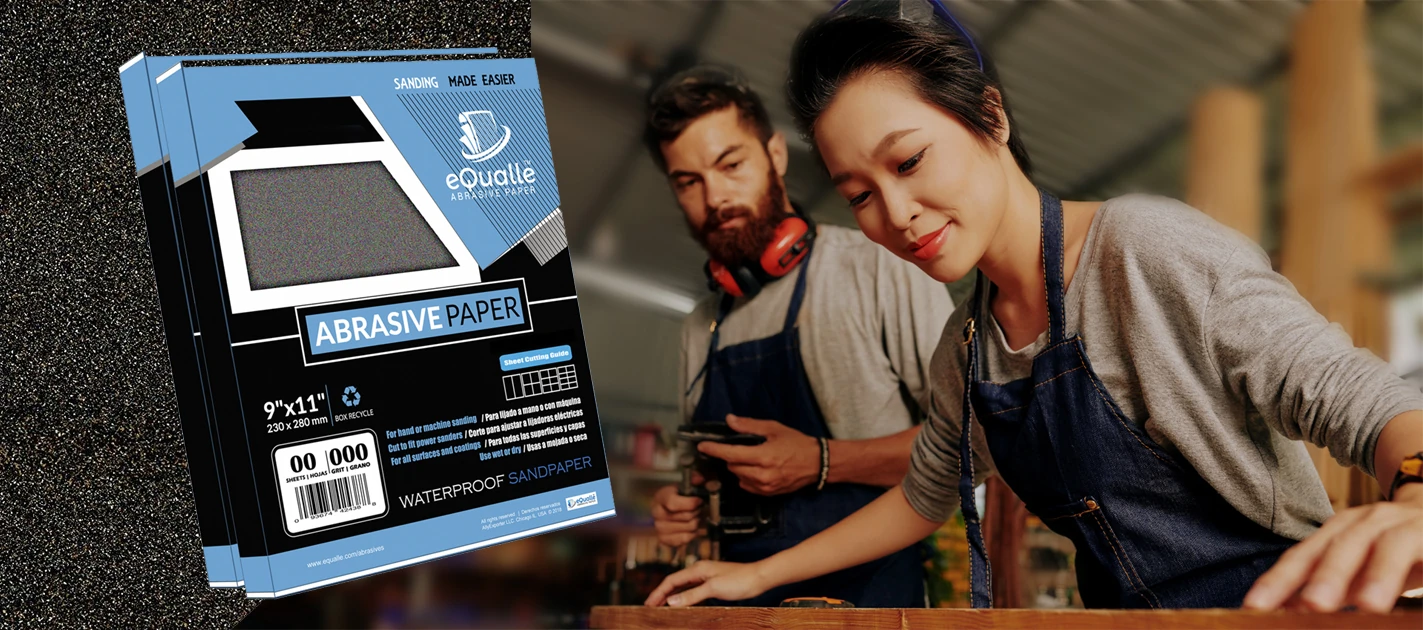
320 Grit Sandpaper Sheets (50-pack) — 9x11 in Silicon Carbide Abrasive for Wet or Dry Use — Precision finishing grit that enhances clarity between paint or lacquer coats, ensuring a flawless final layer. (Professional Grade).
Frequently Asked Questions (FAQ)
Q: Do I really need both a HEPA bag and a HEPA filter?
A: Yes. The HEPA bag captures most drywall dust before it reaches the cartridge, preserving airflow and preventing the finest particles from escaping. Running only one or the other reduces efficiency and can push dust back into the room.
Q: What’s the difference between HEPA and “HEPA-type”?
A: True HEPA is 99.97% efficient at 0.3 microns. “HEPA-type” has no standard definition and often underperforms with drywall dust. Look for a stated 99.97% @ 0.3 µm spec.
Q: How often should I change the bag during drywall sanding?
A: Replace the HEPA bag when it’s about 70–80% full. Waiting longer sharply reduces airflow, causing dust leaks at the shroud and stressing the filter.
Q: Can I use a regular shop vac for dustless sanding?
A: You can if it supports a true HEPA cartridge and HEPA-rated bags, has strong sealed suction, and uses tight, anti-static connections. Dedicated dust extractors add auto-start and better sealing, which make the process more reliable.
Q: What grit should I use to keep dust down without over-sanding?
A: Start with 120–150 for joint leveling and finish with 180–220 for smoothness. Use mesh abrasives to maintain airflow and reduce clogging, which improves dust capture.