
Trim Sanding: Scuffing Glossy Trim for Strong Adhesion
If you’ve ever run your fingers along a glossy window casing and thought, “There’s no way paint will stick to this,” you’re right—at least not for long without the right prep. I’ve walked into plenty of homes where a beautifully painted room is betrayed by peeling, nicked baseboards and door frames. The culprit is almost always the same: slippery, factory-smooth or oil-painted trim with zero mechanical bite. This is where trim sanding earns its keep. Done right, scuff sanding turns that slick plastic-like surface into a paint-friendly foundation that your primer and topcoat can lock onto.
Picture a Saturday morning: coffee on the sill, drop cloths draped like sails, and your trim gleaming with that unforgiving gloss that laughs at mediocre prep. Maybe the last painter promised a “bonding product” that would stick to glass—no sanding needed. Weeks later, a backpack scuffs the baseboard and the paint flakes off like eggshell. That’s a gut punch, and it’s avoidable. I’ve prepped thousands of linear feet of trim in occupied homes and dusty workshops alike, and the difference between a finish that lasts five years and one that fails in five weeks often comes down to one humble skill: a thoughtful scuff-sand.
Scuff sanding glossy trim isn’t about grinding to bare wood or reshaping profiles. It’s about making micro-scratches—uniform, controlled, and consistent—so that primer has something to hold onto. It’s tactile work: the drag you feel as the paper cuts, the way the sheen dulls evenly when you’ve covered a section, the gentle swoop over a cove or bead without flattening it. Yes, you can augment this with chemical deglossers and modern bonding primers, but those are complements, not substitutes, when you’re after professional-grade adhesion.
And here’s the good news: you don’t need a body shop’s arsenal to do this right. A couple grades of paper, a foam pad, a vacuum that doesn’t spit dust back at you, and a smart sequence will get you to clean, toothy trim that’s ready for primer. Whether you’re repainting oil-based enamel or knocking the shine off a prefinished casing, the approach is systematic and repeatable. Let’s gear up and do it once, do it right.
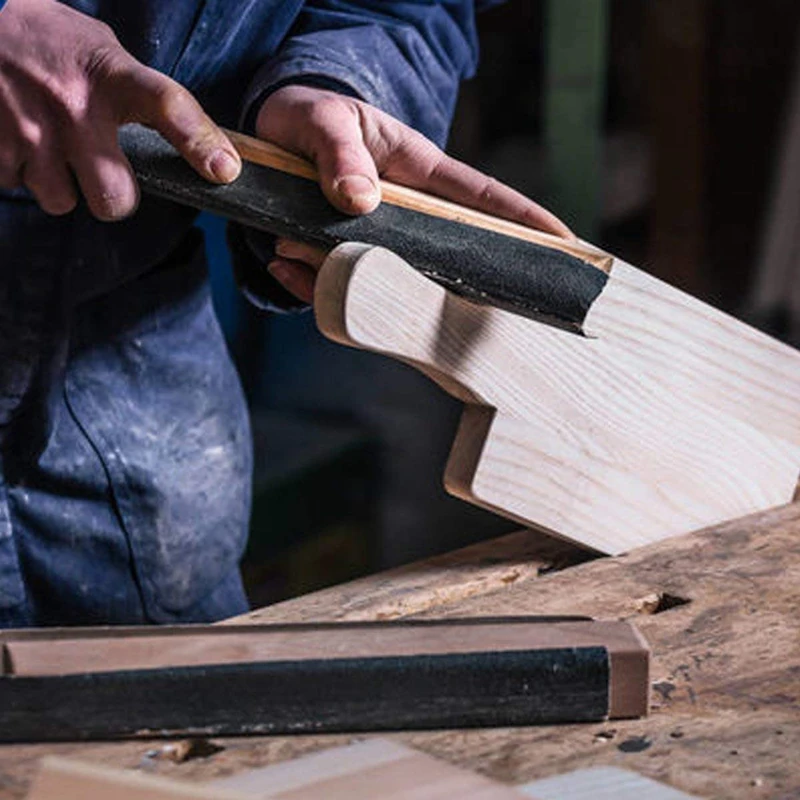
Quick Summary: Scuff-sand glossy trim with controlled, uniform abrasion (180–220 grit), keep the profiles crisp, vacuum thoroughly, and pair the scratch pattern with the right bonding primer for bulletproof adhesion.
Know your glossy opponent — trim reality check
Before you touch sandpaper, diagnose what you’re dealing with. Not all gloss is the same, and not all trim needs the same aggression.
- Pre-finished or lacquered trim: Often rock-hard and slick. You’re not removing the finish; you’re dulling it uniformly. Expect to spend a bit more time per foot creating a consistent scratch pattern.
- Old oil-based enamel: Common on doors and baseboards in older homes. It can be brittle and prone to chipping if you go too coarse. It’s also often contaminated with oils, furniture polish, or kitchen aerosols.
- Waterborne acrylics in good shape: These scuff quickly. You’re aiming for a light haze, not a full-on leveling pass.
Do a quick ID: rub a rag with denatured alcohol on an inconspicuous spot. If the finish softens, you’re likely dealing with shellac or waterborne; if nothing happens, it’s probably oil or catalyzed lacquer. If the home predates 1978, assume lead-based paint may be present and follow RRP-safe practices: no aggressive power sanding without containment, use a HEPA vac, avoid dry scraping, and keep dust under control.
Clean first. Scuff sanding over contaminants just grinds them into the finish. For kitchen and bath trim, I wipe with a degreaser or TSP substitute, rinse, and let dry. For general household grime, warm water with mild detergent does the trick. Then, and only then, sand.
What you’re looking for while sanding is visual and tactile feedback: a uniformly dulled surface with no glossy “holidays.” Use a raking light (a flashlight or work light at a low angle) to catch reflections. If you still see shiny patches after your first pass, that’s a signal to keep working lightly until the gloss is knocked down.
Pro tip: pencil-mark the high-gloss sections with light squiggles. When the pencil is gone and the sheen is evenly dull, you’re done. It’s a low-tech guide coat that keeps your effort consistent without over-sanding profiles.
Tools and abrasives for trim sanding
Let’s outfit the bench with tools that cut clean, avoid clogging, and protect the delicate shapes that make trim look sharp.
- Abrasive range: 180–220 grit for the primary scuff. Keep 150 on hand for stubborn high-gloss lacquers and 320–400 for between coats. Use stearated papers (anti-loading) to keep dust from gumming up.
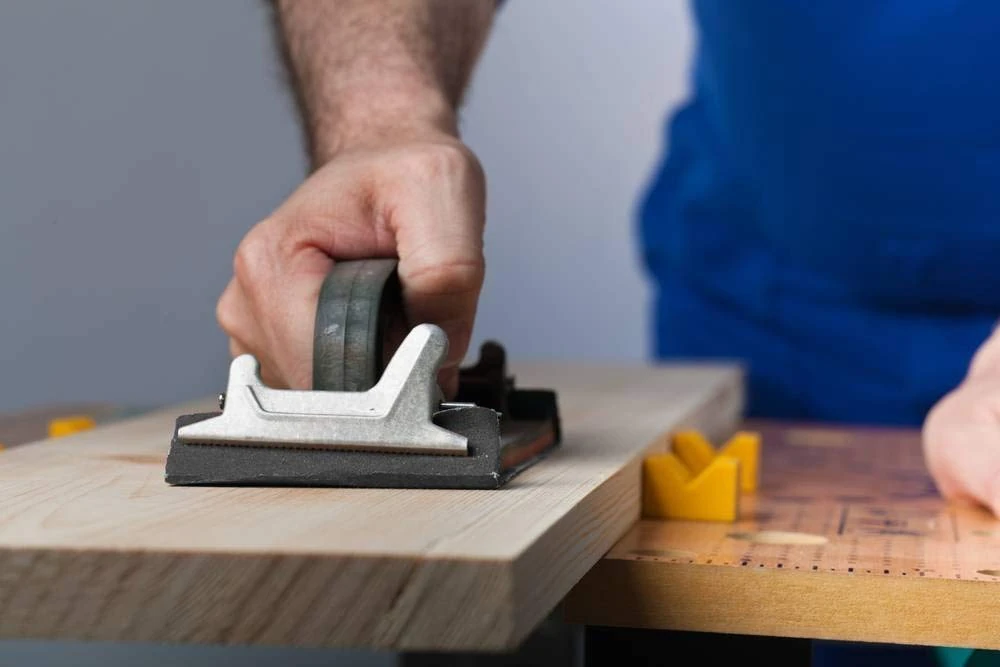
- Hand blocks and foam pads: A soft foam sanding block is gold on profiles—flexible enough to contour without flattening coves and beads. For wide, flat faces, a medium-density cork or rubber block keeps edges crisp.
- Non-woven pads: Maroon (very fine) and gray (ultra-fine) pads are excellent for getting into inside corners, ogees, and casing returns. They create a consistent scratch without the risk of sharp-edged cuts.
- Detail tools: A small profile sander or a 3x4” rectangular sander with a dust hose can speed flat runs of baseboard and door casings. Keep it on low speed and finish by hand to preserve details.
- Dust collection: A HEPA vac with an anti-static hose is the best shop assistant you’ll ever buy. If you’re hand-sanding, vacuum as you go; if you’re machine-sanding, connect the tool.
Three field-proven tips:
- Use raking light: Keep a small LED light at hip height to reveal remaining gloss so you don’t overwork what’s already dull.
- Break edges without rounding: One or two light passes on sharp door edges reduce chipping later. “Breaking” is not “rounding”—keep it minimal.
- Rotate abrasives often: The minute your paper stops cutting cleanly, swap it. A fresh 220 grit will cut faster and cleaner than a glazed 150.
If you’re building a dedicated trim sanding kit, toss in a sharp utility knife (to slice lifted caulk and stray paint), blue tape (to protect glass and delicate surfaces), and a small artist brush for dusting tight corners. Organization matters: a labeled tray for grits keeps you from accidentally stepping too coarse when you’re in the groove.
The scuff-sand workflow, step by step
A disciplined sequence prevents rework and keeps your profiles intact. Here’s the blueprint I use on glossy trim jobs, whether it’s one bathroom window or a full first floor.
- Protect and stage
- Remove hardware where possible. Mask hinges and latches if removal isn’t practical.
- Tape off adjacent walls lightly; you’ll cut a cleaner paint edge later if your tape line is accurate now.
- Lay drop cloths tight to baseboards and under sills. Keep a dedicated sanding drop you can shake out outside.
- Clean and dry
- Degrease, rinse, and let the trim dry completely. Moisture under dust can cake and smear, making sanding harder and less effective.
- Scuff the flats
- Start with 180–220 on a block for wide faces of casing and base.
- Light pressure, long strokes with the grain. Let the abrasive do the work.
- Watch the sheen: you’re aiming for an even dullness, not removal to bare wood.
- Hit the profiles and corners
- Switch to maroon non-woven pads or a foam-backed 220 on beads, coves, and inside corners.
- Avoid point pressure that flattens details. Wrap paper around a pencil or dowel to kiss small radiuses.
- Break the edges
- One light pass on exposed edges (door edge, baseboard top) reduces future chip points. Keep the profile crisp.
- Vacuum and inspect
- HEPA vacuum with a brush attachment, then wipe with a slightly damp microfiber. Avoid sticky tack cloths under waterborne finishes; they can leave residue.
- Prime smart
- Use a bonding primer suited to the substrate: acrylic bonding primer for slick finishes, pigmented shellac for stubborn or stained wood.
- Expect to lightly scuff again with 320–400 before your topcoat to remove raised nibs.
Four little habits that pay off big:
- Pencil squiggle as a guide coat on flats for even coverage.
- Cross-hatch on stubborn gloss: a few diagonal passes then finish with the grain.
- Keep your hand flat. Fingertip pressure creates grooves; the block spreads force evenly.
- If dust cakes on your pad, you’re pressing too hard or the surface isn’t clean—reset.
According to a article
Some painters report success with high-grab primers on glossy substrates, but when long-term durability is the goal, mechanical tooth from scuff sanding stacks the deck in your favor. My own callback rate dropped to near-zero when I made “clean, scuff, prime” a non-negotiable sequence.
Dust control, cleanup, and adhesion checks
Dust is the silent job-killer on trim work. It hides in profiles, rides along your brush, and telegraphs into your finish as roughness. Treat dust management as part of the sanding process, not an afterthought.
- Work clean zones: Sand one room, vacuum that room, then move to the next. Avoid bouncing around; dust follows you.
- Vacuum as you go: Park the HEPA vac within arm’s reach. After each section—say, a window assembly—vacuum the trim and your sanding block. Dusted abrasives cut better.
- Mind the air: If you’re in a small space, crack a window and use a small fan blowing out. Avoid powerful fans that stir up settled dust; you want gentle, steady exhaust.
After vacuuming, inspect with raking light. Sight down the trim and look for any remaining glossy specks or heavy scratches. If you see a patch that still flashes back at you, hit it again with 220; if you see a heavy scratch from a rogue coarse grit, touch it with 320 to blend.
A quick adhesion check after priming is worth the extra 15 minutes. Once your primer is fully dry, apply a strip of quality painter’s tape, burnish lightly, and pull sharp. If you see primer lift, that’s a signal something was off: contamination, insufficient scuff, or a mismatch between primer and substrate. Correct now, not after two topcoats.
Cleanup isn’t just about tidiness. Dust left on the floor becomes airborne when you move your ladder or step, and finds your fresh paint. Use a slightly damp microfiber on hard floors after vacuuming, and a tack rag only on solvent-friendly systems. For waterborne topcoats, I prefer a clean, lint-free damp cloth over tack rag to avoid residue.
Two pro guardrails:
- Gloves off when you’re done sanding. Skin oils can transfer to freshly dulled surfaces and reduce adhesion, especially on high-touch areas like handrails and door stiles.
- Give the primer time. Rushing topcoat onto tacky primer traps solvents and weakens the bond. Follow the can—plus a little patience if humidity is high.
Primers, edges, and tricky profiles
Once you’ve built a perfect scratch pattern, the primer choice locks the deal. Match the chemistry and your environment.
- Acrylic bonding primers: Great for previously painted glossy trim, PVC, and composite materials. They stay flexible and grip tight to slick surfaces.
- Pigmented shellac: My go-to for tannin-prone woods and unknown legacy coatings. Fast-drying, sands like a dream, and sticks like nothing else. Ventilate well.
- Alkyd bonding primers: Useful where you need extra hardness under trim enamels, especially in high-traffic areas.
Application tips:
- Feather caulk sparingly: Over-caulked profiles look cheap. Sand first, then caulk only where gaps persist, wiping smooth with a damp finger or caulk tool. Let it cure per specs before priming.
- Brush selection matters: For waterborne primers, a high-quality synthetic brush delivers smoother results on profiles; for shellac, a natural bristle or disposable chip brush can work, but expect to sand lightly after.
- Prime edges and returns: Those little terminations at casing returns take abuse. Ensure they’re sanded, cleaned, and primed so your topcoat doesn’t chip the first time a vacuum bumps it.
Dealing with tricky shapes:
- Rosettes and plinth blocks: Use gray non-woven after a quick 220 pass on flats. Work in small circles, then finish with the grain lines to keep scratch patterns invisible under paint.
- Bullnose and beads: Wrap 220 around a soft foam pad or a piece of pipe that matches the radius. Light pressure, full contact.
- Inside corners: Fold 220 so the abrasive faces out on both sides, then run a couple light, with-the-grain passes. Follow with maroon pad to unify the scratch.
Between coats, plan for a 320–400 grit kiss to knock nibs and dust, not to reshape. Wipe, then tack lightly if your system allows it. Your final topcoat will level better and feel like factory-finished trim—without the factory.
How to Properly — Video Guide
There’s a concise video walkthrough by an experienced finisher demonstrating how proper sanding sets up a long-lasting paint job. The focus is on technique—pressure, grit selection, and maintaining profiles—rather than brute force.
Video source: How to Properly Sand Trim
360 Grit Sandpaper Sheets (25-pack) — 9x11 in Silicon Carbide Abrasive for Wet or Dry Use — Ultra-controlled abrasive for gentle refinement and removing faint imperfections before clear coating or buffing. (Professional Grade).
Frequently Asked Questions (FAQ)
Q: What grit should I use to scuff sand glossy trim?
A: For most glossy trim, 180–220 grit creates the right mechanical tooth without gouging. Reserve 150 for ultra-hard factory finishes and 320–400 for between-coat smoothing.
Q: Do I need to sand if I’m using a bonding primer?
A: I recommend it. Bonding primers are excellent, but a uniform scuff dramatically reduces the risk of chipping, especially on edges and high-touch areas like doors and casings.
Q: How do I avoid rounding over trim profiles while sanding?
A: Use foam-backed pads on curves, keep a sanding block on flats, and apply light, even pressure. Let the abrasive cut—don’t bear down with your fingertips or you’ll flatten details.
Q: Is chemical deglosser a substitute for sanding?
A: Consider it a supplement, not a substitute. Deglossers help with cleaning and softening slick finishes, but a controlled scratch pattern from scuff sanding remains the most reliable path to adhesion.
Q: When should I sand between coats of paint on trim?
A: After primer dries and again between topcoats, do a light pass with 320–400 grit or gray non-woven to remove nibs and dust. Vacuum and wipe before recoating for a factory-smooth finish.