
Mesh vs Paper: Smarter drywall sanding choices
The room looked “almost done” until the afternoon sun told the truth. At the right angle, every joint flashed like a topographical map—hills where the seams had been floated, valleys where a quick pass had cut too deep. You run a palm across the wall and catch a ridge you swear you leveled yesterday. In that everyday moment—standing in a half-finished room with a bucket of joint compound somewhere nearby—you’re bumping into the quiet craft of drywall sanding. That’s when the big question lands: mesh or paper?
Both can get you to a paint-ready surface. Both can also make a mess of it. Mesh screens feel forgiving at first: they don’t clog easily, they pair well with vacuum sanders, and they’ll cut fast if you’ve kept your mud flat. Paper (cloth- or paper-backed sandpaper) feels more traditional—slightly smoother, better at keeping tiny scratches in check, and easier to control along edges and bead. The choice is less about brand loyalty and more about the stage of the job, the compound you used, and your dust control. “What should I grab today?” is really “What do I need the abrasive to do right now?”
Whether you’re finishing a nursery or tightening up a rental turnover, smart sanding choices save hours—and protect the finish you’ve already built with a knife and pan. This guide walks you through mesh versus paper for sanding drywall joints, the right grit at the right time, the tools that keep dust down, and the small technique changes that make your last coat look like it was your third try, not your thirteenth. We’ll keep it practical, so your next pass with the sander leads straight to primer, not another round of patching.
Quick Summary: Use mesh for fast leveling and dust extraction between coats, paper for refined final passes and crisp edges—then match grit, tools, and light to avoid over-sanding.
Mesh vs paper: what truly differs
Both mesh screens and paper abrasives are means to the same end—a flat, paint-ready joint—but they behave differently in your hands.
Material and cut: Mesh is an open grid of abrasive fibers. It cuts aggressively, stays cleaner longer, and works exceptionally well with vacuum sanders because air moves through the openings. Paper (or cloth-backed paper) is a solid sheet; it tends to cut slightly smoother and, at the same grit number, can leave fewer stray scratches. If you’ve got subtle waves to knock down, mesh’s consistency helps, but if you’re chasing “no visible scratch” under harsh light, paper earns its keep.
Clogging and compound types: Lightweight all-purpose and dust-control compounds are soft and can clog paper, especially at finer grits. Mesh resists clogging here, which is why many pros run mesh between coats. On harder setting compounds (“hot mud”), a fresh paper sheet can track evenly without loading, while dull mesh can burnish the surface instead of cutting.
Edge control: Inside corners, around bead, and tight patches demand precision. Paper, especially when wrapped around a hand block or sponge, gives crisp feedback. Mesh can snag on bead edges and fray if you catch a corner. If you’ve ever left a faint grid pattern near a light source, that’s mesh telling on you.
Durability and feel: Mesh often lasts longer per sheet because dust sheds through it, but once the abrasive dulls, it glides without cutting—easy to miss until you realize you’ve made ten passes with little change. Paper may load quicker, but swapping in a fresh sheet keeps your cutting action predictable.
The bottom line: Use mesh to keep pace when you’re shaping and knocking down ridges—especially with dust extraction. Reach for paper to refine, blend, and protect your corners and reveals where the finish makes or breaks under paint.
Choosing abrasives for drywall sanding
Selecting between mesh and paper isn’t about allegiance—it’s about task, grit, and the gear you’re using. Here’s a clear way to decide.
Between coats (leveling ridges): Mesh in 120–150 grit excels. It keeps cutting through soft compound and resists clogging. Use a pole sander or a vacuum drywall sander to keep the plane true. Keep pressure light; let the grit, not your arm, do the work.
Pre-primer final pass (refining): Paper in 150–220 grit shines here. A 150–180 grit pass blends transitions; 220 is optional for a showpiece wall under raking light. This is where you protect edges and corner beads from accidental round-over.
Small repairs and touch-ups: A fine-grit paper sanding sponge (medium/fine dual-grit) gives you control without scratching adjacent paint as easily. Mesh cut squares can still be handy for flattening small ridges, but paper leaves the surface more uniformly dull, which reads better under primer.
Vacuum setup vs. hand: If you have a vacuum drywall sander, mesh is the obvious pairing due to airflow. For hand blocks and pole sanders with solid heads, paper adheres cleanly and lays flat, especially in finer grits.
Actionable tips:
- For a new seam with visible knife lines, start mesh 120 on a pole, then switch to paper 150 to blend the halo.
- Keep a bright raking light and a pencil: circle flaws, sand only what’s circled, then re-check. This prevents over-sanding flat areas.
- On outside corners, switch to paper 180 wrapped tightly around a small block; keep the block parallel to the corner to avoid rolling the bevel.
- If you see a grid ghost in the sheen, you’re pressing mesh too hard or using too coarse a grit—step to finer paper instead.
Whether you’re in a dust-sensitive home or a rough-out in a garage, this simple matrix—mesh for speed and extraction, paper for refinement—saves you from the classic trap of sanding more when you actually need to sand smarter.
Tools, grits, and technique
Great results come from pairing the right grit with the right motion and tool. Think of grits as stages, not a ladder you must climb every time.
Grit roadmap:
- 100–120: Aggressive. Use sparingly to knock down major ridges or high beads. Prefer mesh here, and keep the sander moving.
- 150: The workhorse grit for blending seams after the last coat dries. Works well in both mesh and paper depending on dust control.
- 180–220: Refinement. Paper is your friend here because it minimizes micro-scratches that telegraph under primer and paint.
Tools to match:
- Pole sander: Best for broad, flat areas. A flexible head helps follow slight contours without digging in. Use light pressure; think “polish,” not “grind.”
- Vacuum drywall sander: Pair with mesh for serious dust reduction and consistent cutting action. Keep the head flat; tipping the edge can gouge.
- Hand block: Precision blending around fixtures, windows, and corners. Paper gives better edge control here.
- Sanding sponge: Ideal for inside corners and quick touch-ups. Use light strokes to avoid compressing and burnishing compound.
Technique that prevents rework:
- Feather the halo: Sand 6–12 inches beyond the seam to blend the plane; avoid creating a flat spot in the middle and a ridge at the edge.
- Work the ridges, not the flat: Most of your effort should target the high spots. If dust isn’t forming, you might be on bare paper facing; stop.
- Follow the light: Position a bright, low-angle light across the joint. Sand until the shadow disappears rather than until “it feels smooth” by touch alone.
- Rest between passes: Let dust settle and inspect. Fresh eyes spot scratches and low spots earlier.
According to a article
Finally, don’t chase perfection with the sander that you could achieve faster with one more thin skim coat. If you’re seeing persistent waves after several passes, apply a tight, wide skim, let it fully dry, then return with 150-grit paper for a fast, clean blend.
Dust, health, and jobsite cleanup
Drywall dust is mostly fine gypsum and additives—light, pervasive, and surprisingly good at finding its way into HVAC returns and under doors. Keeping it under control isn’t just about courtesy; it’s about safety and finish quality.
Dust behavior and control: Mesh with a vacuum sander is the most effective way to keep airborne dust down while maintaining cutting power. Paper used on a hand block under a HEPA-ready vacuum with a hose attachment can also perform well, but it won’t move air through the abrasive like mesh does. Dust-control compounds help but don’t eliminate the need for capture.
Protect your lungs: Wear a well-fitted disposable respirator (N95 or better) or a reusable half-mask with P100 filters, especially in tight spaces. Eye protection matters—dust falls from ceilings, and a gritty eye will end your day fast.
Room prep: Tape off returns and supply vents. Close doors or hang plastic with a zip opening in occupied homes. Lay a drop cloth—fabric catches dust better than plastic, which just lets it skate. Keep a dedicated “dirty zone” for tools and a mat at the threshold to trap powder off shoes.
Clean as you go:
- Vacuum frequently with a HEPA-capable shop vac; don’t dry-sweep, which just lifts dust back into air.
- Wipe surfaces with a slightly damp microfiber—too wet and you’ll create paste; too dry and you just smear.
- Prime sooner rather than later. Primer locks in residual dust and highlights any last touch-ups before paint.
When to switch abrasives: If you’re working in a lived-in home, consider starting with mesh plus vacuum, then switch to paper 180 for the final passes to avoid residual grid marks under harsh lighting. In a new build with industrial air movers, mesh can carry you farther with less cleanup time.
Good dust management is a craft multiplier: it keeps your cuts consistent, your lungs clear, and your customer (or your future self) happy when the room goes from “powdery haze” to “paint-ready” without drama.
When do the — Video Guide
A seasoned finisher in this video explains a common mistake: most DIYers oversand. Instead of grinding every square foot, pros target only the high spots and transitions, using light, controlled passes that protect the flatness they created with the knife. The takeaway is timing—sand briefly between coats to knock down ridges, then perform one careful refinement pass before primer.
Video source: When do the PROS sand drywall? You're Probably OVER SANDING
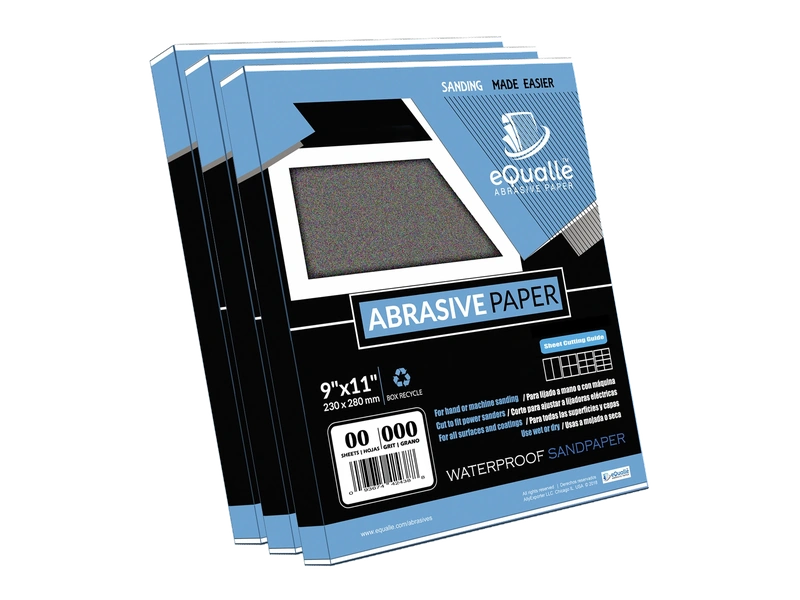
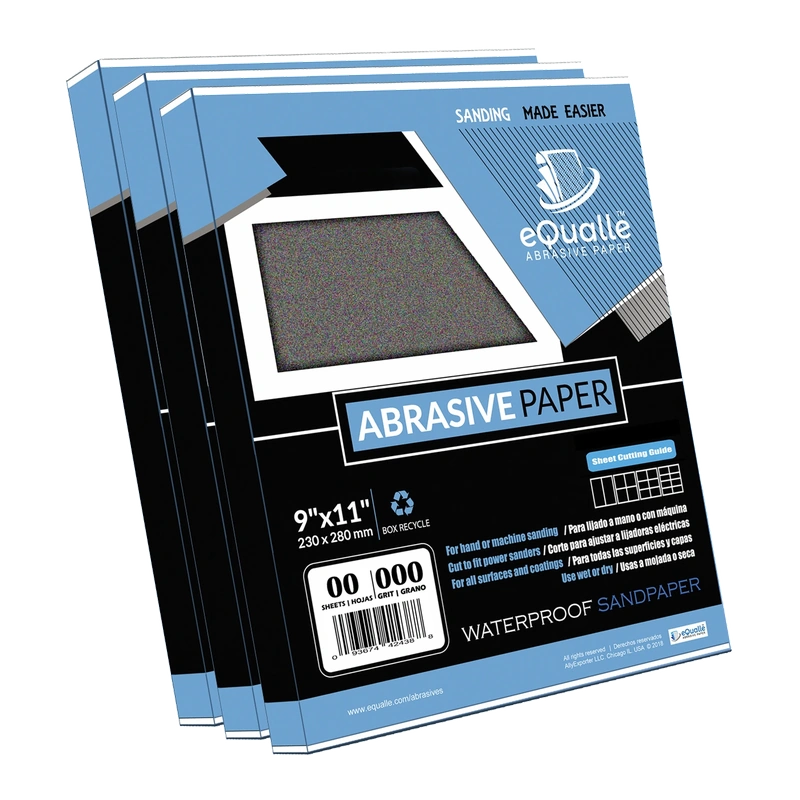
360 Grit Sandpaper Sheets (50-pack) — 9x11 in Silicon Carbide Abrasive for Wet or Dry Use — Precision grit for removing haze and small surface defects. Ensures scratch-free sanding on wood, plastic, or metal. Ideal for both wet and dry use before the polishing stage. (Professional Grade).
Frequently Asked Questions (FAQ)
Q: Is mesh better than paper for sanding drywall joints?
A: It depends on the task. Mesh excels between coats for knocking down ridges and controlling dust, especially with a vacuum sander. Paper shines in final refinement, delivering smoother scratch patterns and better edge control around corners and bead. Many pros use both: mesh for speed and extraction, paper for finish quality.
Q: What grit should I use for the final sanding before primer?
A: Most walls finish cleanly with paper in 150–180 grit. For high-visibility areas under raking light—or glossy paint—step to 220 for a last, light pass. If you can still see a “halo” or feel a ridge, correct with a thin skim coat instead of grinding with coarse grit, then refine with 150–180.
Q: Can I use wood sandpaper on drywall?
A: Yes, as long as the grit is appropriate and the paper cuts cleanly. Paper intended for wood often performs well on drywall in 150–220 grits. Avoid very coarse wood grits (80–100) except for removing major ridges, and switch to drywall-appropriate paper or mesh to keep scratches shallow and uniform.
Q: How do I reduce dust while sanding?
A: Pair mesh with a vacuum drywall sander for the best capture. If you’re using a hand block, connect a HEPA-capable vac and sand with paper using light pressure. Seal vents and doorways, use a raking light to target only what needs sanding, and vacuum frequently. Wear a respirator and eye protection in all cases.