
Taping and Masking for Headlight Restoration
You notice it the first time on a late drive home: the road ahead looks strangely dim, and the lane reflectors don’t pop the way they used to. You lean forward, squinting through the windshield as if that will squeeze a little more brightness from your lights. At the next stop, you step out and see it—your once-clear lenses now look cloudy, yellowed at the edges, tired. You search “headlight restoration,” find a few videos, and think: how hard can it be?
But then a second thought. You imagine sandpaper grazing the fender by accident. Overspray settling into the honeycomb grille. The thin chrome strip below the lamp—what if a finger-slip scuffs it? It’s a small worry that grows, especially if your car’s paint is in good shape. The actual polishing seems straightforward. The real art—and the difference between a nervous DIY attempt and a confident, craftsman-like job—is how well you tape and mask before you touch the lens.
That’s what we’ll focus on here. Before any sanding disc meets plastic, meticulous masking protects paint, trim, sensors, and seals. Thoughtful preparation saves you time and anxiety, and it lets you sand and coat with purpose, not fear. In the guide below, you’ll find exactly how to choose the right tapes and films, the sequence that pros use to seal off vulnerable areas, and practical tricks for crisp edges on curves. Whether you use a kit or go à la carte, proper masking is the quiet backbone of great headlight restoration—and it’s how you keep the rest of your car looking untouched.
Quick Summary: A pro-grade headlight restoration starts with careful taping and masking—use the right tapes, overlap methodically, protect curves and gaps, and remove tape at the right time for sharp, safe results.
Prep your workspace and plan the masking
A clean, well-lit setup makes masking easier and more accurate. Start by washing the front end of the car—bumper, hood edge, fenders, grille, and of course the headlight lenses. Follow with a paint-safe degreaser or isopropyl alcohol (diluted 1:1 with water) around the lamp perimeter. Tape adheres best to clean, dry surfaces; any wax, dirt, or bug residue will weaken adhesion and let water creep under during wet sanding.
Choose your environment. If you can, work indoors or in shade to avoid tape adhesive softening under sun and heat. A cool-to-the-touch surface temperature—ideally 60–80°F (16–27°C)—prevents tape from either failing to stick (too cold) or leaving residue (too hot). Good lighting matters: headlamps, a bright shop light, or even a focused flashlight reveals edges and gaps you need to protect.
Lay out your materials before you pull the first strip of tape: painter’s tape in two widths (1–1.5 inch for edges, 2 inch for wider margins), a roll of fine-line or flexible vinyl tape for tight curves, and either masking paper or pre-taped masking film to blanket larger areas like the hood lip and bumper fascia. If you use a restoration kit, the included tape is often adequate for edge protection, but adding wider tape and film enhances safety and speed.
Visualize the sanding path. Ask yourself: where will my fingers and paper naturally drift when I sand? Where might a pad edge or drill-mounted disc flinch if it catches? Place your first protective layers to intercept those exact hazards. Plan to leave 1–2 mm of lens exposure past the tape so you can reach the full face of the plastic without grinding against paint. It feels like you’re spending extra time, but that deliberate approach frees you to sand with controlled, even strokes later.
Practical setup tips:
- Park with the steering slightly turned to gain elbow room near the fender.
- Lift the hood to reveal the lamp’s top edge and create an easier masking angle.
- If the bumper curves under the lamp, raise the car on ramps for more working clearance.
Choosing the right tapes and films
Not all tapes behave the same when pressed against baked clearcoat, plastics, and rubber. For the perimeter, choose quality painter’s tape (automotive-grade or premium blue/green painter’s tape) with medium tack that removes cleanly. Keep at least two widths on hand—1 or 1.41 inch for tracing edges and 2 inch for a wider safety buffer. For very tight curves around lamp corners or intricate trim, fine-line vinyl tape (sometimes called “striping” or “layout” tape) bends smoothly without wrinkling and lays down a crisp barrier you can build upon with standard tape.
Avoid duct tape and packing tape. Their adhesives can transfer under heat and are too aggressive for today’s clearcoats and plastics. Also skip cheap generic masking tapes that dry out, tear on removal, or let water seep underneath. A few dollars saved on tape can cost you many more in cleanup or paint correction.
For broad protection, masking paper or pre-taped masking film speeds coverage. Masking paper is sturdy and resists tearing if a sanding pad brushes it. Pre-taped film has an integrated strip of tape that adheres along an edge and unfolds across a panel—ideal for covering the hood edge, fender tops, and bumper face in seconds. Static-cling films can also help, but always anchor them with real tape along edges facing your sanding path.
Tape performance depends on temperature and dwell time. Press tape down firmly (a “burnish” with a plastic squeegee or your gloved fingertip) to seal the edge, especially along curves. If you’re restoring in cooler weather, gently warm the tape and panel with a hair dryer to improve adhesion before wet sanding. If it’s hot, work in shade and keep your tape protected from direct sun.
Consider the substrate under the tape. Chrome strips, vinyl wraps, and plastic grille pieces can be more delicate than painted metal. Test a small area with your chosen tape, especially if the vehicle has fresh paint or aftermarket PPF (paint protection film). In those cases, lean toward low-tack, premium painter’s tape and avoid highly textured surfaces where tape can lift or leave residue.
Pro masking steps for headlight restoration
A clean, methodical sequence ensures coverage you trust while sanding, polishing, and coating. Use this pro-inspired order:
Establish the “primary edge.”
Lay a precise line of 1–1.5 inch tape right along the headlight’s perimeter, leaving a narrow 1–2 mm reveal of lens beyond the tape. Start at the top edge with the hood open to get a straight, clean reference. If the lens is deeply inset or has a tight radius corner, switch to fine-line vinyl tape to trace the curve without pleats.Overlap for a safety buffer.
Add a second band of tape overlapping the first by half its width. This creates a double barrier that resists wet-sanding splash and accidental pad contact. On exposed corners, add a third small “cap” piece extending diagonally from the corner to distribute any glancing pressure.Expand the protection.
Apply 2 inch tape or pre-taped film outward onto the hood lip, the bumper fascia, the fender, and the grille area. Think like water: wet sanding will sling droplets. Cover at least 8–12 inches around the lamp on all sides to prevent slurry from drying on paint texture or staining matte plastics.Seal seams and curves.
Where tape meets rubber gaskets or textured plastic, press the edge down firmly with a gloved fingernail or plastic card to minimize wicking. Place small relief cuts in tape (using a safe-cut tool or pulling the tape slightly) so it conforms without wrinkling. Wrinkles become channels for water.Protect the underside and inside edges.
If the lamp wraps under the bumper, run a tape “lip” underneath, or tape a small strip of paper under the lens and pull it taut to act as a splash guard. If there’s a gap between the hood and lens, bridge it with tape to stop sanding dust or spray from traveling inside.
Actionable masking tips:
- Use short tape segments around corners—3 to 4 inch pieces place more precisely than one long strip.
- Burnish every edge you’ll sand toward; a firm press prevents water ingress.
- Keep a microfiber to dry edges as you work; if tape lifts, pause and replace it.
- Mark the lens perimeter lightly with tape before sanding to avoid unknowingly crossing onto paint.
- Replace any tape that goes translucent from water; that’s a sign it’s losing adhesion.
According to a article
Edges, curves, and tricky gaps
Headlights aren’t perfect rectangles. They snake around fenders, dive under hood lips, and often sit next to soft rubber and textured plastics. Those features need special attention. Around tight radii, begin with fine-line tape as your first edge because it flexes without buckling. Lay it gently, then tug backward a touch to settle it into the curve. Follow with standard painter’s tape overlapping it to build thickness. This layered approach creates a strong barrier without the tenting that lets water creep through.
Rubber seals can be deceptive. They look tough, but coarse grit can feather them quickly, and dressing them after doesn’t always restore a clean factory edge. Seat tape slightly under the rubber lip if possible. Slide a thin plastic card under the seal and tuck the tape in by a millimeter or two, then withdraw the card. This “under-mask” protects both the rubber and the tiny paint edge it covers.
Grilles, sensors, and chrome accents also need strategy. On honeycomb grilles, tape alone tends to sag. Bridge the area with masking paper or film first, then reinforce edges with tape. For radar sensors and cameras near the lamp, cover them fully and avoid directing slurry or spray at them. Chrome or plated trim scratches if the sanding pad grazes it—place a third tape layer on chrome lines that run directly beneath or alongside the lens.
When dealing with uneven panel gaps, “rope off” with a pliable masking putty or soft foam backer rod pressed along the seam, then tape over it. The putty creates a raised dam that keeps water and slurry out of crevices. If a headlight’s top edge meets a hood with a sharp bevel, place a thin sacrificial strip of tape on the hood bevel, then overlay with your standard tape—this prevents the bevel from cutting through your barrier as you press down while sanding.
Finally, mind gravity during wet sanding. Water and slurry will run downward and wick into the weakest tape edge. Work from top to bottom and wipe often. Re-burnish any edge that starts to lighten or lift, and don’t hesitate to re-tape an area between grits. Masking is not set-and-forget; it’s active protection you tend throughout the process.
Safeguards while sanding and coating
With masking in place, adopt sanding and coating habits that respect your barriers. Start each grit by “feathering” onto the lens from the tape edge rather than pushing into the tape. Keep the pad flat and the pressure even. For machine sanding, use light pressure and let the disc do the work; a tilted edge can grab tape and hop onto paint. During wet sanding, control water with a spray bottle rather than a free-flowing hose. Light, frequent sprays keep the surface lubricated without flooding tape edges.
Every grit change is a tape inspection moment. Wipe down, check edges, and replace any sections that have swelled, lifted, or torn. If slurry builds along a seam, stop and clean it away—slurry left to dry can glue tape to paint or stain textured plastics. On a multi-lens front end (projector + DRL strips + side markers), complete one lamp at a time to keep your focus sharp.
Coating or clear application is its own masking challenge. Keep broad masking in place to catch overspray or drips, but plan for tape removal timing. If you’re applying a wipe-on ceramic or UV coating, maintain your tape edge through application to protect paint, then peel the perimeter tape carefully once the coating flashes but before it fully cures. Removing tape while the coating is “green” prevents a permanent ridge. For spray-on clears, some pros score the edge gently with a plastic-safe blade after full cure to release the tape cleanly—only do this if you are confident and have a steady hand.
Watch for these safeguards:
- Keep a dry microfiber in your non-dominant hand to wipe the tape edge as you sand.
- If using powered tools, run the cord behind you so it doesn’t drag across masked areas.
- Mask your hands, too—nitrile gloves improve grip and feel for edges while burnishing tape.
- Label grits on your backing pads; grit confusion is a common cause of unnecessary rework near sensitive edges.
After the final coat, allow the recommended cure time. Move the vehicle indoors or keep it out of windblown dust. Once tape is removed, inspect edges for any minor coating residue. If a faint line exists, a light hand buff with a clean applicator on the lens (not the paint) often blends it out. Avoid solvents near the newly coated edge. For any adhesive residue on paint, use a gentle adhesive remover and finish with a quick detailer—no aggressive scrubbing.
PLASTIC HeadLight Restoration!! — Video Guide
A recent video titled “PLASTIC HeadLight Restoration!! ONLY REAL WAY TO DO IT!!” demonstrates, step by step, what thorough preparation and methodical technique look like on factory plastic lenses. The host breaks down sanding sequences, edge control, and what a properly cleared lens should look like when you’ve removed oxidation rather than just glossed over it.
Video source: PLASTIC HeadLight Restoration!! ONLY REAL WAY TO DO IT!!
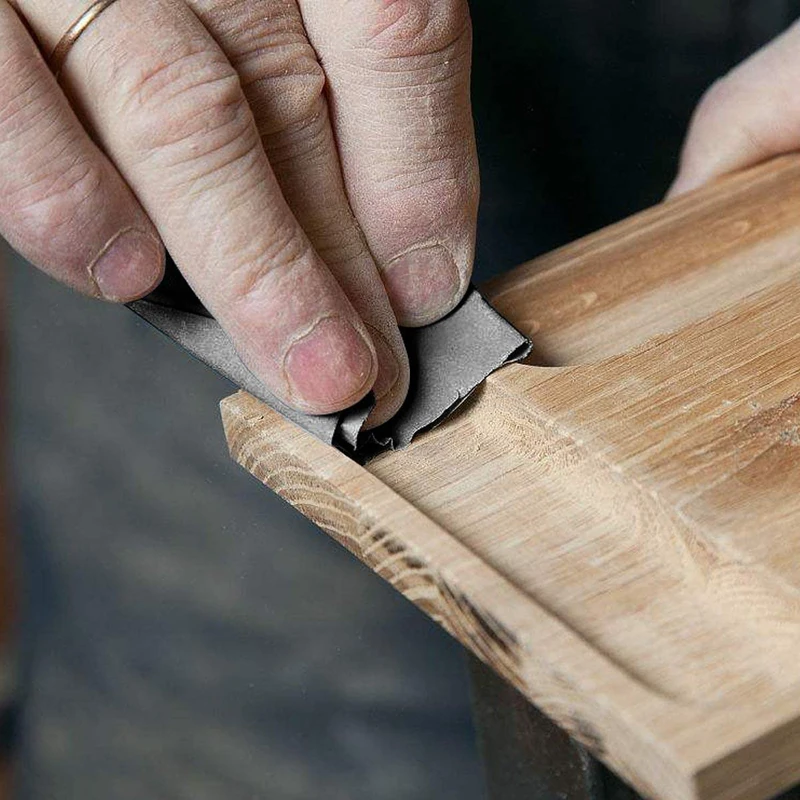
800 Grit Sandpaper Sheets (25-pack) — 9x11 in Silicon Carbide Abrasive for Wet or Dry Use — Ultra-fine grit for pre-polish refinement on paint, clear coats, or resin. Smooths imperfections without damaging the base layer. Provides optimal control when used wet or dry before 1000 or 1200 grits. (Professional Grade).
Frequently Asked Questions (FAQ)
Q: What tape width should I use around the headlight?
A: Use 1–1.5 inch painter’s tape to trace the lens perimeter and 2 inch tape to build a wider safety buffer. For tight corners, start with fine-line vinyl tape, then overlap with standard tape.
Q: My tape keeps lifting during wet sanding—what can I do?
A: Clean and dry the area, burnish the tape edge firmly, and control water with light sprays rather than flooding. Replace any sections that get translucent or lose tack, and work from top to bottom to reduce wicking.
Q: Can I use regular masking tape from the hardware drawer?
A: It’s better to use quality painter’s or automotive masking tape. Cheap or old masking tapes can leave residue, tear on removal, or allow water to seep underneath, risking paint damage.
Q: When should I remove the tape after applying a coating?
A: Peel perimeter tape after the coating flashes but before full cure to avoid a hard edge. If the coating has fully cured, score gently along the tape edge before removal to prevent lifting—only if you’re confident in your control.
Q: How do I protect rubber seals and chrome trim near the lens?
A: Tuck tape slightly under rubber lips using a thin card and add a third layer on chrome strips directly adjacent to the lens. For grilles, bridge with masking paper or film first, then seal edges with tape.