
Panel Wipe and Polishing Sandpaper for True Clarity
There’s a quiet thrill in the moment you pull a freshly corrected car into the light. You’ve cleared your afternoon, put on a playlist that fades into the background, and laid out your towels like a chef sets knives before service. The paint catches the sun and answers back with depth—sharp reflections, color that seems a shade richer, the kind of shine that makes you stand still and just look. But then the doubts arrive. You switch to a handheld light and tilt your head. Is that a faint arc? A smudge? A ghosted swirl at the edge of a panel? It’s hard to tell whether you’ve achieved true clarity or whether polishing oils are quietly filling and masking your work.
This is where verification matters. Whether you cut the surface with polishing sandpaper to level stubborn defects or refined with a finishing pad, a final panel wipe is the truth serum for paint. The product you choose, the way you wipe, the lighting you inspect under, and the timing of every step—all of it determines whether the gloss you see now survives tomorrow’s wash or fades as oils rinse away. It’s not about creating anxiety; it’s about building confidence in the result. When you know what’s actually in the paint and what’s just sitting on top, you can choose your next move with precision.
You don’t need a studio, a shop, or a wall of equipment to verify finish clarity. What you do need is a clean, cool surface; the right wipe chemistry; a consistent, gentle technique; and an honest light. The best part? When you develop a routine for panel wipe and inspection, your results improve immediately—even if nothing else changes. Your finish becomes more predictable, your corrections more efficient, and your eyes more calibrated to what’s real.
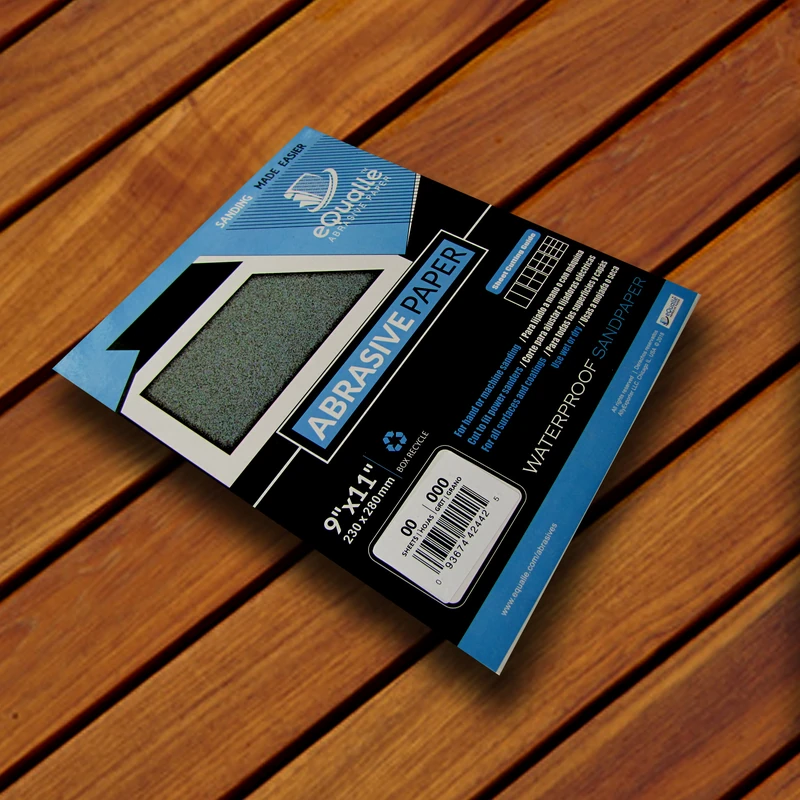
Quick Summary: A proper panel wipe removes polishing residue and fillers so you can see the true finish, make accurate correction choices, and lock in durable protection.
Why Panel Wipe Matters for True Clarity
A panel wipe is not just a “cleanup step.” It’s a diagnostic. Polishing compounds and glazes often contain lubricants, oils, and in some cases, mild fillers that temporarily fill micro-marring and haze. That can make a finish look flawless under shop lighting, only for faint trails and swirls to reappear after the first wash. By removing these residues, a panel wipe lets you see the paint as it truly is—no disguises, no surprises.
The chemistry behind panel wipes varies. Some are isopropyl alcohol (IPA) blends in the 10–25% range, gentle but effective on many modern polishes. Others use fast-evaporating solvents (like aliphatic hydrocarbons) designed to break down carrier oils without swelling clear coat or damaging soft plastics. The best choice depends on your polish system and the surface you’re cleaning. The goal is to lift residues and flash cleanly, leaving the paint “naked” for inspection and ready to bond with your chosen protection.
Timing matters too. Wipe too soon, and you might smear residues rather than remove them. Wipe on a hot panel, and you risk streaking or induced haze. Wipe too aggressively, and you can create towel marring that looks like leftover defects. A measured approach—cool panels, small sections, fresh towels—helps ensure what you’re seeing is the actual finish.
Finally, clarity isn’t just about reflections; it’s about uniformity. When a panel is truly clean, light breaks across it evenly. If your light reveals multiple “zones”—a bright patch here, a slight bloom there—chances are you’re seeing remnants of oils or very fine, uncorrected marring. Panel wipe, applied correctly, eliminates that ambiguity and gives you 100% confidence in what the surface is telling you.
Choosing Compounds and Polishing Sandpaper
The path to a truly clear finish begins earlier than the wipe. It starts with your correction strategy: how you cut, how you refine, and how you minimize the need for rework. For deeper defects—random isolated deep scratches (RIDS), orange peel leveling, or etched water spots—wet sanding may be necessary before machine polishing. Here, polishing sandpaper becomes your scalpel. Choose high-quality, consistent-grit papers in controlled progressions (for example, 1500 > 2000 > 2500 > 3000 grit) to level the surface steadily without over-cutting.
Match your grit to the defect and the paint system. Hard clears (many German brands) can tolerate and sometimes require more aggressive initial cuts; softer clears (some Japanese makes) demand restraint and tighter finishing steps. Keep your sanding discs clean and well-lubricated, and use light, even pressure to avoid “pigtails.” On edges and contours, skip sanding and switch to a gentler polishing approach—edges burn fast.
After sanding, your compound and pad pair must refine efficiently without loading the surface with heavy fillers. Water-based compounds are often more transparent in their behavior, helping you assess true progress with fewer surprises at wipe-down. Use foam or microfiber cutting pads that suit both your compound and the paint’s hardness, then step down to a finishing polish and pad to remove micro-marring introduced during cutting.
The bridge between sanding and finishing is consistency. Keep your step-downs logical—avoid jumping from a very aggressive stage straight to a fine finishing polish. Ensure your machine speeds, arm speed, pressure, and set sizes are repeatable. The clearer and more predictable your approach, the more your panel wipe will validate rather than expose your process. That’s efficiency: building a finish that looks great now and still looks great after the wipe reveals the truth.
Actionable tips:
- If you sand, finish at 3000 grit or finer to speed up compounding and reduce haze.
- Prime new pads with a light spread of product to prevent dry buffing micro-marring.
- Mark your backing plate with a line; it helps track rotation and avoid pad stalling.
- Use a test spot: finalize your whole process on a small area before doing the car.
Step-by-Step: Wipe, Inspect, Correct
Think of panel wipe as a controlled sequence, not a quick spritz-and-go. Start with a cool, dust-free surface. Shake your wipe solution, and label your towels: one “wet” towel for initial contact, one “dry” towel for immediate follow-up. Use clean, edgeless microfiber with moderate GSM; super-plush towels can smear, while ultra-thin towels can drag. Lightly mist the panel—not the towel—so solvents can lift residue from the surface. Wipe in straight, overlapping passes with the wet towel. Immediately follow with the dry towel to capture what the first pass lifted.
Work small sections—about the size of a half-hood—so solvents don’t flash away before you level them. Change towels frequently; once a towel loads up, all it can do is redeposit residue. If you encounter stubborn smears, back off, allow the panel to cool, and try a gentler wipe mixture or a fresh towel. On delicate trim and matte surfaces, avoid panel wipe unless the product specifically states compatibility.
Now inspect honestly. Use a bright point-source light at multiple angles, then a diffused light to check for bloom or veiling. Look for faint arcs around the edges of your polishing path—these can be the earliest signs of unrefined micro-marring. If the finish still shows ghosting that only appears under specific light angles, refine with a softer pad and a finishing polish, then repeat a gentle wipe to confirm.
Not every system demands the same wipe routine. Some modern polishes aim to be residue-free, while others include gloss enhancers that require removal prior to coating. According to a article. Whether you choose to wipe or not, verification is the point: if you’re applying a coating, you must ensure the surface is free of oils and fillers that could block bonding. If you’re waxing or sealing, a lighter wipe may suffice. Either way, let the wipe tell you what to do next, not habit.
Actionable tips:
- Use the two-towel method: one for solution, one for immediate dry.
- If heavy solvent is needed, follow with a quick distilled-water pass to neutralize.
- Keep a dedicated set of “wipe-only” towels to avoid cross-contamination with polish.
- Track humidity and temperature; hot, damp conditions increase streaking risks.
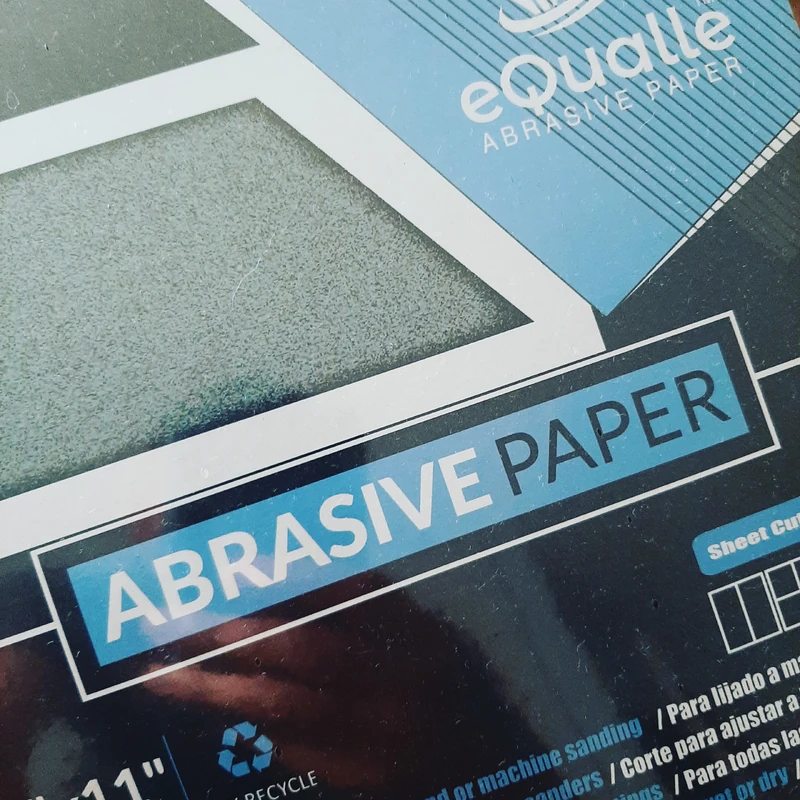
Lighting That Reveals the Truth
Your wipe is only as good as the light you use to judge it. Good inspection lighting combines two qualities: intensity and honesty. A high-CRI (95+) handheld LED in the 5000–6500K range reveals color-true defects without tinting the panel. Point-source lights (swirl finders, pen lights) expose linear and circular marring by creating strong, tight reflections. Diffused lights (soft boxes, ceiling LEDs) reveal broader issues like haze, bloom, and optical distortion.
Move your light, not just your head. Hold the source slightly off-axis—straight-on viewing can hide defects the angle will reveal. Scan panel by panel, then step back and assess large areas to ensure uniformity. Don’t sleep on natural light: morning or late-afternoon sun is brutal in the best way, exposing what shop light can miss. Cloudy daylight mimics diffused lighting; direct sun is the ultimate point source.
On glossy black, every micro-defect is magnified. On metallic and pearl finishes, defects can hide within flake pop and candy depth. Change angles and vary color temperature if possible. Some defects reveal themselves only under warm light; others under cooler light. Matching your light to the surface ensures your panel wipe isn’t wasted on a false verdict.
Finally, light consistency breeds reliable results. Use the same light, at similar distances, with similar environmental conditions while you work through the vehicle. That way, the wipe reveals changes you actually made—not artifacts of changing lighting. If you’re mobile or working in a garage, create a portable “light kit” you can deploy anywhere: one point-source handheld, one diffused panel, and, when safe, a final check in sunlight.
Common Mistakes and Smart Fixes
Even experienced detailers stumble on small habits that cloud finish verification. The first is wiping on a hot panel. Heat accelerates solvent flash and can cause streaking or even light marring. Always allow the surface to cool, and avoid direct sun during panel wipe. The second is over-saturating the towel. Too much liquid floods the panel, pushing residue around rather than lifting it. Mist the panel lightly and let capillary action work for you.
Another misstep is using the wrong wipe chemistry for the polish system. If your polish is heavily oil-laden, a mild IPA blend may only smear; if your polish is already low-residue, a strong solvent could induce haze. Keep two strengths on hand: a gentle “finish” wipe and a more assertive “cut” wipe, and start mild. Similarly, cross-contamination ruins clarity. A pad that still holds cutting compound won’t finish clear; a towel that touched polishing residue shouldn’t see final wipe duty. Segregate pads and towels by stage, and label them.
Wiping too aggressively also creates problems. You’re not scrubbing a countertop; you’re guiding a carrier to lift oils. Use light pressure and let the chemistry do its job. Lastly, skipping the re-check. An inspection light passes once, immediately after the wipe, is good—but a second pass a few minutes later, after complete flash, is better. Some streaks only appear as solvents evaporate.
Smart fixes and habits:
- Always work in shade; if panels are warm to the touch, pause until they cool.
- Keep two wipe strengths: mild for general use, stronger for stubborn oils.
- Replace towels frequently; once they feel draggy, they’re loaded.
- Reinspect after 3–5 minutes to confirm no slow-developing haze.
- If you see towel marring, switch to softer weave and reduce pressure immediately.
Which grit of — Video Guide
If you ever wondered how to choose sandpaper grits before polishing metal parts, Evan from Evan’s Detailing and Polishing offers a clear, step-by-step walkthrough. He explains the logic of grit progression—why each step matters, how to avoid deep scratches that haunt the final shine, and where to stop so your polishing stage is efficient rather than a rescue mission.
Video source: Which grit of sandpaper should I use on metal? - Evan's Detailing and Polishing
800 Grit Sandpaper Sheets (100-pack) — 9x11 in Silicon Carbide Abrasive for Wet or Dry Use — Ultra-fine grit for pre-polish refinement on paint, clear coats, or resin. Smooths imperfections without damaging the base layer. Provides optimal control when used wet or dry before 1000 or 1200 grits. (Professional Grade).
Frequently Asked Questions (FAQ)
Q: Do I always need a panel wipe after polishing?
A: If you plan to apply a coating, yes—removing oils ensures optimal bonding. For sealants or waxes, a lighter wipe or even none may suffice, but a wipe confirms true clarity and reveals if further refinement is needed.
Q: What panel wipe solution should I use?
A: Start with a mild IPA-based wipe (10–25%) for low-residue polishes. If oils persist, use a dedicated, fast-flash panel wipe designed for coatings. Always test on a small, inconspicuous area and avoid uncoated plastics unless approved.
Q: Can panel wipe damage paint or trim?
A: Used correctly on cool paint with suitable products, panel wipe is safe. Avoid hot panels, heavy pressure, and incompatible surfaces (raw plastics, matte finishes) unless the product states compatibility.
Q: How do I know if defects are real or just oils?
A: Perform a controlled wipe, then inspect under point-source and diffused lighting at multiple angles. If marks remain after the panel is clean and dry, they’re true defects that need further correction.
Q: Where does polishing sandpaper fit into the process?
A: Use it when defects are too deep for compound and pad alone. Sand in measured grit steps (e.g., 2000 > 3000), then compound and finish. A panel wipe at the end verifies that your sanding and polishing truly resolved the defects.