
How to Clean a Sanding Sponge to Restore Cut
You notice it mid-stroke: the surface stops changing, and the sound of sanding turns from a crisp hiss to a dull whisper. Your palm is steady, the motion is right—yet the finish barely budges. It’s not your technique. It’s the tool. The sanding sponge that felt sharp yesterday is now glazed with fine dust, paint nibs, and resin. You could toss it, but there’s a better, thriftier, and more sustainable option: clean it to restore the cut.
Whether you’re rehabbing a patio chair, scuffing enamel before repainting a door, or smoothing out filler on a cabinet edge, a sanding sponge earns its keep because it can wrap around profiles, grip comfortably, and deliver predictable abrasion. But like any abrasive, it clogs. The good news is that the very qualities that make a sanding sponge so versatile—the flexible foam core and open-coat grit—also make it surprisingly easy to revive. A few targeted cleaning steps can clear the pores between abrasive grains, stop the sponge from skating on dust, and bring back the satisfying, controlled bite you had on day one.
In this guide, I’ll walk you through quick dry-cleaning moves for wood dust, deep-clean methods for paint and resin gunk, and smart habits that keep sponges cutting longer between cleanings. You’ll also learn when a sponge has truly reached the end of its life and how to demote it to less demanding tasks rather than tossing it outright. With a couple of minutes of care, the sanding sponge you already own can keep delivering clean scratch patterns—and smoother finishes—project after project.
Quick Summary: Clear clogs, don’t force it—use tapping, erasers, vacuum, a warm-soapy soak, and a soft brush to restore a sanding sponge’s cutting power safely and fast.
Why Sponges Lose Their Bite
A sanding sponge cuts by presenting a field of abrasive particles—aluminum oxide, silicon carbide, or ceramic—bonded to a flexible foam. The “cut” comes from sharp, exposed grains contacting the work while the open space between them carries away debris. As you sand, especially on softwoods, resinous woods, or fresh paint, two things happen: dust compacts into those spaces, and friction warms the surface. The heat softens resins and paints, which then smear and glue themselves to the grit, glazing the sponge.
Three common cloggers rob sponges of their bite:
- Fine wood dust: Compresses into pores and acts like tiny ball bearings.
- Paint and primer: Especially latex and alkyds, which can smear and harden.
- Resin and fillers: Pine resin, CA glue squeeze-outs, body fillers, and putties that smear under heat.
Compaction and smearing don’t just reduce cutting power; they also change your scratch pattern. Instead of distinct, even scratches that are easy to level or polish out, a clogged sponge can burnish some areas and gouge others as lumps of debris drag along the surface. You’ll feel it as a squeak or grabby chatter.
The fix is to remove what doesn’t belong without dulling the abrasive itself. Fortunately, the foam backing tolerates a lot: tapping, brushing, vacuuming, and even brief wet soaks. What you want to avoid is aggressive scraping or harsh solvents that can dissolve the sponge’s adhesive bond. If you match the cleaning method to the type of clog—dry for dust, wet for smeared binders—you can restore performance, extend lifespan, and keep your finishes predictable.
Tools and Setups for Cleaning a Sanding Sponge
You don’t need specialty gear to bring a sanding sponge back to life, but a small cleaning kit makes the job faster and safer. Build yours around these essentials:
- Dust knock-out: A firm surface (scrap 2×4 or bench edge) for tapping, plus a rubber crepe block or abrasive cleaning stick to deglaze.
- Vacuum: A shop vac with a soft-bristle brush or upholstery attachment to lift embedded dust without tearing foam.
- Gentle scrub: A nylon nail brush or old toothbrush; soft bristles reach into the grit without shaving foam.
- Soak station: A small bucket or tray with warm water and a few drops of dish soap; a second container with clean rinse water.
- Drying: Lint-free rags and a ventilated rack; airflow trumps heat.
Optional but helpful:
- Compressed air for a final blow-out (keep the nozzle back to avoid tearing foam).
- Solvent for stubborn smears—use sparingly and only after testing. Mineral spirits can loosen oil-based paint; denatured alcohol can soften shellac. Avoid acetone on foam cores and keep any solvent exposure brief.
- PPE: Safety glasses, a dust mask or respirator, and gloves—especially if the sponge saw paint that could contain lead (pre-1978 surfaces demand lead-safe practices).
Set up your cleaning in stages: dry first, then wet if needed. Work over a trash can or outdoors to keep dust down. And remember, if the sponge worked on unknown or potentially lead-containing paint, don’t dry-agitate indoors—misting or wet cleaning and proper containment are safer.
Dry Cleaning: Fast Dust Removal
Dry methods are your first line of defense for wood dust and light build-up. They’re quick, non-destructive, and often all you need to restore the cut.
Step-by-step dry clean:
- Tap to loosen. Hold the sanding sponge with the grit side down and briskly tap the edges against a scrap board. Rotate through each side. This alone dislodges a surprising amount of compacted dust.
- Erase the glaze. Rub the abrasive face against a rubber crepe block (shoe-sole material works in a pinch). Use light, even pressure; you’re letting the crepe grab and lift the gunk, not sanding the sponge itself.
- Vacuum lift. With a soft-bristle brush attached, vacuum the grit surface in overlapping passes. Keep the brush moving to avoid friction heat; you’re aiming for a fluffy, debris-free texture across the abrasive.
- Optional air blast. From a safe distance, blow compressed air across the surface, not straight into it. This clears remaining fines without driving them deeper.
Pro tips that make a dry clean stick:
- Mark the grit. Use a marker on the foam edge (e.g., “120”). After cleaning, you’ll know what you’re holding and avoid cross-contaminating grit stages.
- Dress the edges. If corners have rounded over, lightly rub them against a similar-grit sheet to square them up; crisp edges reach profiles better.
- De-static. A quick wipe with a barely damp rag can cut static that holds dust to the grit.
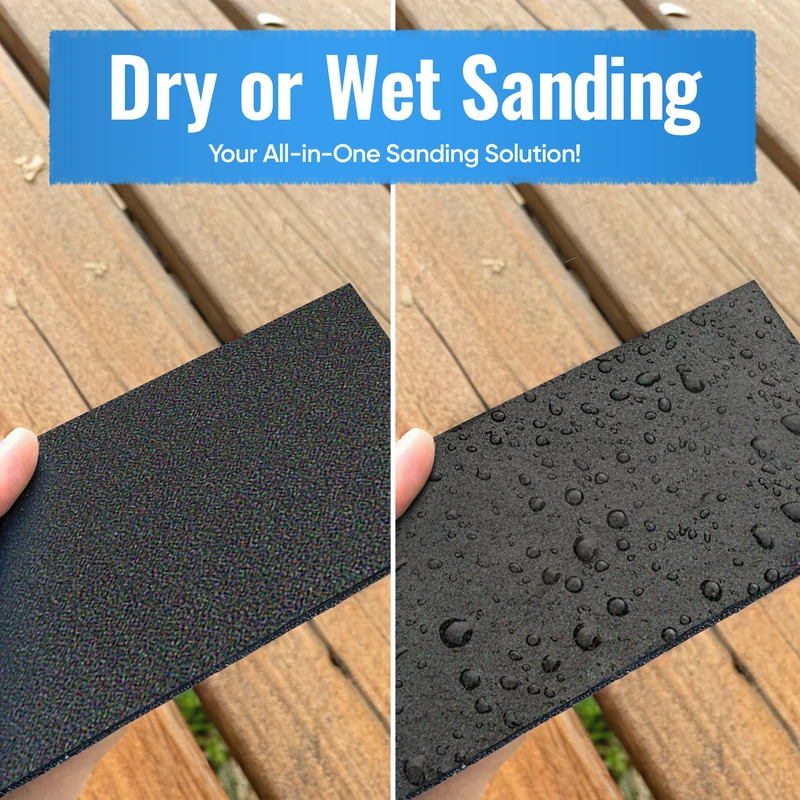
If you’re prepping paint or clear coats, remember that wet methods can reduce dust and keep abrasive cooler. According to a article, pre-wetting the abrasive helps control friction and prevents smearing—principles that apply equally to cleaning a sponge after it clogs on coatings.
Wet Deep-Clean for Paint and Resin Gunk
When a sanding sponge has that glossy, slick sheen—and tapping or vacuuming won’t budge it—switch to a controlled wet clean. Water and mild surfactants break the surface tension that keeps fine slurry glued to the grit, while a soft brush helps whisk it out of the open coat.
Do it like this:
- Pre-rinse. Run lukewarm water over the sponge to float loose debris. Avoid hot water, which can soften resins and risk loosening the abrasive bond.
- Soapy soak. In a small bucket, add a few drops of dish soap to warm water. Submerge the sponge for 5–10 minutes. Agitate gently with your fingers every couple of minutes to dislodge trapped fines.
- Brush the face. On a flat tray or sink, place the abrasive surface up and brush in short, overlapping strokes with a nylon brush. Rotate the sponge to work all sides. You’re aiming to clear the channels between grains, not scrub the grains off.
- Rinse clear. Rinse under running water until it flows clean and the surface feels grippy again—not slick.
- Squeeze and dry. Press the sponge in a clean towel to extract water—don’t wring hard, which can delaminate layers. Stand it on edge in a well-ventilated spot to air dry completely before reuse.
What about solvents? If paint smears persist, lightly dampen a rag with mineral spirits (oil-based paints) or denatured alcohol (shellac) and blot the abrasive—test a corner first. Keep exposure short and follow with a soapy rinse. Avoid lacquer thinner and acetone, which can attack foams and adhesives.
Safety notes:
- If the sponge was used on old paint with unknown composition, assume lead is possible. Skip aggressive dry agitation; keep everything damp, use disposable towels, and bag the waste. Wash up thoroughly.
- Never speed-dry with high heat. A hairdryer on cool is fine; heat guns are not. Heat can soften the resin bond and warp foam.
Three actionable habits that prolong a clean cut:
- Mist the work surface before sanding paint to minimize clogging and heat.
- Rotate sides often during sanding so one face doesn’t overheat and smear.
- Give the sponge a quick rinse mid-session when you hear the pitch dull or feel drag increase.
Know When to Retire and Replace
Cleaning restores cut, but it can’t replace missing grit. At some point, the abrasive grains wear dull, the foam loses resilience, or the bond lets go. Knowing when to demote or replace a sanding sponge keeps your results predictable.
Check these signs:
- Persistent glazing right after cleaning: If smears return instantly, the grit may be polished smooth.
- Uneven scratch pattern: Dark streaks or random gouges suggest torn areas carrying lumps of debris.
- Delamination: Lifting corners or split seams show the adhesive has given up.
- Mushy feel: Compressed foam that doesn’t rebound won’t keep pressure even across contours.
Smart demotion ladder:
- From shaping to scuffing: Retire a worn 120-grit from leveling duties to light scuff-sanding between coats.
- From finish prep to utility: Use beyond-its-prime sponges to knock rust off garden tools or clean mineral deposits from shower fixtures.
- From utility to disposal: If pieces break off or the foam crumbles, it’s time to discard safely.
Replacement planning:
- Keep a small range on hand: Coarse (60–80), medium (120–150), fine (220–320). Label each and store in dustproof bags or boxes.
- Avoid cross-contamination: Don’t use the same sponge for wood resin and paint—dedicate by task to reduce clogging.
- Track lifecycle: A simple pencil tally on the foam edge for each deep clean helps you notice when performance no longer rebounds.
Finally, respect the substrate. For softwoods heavy with pitch, expect more frequent cleaning. For water-based finishes, let coats cure fully before sanding to reduce smearing. And if a project requires a flawless, uniform scratch for stain or high-gloss paint, reach for a fresh sponge rather than risk a tired one.
Norton ProSand Sanding — Video Guide
The Norton ProSand segment showcases a modern take on sanding sponges designed for fast, consistent cutting. It highlights sharp, durable abrasives paired with a comfortable foam that conforms to edges and profiles without gouging.
Video source: Norton ProSand Sanding Sponges
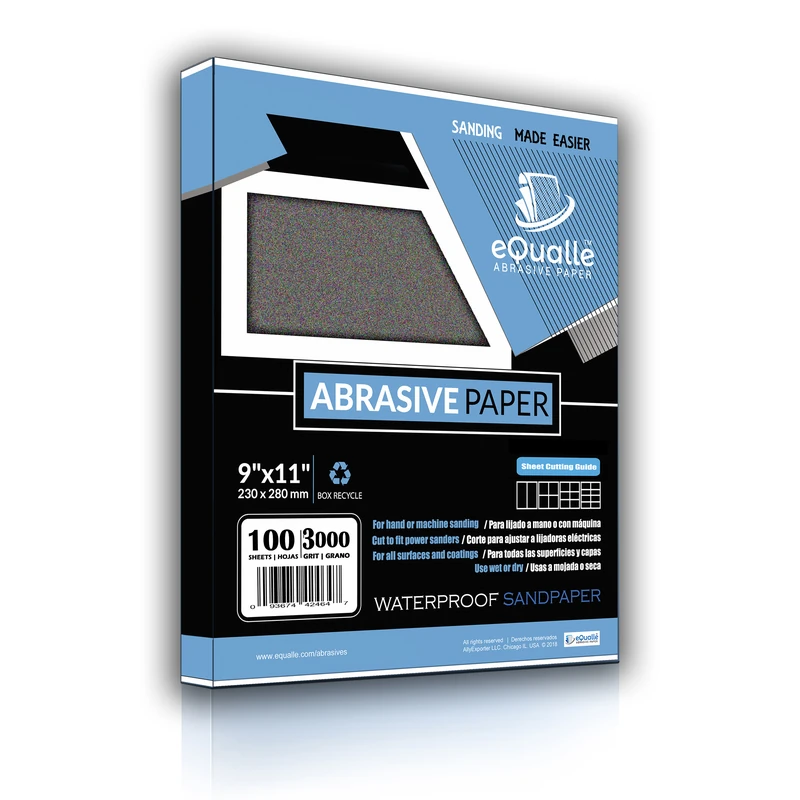
240 Grit Sandpaper Sheets (50-pack) — 9x11 in Silicon Carbide Abrasive for Wet or Dry Use — Light refinement grit that blends sanding marks and smooths primer layers. Perfect for wood, resin, or plastic before lacquer application. Produces consistent scratch patterns and controlled results when used wet or dry. (Professional Grade).
Frequently Asked Questions (FAQ)
Q: How often should I clean a sanding sponge during a project?
A: Clean whenever cutting slows or the sound dulls—typically every 5–10 minutes on resinous wood or paint. A quick tap and vacuum mid-session prevents deep glazing and keeps scratch patterns even.
Q: Will soaking damage the sponge or loosen the grit?
A: A short soak in warm, soapy water is safe for most sponges. Avoid hot water and harsh solvents, which can soften adhesives or foam. Always air dry fully before reuse to preserve the bond.
Q: What’s the best way to remove dried latex paint from the abrasive?
A: Start with a soapy soak and a nylon brush. If residue persists, spot-treat with a small amount of denatured alcohol on a rag, then rinse thoroughly. Test first to ensure the foam and bond are unaffected.
Q: Can I use the same sanding sponge on wood and between paint coats?
A: You can, but it’s better to dedicate sponges by task. Wood resin and dust can contaminate painted surfaces, and paint slurry can clog the grit for woodwork. Label and store sponges separately to reduce clogging.
Q: Is there a safer way to clean sponges used on older paint?
A: Yes. Assume potential lead in pre-1978 coatings. Avoid dry-tapping or air-blasting indoors. Keep the sponge and debris damp, wipe with disposable towels, bag the waste, and follow lead-safe practices to prevent dust exposure.