
Wet Sanding Plastics with Epoxy Sanding Know‑How
You know that moment when you pick up a 3D‑printed part or an acrylic panel and see the tiny ridges, support nubs, and swirl marks catching the light? That’s when I head to the sink or a tray and set up for wet sanding. I’ve spent years making surfaces behave—wood, composites, plastics—and here’s the truth: wet sanding plastics is the calm, controlled path to a finish you can sign your name to. And the best tricks I learned polishing resin pours and doing epoxy sanding apply beautifully here—steady pressure, smart grit climbs, and keeping abrasives clean so they cut instead of smear.
The first time I wet sanded a plastic lens cover, I was skeptical. Water near tools? Slurry everywhere? But within minutes the sheet started to glow, and my filter mask stayed clean. No airborne haze sparkling in the sunlight. No gummy discs. Just quiet strokes, rinse, inspect, repeat. If you’ve ever watched sanding dust dance in the sunbeam and thought about what your lungs are catching, wet work changes the whole vibe. It slows the pace—and because you’re checking the surface while rinsing, it actually saves time you’d otherwise waste chasing scratches you can no longer see.
I still remember a client’s ABS gaming controller shell that arrived with deep print lines. Dry sanding melted the edges and clogged paper; wet sanding turned the job into a predictable ladder: 320 to flatten, 600 to refine, 1000 to unify, 1500 and a polish to make it new. That same logic came from years of epoxy sanding on boat parts—where water controls dust and heat, and your hands tell you when you’re there. Plastics don’t care if you’re a pro or a weekend tinkerer. They respond to patience, clean abrasives, and good habits. Let’s set up your bench so your pieces come out clean and your shop air stays clearer.

Quick Summary: Wet sanding plastics reduces dust, heat, and clogging while delivering a finer finish—use smart grits, steady pressure, water flow, and frequent inspection.
Why Wet Sanding Plastics Works
Plastic is a heat‑sensitive, dust‑generating material. Dry, it clogs paper and melts on you; wet, it behaves. Water’s jobs during wet sanding are simple: cool the surface, float away abraded particles, and keep the abrasive’s cutting edges from loading. That means less heat, less scratchy chaos, and far fewer airborne microplastics. For shop health and finish quality, that’s a win‑win.
Let’s talk materials. ABS and PLA (common 3D‑printing plastics) respond well to wet sanding; acrylic (PMMA) and polycarbonate can go cloudy if you skip grits, but with a proper progression they come back crystal clear. PVC trims, PETG parts, and nylon fittings also benefit, though nylon likes a lighter touch because it can fuzz. The common failure mode across all of them is heat—press too hard or stay in one spot, and you soften the surface. Water is your insurance policy against that, turning friction into a controlled cut instead of a melt.
There’s also a visibility bonus. When you rinse frequently, you’re looking at a clean, true surface—not a dust‑dusted illusion. That helps you stop at the earliest grit that achieves flatness before you climb to refinement grits. It’s the same philosophy I use on clear coats and resin: get it flat early; polish later.
Finally, dust control isn’t just about your lungs. Microplastic dust drifts into everything—bearings, guides, finishes—and can contaminate paint or epoxy coatings you apply later. By keeping particles in a water slurry, you’re protecting downstream steps. The neat freak in me appreciates that the cleanup is a squeegee and a filter, not a full shop vac ballet.
Tools, Grits, and Setup for Clean Results
You don’t need a lab. A plastic tray or sink basin, a spray bottle, and the right abrasives will transform your sanding. I keep a shallow, wide bin beside the bench so I can set parts in a puddle and control runoff. A drop or two of dish soap in your water breaks surface tension and helps slurry slip away.
For abrasives, open‑mesh or film‑backed papers shine in wet sanding. Mesh discs and sheets resist clogging and rinse clean in a second. Start grits based on your defects: 220–320 for heavy layer lines or support scars, 400–600 for general smoothing, then 800–1500 for refinement. Go to 2000–3000 if you’re after a polishable surface prior to buffing. For flat parts, a foam sanding block maintains even pressure; for curves, a soft interface pad under a sheet helps wrap without cutting flats. If you use a random orbital sander, keep it at low speed with an interface pad, and mist the surface—not a flood—to avoid flinging slurry.
Safety and comfort matter. Nitrile gloves give grip and keep slurry off your skin. Even though you’re controlling dust, a simple mask and eye protection are smart for splashy jobs. Keep a dedicated microfiber towel to wipe, inspect, and keep fingerprints off clear plastics.
Hoses and vacs can stay parked; wet work doesn’t play well with vacuums. Instead, place an absorbent mat or old towel beside your tray, and route the rinse water into a settlement container. We’ll handle disposal later. The goal is a compact, repeatable station you can set up in 60 seconds.
Pro tips for the wet bench
- Add a teaspoon of dish soap per liter of water to reduce surface tension and help prevent loading.
- Use pencil guide marks on high spots; sand until the graphite disappears evenly before climbing grits.
- Keep two spray bottles: one clean water, one soapy water. Start soapy, rinse with clean.
- For thin parts, back them with a mouse pad or foam sheet to avoid printing finger ridges.
- Warm your water slightly for acrylic; it reduces thermal shock and stress cracking.
What epoxy sanding teaches about plastics
If you’ve leveled an epoxy countertop or fair‑sanded a resin‑coated part, you already know the rhythm plastics prefer. Epoxy sanding trains you to chase flatness early with a firm, even block, then climb grits patiently while preventing clogging and heat. Those habits map 1:1 to ABS, PETG, acrylic, and polycarbonate.
First, read the surface. On epoxy, we pencil in crosshatches to see low spots; do the same on a plastic print: a few light pencil grids show you when you’ve actually erased ridges rather than just polishing their tops. Second, embrace the cross‑hatch pass—45° one way, then the other. It evens pressure and avoids grooving. Third, rinse often; in resin work we wipe and flood the surface to keep particles from riding along and scratching. With plastics, that rinse is also your inspection checkpoint: if you still see coarser scratches after two minutes at a given grit, don’t climb yet.
Heat management is the other shared lesson. Epoxy and plastics both hate heat. A feather‑light touch does more than brute force. Let the grit do the work. If you hear chirping or feel grabbing, pause, rinse, and reset.
According to a article, wet sanding lowers dust exposure and keeps abrasives from loading while cleaning up support scars. That’s exactly the behavior we want when a print comes off the jig with nibs and stubble.
Finally, the finishing arc aligns. After 800–1000 grit, you’re burnishing more than removing material. On clear plastics and resin, that’s your cue to switch to polishing compounds and foam pads. A light plastic‑safe polish—applied with a soft cloth or low‑speed buffer—will restore clarity without the risk that coarse abrasives sneak in a new scratch.
Step‑By‑Step: Wet Sand a Plastic Part
Here’s my repeatable process for a 3D‑printed ABS enclosure or a scratched acrylic panel. Tune the grits to your project, but keep the cadence.
Prep the station
Place a shallow tray on a waist‑high bench. Fill with a centimeter of warm water and a drop of dish soap. Lay out sheets: 320, 600, 1000, 1500, 2000. Have a foam block, a soft interface pad, microfiber cloth, and spray bottle ready. Put on nitrile gloves and glasses.Deburr and knock down high spots
Use a flush‑cut nipper or a sharp chisel to remove obvious support nubs. Lightly drag a cabinet scraper or razor at a shallow angle over ridges to save sanding time. Don’t gouge.Flatten with the first grit
Wrap 320 around a foam block (for curves, use the soft pad). Mist the part, then sand in long, even strokes. Use a cross‑hatch pattern: 45° one direction, then 45° the other. Keep the surface wet but not swimming. Stop every 30 seconds to rinse and wipe. Continue until the surface looks uniformly matte and guide marks vanish.Clean and inspect
Rinse the part and your abrasive. Feel the surface with your fingertips; they catch low spots better than your eyes. If you still feel ridges, stay at 320. Otherwise, move on.Refine scratches
Repeat with 600 grit, same cross‑hatch, light pressure. Aim to remove the 320 scratches—not to overwork the surface. Rinse often. Continue with 1000, then 1500. On clear plastics, you’ll see a soft satin sheen returning as the scratch pattern tightens.Edge management
Edges are heat magnets. Ease them with a couple of light passes instead of bearing down. For holes or vents, roll a strip of paper and spin it lightly by hand to avoid ovalizing.Final unification
At 2000 grit, switch to straight strokes in the direction of the grain or airflow lines if visible. This sets the stage for polishing. For parts that will be painted, stopping at 1000–1500 is often perfect for primer adhesion.Optional polish
Apply a plastic‑safe finishing compound with a microfiber cloth or a low‑speed foam pad. Work small zones and wipe clean. Avoid silicone‑heavy products if you plan to paint later.
Cleanup: Let the slurry settle in your tray. Decant clear water off the top, filter the rest through a coffee filter, and dispose of the dried residue per local guidance—don’t pour microplastic slurry down the drain.
Dust Control, Health, and Shop Habits
Let’s call it what it is: sanding plastic creates micro‑debris you don’t want in the air or your lungs. Wet sanding confines those particles to a manageable slurry, but habits make the system.
Control the water. A gentle mist and a shallow tray keep mess down and reduce the chance of fling‑off. If you use a random orbital sander, lower speed and intermittent spraying beat a constant hose. Wipe and inspect often; that’s a built‑in pause that keeps you from overheating.
Plan for containment. Set the tray on an old towel. Keep a settlement bucket labeled “Sanding Slurry” under the bench. After sessions, let solids settle for a day, pour off the clear top layer for reuse, and trap the solids in a filter or fine cloth. This avoids sending microplastics to your plumbing. If your municipality has specific rules, follow them.
Protect yourself. Even with wet work, wear eye protection and gloves. If you’re switching between dry and wet, put on a P100 or similar respirator for the dry portion. Wash hands before touching food or your face; plastic fines can irritate skin or eyes.
Think downstream. Contaminants ruin finishes. Keep a “clean zone” towel for post‑sanding wipe‑downs, and don’t set freshly sanded pieces on dusty benches. If you plan a paint or epoxy coat after sanding, blow off with clean air cautiously or, better, rinse with distilled water and let air‑dry in a dust‑free corner.
Finally, track your grit life. Wet sanding prolongs abrasive life, but once paper loses bite, it burnishes and tempts you to push harder—hello heat. Mark the back of sheets with a Sharpie after heavy use, and retire them before they turn to cloth. Your lungs, your finishes, and your patience will thank you.
Beginner Sanding Mistakes — Video Guide
If sanding feels slow or you’re unsure why your surfaces never look “done,” a beginner‑friendly breakdown of sanding mistakes helps. There’s a great overview that reframes sanding as simple but skillful: pressure control, proper grit progression, and letting the abrasive do the work. It shows how rushing grits or pressing too hard actually slows you down and degrades the finish.
Video source: Beginner Sanding Mistakes | How to Sand
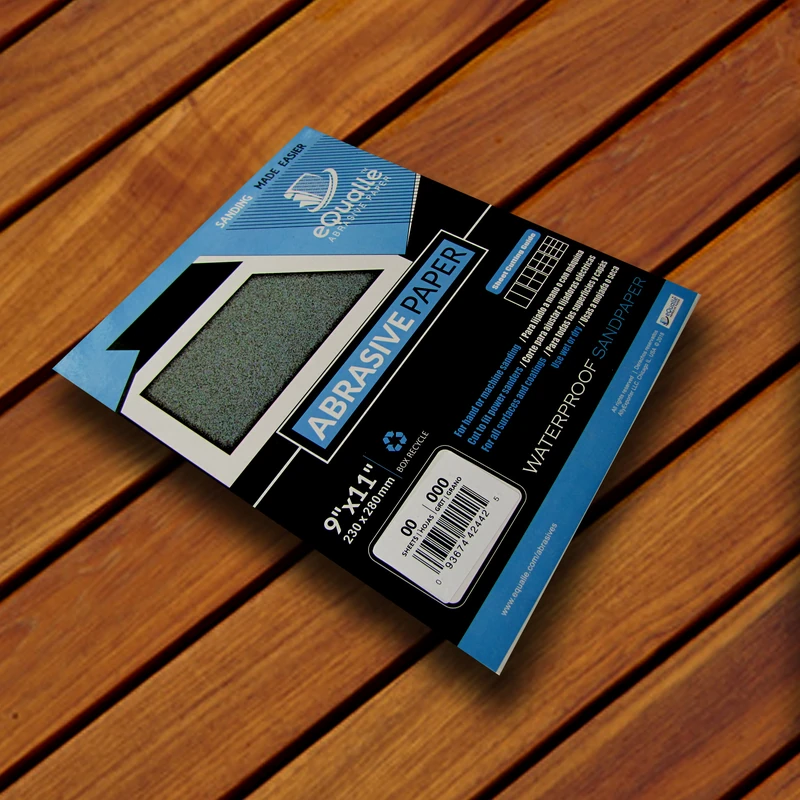
280 Grit Sandpaper Sheets (10-pack) — 9x11 in Silicon Carbide Abrasive for Wet or Dry Use — Fine finishing grit for delicate work—ideal for flattening varnish layers and creating a pre-polish smoothness on wood or resin. (Professional Grade).
Frequently Asked Questions (FAQ)
Q: Can I wet sand all plastics, including 3D prints?
A: Most common plastics—ABS, PLA, PETG, acrylic (PMMA), polycarbonate—respond well to wet sanding. Use light pressure on heat‑sensitive parts, and support thin walls with a foam pad. Nylon can fuzz; mitigate with fresh, sharp abrasives and gentler strokes. If a part has electronics or metal inserts, mask or avoid soaking those areas.
Q: What grit should I start with for heavy layer lines?
A: Start where the defect demands, not by habit. For deep 3D‑print ridges or support scarring, begin at 220–320 to flatten quickly. If the part is close to smooth, start at 400–600. Climb grits only after the previous scratch pattern is gone—600, 1000, 1500, and 2000 if you plan to polish.
Q: How do I keep edges and small details from rounding over?
A: Use a firm block on flats and a shaped support (eraser, dowel, or foam) for curves. Make fewer, lighter passes on edges, and switch to narrow strips or small pads for vents and holes. Cross‑hatch strokes distribute pressure so you don’t carve grooves.
Q: Is the slurry safe to pour down the drain?
A: No. Treat the slurry like fine plastic waste. Let solids settle in a container, decant the clear water, and filter the remainder through a coffee filter or fine cloth. Dispose of the dried solids with household trash per local regulations. Avoid sending microplastics into your plumbing or the environment.
Q: Where does epoxy sanding fit into plastic finishing?
A: Techniques from epoxy sanding—heat control, patient grit climbs, frequent rinsing—translate directly to plastics. If you’ve leveled and polished epoxy, apply the same discipline to ABS or acrylic. Wet work keeps dust down in both cases, and the surface inspection rhythm is identical.