
Silicon carbide sandpaper and waterproof binders
There’s a moment in every finishing project when you catch the light just right and see everything: the soft glow of a guitar body after hours of smoothing, the mirror sheen on a freshly clear-coated fender, or the glassy countertop you’ve sanded patiently between pours. Wet sanding is often the bridge to that moment—quiet, controlled, and surprisingly meditative. But if you’ve ever had a sheet turn mushy halfway through, watched abrasive grains shed from the backing, or dealt with that relentless gummy slurry, you’ve met the hidden variable many overlook: the waterproof binder.
Whether you’re working with automotive clear coat, lacquered wood, resin castings, or metals, the binder determines how well your sandpaper survives water, heat, and pressure. It’s the chemistry that securely holds abrasive grains to the backing and resists swelling, softening, and loading. With silicon carbide sandpaper—known for its sharp, fast cut and clean scratch pattern—the right binder and backing transform a good sheet into a great one, delivering consistent results across grits and materials.
If you’ve felt that nagging frustration of inconsistent performance from one brand to another, or struggled to keep a uniform scratch when moving from 800 to 2000 grit, you’re not alone. The solution isn’t just “buy better sandpaper.” It’s learning how waterproof binders, backings, and abrasives interact so you can match the right system to your project and technique. Once you do, wet sanding becomes less guesswork, more craft: smooth progress, predictable results, fewer rework passes, and a finish you’re proud to show off and touch.
Quick Summary: Wet sanding succeeds or fails on the pairing of waterproof binders, backings, and abrasives; choose silicon carbide with resin-over-resin, water-resistant construction and use proper lubrication, pressure, and grit sequencing for consistent, high-gloss finishes.
Why waterproof binders matter
A sandpaper sheet is a small composite: abrasive grains, a binder system, and a backing. In a typical coated abrasive, there are two main binder layers. The “make coat” anchors the grains to the backing; the “size coat” locks them in and adds durability. For wet sanding, both coats need to resist water intrusion and heat softening while maintaining flexibility. Most high-quality wet/dry papers use resin-over-resin construction—phenolic or modified phenolic resins that cure hard, resist moisture, and maintain grip on the grains even as you work under a water film.
What goes wrong without the right binder? Several things. First, swelling: water penetrates and softens glue-like binders, causing grains to undercut and release early. This creates uneven cutting, random scratches, and premature dulling. Second, thermal creep: as friction generates heat, a subpar binder can smear or reflow slightly, loading the sheet and glazing the surface. Third, delamination: if water wicks along the backing or through poorly cured resin, the abrasive can start to peel in strips, especially near edges.
Good waterproof binders minimize these risks. They resist hydrolysis (breakdown in water), handle intermittent heat spikes, and avoid contaminating the surface with residues that interfere with paint or finish. They also pair with waterproof backings—often latex-saturated paper, film, or cloth—that control flexibility, edge stability, and scratch uniformity.
How do you spot a durable wet-sanding sheet? Look for resin-over-resin construction, explicit wet/dry labeling, consistent color rather than mottled binder patches, and a backing that feels tough yet flexible without cracking on a gentle bend. In use, a well-bonded sheet maintains its bite across the entire face, sheds slurry cleanly, and doesn’t fuzz at the edges after trimming. If your sanding water turns unusually dark within minutes, or the sheet loses its cut rapidly, the binder/backing system is likely the culprit—not your technique.
Pairing silicon carbide sandpaper with the right binder
Silicon carbide (SiC) is the go-to abrasive for wet sanding because it’s very hard, sharp, and friable—meaning edges renew as grains micro-fracture. That makes it ideal for leveling clear coats, polishing resin, refining stone, and finishing metals without deep, lingering scratches. But SiC only shines when the binder keeps those grains in stable contact with the surface under water. The optimal match is a waterproof, resin-over-resin binder on a backing that suits your material and the curvature of your workpiece.
For automotive finishes, a closed-coat silicon carbide sandpaper (nearly full grain coverage) with a durable resin binder provides fast, uniform cutting on clear coats and single-stage paints. Many premium sheets add a load-resistant topcoat—often a stearate—to reduce clogging. In wet sanding, the stearate’s benefit is more modest than in dry sanding, but it can still help maintain a clean, consistent scratch pattern when lubricants include a touch of soap or specialized surfactants.
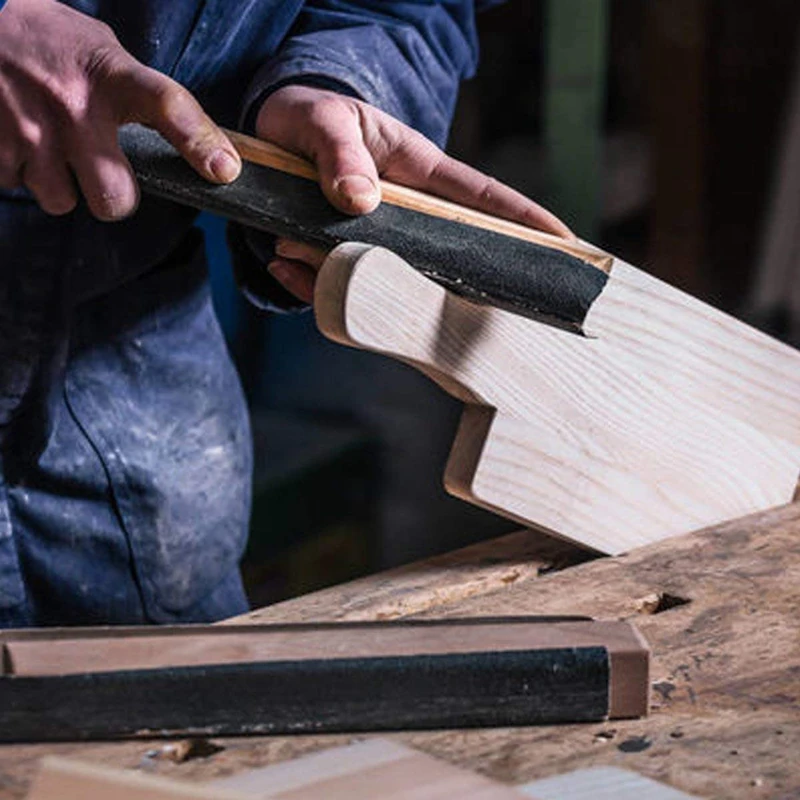
In woodworking and resin work, especially on flat panels, a uniform PET film backing bonded with waterproof resin excels because it holds the grain flat and distributes pressure evenly. For hand-sanding contours (think guitar neck volutes or sculpted chair arms), a latex-saturated paper backing keeps SiC engaged while flexing around curves without cracking the binder.
On metals—aluminum, stainless, brass—SiC’s aggressiveness and fine scratch make it a smart choice up to the pre-polish stages. A resilient binder prevents grains from shelling out under point loads along edges or holes. If you’re using a power sander with hook-and-loop discs, ensure the resin system is compatible with that heat profile; even wet, heat spikes from trapped slurry or heavy pressure can challenge weak binders.
A final note on grit transitions: the binder’s consistency directly influences how predictable your scratch refinement is from 800 to 1500 to 2000 grit and beyond. If the binder lets grains tilt or dislodge unevenly, you’ll chase stray scratches. A stable resin system paired with quality SiC lets you trust your sequence—less chasing, more progress.
Paper, film, or cloth backings
Backings are not just carriers; they set the feel, flatness, and edge behavior of your abrasive system. For wet sanding, the backing must be waterproof and compatible with the binder so the composite holds up under soak, flex, and heat.
Latex-saturated paper: Common in wet/dry sheets labeled C-, D-, or E-weight. These offer a balance of flexibility and stiffness, making them versatile for hand sanding blocks. The waterproof binder adheres well to paper saturated with latex, which reduces water wicking and edge fraying. Paper is cost-effective and predictable, but on ultra-flat, high-gloss targets, paper’s micro-unevenness can sometimes telegraph into the scratch pattern, especially at high grits.
PET film: Thin, dimensionally stable film backings shine at producing a uniform scratch, especially above 1000 grit. They keep the abrasive plane flat and distribute pressure evenly, which is why film-backed SiC discs and sheets are popular for clear coats and resin casting. Film’s toughness requires a binder that can flex microscopically without cracking; high-quality phenolic or hybrid resins are up to the task. Film also resists edge fray, reducing rogue scratches from tattered borders.
Waterproof cloth: J-weight or similar cloth backings bring superior tear resistance and conformability for complex shapes. They pair well with wet sanding of metal edges and inside curves where paper would tear. Cloth often runs cooler when used with consistent lubrication, but it can imprint a slightly more variable scratch if you over-flex it.
For power sanding, hook-and-loop discs rely on a backing laminated to the loop layer; the binder must tolerate the bonding process and the heat generated at the pad. According to a article, electrostatically planted silicon carbide on flexible, waterproof backings maintains a clean cut and long service life in wet/dry disc formats.
Which should you choose? For flat, show-car gloss: film-backed SiC with a waterproof binder. For general-purpose hand work with blocks and a mix of contours: latex paper. For durable edge work and sculpted shapes: cloth-backed SiC. If your workpiece is heat-sensitive (fresh clear coat, epoxy within its full cure window), prioritize a backing/binder combo known for cool running and minimal drag—often film with a finely graded SiC.
Wet sanding technique and care
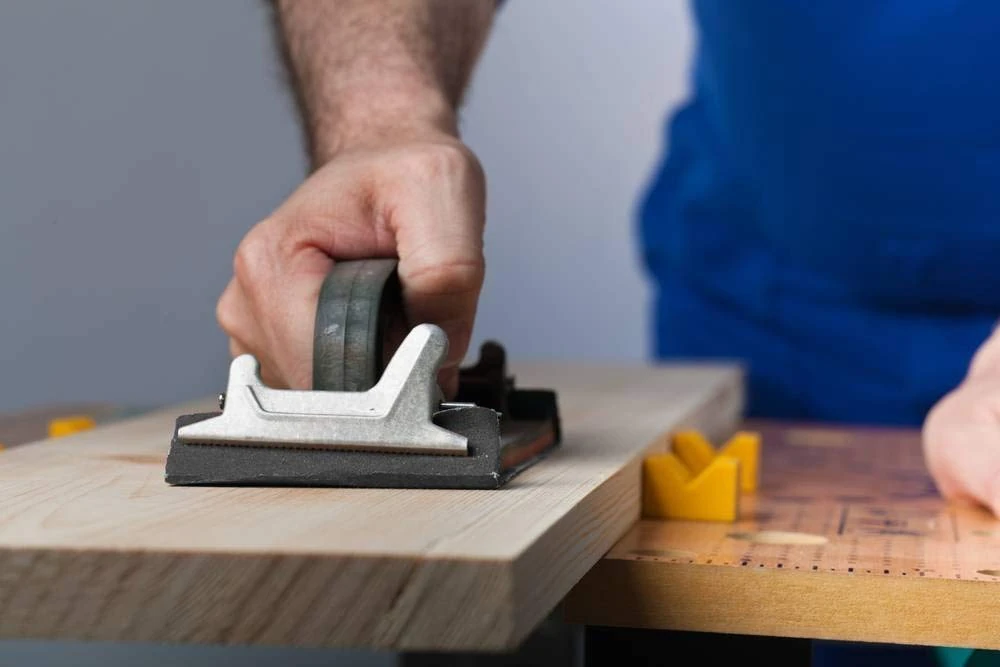
Even the best binders and backings need the right technique to deliver. Wet sanding relies on a thin, consistent lubrication film that carries away swarf (spent abrasive and removed material) without turning into sticky sludge. Overly soapy water can float the sheet and reduce cutting; no surfactant at all can let the slurry load the sheet. A few drops of mild dish soap in a quart of water is a solid baseline. For critical finishes, use a dedicated sanding lubricant that evaporates cleanly.
Soak or not? Many waterproof sheets don’t require soaking and can actually perform worse if left in water too long—binders and backings swell slightly. If you do soak, limit it to 5–10 minutes to relax the paper and improve initial flexibility. Film-backed sheets should not be soaked; just wet the surface and the sheet. Always trim frayed edges; ragged borders can drag rogue grit over the finish.
Keep pressure light and even. Let the silicon carbide do the work; the binder holds grains at a precise angle, and heavy pressure just dulls edges, heats the binder, and can create “orange peel” in your scratch. Work in a crosshatch pattern (e.g., 45° then 90°) for a predictable, uniform finish, and fully remove the previous grit’s scratches before moving on. A squeegee or microfiber to clear the slurry frequently helps you visually confirm progress.
Actionable tips:
- Pre-condition sheets: If using paper-backed SiC, quick-soak 5 minutes, pat dry, then start. Skip soaking for film-backed sheets; wet only the surface.
- Use fresh, cool lubricant: Swap out your water every 10–15 minutes; warm, murky water increases binder stress and loading.
- Refresh the grit: Move to a clean zone of the sheet or rotate discs often; the binder holds fresh edges that cut cooler and cleaner.
- Control edges: Chamfer or round sharp panel edges before high-grit wet sanding to prevent point loads that crack binders and shed grains.
- Temperature check: If the surface feels warm to the touch, pause. Heat accelerates binder softening and increases random scratches.
Care for your abrasives between sessions by letting sheets dry flat—not rolled—so the backing and binder reset without curling. Store in a zipper bag away from high humidity. For discs, keep them in their sleeves; dust can imbed into the binder surface and act like rogue grit the next time you sand.
Troubleshooting finish flaws
When the finish isn’t behaving, diagnose through the lens of binder, backing, abrasive, and technique. Most defects give clear clues.
Loading and streaking: If the sheet clogs rapidly and leaves dark streaks, your lubricant may be too lean or contaminated, or the binder surface is glazing from heat. Increase lubrication slightly, reduce pressure, and clean the sheet often. Switching to a stearate-coated SiC can help, particularly on resins and paints.
Random deep scratches (“strays”): These often come from a frayed edge, loose granules from a failing binder, or debris trapped in the slurry. Trim sheet edges, clean the work often, and inspect your sheet under light. If grains are shelling out (little bare patches), the binder may be compromised—swap to a fresh sheet or a better brand.
Pigtails (in power sanding): Tiny, spiraled scratches indicate a particle caught under the disc or a dull grain skating. Clean the disc and pad, ensure good water film, and lighten pressure. Film-backed discs with stable binders help keep grains flat and reduce wobble that magnifies pigtails.
Haze that won’t clear at higher grits: If you rush grit progression, a high-grit sheet won’t remove the deeper scratches. But it can also indicate micro-marring from a binder that lets grains tilt under pressure. Try a film-backed, resin-over-resin SiC at the same grit and compare the scratch; if it’s more uniform, the binder/backing was the limiting factor.
Edge burnishing or wipe-through: Excess pressure at edges generates heat and point loads that tear grains out of the binder or smear the substrate. Feather edges with lower pressure and consider a softer interface pad to distribute load.
If you’re repeatedly fighting the same issue, change one variable at a time: binder/backing system, lubricant, pressure, or grit. Keep notes on what changes the feel and sound as you sand—subtle squeaks or roughness often signal loading or binder stress before visible defects appear.
Color Sanding Aluminum — Video Guide
A helpful comparison video examines color sanding with aluminum oxide versus silicon carbide to determine which abrasive performs best on automotive clear coat and single-stage paint. The host works through real sanding sequences, highlighting scratch clarity, cutting speed, and how each abrasive behaves under water and mild lubricant.
Video source: Color Sanding Aluminum Oxide Vs Silicone Carbide Sandpaper - Which Is Best!? (Yes, there Is a Best)
150 Grit Sandpaper Sheets (100-pack) — 9x11 in Silicon Carbide Abrasive for Wet or Dry Use — Balanced medium grit for surface preparation and between-coat sanding. Smooths minor imperfections in wood, paint, or primer. Works equally well for wet or dry applications in both DIY and professional projects. (Professional Grade).
Frequently Asked Questions (FAQ)
Q: Do I need to soak wet/dry sandpaper before use?
A: Not always. Paper-backed sheets can benefit from a 5–10 minute soak to improve flexibility, but film-backed sheets should not be soaked—just wet the surface and the abrasive. Over-soaking can swell the backing and stress the binder.
Q: What makes silicon carbide sandpaper better for wet sanding?
A: Silicon carbide is very hard, sharp, and friable, creating a fine, uniform scratch that refines quickly. Paired with a waterproof, resin-over-resin binder, it cuts fast under water without deep gouges, making polishing easier and more predictable.
Q: How do I know if my sandpaper’s binder is failing?
A: Signs include rapid loading despite proper lubrication, grains shedding in patches, edge fuzzing or peeling, and a sudden drop in cutting action. If you see these, reduce pressure, clean the sheet, and consider switching to a higher-quality wet/dry product.
Q: Is film-backed or paper-backed better for a high-gloss finish?
A: Film-backed silicon carbide often produces the most uniform scratch at high grits thanks to its dimensional stability. For contours and general use, latex-saturated paper is more forgiving. Choose based on your surface geometry and desired flatness.
Q: What lubricant should I use for wet sanding?
A: Clean water with a few drops of mild dish soap works well. For critical finishes, use a dedicated sanding lubricant that reduces loading and evaporates cleanly. Replace the water frequently to keep the binder cool and the abrasive cutting uniformly.