
Surface preparation: clean, degrease, then sand
Saturday mornings in my shop start the same way: coffee steaming on the bench, drop cloths folded like fresh sails, and that itch to make something look and feel right. I’ve seen perfect paint jobs fail on day two because the prep was rushed. I’ve also watched tired cabinets come back to life simply because we took cleaning seriously. That’s the unglamorous truth of surface preparation: it separates the projects you brag about from the ones you avoid eye contact with.
Picture a kitchen door from a rental—finger smudges, cooking vapor, a spray of furniture polish that’s built up over years. If you sand that door right away, you’ll grind oils into the grain, glaze over pores, and lock in contamination that will defeat your primer. Same story in a garage: silicone overspray from a lubricant, a fingerprint of grease on a fender, or diesel film on a trailer panel. No sander or primer wins against embedded grime. You win by removing the enemy first.
So before we touch a sanding block, we wash and degrease. Not a cursory wipe, but a targeted, step-by-step clean tailored to the material—wood, metal, masonry, or plastic. We give cleaners time to work, rinse like we mean it, dry fully, and only then do we scuff. The process adds minutes up front and saves hours later. Consider it insurance for your finish and pride for your craft. If you’re new to this, I’ll walk you through it. If you’re a veteran, I’ll show you how to tighten the routine for faster, more predictable results on every job.
Quick Summary: Clean and degrease first, rinse and dry completely, then sand and prime in controlled stages so your topcoats bond flawlessly and stay that way.
Know Your Contaminants
You can’t beat what you don’t identify. Contaminants show up differently depending on the space and substrate.
- Kitchen and bath: cooking oils, soap residue, aerosol polish, hairspray, and hand oils. They’re sticky, invisible, and stubborn.
- Garage and exterior: automotive wax, silicone lubricants, diesel and road film, mildew, and chalking paint. Silicones in particular cause “fisheyes” in paint—little craters that ruin finish.
- Interiors with previous finishes: waxes from furniture polish, Pledge-type silicones, and residues from cleaning sprays that promise “shine.”
- Masonry: efflorescence (salt deposits), soot, and chalk from UV-degraded paint.
- Plastics and composites: mold-release agents, shop dust embedded by static, and plasticizers migrating to the surface.
Before picking a cleaner, do a few quick tests:
- Smear test: Rub a finger across the surface. Greasy drag or smudging means oils are present.
- Water break test: Mist with clean water. If it beads instead of sheeting, you’ve got contamination.
- White cloth test: Wipe with a damp white microfiber. Dark residue indicates dirt or smoke; yellow-brown suggests oils.
Also consider how contaminants interact with sanding. Oils heat up under friction and spread. Polishes with silicone become a thin, nearly untouchable layer you’ll chase for hours if you sand first. Chalking paint will clog paper and keep fresh coatings from sticking. Mold and mildew need killing and removal—not just a cover-up—or they’ll bleed through.
The right call: remove loose debris dry (vacuum and brush), then wet-clean and degrease, rinse and dry, then sand. Sanding comes after, not before. That single sequence change transforms adhesion and finish quality across every project you touch.
Cleaning Methods That Actually Work
We’re not passively wiping; we’re actively breaking chemical bonds and lifting contaminants. Think in stages:
- Dry remove
- Vacuum with a brush attachment to lift dust without grinding it in.
- Use a clean, dry microfiber to collect fines. Start high, end low.
- Degrease and wash
- For general grime on painted walls, doors, and trim, a phosphate-free TSP substitute or a strong household degreaser cuts oils without leaving a residue. Mix per label—stronger isn’t always better.
- For kitchens, add dwell time. Apply cleaner, let it sit 2–5 minutes, agitate with a non-scratch pad, then wipe. Don’t let it dry on the surface.
- On bare or stained wood, avoid high-alkaline cleaners that can raise grain excessively. Use mineral spirits to lift waxes and polish residues, then follow with denatured alcohol to flash off and remove remaining oils. Always test in a discreet spot.
- For metals (automotive, appliances), use a dedicated wax and grease remover. Wipe on with one cloth; immediately dry with a second, clean cloth to lift contaminants off the surface rather than smear them.
- Rinse thoroughly
- Rinse with clean water until it sheets evenly (water break test again). Change rinse water as soon as it clouds.
- On interior walls, a damp microfiber pass is often enough after degreasing. On exterior or heavily soiled pieces, a low-pressure rinse is better.
- Dry completely
- Flash-dry metals with a lint-free cloth and compressed air. For wood, allow time—if the material feels cool, it’s still evaporating moisture. Fans help; heat guns can cause problems, so keep them moving and gentle.
Pro shop tips:
- Work with two buckets: one for solution, one for rinse. Dirty rags only go to the rinse bucket.
- Replace cloths frequently; once a rag is oily, it’s a contamination spreader.
- When in doubt, repeat the degrease and rinse cycle rather than scrubbing harder.
- Dispose of solvent-wet rags in a sealed metal container—oily rags can self-ignite.
Cleaning is your cheapest “tool,” and it’s the most effective step you’ll take to guarantee primer adhesion.
Solvents, degreasers, and surface preparation
Solvents and degreasers are not one-size-fits-all. Match the chemistry to the contaminant and the substrate.
- Wood: Mineral spirits lifts wax and oil without raising grain too much, but it can leave a film—follow with alcohol to flash it off. Avoid acetone on some finishes; it can print or soften old coatings. Don’t soak end grain.
- Metals: Use automotive-style wax and grease remover or isopropyl alcohol (70–90%) for light oils. Avoid leaving slow solvents to evaporate on bare steel—they can flash rust; a quick alcohol wipe or compressed air helps.
- Plastics and composites: Test first. Some plastics haze or crack with acetone or lacquer thinner. Isopropyl alcohol is usually safest.
- Masonry: Degrease with an alkaline cleaner, kill mildew with a dedicated mildewcide, then rinse thoroughly. Let it reach ambient moisture levels before priming.
Sequence matters. Wipe on with one cloth; wipe off immediately with a clean cloth. Think “lift and carry away,” not “rub and relocate.” Keep your wipe area small enough that solvent doesn’t evaporate before you lift it off.
Dryness is non-negotiable before sanding. On wood, use a moisture meter if you have one. On metal, look for a uniform, even look—no smears, no beading water, no patchy sheen. Temperature and humidity matter, too; don’t clean cold surfaces that are below the dew point or you’ll trap moisture. Work when the material is above dew point by 5°C (9°F) or more.
According to a article, a clean, sound, and dull surface is the foundation of any coating system. That triad is what we’re building: clean (degreased and rinsed), sound (no loose paint or failing finish), and dull (properly scuffed to give the primer tooth).
Final step before sanding: the water break test again. If water sheets, you’re good to scuff. If it beads, repeat the degrease cycle. You can’t sand your way past contamination; you can only seal failure into the job.
Smart Sanding After the Clean
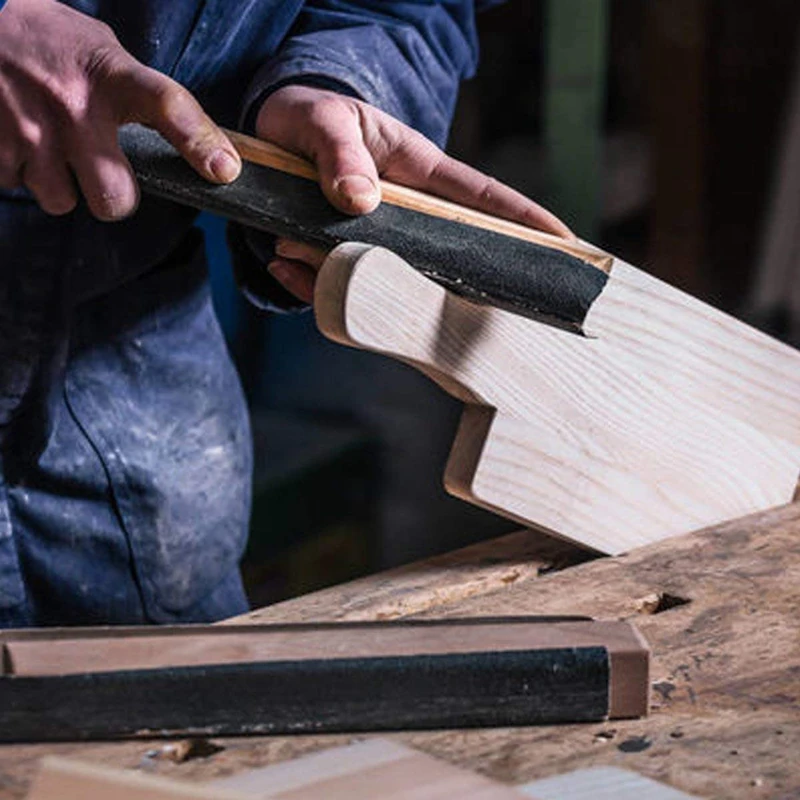
Now sanding becomes efficient instead of destructive. With oils gone, abrasives cut cleanly and leave predictable profiles for primer to grip.
- Wood: For previously painted or varnished surfaces, start around P120–P150 to scuff without gouging, then finish at P180 before primer. Always sand with the grain. On veneer, go lighter (P180 only) to avoid breakthroughs. Use a foam interface pad on orbitals to hug profiles and reduce swirl marks.
- Metals: Degreased bare steel or aluminum likes a uniform scratch of P180–P220 for most primers. Don’t overheat thin panels—keep the sander moving and lighten pressure at edges. If you see a shiny edge, it’s time to stop and feather by hand.
- Plastics and composites: Many primers call for a finer profile—P320–P400. Static can trap dust; wipe with isopropyl alcohol and a clean microfiber, not a sticky tack cloth that can leave residue.
- Masonry: You’re usually removing loose paint and creating a dust-free, sound surface. Mechanical means (scrapers, sanding screens) followed by a thorough vacuum is key. Don’t polish concrete smooth or you’ll hurt adhesion; a slight tooth is ideal.
Between grits, vacuum plus a clean microfiber beats tack cloths in many cases, especially before waterborne primer. If you use a tack cloth, use light pressure and verify it’s compatible with your coating.
A note on wet sanding: Only when you’re absolutely sure contamination is gone, and typically not on bare wood. Water can raise grain and sneak into joints. On metal, wet sanding is fine, but dry thoroughly and blow out seams immediately after.
Three sanding truths that save jobs:
- Don’t chase perfection in primer prep; chase uniformity. You want even scratch, even sheen, and zero gloss.
- Stop when you’re done. Extra passes add heat and fine dust that can interfere with primer.
- Clean again after sanding. A quick vacuum and microfiber wipe removes abrasive fines that would otherwise telegraph through your first coat.
Priming for Long-Term Adhesion
With a truly clean, uniformly scuffed surface, primer becomes the hero it’s designed to be. Choose the right type and apply it in conditions it likes.
- Bonding primers: Great for slick or previously finished surfaces (laminate, glossy trim). They need that scuff you just created.
- Stain-blocking primers: Shellac or advanced waterborne blockers lock in tannins, smoke, markers, and water stains. If you smelled cleaners or encountered old smoke, consider a blocker to be safe.
- Metal primers: Use an etching primer for bare aluminum, a rust-inhibitive primer for steel, and follow with epoxy when you need maximum build and chemical resistance.
- Masonry primers: Alkali-resistant primers handle fresh concrete and lime-based substrates once moisture is within spec.
Application checklist:
- Mix thoroughly—settled solids are your adhesion and stain-blocking power.
- Aim for film build, not just color. One full, even coat beats two starved dustings.
- Watch your window: temperature, humidity, and recoat times matter. Too cold and you’ll get poor coalescence; too hot and you’ll see lap marks.
- Use the right tools. A high-density foam roller lays smooth on cabinets; a 3/8-inch nap for walls; back-brushing or back-rolling levels sprayed primer and helps it bite.
Before you prime, do a final wipe: on wood and walls, a damp microfiber with clean water; on metal, alcohol. If your wipe leaves no streaks and dries without spotting, you’re there.
One more pro move: a lint roller on flat surfaces just before coating. You’ll be shocked by the fibers it picks up that your eye missed. That last 60 seconds can save an entire re-sand.
How to prep — Video Guide
Hyde Tools’ short guide to exterior prep hits the same core message: most of the work happens before the paint can opens. The host walks through washing, scraping, and sanding weathered siding, showing how proper cleaning and edge feathering set up coatings for durability outdoors. You’ll see practical steps like cutting out loose caulk, addressing mildew, and choosing the right tools to reduce dust.
Video source: How to prep house exterior for painting. | Hyde Tools
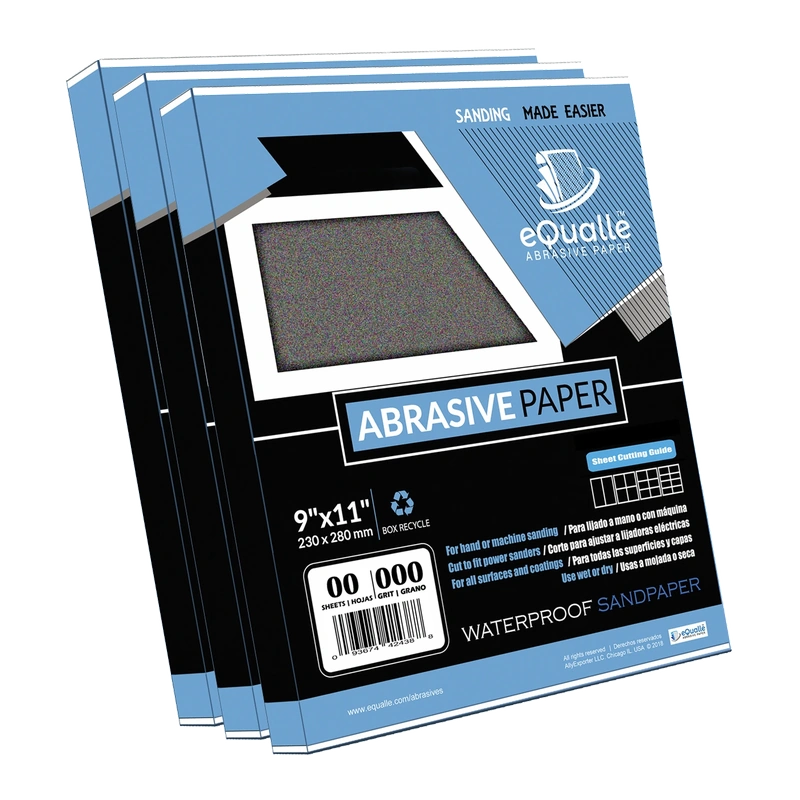
100 Grit Sandpaper Sheets (50-pack) — 9x11 in Silicon Carbide Abrasive for Wet or Dry Use — Balanced coarse grit combining power and control—perfect for blending rough sanding marks before progressing to finer grades like 150 or 180. (Professional Grade).
Frequently Asked Questions (FAQ)
Q: Do I clean before or after sanding?
A: Clean and degrease first, rinse and dry fully, then sand. Post-sanding, vacuum and wipe again to remove abrasive dust. Sanding first drives oils into the surface and hurts adhesion.
Q: What’s a safe degreaser for wood cabinets?
A: Start with a phosphate-free TSP substitute or a citrus-based degreaser, then follow with mineral spirits for stubborn wax, and finish with denatured alcohol. Always test in a hidden spot and avoid soaking end grain.
Q: How long should I let surfaces dry after washing?
A: Until they reach ambient—no cool-to-the-touch feel, no damp edges. Wood may need several hours with airflow; metals dry quickly but watch for condensation. If water doesn’t sheet and evaporate evenly, wait longer.
Q: How do I handle silicone contamination that causes fisheyes?
A: Aggressive degreasing and mechanical abrasion. Use a dedicated wax and grease remover, scrub with a non-scratch pad, rinse, repeat, then sand. In severe cases, apply a compatible bonding or sealing primer designed to bridge silicone issues.
Q: Can I prime over light grease if I’m short on time?
A: Don’t. Primers aren’t magic; they need a clean, dry, dull surface. Trapped grease leads to craters, peeling, or soft films. A 10-minute degrease now saves hours of failure repair later.