
Between Coats Sanding: Spot Nibs Before You Start
You set the brush down and step back. The tabletop glows under the shop lights, a fresh coat catching reflections like still water. Then you see them—tiny flecks interrupting the gloss, little bumps that snag your eye and threaten the silky-smooth finish you pictured. They’re not big flaws, just dust nibs and bits of raised grain, but you know the truth: if you sand them wrong, you’ll chase scratches, burn through edges, or trap grit that will telegraph through every coat after. The difference between good and truly great finishes often comes down to what we do before we reach for sandpaper.
This is where between coats sanding becomes both art and precision work. But first, you need to identify raised nibs correctly—so you remove only what needs to go, with the least effort and risk. The slowdown here is intentional. It’s a pause to read the surface under honest light, to feel texture with your fingertips or a thin glove, to mark and work the exact spots rather than bulldoze the whole field. It’s an approach that respects the finish and your time.
If you’ve ever wondered why your finish still feels gritty after sanding, or why you keep chasing dull spots and swirl marks, the answer often lies in detection, not just technique. Raised nibs come from dust in the air, lint from a rag, or grain lifting under water-based products. They show up differently depending on sheen and wood species. And they demand different tactics depending on whether you’re de-nibbing, leveling, or scuffing for adhesion. Knowing which is which changes everything.
This guide is your roadmap to seeing what’s truly happening on the surface—so you can sand smarter, not harder. I’ll walk you through a simple, repeatable way to identify nibs before sanding, choose the right grit and tools, and avoid cut-throughs and haze. You’ll learn to let the finish tell you what it needs, one coat at a time.
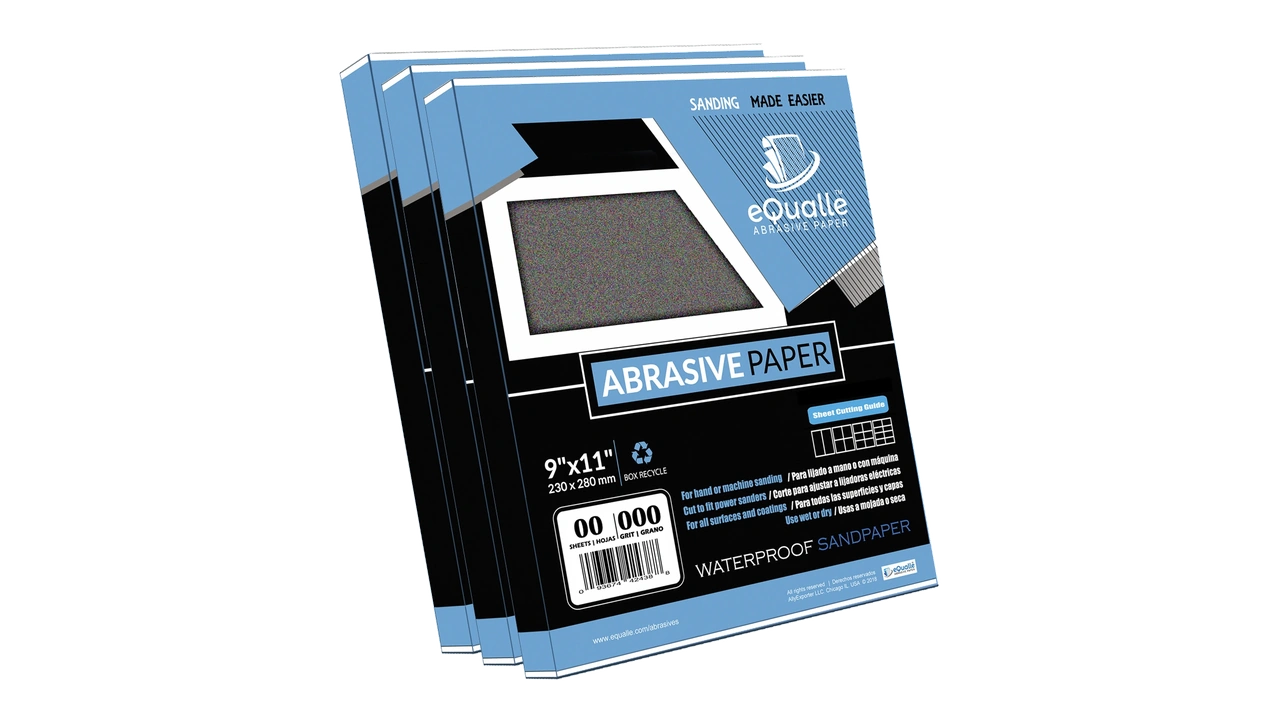
Quick Summary: Learn how to detect and map raised nibs before you sand, then use targeted, light between coats sanding to remove them cleanly without dulling or cutting through your finish.
What raised nibs look and feel like
Raised nibs are small interruptions in the film—either dust particles embedded in the coat or fibers (raised grain) that stiffen and poke up as the finish dries. They’re easiest to see and feel right after a coat flashes off and reaches a uniform sheen.
How to see them:
- Use raking light. Place a bright light low to the surface and look across, not down. Nibs cast tiny shadows and appear as points of highlight in glossy finishes.
- Check multiple angles. Walk around a tabletop and tilt your head; nibs show at certain angles as shimmering “sparkles” or as little mounds breaking the reflection.
- Vary the sheen. On satin or matte finishes, a small dry, chalky dot may be a dust nib; on gloss, it appears as a pinprick disrupting the mirror.
How to feel them:
- Bare-hand glide test. Clean your hands, then sweep lightly with the pads of your fingers. Nibs feel like sand grains, typically grouped near edges and in the center where dust settles.
- Nitrile glove trick. A thin glove amplifies tactile feedback, making nibs feel larger without adding oil to the surface.
How they differ:
- Dust nibs are discrete bumps that feel hard and slightly proud of the surface.
- Raised grain feels more like a patch of subtle roughness or “nap,” especially on open-pored woods (oak, ash). It’s common after the first coat of water-based finishes that raise fiber ends.
The key is to confirm where nibs are and how many before sanding. Broad, aggressive sanding is overkill for a handful of particles. Mapping nibs first lets you spot-treat them and avoid thinning edges or flattening the entire coat.
Mastering between coats sanding for nibs
Between coats sanding serves three purposes: remove nibs, level subtle irregularities, and create a uniform scratch pattern for adhesion. When you’re targeting raised nibs, restraint is your ally.
Grit guidance:
- First coat on raw wood, water-based: 220–320 grit to knock down raised grain.
- Subsequent coats (water- or oil-based): 320–400 grit for de-nibbing; 400–600 if the film is thin or soft.
- High-gloss or thin lacquer: 400–600 grit or fine synthetic pads to avoid coarse scratches.
Technique:
- Spot first, then blend. Lightly rub just the nib with folded paper supported by a small, flat block (a cork or rubber block helps avoid fingermarks). Two to five strokes are usually enough.
- Minimal pressure. Let the abrasive’s grit do the work. If your paper clogs quickly, either the finish isn’t cured enough or the grit is too fine for the task.
- Keep edges safe. Tape near vulnerable corners and mill marks. Edges burn through faster because finish builds thinner there.
- Clean constantly. Vacuum and use a clean, lint-free cloth between passes. Don’t push dust around; remove it.
Reading the surface:
- Uniform dullness means you’ve scuffed for adhesion and lightly leveled.
- Shiny dots remaining are low spots—if they’re nibs, focus on those. If they’re widespread, you’re seeing orange peel, which calls for a different approach (lighter coats, better leveling, or longer flash time).
When to skip sanding:
- Some finishes allow a chemical bond within a tight recoat window. If the surface is perfectly clean and dust-free, you can recoat without sanding—though a quick de-nib is still wise on horizontal pieces. Always check your product’s technical sheet.
Lighting, touch, and marking methods
Before you sand, build a quick detection ritual you can repeat every coat. It takes minutes and saves hours.
Set the scene:
- Control dust. Vacuum the area, mist the air lightly with water a few minutes before finishing, and let the room settle.
- Use a bright, directional light. A clamp light or LED panel works; hold it low and sweep across the surface to create raking highlights.
Mark what you find:
- Pencil dot system. Lightly mark each nib with a soft pencil, then erase or sand the dot away as you de-nib. It’s a simple visual checklist.
- Chalk guide coat. For large surfaces, a very light, broad swipe of soft chalk reveals highs and lows as the abrasive removes chalk first from proud areas.
- Whisper test. Drag a clean cotton pad across the surface; nibs create a soft “tick” or snag, especially on gloss finishes.
Actionable tips to spot nibs fast:
- Try the “glove glide” test. Put on a thin nitrile glove and sweep your hand lightly; every nib feels bigger through the glove.
- Fog the surface briefly with your breath. Micro-condensation highlights bumps for a second—enough to spot and mark.
- Divide and conquer. Mentally split large panels into quadrants and inspect each systematically under raking light.
- Map from center to edges. Dust often lands in the middle during drying; raised grain shows more along end grain and edges.
- Keep a denibbing kit handy. Small block, 320–400 grit paper, gray pad, pencil, eraser, and tack cloth—so you don’t improvise.
According to a article, after sealing, a light pass with 220–320 grit to remove raised grain or dust nibs sets you up for cleaner subsequent coats. That aligns with what you’ll see under raking light: once the obvious bumps are gone, your next coat flows and levels more predictably.
Choosing abrasives and tools wisely
Not all abrasives behave the same, especially on delicate finish films. The goal is controlled cutting with minimal scratch depth.
Abrasive types:
- Stearated sandpaper (non-loading): Excellent for finishes; the coating helps resist clogging. 320–400 is the workhorse for de-nibbing.
- Foam-backed pads: Great for curves and profiles; they conform without creating flats. Pick fine grits equivalent to 320–600.
- Synthetic finishing pads (maroon/gray): Useful for scuffing in lieu of paper when you need ultra-light touch and a uniform scratch.
- Micro-mesh and polishing films: For high-gloss work, especially after final leveling, to refine scratches beyond 600.
Tool choice:
- Hand sanding for control. Fold paper into a firm, small pad and support it with a block. Fingers alone can create uneven pressure and troughs.
- Random orbital sander (ROS): Use cautiously with an interface pad and fresh, fine discs (400+). Keep speed low and pressure feather-light. A ROS shines for broad scuff-sanding but can overcut edges quickly.
- Denibbing “cards” or hard felt blocks: Their flatness makes spot work precise. A few strokes on a nib beat whole-panel sanding every time.
Do nots:
- Avoid steel wool with water-based finishes; it sheds metal fragments that rust. It’s also risky on open-pored tannic woods like oak, which can stain.
- Skip worn paper. Dull grit burnishes instead of cuts, generating heat and smearing soft finishes.
- Don’t sand gummy film. If the finish balls up, it hasn’t cured. Wait longer—warm, low-humidity conditions help.
Cleanup matters:
- Vacuum with a brush attachment, then wipe using a clean microfiber. A lightly used tack cloth can help on oil-based finishes, but be cautious with water-based products to avoid residue. If in doubt, a damp microfiber followed by dry works well—give it a few minutes to evaporate before recoating.
When your abrasive, support, and pressure are in sync, you’ll feel a distinct transition: the surface shifts from gritty to uniformly smooth with minimal removal. That’s the moment to stop.
Troubleshooting finish defects, not just nibs
Raised nibs are common, but not every bump or roughness is a dust particle. Differentiating defects prevents you from sanding toward a problem you should be preventing at the source.
What it might be instead:
- Orange peel: A pebbled texture from heavy coats, short flash time, or poor atomization. Light scuffing won’t fix the underlying cause. Use thinner coats, proper reducer (for solvent-based), or adjust your sprayer’s setup.
- Bubbles: From over-brushing, shaking the can, or trapped air. Let a bubbly coat cure fully; then level sand flatter (320–400) before reapplying with a lighter hand.
- Contamination (fish-eye): Crater-like pits caused by silicone, oil, or wax. Sand back to stable film, clean with a compatible solvent, and use a fish-eye eliminator only as a last resort.
- Blush or grain raise: Water-based finishes can raise fibers; shellac or a sanding sealer between coats can help lock down fibers after the first de-nibbing pass.
Prevention checklist:
- Strain your finish. A disposable cone filter or fine mesh stops debris before it hits the surface.
- Keep applicators clean. Dedicated brushes and pads for each product prevent cross-contamination.
- Control environment. Aim for the product’s recommended temperature and humidity; avoid drafts that carry dust onto horizontal surfaces.
- Respect recoat and cure times. Too soon and you smear; too late and you may need a more assertive scuff for adhesion.
Knowing when to escalate:
- If nibs persist coat after coat, the room is dirty or your cleanup routine is pushing dust around. Upgrade filtration, isolate the finishing area, or finish at a different time of day.
- If leveling is the real need, step back and plan a leveling pass with a hard block and a slightly coarser grit (320) followed by refining. Then resume light de-nibbing on subsequent coats.
A smooth finish is rarely an accident. It’s the result of feedback loops—observe, adjust, and only remove what you must.
Improper sanding between — Video Guide
If you’re a visual learner, this walk-through on preventing mistakes during sanding between coats distills the essentials. It demonstrates how light pressure, correct grit, and clean technique produce a silky finish—and how heavy hands or the wrong abrasive leave swirls and cut-throughs.
Video source: Improper sanding between coats of finish- HOW TO AVOID IT!
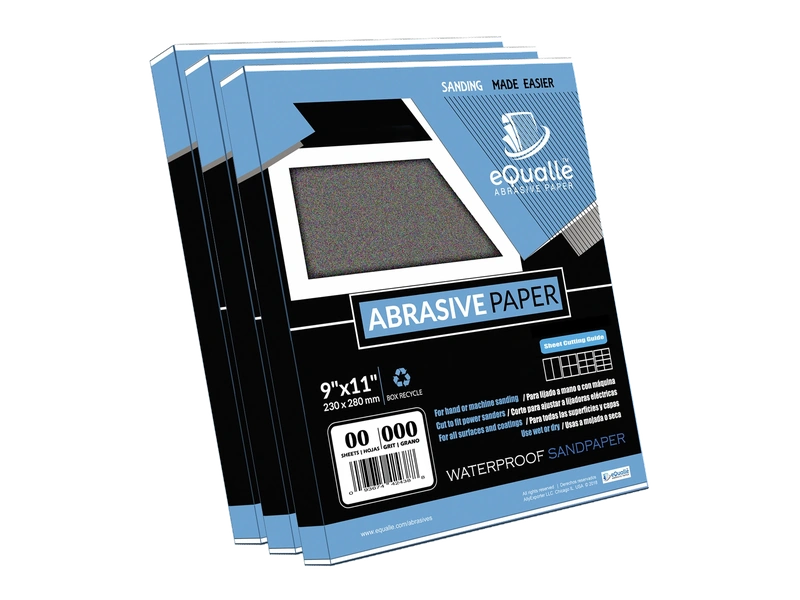
400 Grit Sandpaper Sheets (25-pack) — 9x11 in Silicon Carbide Abrasive for Wet or Dry Use — Ultra-fine abrasive for refining surfaces before polishing or coating. Commonly used in auto body repair and resin finishing. Produces flawless smoothness with wet or dry sanding. (Professional Grade).
Frequently Asked Questions (FAQ)
Q: How can I tell the difference between a dust nib and raised grain?
A: Dust nibs feel like discrete bumps and often appear as pinprick highlights under raking light. Raised grain feels like a patch of general roughness, especially after the first water-based coat, and usually covers wider areas.
Q: What grit should I use for between coats sanding?
A: For de-nibbing, start with 320–400 on cured film. Move to 400–600 for thin or delicate finishes or high-gloss work. Use 220–320 only on the first coat of water-based finishes to knock back raised grain.
Q: Do I have to sand between every coat?
A: Not always. If you’re recoating within the product’s chemical bond window and the surface is dust-free, you can skip—but a quick de-nib improves smoothness and reduces the chance of trapping particles.
Q: Is steel wool okay between coats?
A: Avoid it with water-based finishes and on tannic woods; it sheds and can rust or stain. Use gray synthetic pads or fine paper instead, which leave a clean, uniform scratch without contamination.
Q: How long should I wait before sanding?
A: Until the coat is fully dry-to-sand per the product data—typically 1–2 hours for many water-based finishes and longer for oil-based. If the film pills or gums, wait more; proper cure ensures clean cutting and less risk.