
Sandpaper Grit for Water-Based Finishes
You run a hand across the tabletop you’ve been refinishing, and it feels… almost right. The color looks clean, and the first coat of water-based polyurethane flashes off in minutes. But when you turn your head, you see tiny scratches that weren’t there before. The surface feels slightly fuzzy, as if the grain has lifted. You wonder whether your sandpaper grit was too fine, too coarse, or used at the wrong time. You think about starting over—again—but what if the solution is simply understanding how grit choices change when your finish is water-based?
That moment—caught between “good enough” and “great”—is where woodworking becomes craftsmanship. Water-based finishes have their own rhythm: they dry fast, they’re clear and less amber, and they raise grain. Those traits can make your work look crisp and modern, but they also expose mistakes that oil-based finishes tend to hide. If you’ve ever been surprised by color lifting during clear-coating, or saw swirls suddenly appear after the first coat, you’re not alone. The culprit is often a mismatch between the wood, the grit progression, and the finish.
Let’s slow the process down. The path to a silky, durable water-based finish isn’t complicated; it’s simply specific. A few intentional changes—where you stop on raw wood, how you pre-raise the grain, what you use between coats—will save hours of rework and deliver a professional, predictable surface. By the end of this guide, you’ll know exactly how to pick and sequence grits, how to avoid color lift, and how to keep that surface smooth from the first pass to the final rub-out.
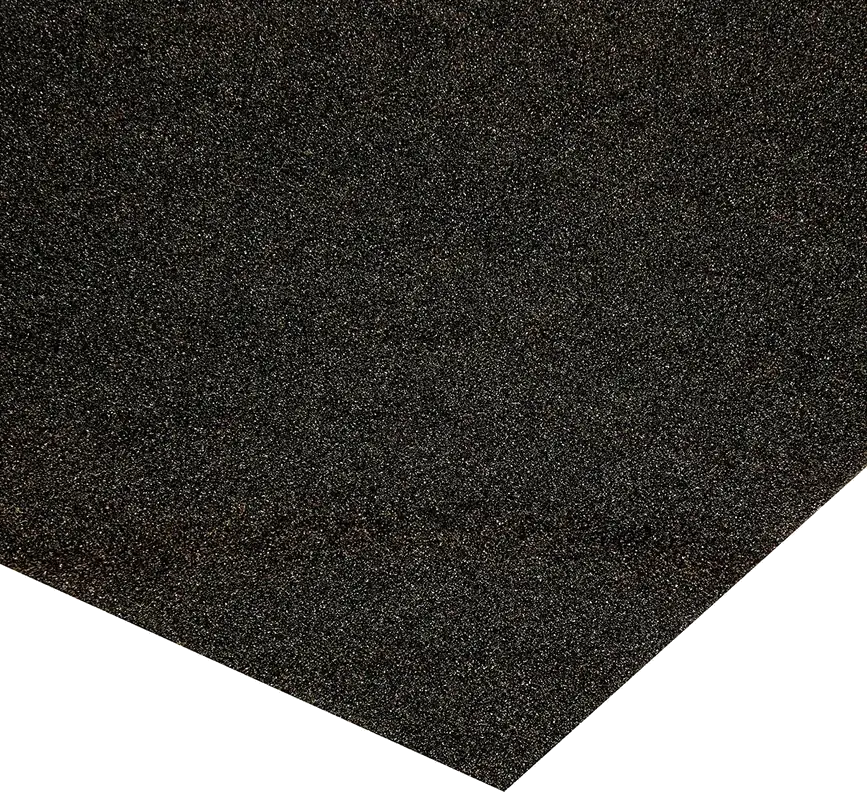
Quick Summary: Water-based finishes raise grain and highlight scratches, so stop sanding raw wood a bit coarser (often 180–220), pre-raise the grain, and scuff between coats with 320–400 using fresh, clean abrasives.
Why Water-Based Changes the Rules
If you’ve used oil-based finishes for years, switching to water-based can feel like someone moved the goalposts. The science explains why. Water swells wood fibers, especially the cut ends you reveal during sanding. As the finish dries, those fibers stiffen and stand proud—what we call “raised grain.” Even if you sanded to a glassy 320 on raw wood, the first water-based coat can make it feel rough again. Overly fine sanding can also burnish the surface, reducing tooth for adhesion and sometimes creating uneven color when you add dye or stain.
Water-based finishes also dry quickly, which is great for productivity but unforgiving of dust and swirls. Fast dry means less time for the finish to level, so microscopic scratches that might vanish under a slower, oil-based film can telegraph through. Add the clarity of water-based products—less ambering—and you get a finish that shows what’s actually there. That’s a feature, not a flaw, but it asks more of your sanding sequence.
Two practical implications follow. First, don’t overshoot your final grit on raw wood when a water-based stain or clear coat is coming next. Stopping around 180 or 220 often delivers better color acceptance and adhesion—and fewer surprises—than sanding to 320 or 400. Second, plan on a deliberate, gentle scuff between coats. Fine abrasives (320–400) remove nibs and level the film without cutting through color.
Finally, remember that abrasives wear out long before they look empty. Spent paper polishes instead of cutting, building heat and smearing dust into pores. For water-based finishing, “fresh and clean” matters more than “extra fine.” Vacuum often, replace paper early, and your finish will reward you.
Choosing the Right Sandpaper Grit
“Right grit” depends on two things: your wood species and your finishing sequence. With water-based products, think of grit selection as setting the stage for color and adhesion.
Raw wood, clear finish only: For most hardwoods (maple, cherry, walnut), start at 120 or 150 to flatten, then progress to 180. On tight-grained woods, you can go to 220 if needed to remove marks—but you usually don’t need more than 220 before your first water-based coat. Going finer can burnish the surface and reduce adhesion.
Open-pore species (oak, ash): These woods telegraph sanding marks easily. Sand to 180, occasionally 220. Avoid 320 on raw wood when a water-based stain or dye is planned; too fine can lead to pale, uneven color.
Softwoods (pine, fir): These compress and scratch easily. Many finishers stop at 180, refine to 220 only if necessary, then rely on between-coats scuffing for smoothness.
Veneers: Be conservative. Start at 150 and stop at 180–220. Use light pressure and a firm, flat pad to avoid cutting through.
What about abrasive types and tools? Aluminum oxide papers are durable and great for general sanding. Silicon carbide excels for between-coat scuffing because it cuts clean, sharp, and fine. A 5" or 6" random-orbit sander is a workhorse, but pair it with a quality interface pad appropriate to the task: firm for flattening, medium for general work, and thin foam for delicate surfaces. Keep your sander moving with overlapping passes and moderate speed to avoid pigtails.
Key detail: plan grain-raising into your workflow. After your final raw-wood grit (often 180–220), lightly mist or wipe the surface with water, let it dry, then knock back the raised fibers with the same grit you finished with. This simple step prevents the first finish coat from creating a fuzzy feel.
Between coats of water-based clear, a fresh 320 or 400—hand-sanded with a soft pad or very lightly with a sander—levels nibs without cutting through color. Wipe or vacuum thoroughly before the next coat.
Smart Grit Progressions by Project
Let’s put those principles into task-based sequences you can follow.
Clear finish on raw hardwood:
- Level and shape at 120 or 150.
- Refine to 180; go to 220 only if needed to remove visible scratches.
- Pre-raise grain (light water wipe), dry, then kiss the surface with 180–220 to remove fuzz.
- First coat of water-based clear; scuff with 320–400 once dry.
- Apply second coat; repeat light scuffing if building more coats.
- Optional final rub-out: once fully cured, polish with 600–1000 and a non-woven pad for sheen consistency.
Water-based stain or dye under water-based clear:
- Sand 120 → 150 → 180; stop at 180–220 max.
- Pre-raise grain, then sand very lightly with 180–220.
- Apply color; allow full dry time.
- Lock in color with a light first coat of clear. Avoid aggressive sanding until that coat has cured; then scuff with 320–400.
Painted furniture, then water-based topcoat:
- Scuff existing finish with 120–150 for tooth.
- Prime; sand the primer smooth with 220.
- Paint; allow cure.
- Scuff with 320 before water-based clear if needed for durability, then apply topcoat.
Stripped or damaged finishes:
- After stripping, knock down residue and irregularities with 100–120.
- Refine to 150 → 180. Only go to 220 if necessary on tight grain.
- Proceed with pre-raising and finishing as above.
Color lift—when clear pulls dye or stain—often traces back to over-sanding, inadequate dry time, or too aggressive a first coat. According to a article. A practical fix: stop finer at 180–220 before color, pre-raise the grain, let dyes/stains cure fully, and lay the first clear coat gently (spraying or a light, steady brush load). After that first coat hardens, your 320–400 scuff becomes safe and predictable.
One more nuance: different sheen levels reflect light differently. Satin and flat sheens forgive micro-scratches more than gloss. If you’re chasing a high-gloss water-based finish, be extra disciplined with clean dust extraction, fresh 400 between coats, and a final rub-out sequence to unify the surface.
Techniques to Control Raised Grain
Raised grain isn’t a disaster; it’s a behavior to plan for. With a few technique tweaks, you’ll tame fibers before they interfere with clarity or smoothness.
Pre-raise on purpose: After your last raw-wood grit (generally 180–220), wipe the surface with a damp cloth or light mist. Let it dry thoroughly. Then sand extremely lightly with the same grit—just enough to knock back the fuzz. This prevents the first water-based coat from doing the raising for you.
Use fresh abrasives and light pressure: Dull paper polishes instead of cutting, which burnishes fibers and leads to uneven color and adhesion. Change discs frequently—more often than you think. Let the grit do the work; a heavy hand crushes fibers and embeds dust in pores.
Keep the surface clean: Vacuum between grits and after every sanding pass. Dust is abrasive; leaving it on the surface creates swirl tracks that appear after the first coat. For open-pore woods, use compressed air or a vac with a brush to pull dust from the pores.
Stay with the grain and avoid skipping: Skipping grits magnifies the risk of visible scratches, especially under clear water-based finishes. A simple 120 → 150 → 180 sequence covers most needs. Finish with a few hand-sanding strokes along the grain to erase random-orbit squiggles.
Match pads to the job: A firm backing pad flattens efficiently; a softer interface follows contours without gouging. Hand blocks keep faces flat; flexible foam blocks keep profiles crisp. On edges, sand by hand to avoid rounding.
These techniques add only a few minutes to your workflow while saving hours of post-finish correction. Think of them as your insurance policy for clarity, color integrity, and smooth touch.
How Do I — Video Guide
If you’re newer to refinishing, a clear visual walk-through helps connect grit numbers to real surfaces. This video introduces how to sand furniture step by step, showing which grits to use for stripping, flattening, refining, and scuffing between coats. It emphasizes working with, not against, the wood—keeping pressure light, changing paper often, and adjusting grit when moving from bare wood to water-based topcoats.
Video source: How Do I Sand Furniture? | Sandpaper Grit 101 - Know Which Grit to Use for Each Step of Your Flip!
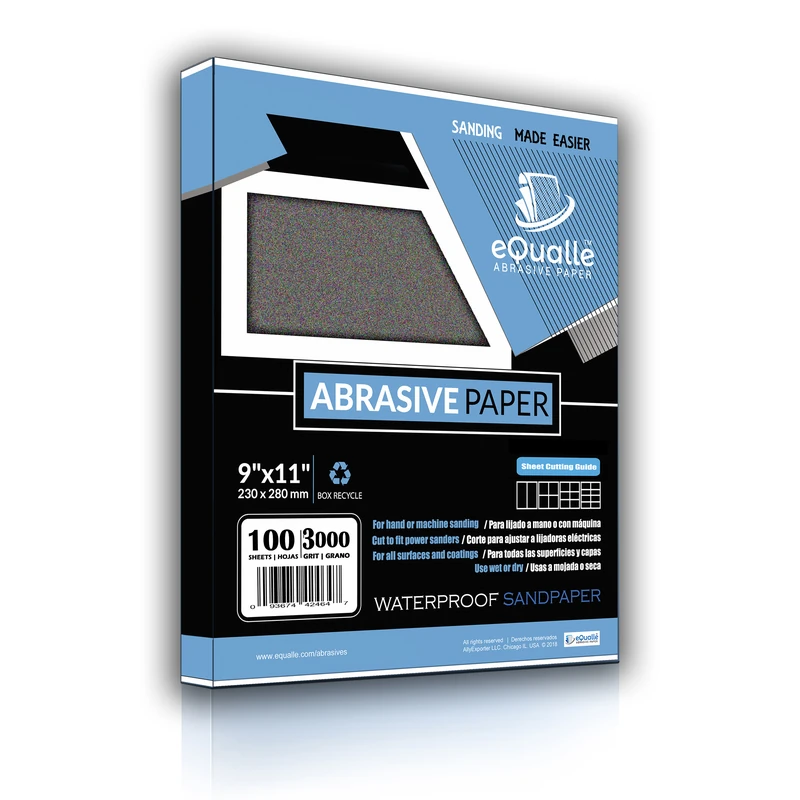
1500 Grit Sandpaper Sheets (10-pack) — 9x11 in Silicon Carbide Abrasive for Wet or Dry Use — Professional ultra-fine grit for satin or semi-gloss finishing. Removes micro-scratches from clear coats and paint touch-ups. Produces flawless textures and consistent results before final polishing. (Professional Grade).
Frequently Asked Questions (FAQ)
Q: What’s the best final grit on raw wood before a water-based clear coat?
A: For most projects, stop at 180, optionally 220 on tight-grain hardwoods. Going finer can reduce adhesion and make color uneven if you’ll apply stain or dye. Rely on 320–400 for between-coat scuffing to achieve a silky final surface.
Q: How do I prevent color lifting when applying a water-based topcoat over dye or stain?
A: Stop sanding at 180–220 before coloring, pre-raise the grain, allow the color to fully dry/cure, and apply a light first clear coat (spray or careful brushing). Avoid aggressive sanding until that coat has hardened; then scuff with 320–400.
Q: Which abrasives should I use between coats of water-based finish?
A: Use fresh 320–400 grit, silicon carbide or high-quality aluminum oxide. Hand-sand with a soft pad or very lightly with a random-orbit sander. The goal is to remove nibs and improve adhesion without cutting through color.
Q: Do I need to pre-raise the grain on every wood species?
A: It’s helpful on most woods, especially open-pore species like oak and ash. On tight-grain hardwoods, a gentle pre-raise still reduces the fuzzy feel after the first coat and helps the finish level more evenly.
Q: Why do swirl marks appear after my first water-based coat even though the bare wood looked perfect?
A: Water-based finishes dry fast and are very clear, so they reveal sanding patterns that oil-based products might hide. The fix: complete your raw-wood sanding at 180–220, finish with a few hand strokes with the grain, clean thoroughly, and plan for a 320–400 scuff after the first coat.