
Ceramic Sanding Discs vs Belts for Aggressive Removal
The shop is quiet in that way only early morning makes possible—dust settled, machines cold, bench light slicing through the dim. The billet you rough cut last night is still blued along the waterjet edge, and there’s a faint scorch on a hardwood panel you’d rather not talk about. You pick up a fresh belt, flick the grinder to life, and feel the familiar rise in pitch as the drive wheel spins up. This is where ceramic belts earn their keep. They chew, not smear. Under controlled pressure, they self-fracture into sharp edges, pushing material off the part instead of heat into it. If you’ve ever stepped from dull aluminum oxide to a modern ceramic belt, you know the feeling—a sudden, almost startling increase in cut. Later, when you pivot to flatten with a sander, ceramic sanding discs provide the same microfracturing advantage, but with dust extraction and a controlled scratch field better suited to broad surfaces.
This article is for fabricators, knife makers, and finish carpenters who need high removal rates without paying for it in heat, wander, or deep swirl marks. We’ll walk through grain science in plain terms, then get prescriptive about pressure, belt speed, and grit progression. You’ll know when to reach for a 36-grit ceramic belt with a hard platen, when to back off to a flexible interface, and when ceramic sanding discs are smarter for the task. We’ll also cover how to keep temperatures in the safe zone, extend belt life, and avoid loading in metals and woods. The goal is straightforward: help you remove more stock, more accurately, in less time—and with fewer problems to fix later.
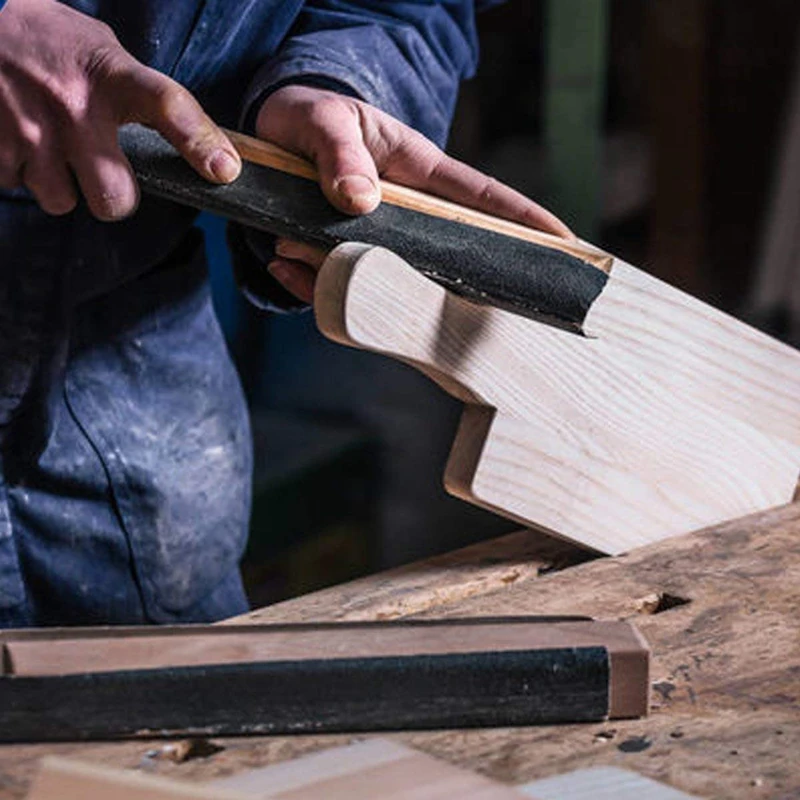
Quick Summary: Ceramic belts deliver maximum stock removal with controlled heat and consistent scratch patterns; pair them with calibrated pressure, belt speed, and smart grit steps—and switch to ceramic sanding discs when you need planar control and dust extraction on broad surfaces.
What makes ceramic belts different
Ceramic abrasives aren’t just “harder grit.” They’re engineered microstructures designed to break with intention. Traditional aluminum oxide fractures unpredictably, forming rounded particles that rub rather than cut as they dull. Zirconia alumina improves stamina and cut pressure handling, but it still tends to plow once blunt. Ceramic grains are different: they are microcrystalline and often geometrically shaped, tuned to microfracture under load. This controlled friability exposes new sharp edges, maintaining a high, stable cut rate across the belt’s life.
Three elements determine how a ceramic belt behaves. First, the grain: modern ceramics can be shaped (triangular, shard-like) to concentrate force at tips, increasing local pressure and initiating useful microfracture. These grains maintain an aggressive attack angle, especially at lower applied pressure than older ceramics required. Second, the bond and topcoats: resin-over-resin bonds secure the grain while allowing microfracture. Grinding aids (often called “super-size”) reduce interface temperature—crucial on stainless, hardened tool steels, and nickel alloys prone to work hardening and glazing the belt. Third, the backing: Y-weight polyester backings give the rigidity needed for flatness control and heavy pressure without stretching; X-weight is slightly more flexible and useful when blending transitions or following gentle curves. Joint construction (butt vs. lap) affects tracking and vibration; for finish-critical passes, a well-aligned butt joint reduces bump.
Closed-coat ceramics maximize grain density for sheer removal, while semi-open coats help manage chip evacuation and reduce loading on softer materials. When you couple a ceramic grain with a hard platen and the right speed, you get a high metal removal rate (MRR) with less heat input per unit removed—a productivity gain that also protects temper in steels and reduces burning in dense hardwoods. In short: ceramics cut fast because they stay sharp, and they stay sharp because they’re designed to renew at the point of contact.
When ceramic sanding discs beat belts
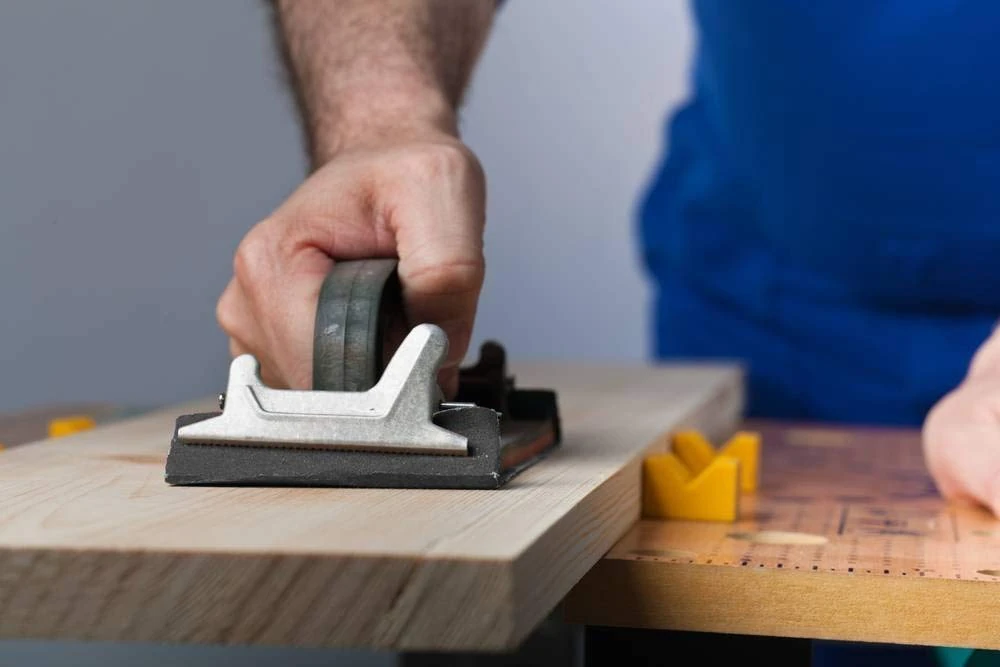
Ceramic belts excel on edges, contours, and any task where the contact patch is narrow and force is deliberate. But there are times when ceramic sanding discs are the smarter tool. On large, planar surfaces—cabinet panels, slab countertops, door faces, benchtops, fabricated plates—a random orbital or geared finishing sander with ceramic discs controls flatness better than a belt, while vacuum extraction keeps dust down and the abrasive cooler. The scratch field from a ROS is inherently more uniform and less prone to track marks than a linear belt pattern, and multi-hole or mesh discs maintain airflow that keeps the grain cutting instead of loading.
Disc construction matters. Film-backed ceramic discs deliver the consistent grain height and edge stability needed for clean scratch transitions, and they resist tearing around hole patterns. Mesh discs trade some backing rigidity for superb dust evacuation and cool cutting—excellent for resinous hardwoods or painted metals prone to gumming. Hook-and-loop interfaces excel in workflow speed and heat management; PSA discs provide a thinner, firmer stack with less compliance, improving flatness on metal plates or slab flattening where a firm pad reduces dish.
Think in terms of pressure per square inch. A belt on a hard platen concentrates force; a 5- or 6-inch disc spreads force over a larger area. To achieve equivalent material removal with a disc, you adjust technique: moderate downward pressure (around 2–4 lb), keep the pad flat, and maintain motion that avoids local overheating. Geared dual-mode sanders exploit ceramics well: use the rotary gear for bulk cuts with coarse ceramics (40–60), then switch to random orbit at 80–120 to refine. The goal is the same as with belts—control heat, keep the grain working, and manage scratches—only the platform changes to favor surface uniformity and dust control.
Dialing in pressure, speed, and grit steps
Control the variables, and the abrasives will do the rest. For 2x72 grinders, target belt speeds of 4,000–6,000 surface feet per minute (SFPM) for ferrous metals during aggressive stock removal. High-alloy, heat-sensitive steels often prefer the lower half of that range, especially with steady pressure. On hardwoods, 3,000–4,500 SFPM is usually sufficient; higher speeds invite burn when the interface is too hard or the dust cannot evacuate. Disc sanders and ROS don’t publish SFPM; think in oscillations per minute (OPM) and pad hardness. For 5–6 inch ROS, 10,000–12,000 OPM with a medium pad and ceramic discs is a solid baseline for heavy sanding; reduce OPM or step to a softer pad when you need contour compliance or lower temperatures.
The single most common mistake is insufficient pressure. Ceramic grains need minimum force to microfracture and renew. On a platen, apply 6–10 lb of force for coarse belts (36–60) on steel, dropping to 3–6 lb by 80–120 as you refine scratches. On a ROS, aim for 2–4 lb on coarse ceramic discs; pressing harder than that collapses the pad, overheats the interface, and polishes rather than cuts. Always calibrate by time-to-cut: if you’re not seeing a uniform scratch within 5–10 seconds at the intended contact zone, either your pressure is too light or your grit is too fine.
Grit progression governs how much “rework” each step must perform. Skipping steps with ceramics is tempting because they cut fast, but it backfires when scratch depth leapfrogs. Use structured jumps: 36 → 60 → 80 → 120 for stock removal and pre-finish on steel; on hardwoods, 40/60 → 80 → 120 → 150/180 before moving to 220+ only when the surface is uniform. On discs, a 40 → 80 → 120/150 progression maintains control of the scratch field while capitalizing on ceramic cut.
Actionable setup tips:
- For 2x72 stock removal on tool steel, start with a 36-grit ceramic on a hard platen (Shore A 90+), 4,500–5,500 SFPM, and 8 lb pressure. Reduce to 60 grit as soon as geometry is established.
- For resinous hardwoods, pair 60-grit ceramic discs with a multi-hole interface and high airflow. Limit OPM to 10,000, keep the pad flat, and vacuum on high.
- If you see belt “skating,” increase pressure slightly before dropping grit; ceramics need force to self-sharpen.
- On ROS, count passes. Three slow overlapping passes per grit with 30–40% overlap keeps scratches predictable and reduces “ghosting” at higher grits.
- Break in a fresh coarse ceramic belt with a quick pass on mild steel or scrap hardwood to knock down outlier grains; this reduces stray deep scratches.
Managing heat, loading, and belt life
Heat is the invisible tax on removal rate. Manage it, and ceramics stay in the sweet spot longer. In metals, keep the work surface below 150–175°C when possible to preserve temper in high-carbon and heat-treated steels; if you smell hot oil or see color change near a thin edge, you’re past ideal. Grinding aids in ceramic belts lower frictional heat—look for blue/green topcoats formulated for stainless and superalloys. Use a firm platen for gross removal, then switch to a slightly softer interface (or slack) only when blending; soft backings increase contact area and heat if applied with the same pressure.
Loading is different from glazing. Glazing is dull grain rubbing; loading is debris clogging the voids. On soft aluminum, low-carbon steels with scale, and resinous woods, go semi-open coat where possible and keep chip evacuation high: vacuum ports on discs, and active dust collection at the platen for wood. Don’t be afraid to “dress” a loaded disc with a crepe block; it does little for glazed grain, but it’s excellent for removing gummed resin. For belts, quick lateral passes on a sacrificial brush wheel or a crepe block can clear loading without tearing the seam. Use coolant or a light mist on metals when your process allows it—ceramic belts tolerate coolant well, and it stabilizes the cutting zone. On wood, avoid wax sticks or oily coolants that will interfere with finishes.
Drive true, track straight. A poorly aligned belt burns at the edge and wastes grain. Match belt joint style to the task: butt joints exhibit less bump on flat surfaces, while lap joints can be tougher for roughing. Keep the platen face flat and clean; a nick or divot telegraphs into the work as a repeating scratch. Consider a belt break-in: ten seconds at working speed on a mild steel bar or scrap hardwood removes rogue high grains and stabilizes cut behavior. Finally, measure, don’t guess—time how long a belt stays in the “fast cut” window under your conditions. That metric, more than feel, tells you when to change.
According to a article, high-performance ceramic belts are purpose-built for aggressive stock removal, which aligns with field results when pressure and speed are dialed correctly. Whether you’re roughing a bevel or flattening a weldment, the right ceramic belt paired with a consistent technique will outlast and outcut traditional abrasives while generating fewer thermal defects and less rework.
🦎Norton Sanding Discs — Video Guide
If you’ve searched for “sanding discs for orbital sander,” you’ll appreciate a practitioner’s take comparing aluminum oxide, ceramic, and mesh discs on actual floor sanding. In a recent video, a pro who sands for a living runs head-to-head cuts and explains where each disc type wins and why. You see how ceramic discs hold edge sharpness under pressure, how mesh improves dust extraction and keeps temperatures down, and where aluminum oxide still makes sense for lighter passes.
Video source: 🦎Norton Sanding Discs – Aluminum Oxide vs Ceramic vs Mesh (Which One Actually Works?) 😵
60 Grit Sandpaper Sheets (10-pack) — 9x11 in Silicon Carbide Abrasive for Wet or Dry Use — Extra-coarse Silicon Carbide abrasive for rapid stock removal and reshaping. Excels at stripping paint, smoothing rough lumber, or eliminating heavy rust on metal surfaces. (Professional Grade).
Frequently Asked Questions (FAQ)
Q: Are ceramic belts actually faster than zirconia for heavy stock removal?
A: Yes. Ceramic belts maintain a higher sustained cut rate because they microfracture to expose sharp edges under load. Zirconia can be strong early, but tends to plow once dull. With correct pressure (6–10 lb on a hard platen) and 4,000–6,000 SFPM, ceramics remove more material per belt and run cooler, especially on stainless and hardened steels.
Q: What belt speed should I use on a 2x72 for aggressive steel removal?
A: Start at 4,500–5,500 SFPM with a 36–60 grit ceramic on a hard platen. If you see heat tint or burn, either reduce speed to ~4,000 SFPM or increase pressure slightly to keep the grain cutting rather than rubbing. For heat-sensitive alloys, stay toward the lower end and use belts with a grinding aid topcoat.
Q: When should I choose ceramic sanding discs over belts?
A: Use ceramic discs on broad, flat surfaces where planar control and dust extraction matter: tabletops, doors, plate steel. A ROS or geared sander spreads force evenly and keeps the scratch field uniform. Pair 40/60 grit ceramic discs with high airflow for bulk cuts, then refine at 80–120. Belts still win on edges, contours, and when you need concentrated pressure.
Q: How do I avoid burning hardwoods with ceramic abrasives?
A: Maintain airflow and limit contact area. Use mesh or multi-hole ceramic discs with vacuum on high, keep OPM around 10,000–11,000, and apply only 2–3 lb of pressure. On belts, drop SFPM to 3,000–4,500, use semi-open coat ceramics if available, and switch to a slightly softer interface for blending while monitoring temperature with touch or an IR thermometer.
Q: What grit sequence works best after weld removal on mild steel?
A: For fast, clean results: 36-grit ceramic belt to knock the weld down, 60 to flatten and remove the 36 scratch, then 80 or 120 to prep for paint or further finishing. On large panels, transition to 80–120 ceramic discs on a ROS to level and unify the scratch field before priming.